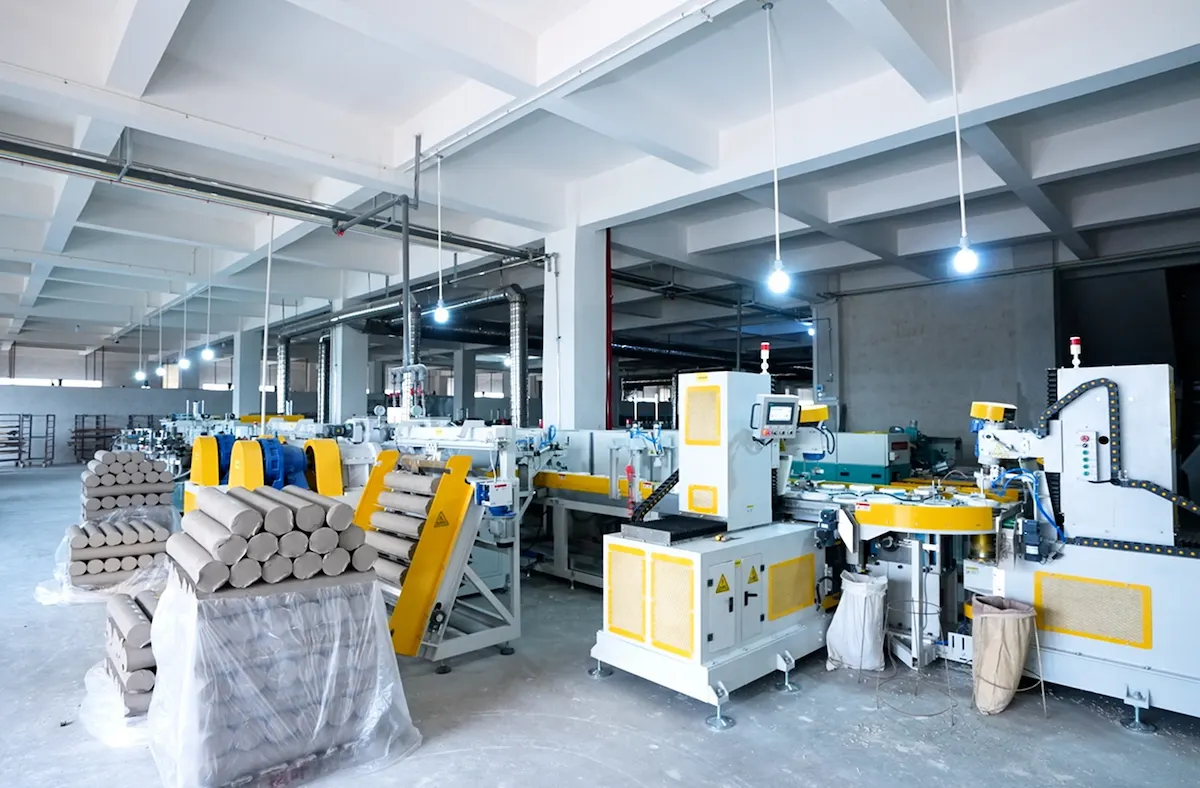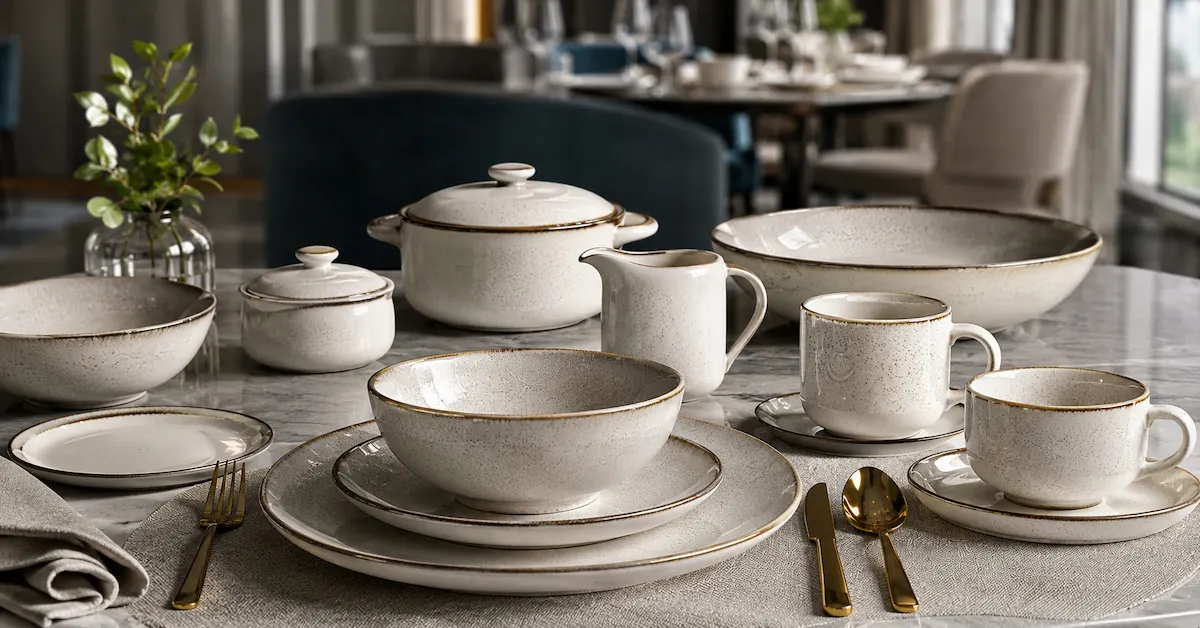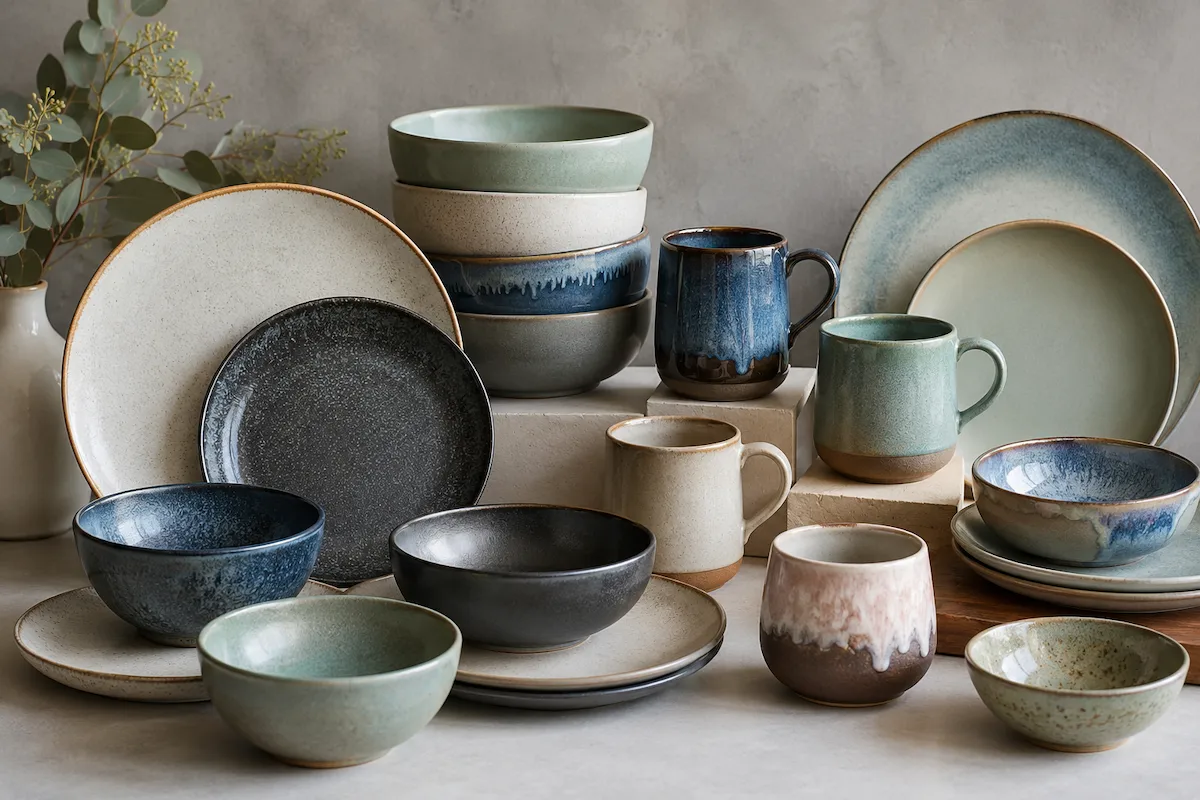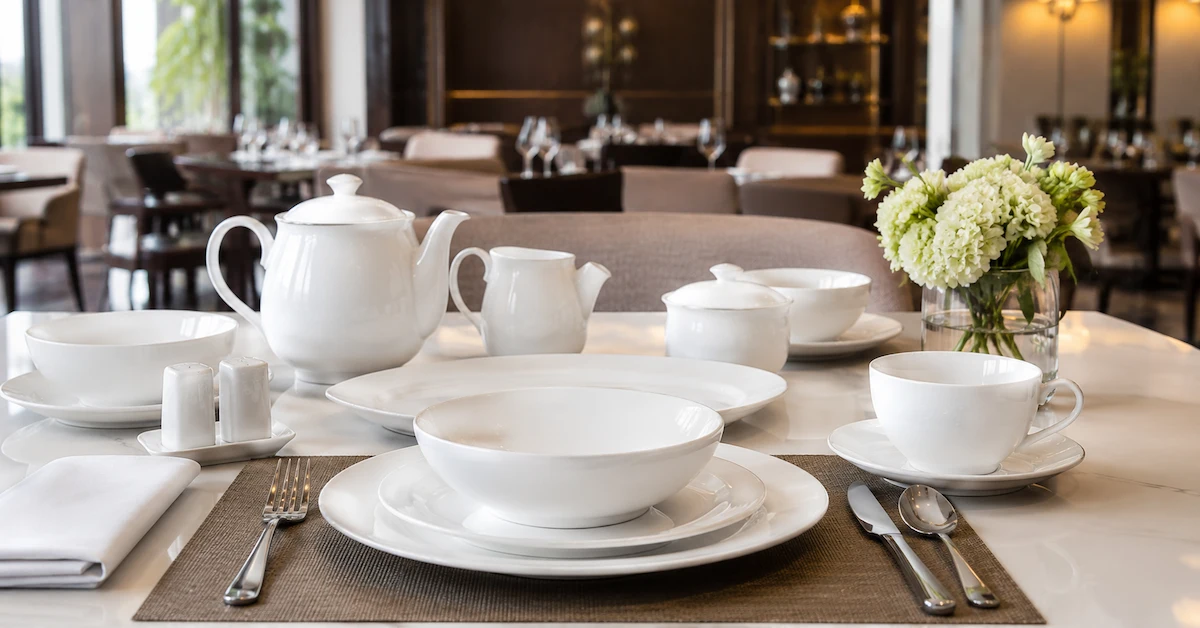

A Southeast Asia ceramic factory setup is not only about buying machines. It is about planning the right production process, product range, factory layout, equipment combination, and long-term manufacturing capacity.
Many ceramic investors in Southeast Asia want to produce daily household tableware, hotel tableware, restaurant supply products, export ceramic plates, bowls, cups, saucers, or full dinnerware sets. But before starting a new ceramic factory, buyers need to understand which machines are suitable for their products and what information should be prepared before asking for a production line solution.
HAODA Machinery provides ceramic tableware production equipment and production line support for forming, casting, glazing, printing, and factory layout planning. This guide explains the key points for planning a ceramic tableware factory in Southeast Asia.
Why Southeast Asia Is Suitable for Ceramic Factory Investment
Southeast Asia has strong potential for ceramic tableware production because the region has growing demand from household markets, hotels, restaurants, catering companies, supermarkets, and export supply chains.
Many buyers consider setting up or upgrading ceramic factories in countries such as Vietnam, Thailand, Indonesia, Malaysia, Cambodia, and the Philippines because they want to serve both local and export markets.
Common business goals include:
- Producing daily household tableware
- Supplying hotel and restaurant tableware
- Building OEM ceramic tableware capacity
- Expanding from trading to manufacturing
- Reducing dependence on imported finished products
- Developing export ceramic plates, bowls, and dinnerware sets
- Upgrading manual workshops into automated production lines
For these buyers, a successful Southeast Asia ceramic factory setup should begin with product planning before machine selection.
Step 1: Define Your Main Ceramic Products
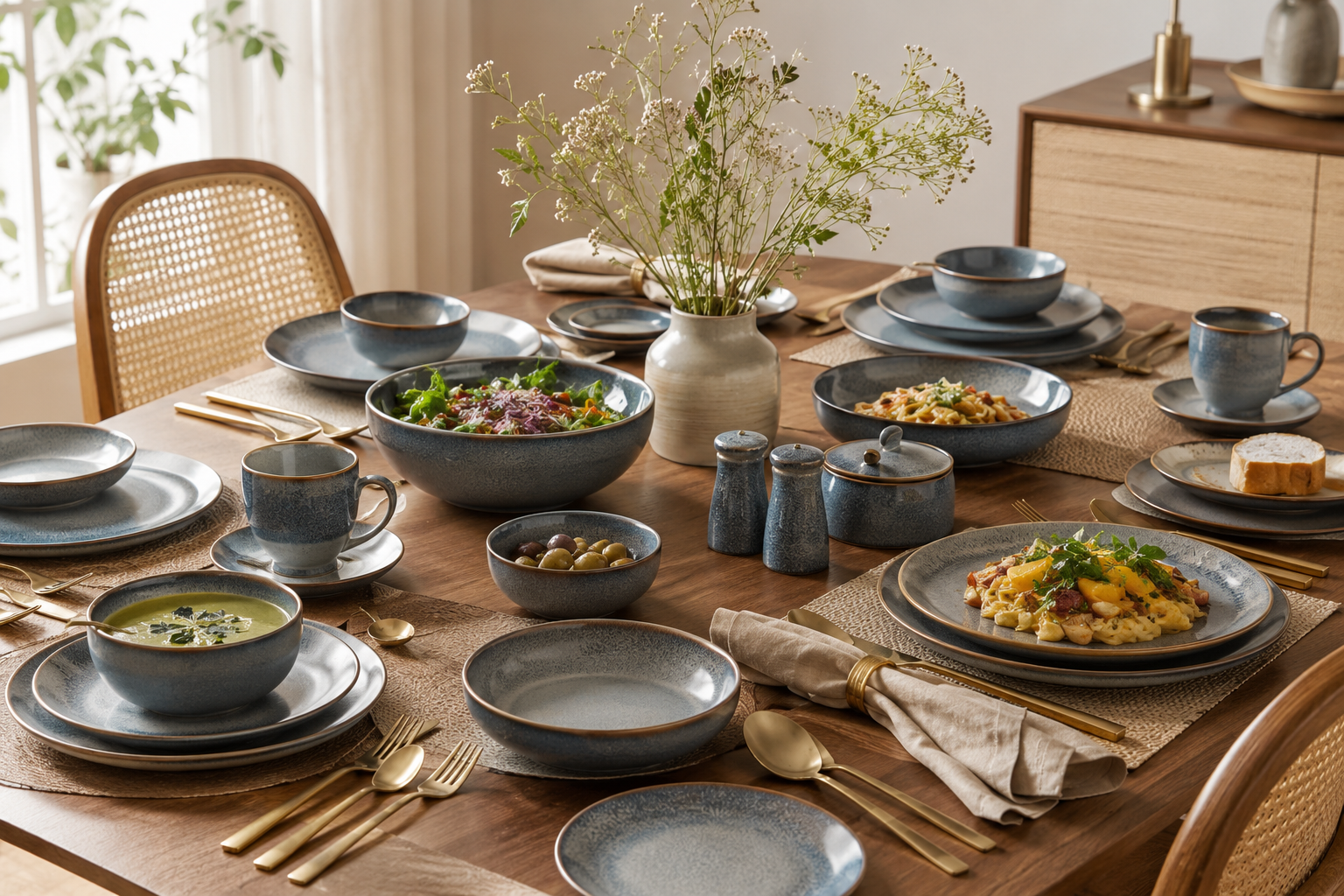
Before choosing machines, the factory owner should first decide what products the factory will mainly produce.
Common ceramic tableware products include:
- Dinner plates
- Salad plates
- Soup plates
- Shallow bowls
- Rice bowls
- Deep bowls
- Cups
- Mugs
- Saucers
- Flat dishes
- Hotel tableware
- Restaurant tableware
- Porcelain tableware
- Stoneware tableware
- Dinnerware sets
Different products require different forming methods. For example, standard plates and shallow bowls are usually suitable for jiggering lines. Deep bowls and irregular ceramic shapes may need high-pressure casting machines. Products with logos, patterns, or brand decoration may need pad printing equipment.
If the product range is not clear, machine selection can easily become inaccurate.
Step 2: Choose the Right Forming Machine
Forming is one of the first important steps in ceramic tableware production. For a new ceramic factory, choosing the right forming equipment will directly affect production efficiency and product consistency.
Jiggering Line for Plates and Shallow Bowls
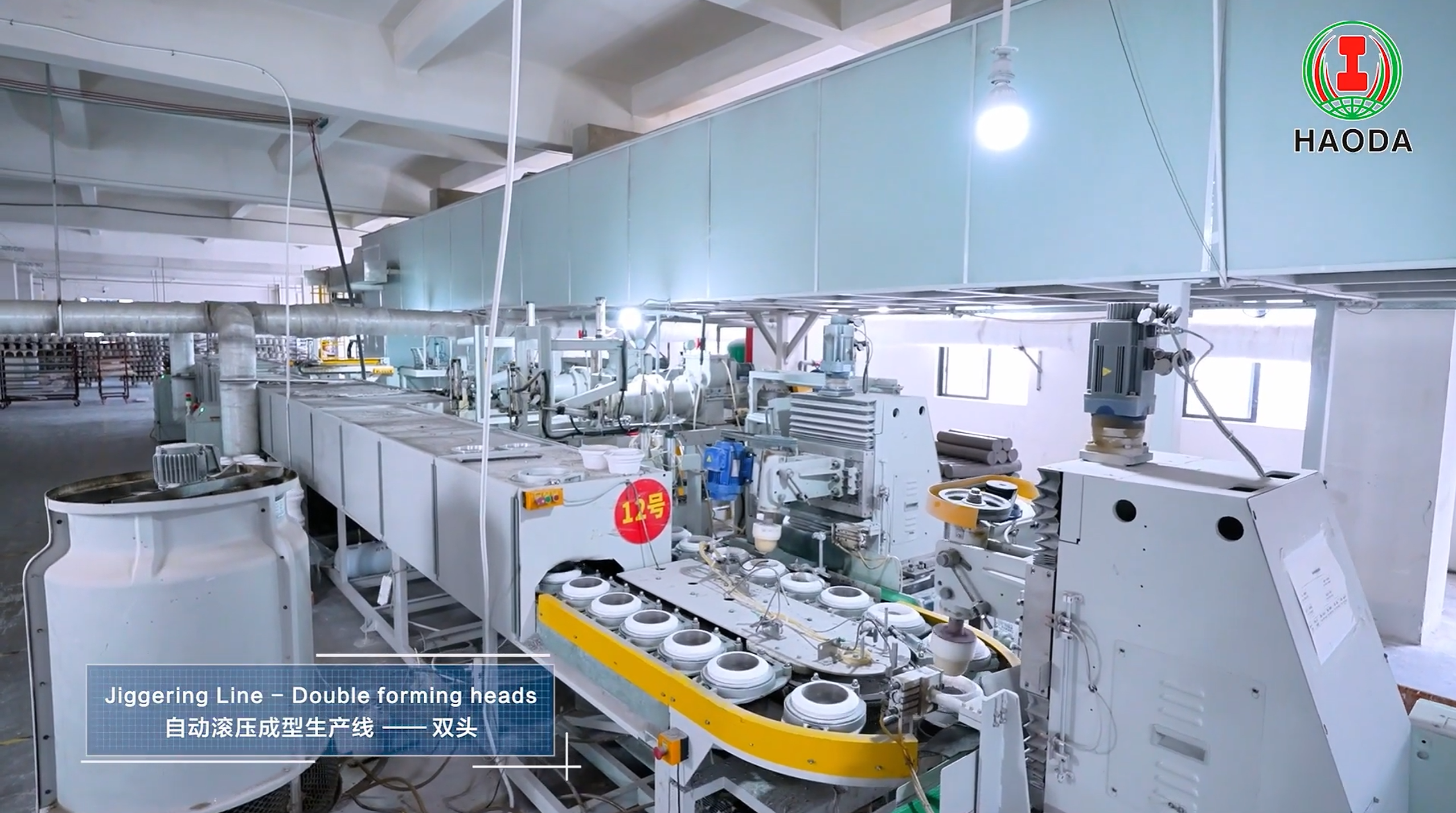
A jiggering line is suitable for regular-shaped ceramic products produced in medium or large batches.
Typical products include:
- Dinner plates
- Salad plates
- Soup plates
- Saucers
- Flat dishes
- Shallow bowls
- Some mug bodies
This machine is suitable for:
- Daily tableware manufacturers
- Export ceramic factories
- Hotel tableware producers
- Large-scale tableware factories
- Factories upgrading from manual forming
For a Southeast Asia ceramic factory that plans to produce standard plates and bowls, a jiggering line is usually one of the most important machines to consider.
You can view HAODA’s related ceramic machinery on the products page.
High-Pressure Casting Machine for Deep Bowls and Complex Shapes
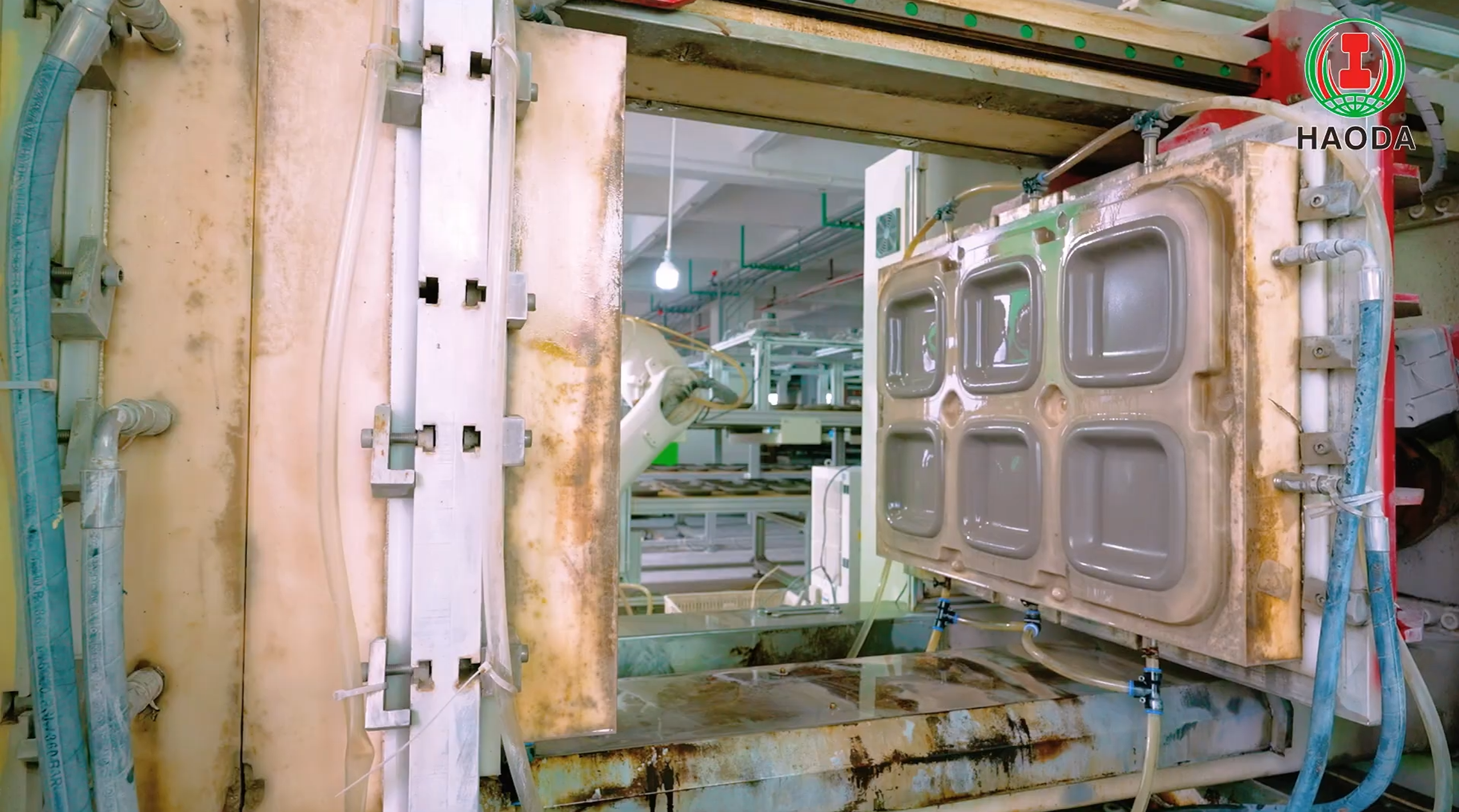
Some ceramic products cannot be handled well by regular forming equipment. If the factory plans to produce deeper or more complex shapes, high-pressure casting equipment may be more suitable.
Typical products include:
- Deep bowls
- Rice bowls
- Soup bowls
- Irregular tableware
- Thin-wall porcelain products
- Premium hotel tableware
- Airline tableware
- Complex ceramic shapes
This machine is suitable for factories that want to expand their product range and produce higher-value ceramic products.
For Southeast Asia buyers targeting hotels, restaurants, premium tableware brands, or export markets, high-pressure casting can support more product variety.
Step 3: Plan Glazing Equipment Based on Product Style
Glazing is not only a surface treatment step. It also affects product appearance, quality, and market positioning.
For a Southeast Asia ceramic factory setup, buyers should choose glazing equipment based on glaze type and product shape.
Dip Glazing Machine for White and Transparent Glaze
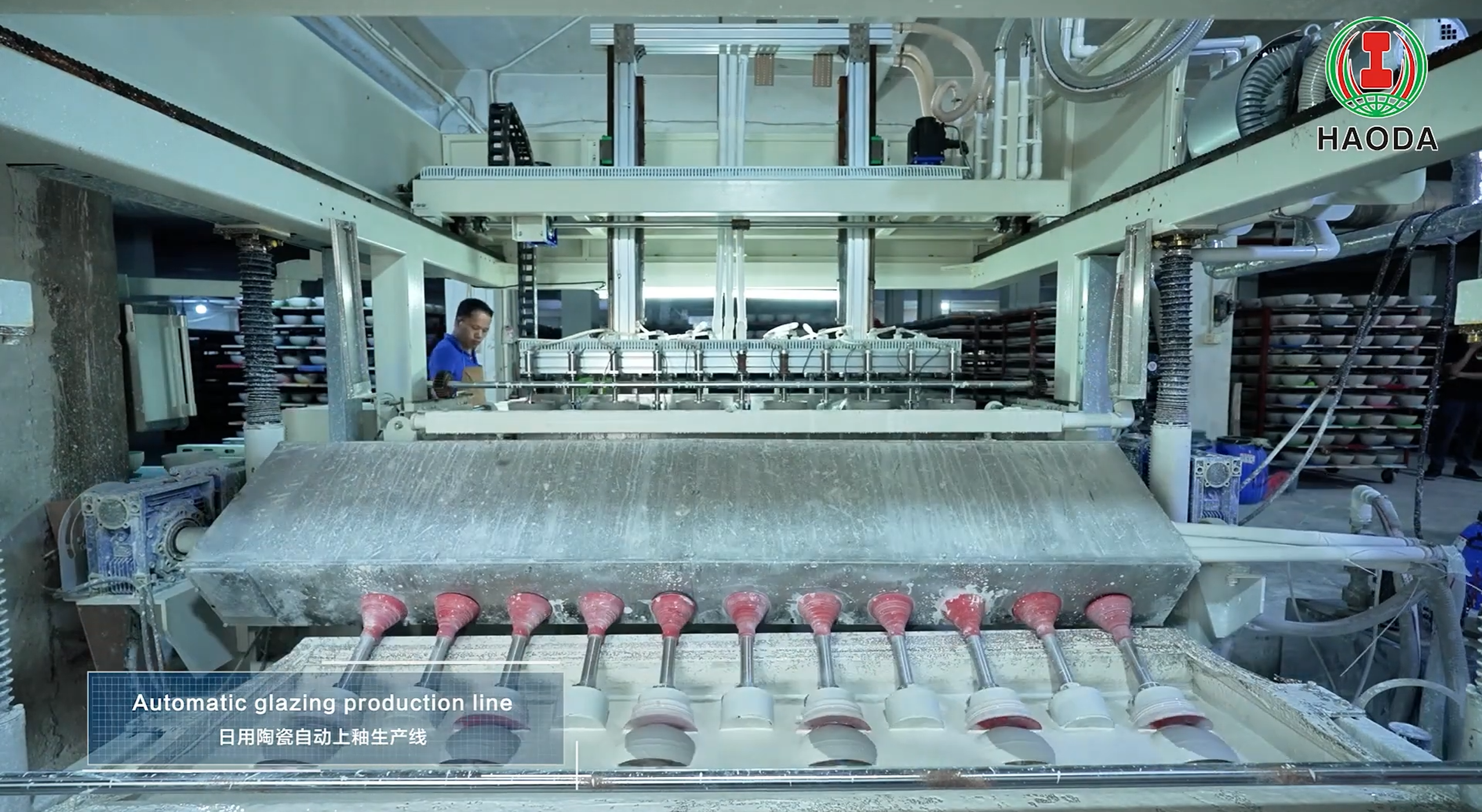
Dip glazing is suitable for standardized daily-use ceramic tableware.
It is commonly used for:
- White glaze
- Transparent glaze
- Basic functional glaze
- Standard plates
- Bowls
- Cups
- Mugs
- Daily tableware
Dip glazing is suitable for factories that need large-volume production with stable and simple glaze requirements.
Suitable customers include:
- Daily tableware factories
- OEM ceramic factories
- Export ceramic manufacturers
- Large-volume production workshops
If your factory mainly produces white tableware or transparent glaze products for household, restaurant, or supermarket markets, dip glazing can be a practical choice.
Spray Glazing Machine for Color Glaze and Decorative Products
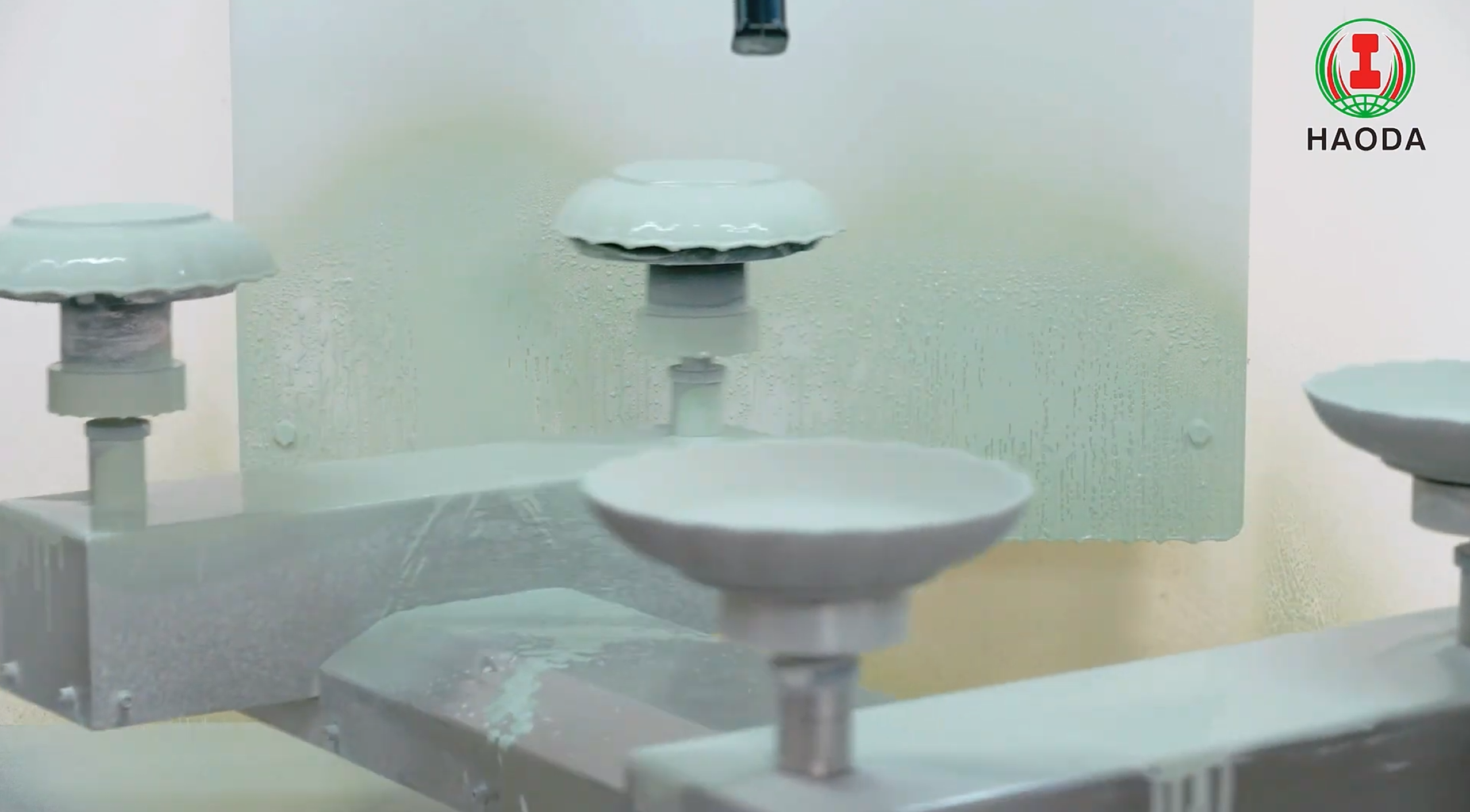
Spray glazing is more flexible than dip glazing. It is suitable for factories producing products with different glaze colors, decorative effects, or complex shapes.
Typical applications include:
- Color glaze tableware
- Matte glaze products
- Reactive glaze products
- Gradient glaze products
- Decorative bowls
- Irregular tableware
- Cups and mugs
- Vases
- Small and medium planters
Spray glazing is more suitable for:
- High-end tableware manufacturers
- Brand ceramic factories
- Export ceramic producers
- Color glaze product manufacturers
- Decorative ceramic product factories
If your factory wants to produce premium products or customized surface styles, spray glazing may be more suitable than dip glazing.
Step 4: Add Pad Printing for Logo and Pattern Decoration
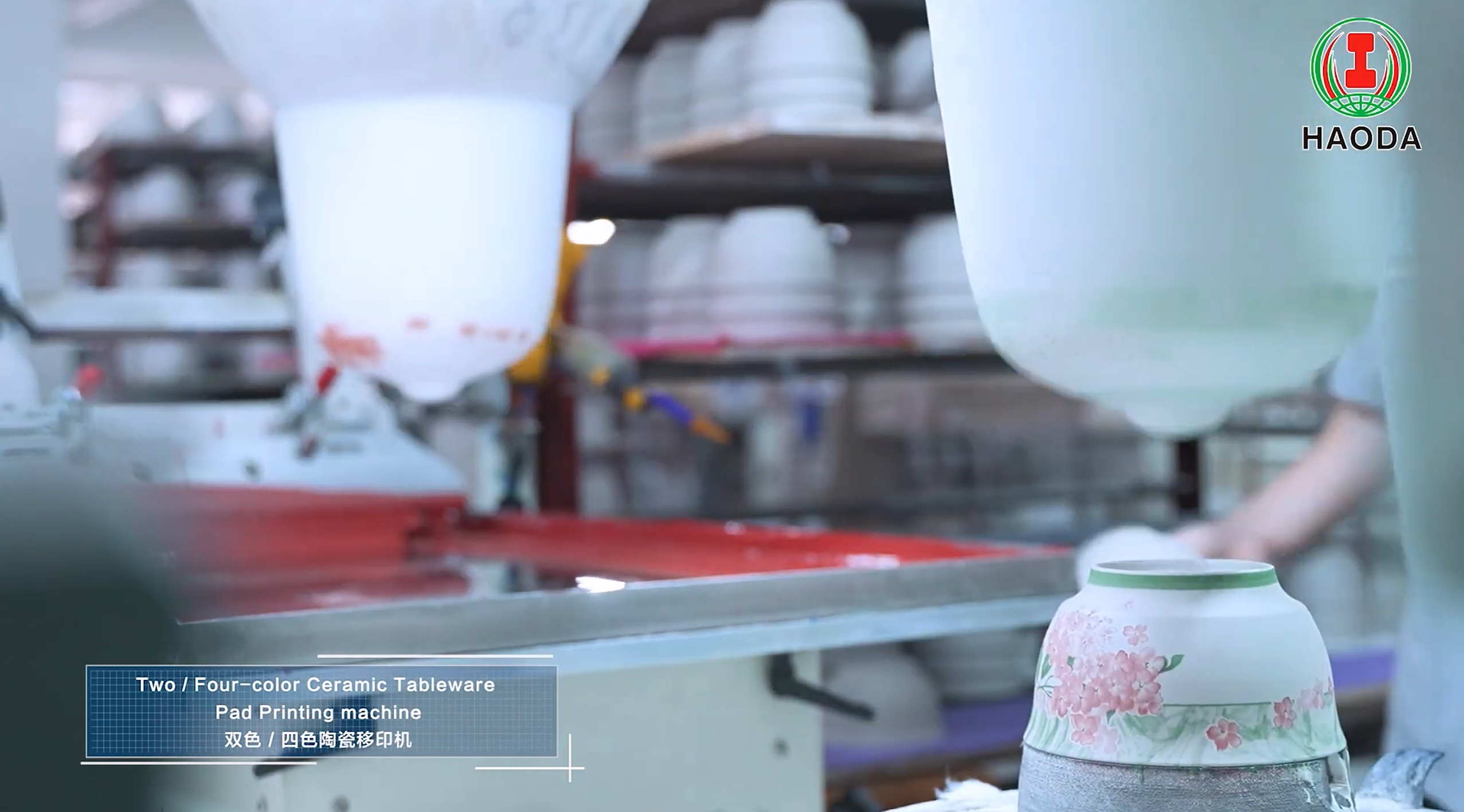
Many ceramic tableware factories in Southeast Asia do not only produce plain white products. They may also supply branded tableware, restaurant tableware, supermarket products, and customized OEM orders.
A pad printing machine is suitable for:
- Plate printing
- Bowl printing
- Cup printing
- Mug printing
- Saucer printing
- Logo printing
- Border decoration
- Multi-color patterns
- Brand decoration
This machine is especially useful for OEM ceramic factories and export tableware manufacturers.
For example, a factory supplying hotels may need logo printing on cups or plates. A factory supplying supermarkets may need decorative borders or seasonal designs. A factory working with overseas brands may need flexible pattern changes.
In these cases, pad printing equipment can help increase product value and support more order types.
Step 5: Plan the Factory Layout Before Buying Machines
A ceramic factory setup should not be planned machine by machine without considering the full production flow.
A basic ceramic tableware production layout usually includes:
- Raw material preparation area
- Forming area
- Drying area
- Casting area, if needed
- Glazing area
- Printing or decoration area
- Kiln connection area
- Inspection area
- Packing area
- Finished product storage area
If the layout is not planned well, the factory may face problems such as repeated material handling, crowded operation space, difficult maintenance, and low production efficiency.
Before buying machines, buyers should prepare factory layout information and workshop dimensions. This allows HAODA to help recommend a more suitable equipment arrangement.
For production line planning support, buyers can also refer to HAODA’s solutions page.
Step 6: Match Machines with Factory Size
Not every ceramic factory needs a full automatic production line at the beginning. The right setup depends on factory size, product type, budget, and production target.
Small Ceramic Factory Setup
A small ceramic factory may start with selected machines instead of a complete line.
Suitable equipment may include:
- Basic forming machine
- Semi-automatic jiggering support
- Dip glazing machine
- Simple printing equipment
- Flexible manual-assisted production process
This is suitable for:
- Local ceramic workshops
- Regional tableware producers
- Small OEM factories
- Factories testing new product lines
The goal is to start with practical equipment and upgrade later.
Medium Ceramic Factory Setup
A medium ceramic factory usually needs better production stability and more organized workflow.
Suitable equipment may include:
- Jiggering line
- High-pressure casting machine, if complex products are needed
- Dip glazing or spray glazing machine
- Pad printing machine
- Production line layout planning
This is suitable for:
- Daily tableware manufacturers
- Restaurant tableware producers
- Export ceramic factories
- OEM ceramic tableware suppliers
This type of factory needs a balance between capacity, flexibility, and investment control.
Large Ceramic Factory Setup
A large ceramic factory usually needs a more complete production line and better automation planning.
Suitable equipment may include:
- Automatic jiggering line
- High-pressure casting machine
- Automatic glazing production line
- Spray glazing machine
- Pad printing machine
- Integrated production line support
- Factory layout planning
This is suitable for:
- Export ceramic manufacturers
- Hotel tableware producers
- Large daily tableware factories
- Premium dinnerware suppliers
- Ceramic industrial park projects
For large projects, it is better to discuss machine selection, workshop layout, capacity target, product range, and future expansion together.
Typical Applications for Southeast Asia Ceramic Factories
A Southeast Asia ceramic factory can serve many different markets depending on its machine setup and product positioning.
Typical applications include:
- Daily household tableware
- Hotel tableware
- Restaurant supply
- Catering tableware
- Institutional dining
- Export ceramic plates
- Ceramic bowls
- Cups and saucers
- Dinnerware sets
- Porcelain tableware
- Stoneware tableware
- Premium ceramic tableware
- OEM ceramic products
- Brand tableware production
For basic household tableware, forming and dip glazing machines are usually important. For high-end tableware, spray glazing and printing equipment may become more important. For deep bowls or irregular shapes, high-pressure casting equipment should be considered.
What Should Buyers Prepare Before Asking for a Factory Setup Solution?
To get a more accurate ceramic factory setup recommendation, buyers should prepare practical information before contacting the supplier.
Send HAODA:
- Product photos
- Product drawings
- Product size
- Product material, such as porcelain or stoneware
- Main product type, such as plate, bowl, cup, or mug
- Glaze type, such as white glaze, transparent glaze, color glaze, or matte glaze
- Required daily or monthly capacity
- Factory layout drawing
- Workshop size
- Current production process, if it is an upgrade project
- Target market, such as local retail, hotel, restaurant, or export
- Budget range, if available
This information helps the supplier understand whether your project needs a single machine, several machines, or a more complete production line.
Why Choose HAODA for Southeast Asia Ceramic Factory Setup?
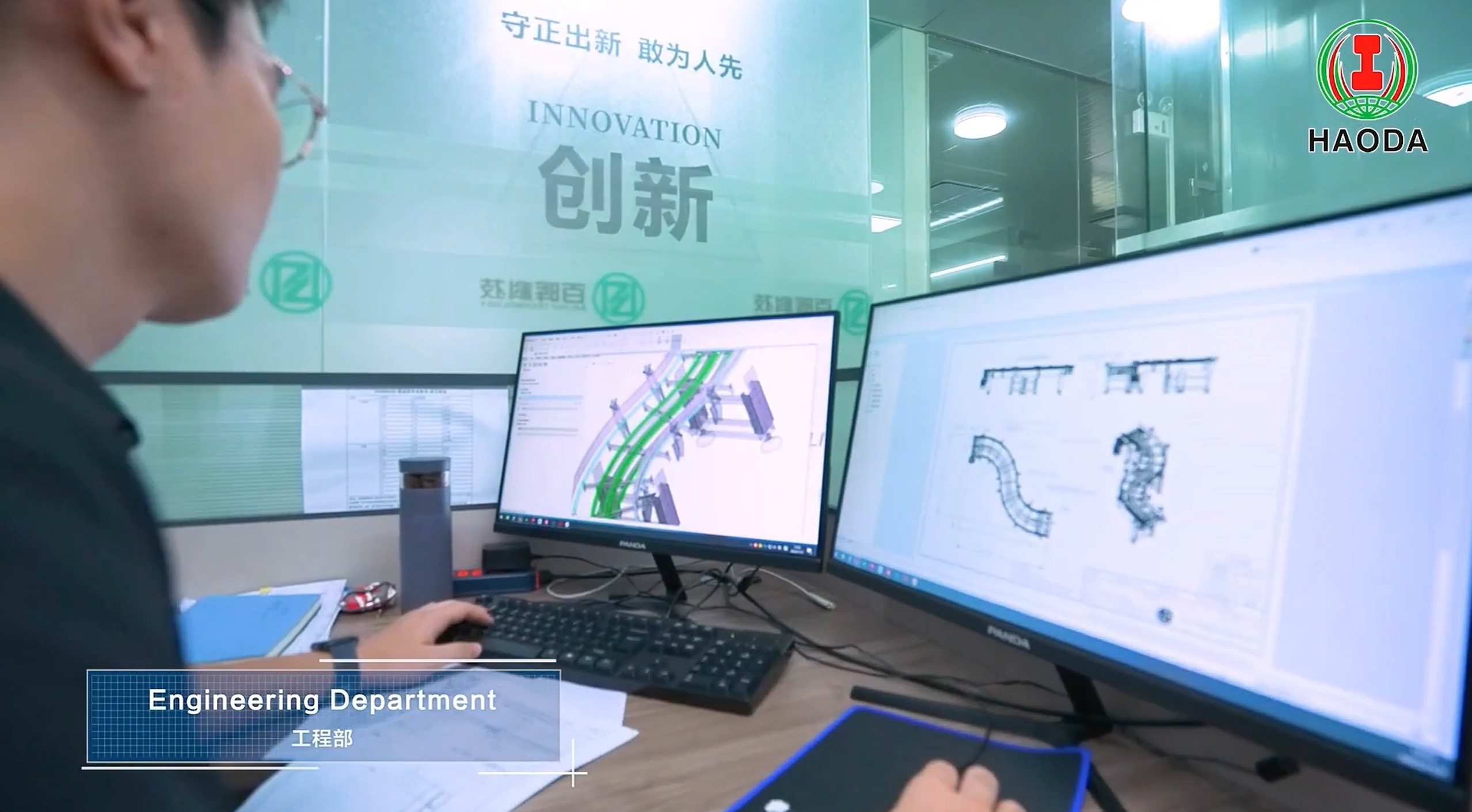
HAODA focuses on ceramic tableware machinery and production line solutions. For a ceramic factory setup project, HAODA can help buyers think beyond a single machine and consider the full production process.
HAODA can support:
- Ceramic tableware machine selection
- Jiggering line recommendation
- High-pressure casting machine selection
- Glazing machine recommendation
- Pad printing machine support
- Production line planning
- Factory layout discussion
- Product-based machine configuration
- Installation and operation communication
For Southeast Asia buyers, this is helpful when planning a new ceramic factory or upgrading an existing production workshop.
You can learn more about HAODA’s company background and manufacturing capability on the about us page.
FAQ
1. What is a Southeast Asia ceramic factory setup?
A Southeast Asia ceramic factory setup refers to planning and building a ceramic production facility in Southeast Asia, including machine selection, factory layout, forming, glazing, printing, and production process planning.
2. What machines are needed for a ceramic tableware factory?
Common machines include jiggering lines, high-pressure casting machines, dip glazing machines, spray glazing machines, pad printing machines, and other production line support equipment.
3. Which machine is suitable for ceramic plates?
A jiggering line is suitable for standard ceramic plates, shallow bowls, saucers, and flat dishes produced in medium or large batches.
4. Which machine is suitable for deep bowls?
Deep bowls, rice bowls, soup bowls, irregular shapes, and thin-wall porcelain products are usually more suitable for high-pressure casting machines.
5. Should I choose dip glazing or spray glazing?
Dip glazing is suitable for white glaze, transparent glaze, and standardized daily tableware. Spray glazing is suitable for color glaze, decorative glaze, complex shapes, and high-end ceramic products.
6. Can HAODA help plan a new ceramic factory?
Yes. HAODA can help buyers select suitable machines and discuss production line planning based on product type, capacity, factory layout, and target market.
7. Is a ceramic factory setup suitable for small investors?
Yes. Small investors can start with selected machines and gradually upgrade the production process as order volume and product range grow.
8. Can the production line support hotel tableware?
Yes. Depending on the product design, HAODA machines can support hotel plates, bowls, cups, saucers, dinnerware sets, and premium porcelain tableware.
9. What information should I send before asking for a solution?
You can send product photos, drawings, sizes, material type, glaze type, capacity requirements, workshop size, and factory layout.
10. How can I get a layout design for my ceramic factory?
You can contact HAODA with your product range, capacity target, and workshop dimensions. HAODA can help review the project and suggest a suitable production line layout.
Conclusion
A successful Southeast Asia ceramic factory setup starts with clear product planning. Buyers should first define whether they want to produce plates, bowls, cups, hotel tableware, restaurant supply products, export ceramics, or premium dinnerware sets. Then they can choose suitable forming, casting, glazing, and printing machines.
For standard plates and shallow bowls, a jiggering line is important. For deep bowls and complex shapes, high-pressure casting equipment may be needed. For white and transparent glaze products, dip glazing can be practical. For color glaze and decorative products, spray glazing is more suitable. For logo and pattern decoration, pad printing equipment can support OEM and brand tableware orders.
If you are planning a ceramic factory in Southeast Asia, send HAODA your product photos, drawings, product size, capacity target, glaze type, and factory layout.
Contact HAODA to get machine selection support, factory layout suggestions, and a ceramic tableware production line solution for your project.