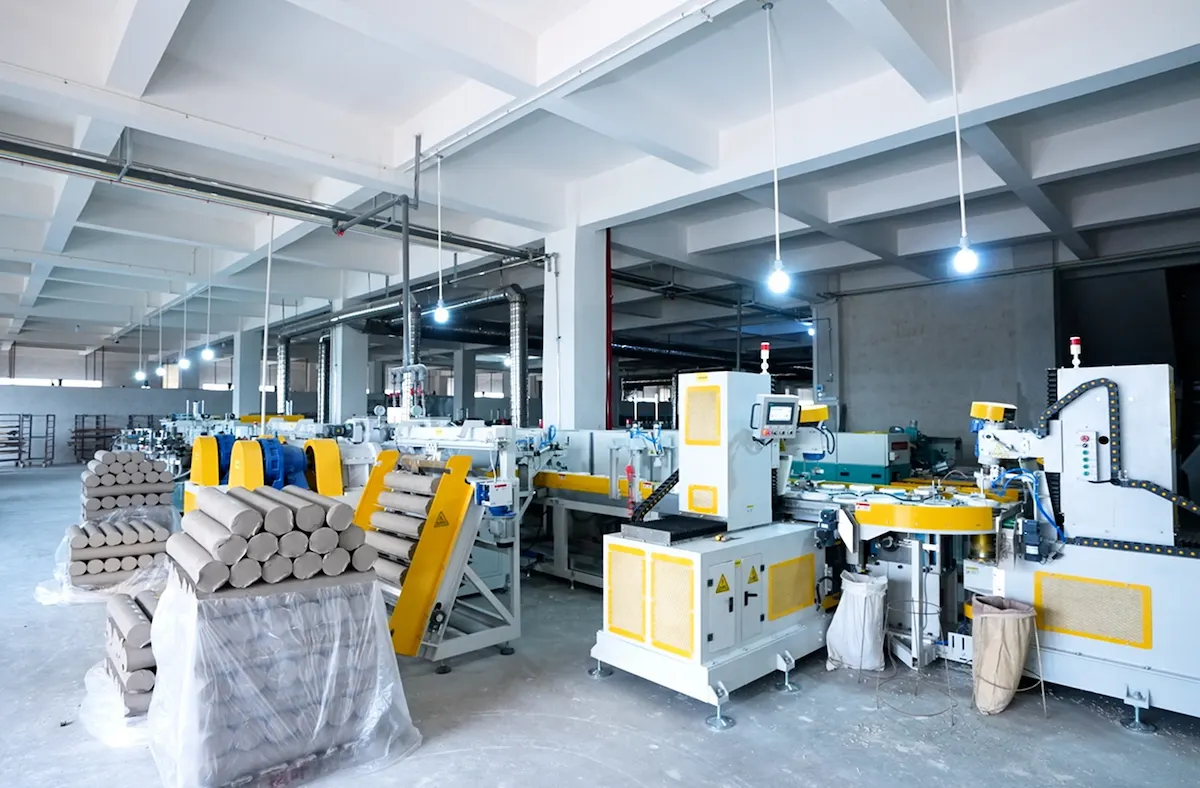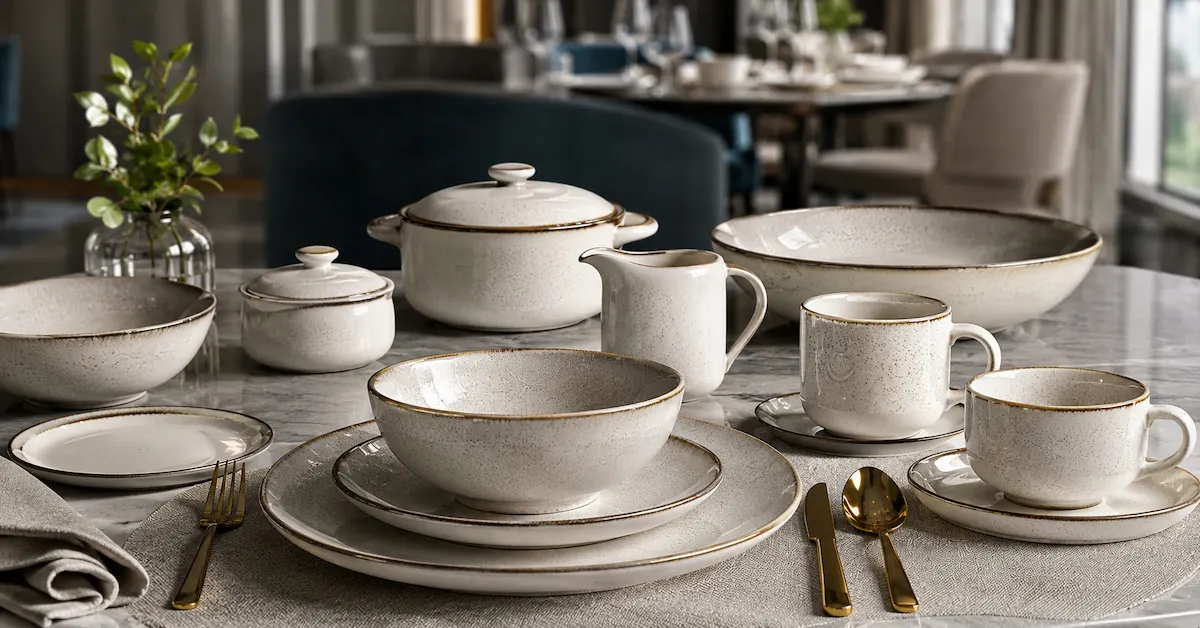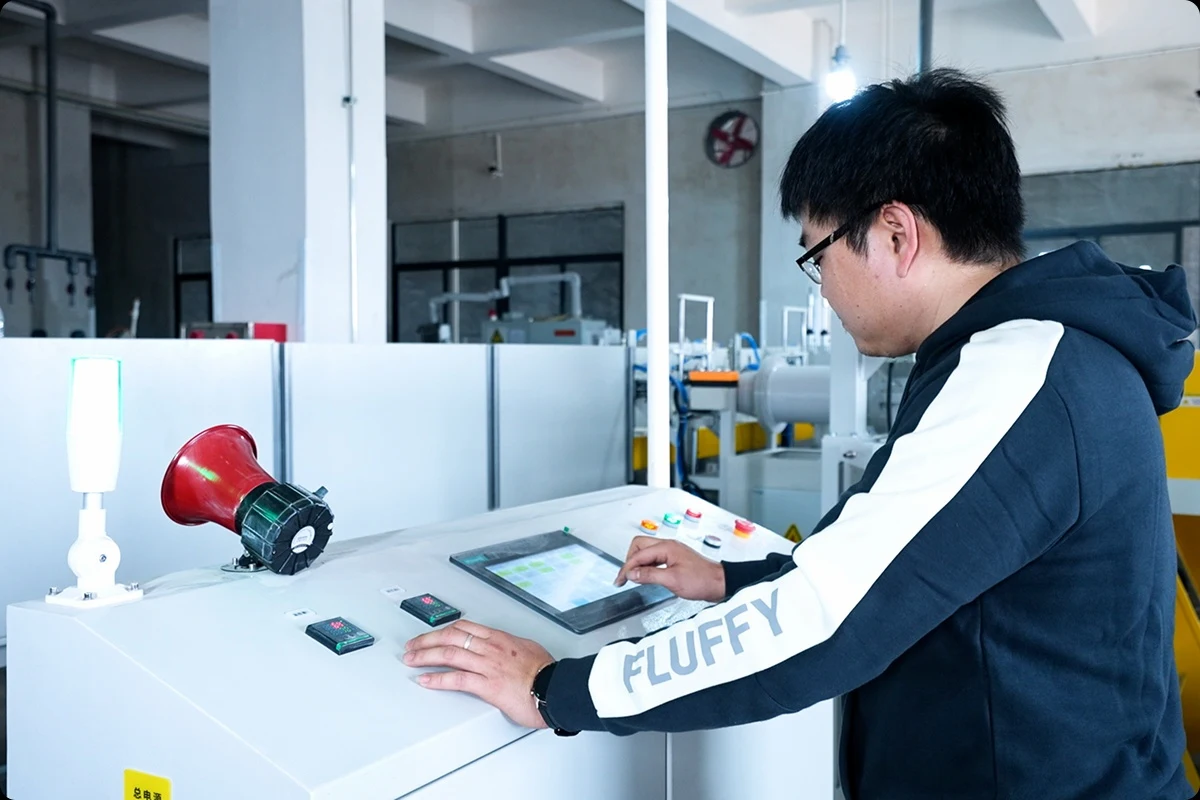

An affordable glaze spraying line should help a ceramic factory improve glazing consistency without paying for functions that do not match its products or order volume.
For many daily tableware manufacturers, OEM ceramic factories, and growing export suppliers, the goal is not to purchase the largest possible production line. The more practical goal is to select a spraying system that can handle current products, fit the workshop, remain easy to operate, and support future product development.
A factory producing standard white plates has different needs from a manufacturer producing matte bowls, color-glazed mugs, decorative dinnerware, or irregular ceramic products. The right configuration therefore depends on product shape, glaze type, capacity, automation requirements, and factory layout.
HAODA Machinery provides ceramic glazing equipment and production line planning support for tableware factories with different product ranges and production scales.
Quick Answer: What Makes a Glaze Spraying Line Affordable?

An affordable line is not simply the machine with the lowest purchase price. It is a configuration that gives the factory the functions it will actually use while avoiding unnecessary stations, oversized capacity, or complex options.
A practical spraying line should:
- Match the size and shape of the ceramic products
- Support the required glaze types
- Provide stable spray coverage
- Fit the available workshop space
- Be manageable for the factory’s operators
- Allow suitable maintenance access
- Connect with the existing production process
- Leave room for reasonable future expansion
The most economical solution is usually based on actual products rather than a standard machine package.
Which Products Are Suitable for a Glaze Spraying Line?
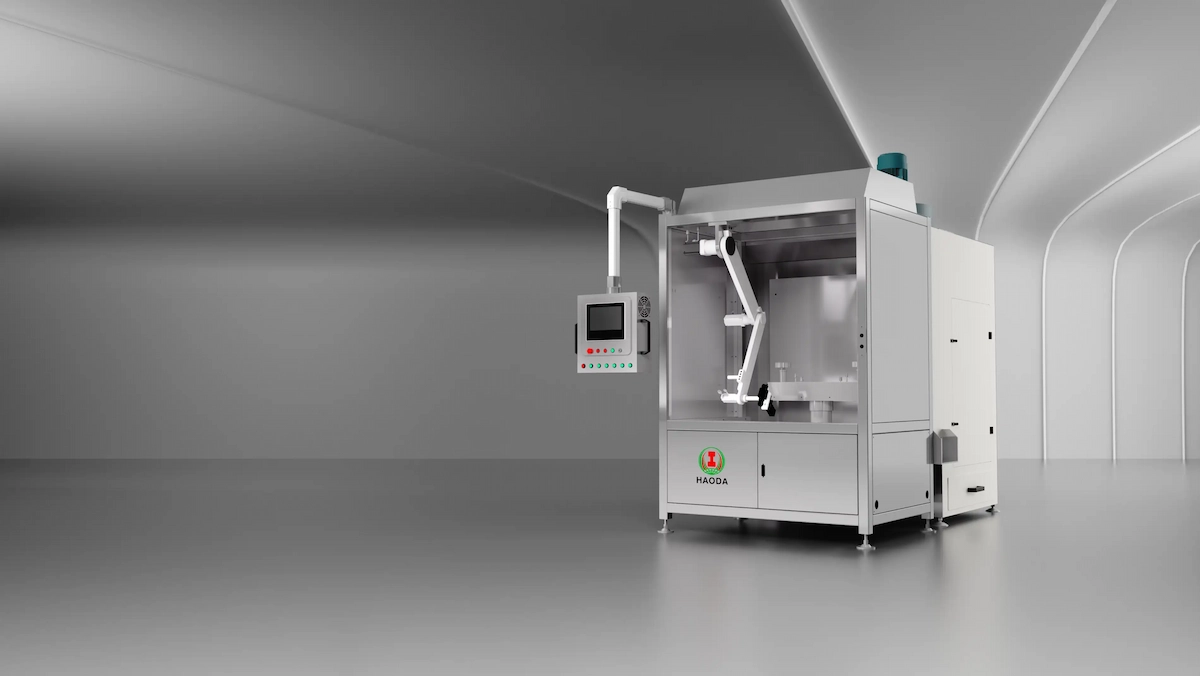
Spray glazing is suitable for factories that need more flexibility than a basic dipping process can provide.
Typical product applications include:
- Ceramic plates
- Shallow and deep bowls
- Cups and mugs
- Saucers
- Hotel and restaurant tableware
- Color-glazed dinnerware
- Decorative tableware
- Irregular ceramic shapes
- Small and medium vases
- Ceramic planters
- OEM branded ceramic products
An affordable glaze spraying line is especially useful when a factory produces several product shapes or needs to change glaze colors and surface effects between orders.
For example, an OEM factory may produce white restaurant bowls in one order and matte color-glazed mugs in the next. A flexible spray glazing system can support these changes more easily than a process designed only for one standard product.
Which Glaze Types Can Be Applied?
Ceramic spray glazing equipment can be used with different glaze systems, depending on the product and production process.
Common applications include:
- Transparent glaze
- White glaze
- Color glaze
- Matte glaze
- Reactive glaze
- Gradient glaze
- Decorative glaze
- Special surface-effect glaze
Factories producing simple white or transparent glaze products may not need the same configuration as manufacturers producing several colors and decorative finishes.
Before selecting equipment, buyers should confirm how often glaze colors change, whether the products have complex surfaces, and whether different spray programs are required.
Spray Glazing or Dip Glazing: Which Is More Economical?
Dip glazing and spray glazing serve different production needs.
Dip glazing is often practical for factories producing:
- Standardized tableware
- White glaze products
- Transparent glaze products
- Large quantities of similar plates, bowls, cups, or mugs
Spray glazing is usually more suitable for factories producing:
- Multiple glaze colors
- Decorative surfaces
- Irregular shapes
- Premium tableware
- Matte or reactive finishes
- Products requiring flexible spray angles
If a factory only produces large batches of simple white tableware, dip glazing may offer a more straightforward investment.
If the factory needs color variation, complex products, or flexible order changes, an affordable spray glazing line may provide better long-term value because it supports a wider product range.
What Equipment Does a Practical Spraying Line Need?
A spraying line can be configured according to the product flow rather than built with every available option.
The essential functions normally relate to:
- Product loading and positioning
- Stable product rotation or movement
- Controlled glaze spraying
- Spray-area protection and collection
- Glaze circulation or supply
- Operating controls
- Product unloading or transfer
Depending on the project, a factory may also consider extra stations, automated conveying, recipe storage, self-learning controls, drying connections, or line integration.
These options can improve automation, but they also affect the final price. Buyers should separate essential requirements from optional upgrades before requesting a quotation.
You can review HAODA’s ceramic machinery categories on the products page.
What Affects the Price of an Affordable Glaze Spraying Line?
Product Size and Shape
Larger plates, deep bowls, mugs with handles, and irregular products may require different fixtures, spray paths, or working space.
Sending product drawings and photos helps the supplier determine whether one machine configuration can cover the complete product range.
Number of Spraying Stations
A smaller factory may only require a compact configuration. A factory with higher output or more complex glazing steps may need additional stations.
More stations are not automatically better. The correct number should match the desired capacity and glaze process.
Automation Level
Manual loading with automatic spraying may be suitable for one factory, while another may need conveying, automatic positioning, and integrated unloading.
The buyer should evaluate where automation provides real production value and where operator assistance remains practical.
Glaze Change Requirements
Factories that frequently switch colors or glaze types may need easier cleaning, separate supply arrangements, or stored operating programs.
A factory using one glaze for long production runs may require a simpler configuration.
Factory Layout
Available workshop space affects line length, loading direction, maintenance access, and connection with drying or inspection areas.
A suitable layout prevents the factory from purchasing a line that is difficult to install or operate.
Optional Functions
Self-learning spray programs, robotic spraying, additional booths, conveying systems, and production-line integration can all affect the quotation.
These functions should be selected according to product and business needs rather than added only because they are available.
Suitable Factory Scenarios
Small Ceramic Factories
A small factory may need a compact spraying solution for mugs, bowls, decorative products, or small OEM orders.
The priority should be flexible operation, manageable investment, and easy product changeover.
Medium Tableware Manufacturers
Medium factories often produce several product types and need a balance between output and flexibility.
An affordable glaze spraying line can support daily tableware, hotel products, color-glazed items, and regional export orders without requiring the largest automatic configuration.
Large Export Factories
Large factories may need the spraying equipment to connect with conveying, drying, inspection, or other production sections.
For these projects, affordability should be evaluated across the complete production process rather than by the price of one spraying machine.
Common Buying Mistakes
One common mistake is asking for the lowest price before confirming the product range. A machine may appear affordable but become unsuitable when the factory starts producing larger bowls or different glaze colors.
Another mistake is buying too many optional functions at the beginning. This increases investment and may make operation more complicated without improving current production.
Factories should also avoid ignoring workshop layout. A line that does not fit the available space can create additional installation and modification costs.
Finally, buyers should not compare quotations only by machine name. Two glaze spraying lines may have different working sizes, station arrangements, control functions, or included services.
What Should Buyers Send Before Requesting a Quote?
To recommend a suitable affordable glaze spraying line, HAODA needs practical production information.
Send:
- Product photos
- Product drawings
- Product diameter, height, and depth
- Product types, such as plates, bowls, cups, or mugs
- Glaze types and colors
- Required daily or monthly capacity
- Number of product models
- Factory layout or workshop dimensions
- Current glazing method
- Installation country
- Future product plans
This information helps determine the suitable working size, number of stations, automation level, and line arrangement.
Why Work with HAODA?
HAODA focuses on ceramic tableware machinery and production line solutions. Instead of recommending a fixed configuration for every customer, the team can review the buyer’s products, glaze process, capacity, and workshop before discussing the equipment.
HAODA can support:
- Glaze spraying machine selection
- Station configuration
- Product-based spray planning
- Factory layout discussion
- Production line matching
- Installation communication
- Operator training support
- Future line expansion planning
Learn more about the company’s ceramic machinery experience on the HAODA About Us page.
FAQ
What is an affordable glaze spraying line?
It is a ceramic spraying system configured around the factory’s actual products, glaze types, capacity, and workshop. It should provide the required glazing functions without adding unnecessary stations or automation that the factory does not currently need.
Is spray glazing suitable for white tableware?
Yes. Spray glazing can apply white and transparent glaze, especially when products have complex shapes or require controlled surface coverage. For very simple standardized products in large batches, buyers should also compare whether dip glazing is more practical.
Can one spraying line handle plates, bowls, and mugs?
It may be possible when the working size, fixtures, spray path, and controls are designed for the full product range. Buyers should submit drawings and dimensions so the supplier can confirm compatibility before quotation.
Is a self-learning spray machine necessary?
It depends on product variety and order changes. Factories producing many shapes may benefit from stored spray programs and easier adjustment. A factory producing one simple product continuously may not need the same control level.
How can a factory reduce the initial investment?
Start with essential spraying functions, confirm realistic capacity, avoid unnecessary stations, and reserve space for later expansion. Buyers should prioritize product compatibility and stable operation rather than purchasing every optional feature immediately.
What information is needed for an accurate quotation?
Provide product photos, dimensions, glaze types, capacity, current process, workshop layout, installation country, and future product plans. This allows HAODA to recommend a suitable configuration instead of offering a generic machine price.
Conclusion
Choosing an affordable glaze spraying line requires more than comparing the lowest quotations. The right line should match product size, glaze type, order volume, workshop space, operator ability, and future product development.
Dip glazing may be practical for standardized white or transparent tableware. Spray glazing is more suitable for color glaze, decorative finishes, complex shapes, and flexible OEM production.
Send HAODA your product photos, drawings, glaze types, capacity target, and factory layout to receive a suitable glazing equipment recommendation.
Contact HAODA to request line configuration support, capacity discussion, and a quotation for your ceramic tableware factory.