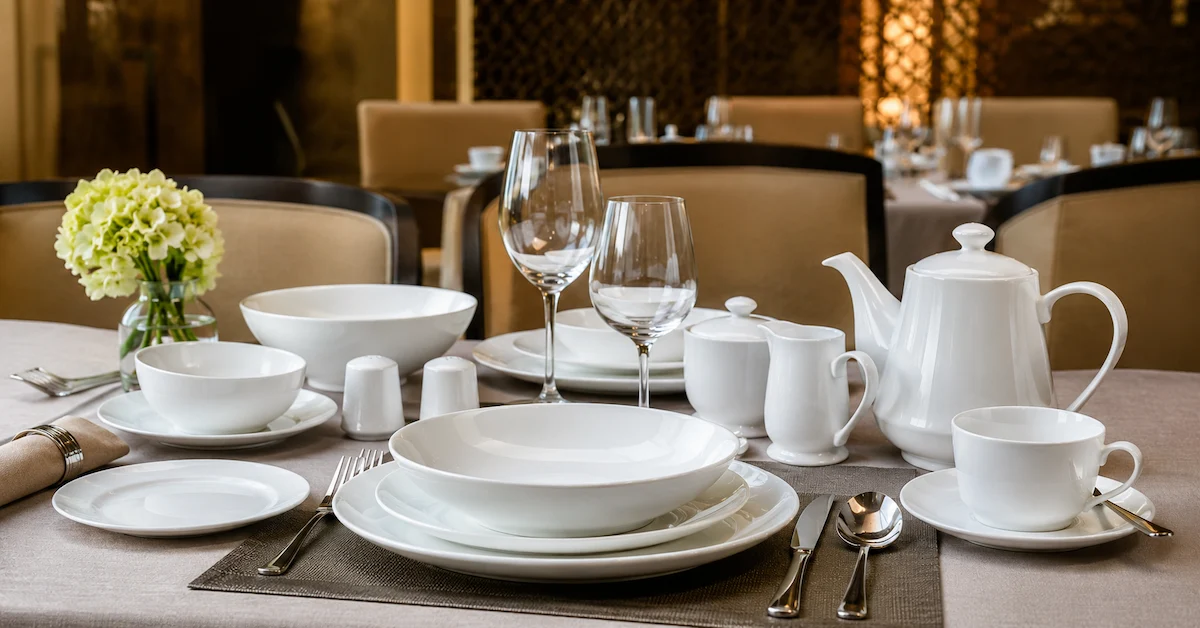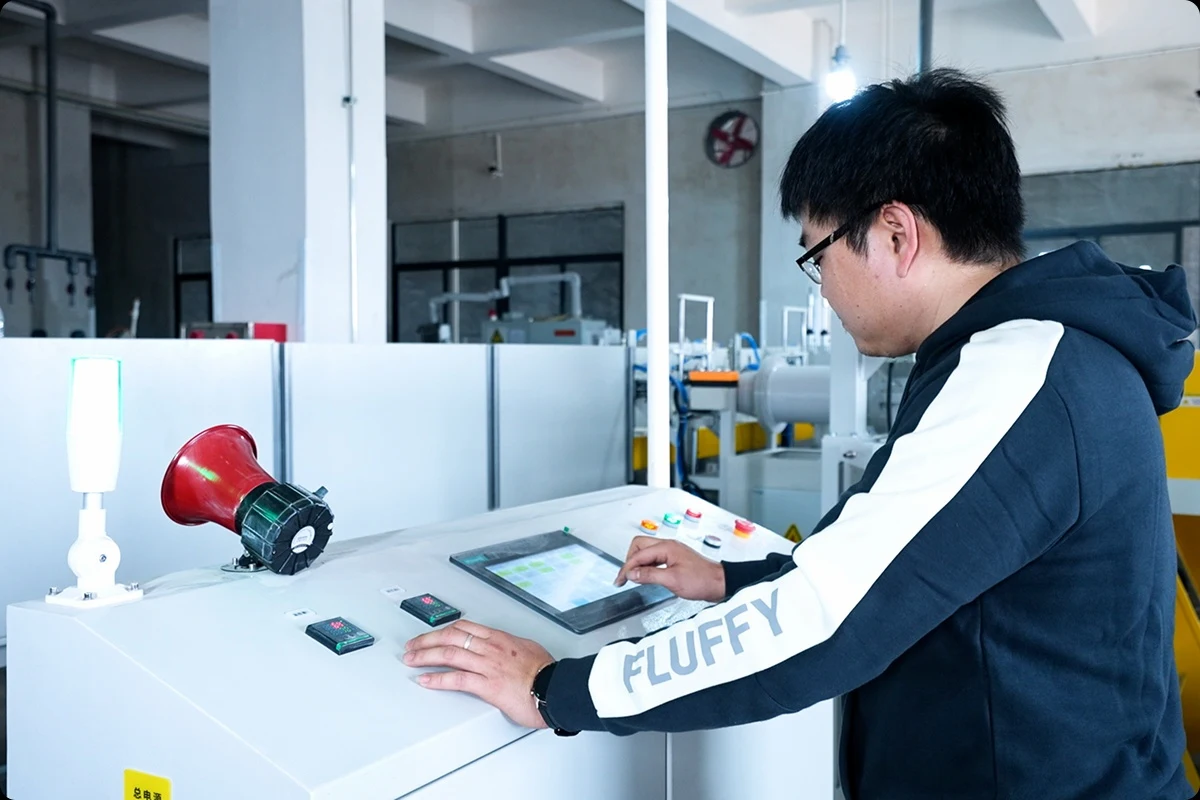

Many buyers search how to build ceramic tableware factory because they want to move from trading to production, expand local ceramic manufacturing, or build a new production line for export tableware orders.
But building a ceramic tableware factory is not only about buying machines. A successful project should start with product planning, factory layout, equipment matching, installation preparation, and clear production goals.
A factory producing daily household tableware may need a different setup from a factory serving hotels, restaurants, airline tableware buyers, or OEM ceramic brands. Before choosing machines, buyers should first understand what products they want to produce and what market they want to serve.
HAODA Machinery supports ceramic tableware factories with forming, casting, glazing, printing, and production line planning for new factory setup and factory upgrade projects.
Decide What Ceramic Tableware You Want to Produce
The first step is not choosing a machine. It is confirming your product range.
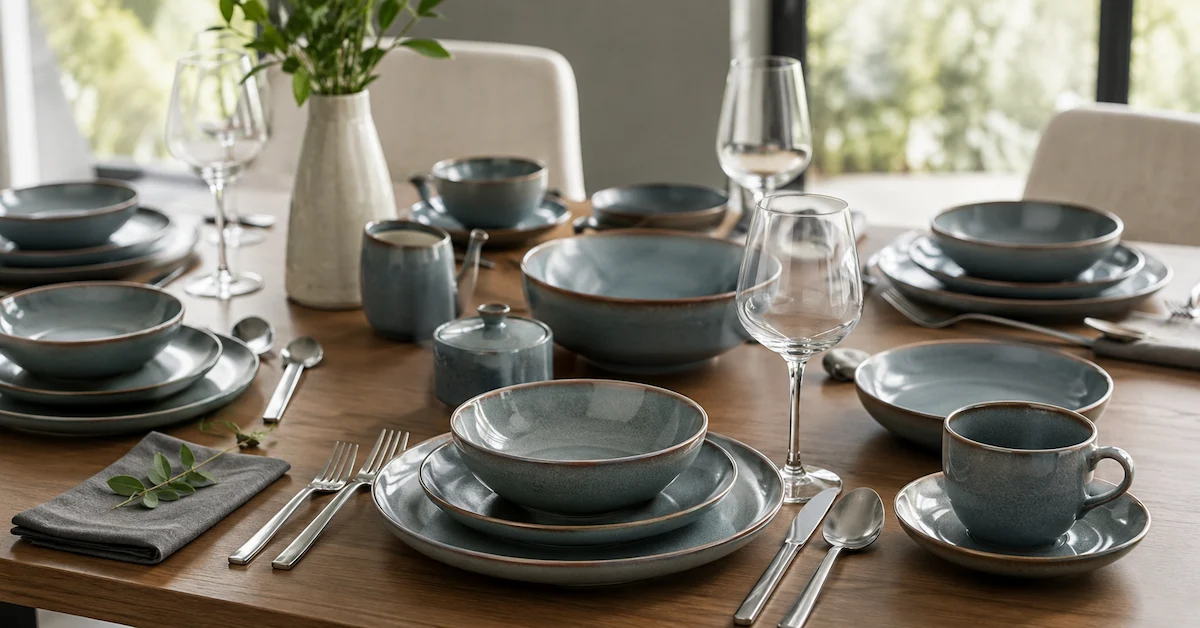
Common ceramic tableware products include:
- Dinner plates
- Salad plates
- Soup plates
- Flat dishes
- Shallow bowls
- Deep bowls
- Rice bowls
- Soup bowls
- Cups
- Mugs
- Saucers
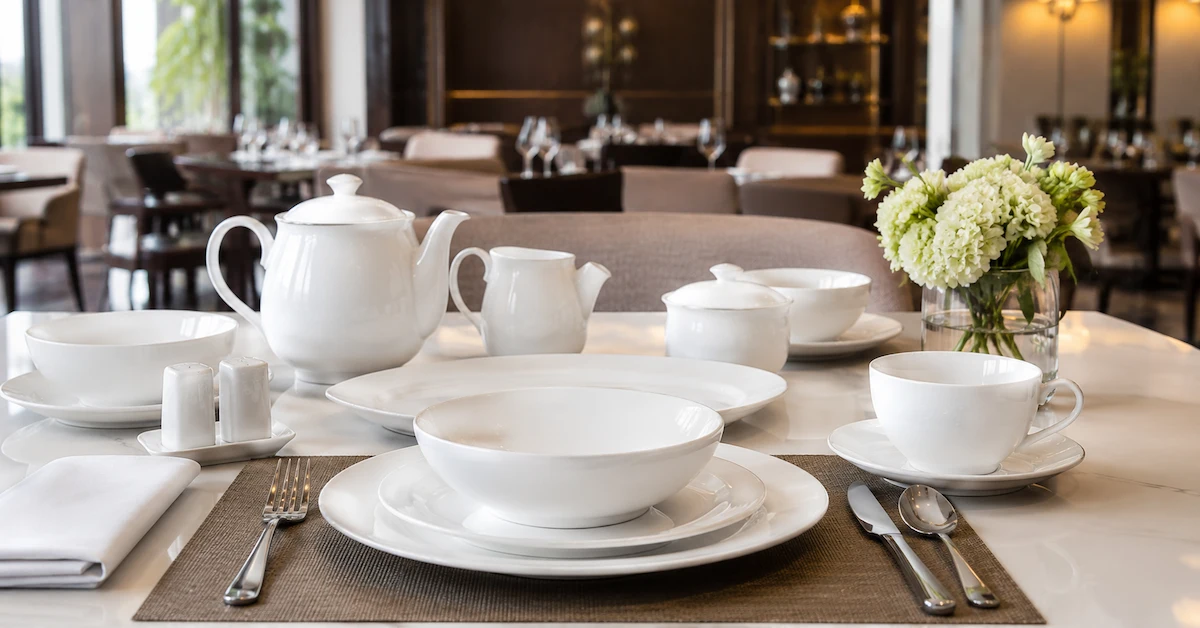
- Hotel tableware
- Restaurant tableware
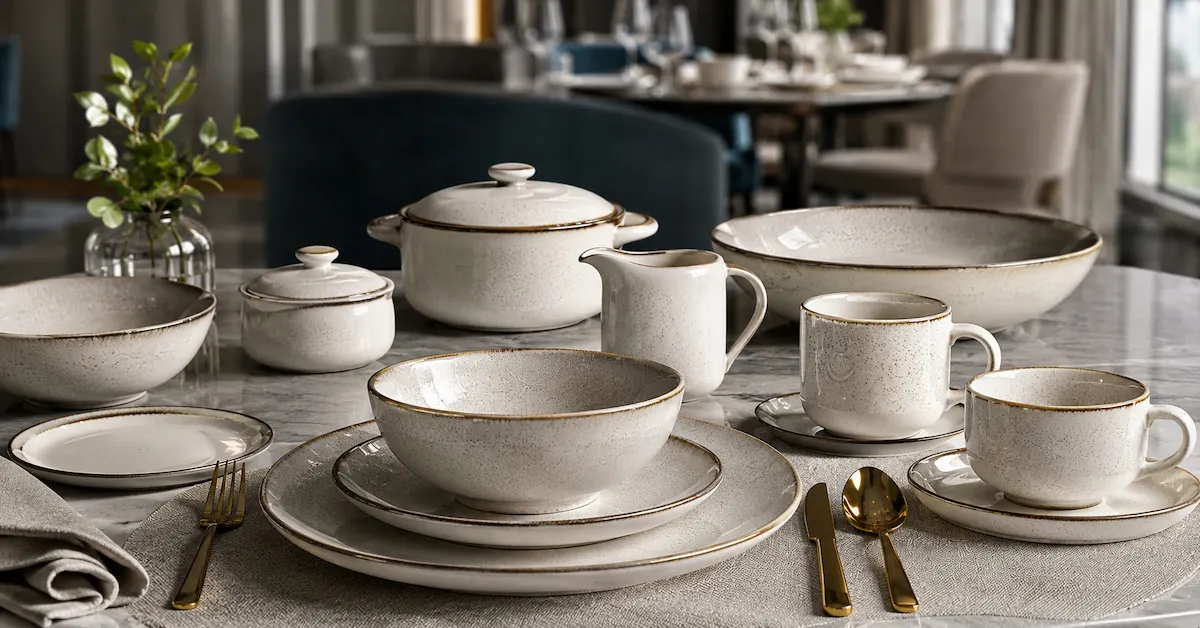
- Porcelain tableware
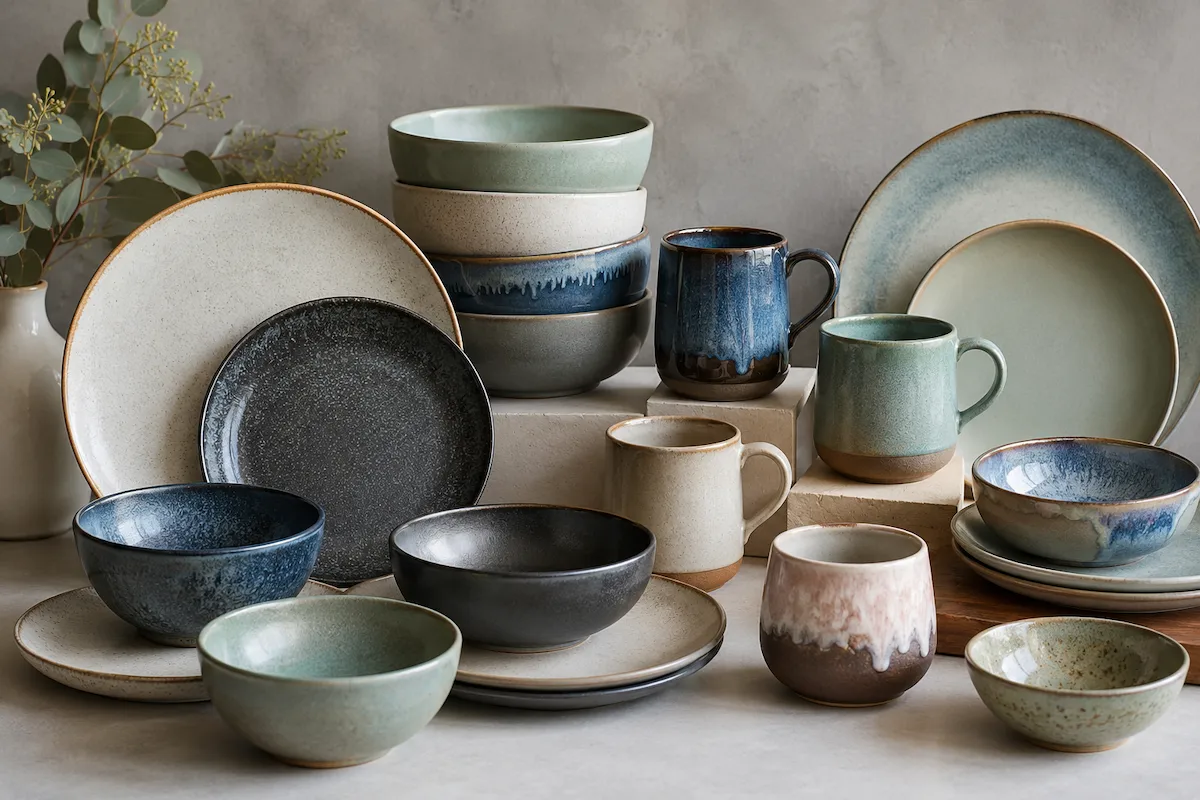
- Stoneware tableware
- Dinnerware sets
Different products need different production methods.
For example, standard plates and shallow bowls are usually suitable for a ceramic jiggering line. Deep bowls, irregular shapes, and thin-wall porcelain products may need high-pressure casting equipment. If the factory wants to produce branded cups, restaurant plates, or OEM tableware, pad printing equipment may also be required.
A clear product list helps the supplier recommend a better machine configuration.
Choose the Right Forming Equipment
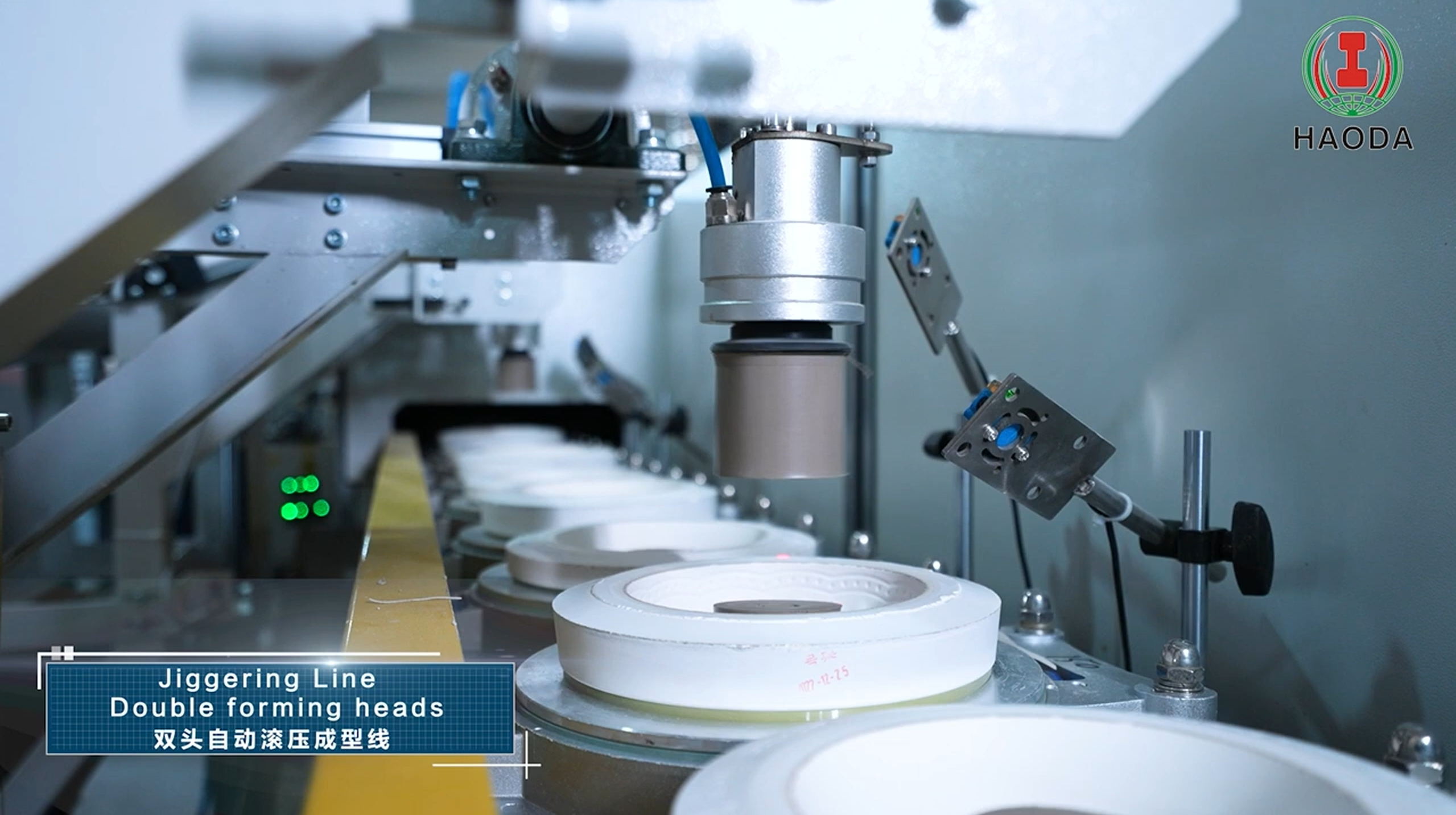
Forming is one of the most important stages in ceramic tableware production. If the forming process is unstable, later glazing, printing, and inspection will become more difficult.
For standard products such as plates, saucers, flat dishes, and shallow bowls, a ceramic jiggering line is commonly used.
A jiggering line is suitable for:
- Dinner plates
- Salad plates
- Soup plates
- Flat dishes
- Saucers
- Shallow bowls
- Some mug bodies
This type of equipment is suitable for:
- Daily tableware factories
- Hotel tableware producers
- Export ceramic manufacturers
- Large-scale ceramic factories
- Factories upgrading from manual production
For a new ceramic tableware factory, the forming section should be planned according to product size, mold type, production target, and workshop space.
You can review HAODA’s ceramic machinery options on the products page.
Add High-Pressure Casting for Deep Bowls and Complex Products
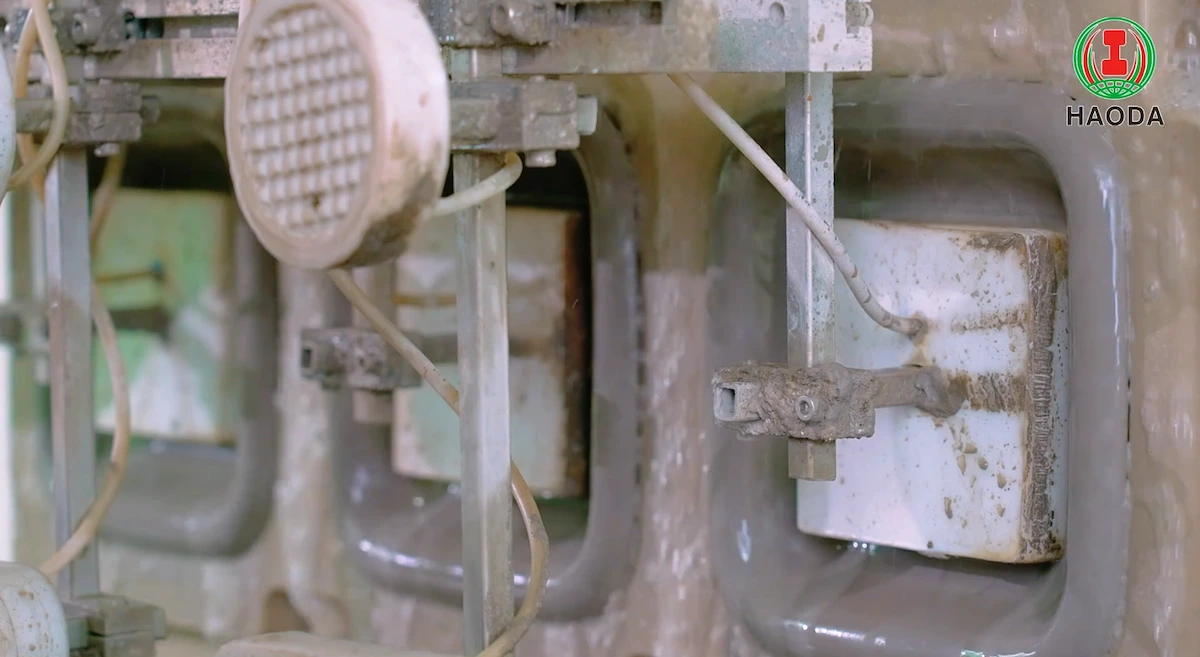
Not all ceramic products can be produced with regular forming equipment. If your factory plans to produce deep bowls, irregular products, thin-wall porcelain, or premium hotel tableware, high-pressure casting equipment may be more suitable.
High-pressure casting is commonly used for:
- Deep bowls
- Rice bowls
- Soup bowls
- Irregular ceramic shapes
- Thin-wall porcelain products
- Premium hotel tableware
- Airline tableware
- High-end restaurant tableware
This equipment is useful for factories that want to expand beyond standard plates and shallow bowls.
For example, a factory may begin with daily dinner plates but later receive inquiries for premium bowls, special restaurant products, or branded hotel tableware. In this situation, high-pressure casting equipment can help expand the factory’s product range.
Before choosing this equipment, buyers should prepare product drawings, product photos, product size, and target capacity.
Plan the Glazing Section
Glazing affects the final appearance and market value of ceramic tableware. A factory should choose glazing equipment based on product style, glaze type, and order requirements.
Dip Glazing for Standard Tableware
Dip glazing is suitable for standardized products and stable glaze types.
It is commonly used for:
- White glaze
- Transparent glaze
- Basic functional glaze
- Standard plates
- Bowls
- Cups
- Mugs
- Daily-use tableware
This option is practical for factories producing large-volume daily tableware or export white porcelain products.
Spray Glazing for Decorative and High-End Products
Spray glazing is more flexible. It is suitable for products that need color glaze, decorative surface effects, or more complex shapes.
Spray glazing is commonly used for:
- Color glaze products
- Matte glaze tableware
- Reactive glaze designs
- Gradient glaze products
- Decorative ceramic bowls
- Irregular shapes
- High-end ceramic tableware
- Vases and small planters
In simple terms, dip glazing is better for large-volume standard products. Spray glazing is better for flexible surface effects and premium tableware designs.
Add Pad Printing for OEM and Brand Orders
Many ceramic tableware factories do not only produce plain products. They also need to support logos, borders, multi-color decoration, and customized brand designs.
A pad printing machine can be used for:
- Plate printing
- Bowl printing
- Cup printing
- Mug printing
- Saucer printing
- Logo printing
- Border decoration
- Multi-color patterns
- Brand decoration
This is especially useful for OEM ceramic factories, hotel tableware producers, restaurant supply factories, and export tableware manufacturers.
For example, a hotel buyer may need logo printing on cups and plates. A restaurant chain may need matching patterns across dinnerware sets. A supermarket customer may need seasonal ceramic designs.
If your factory plans to serve OEM or export buyers, printing capability should be considered during factory planning.
Design the Factory Layout
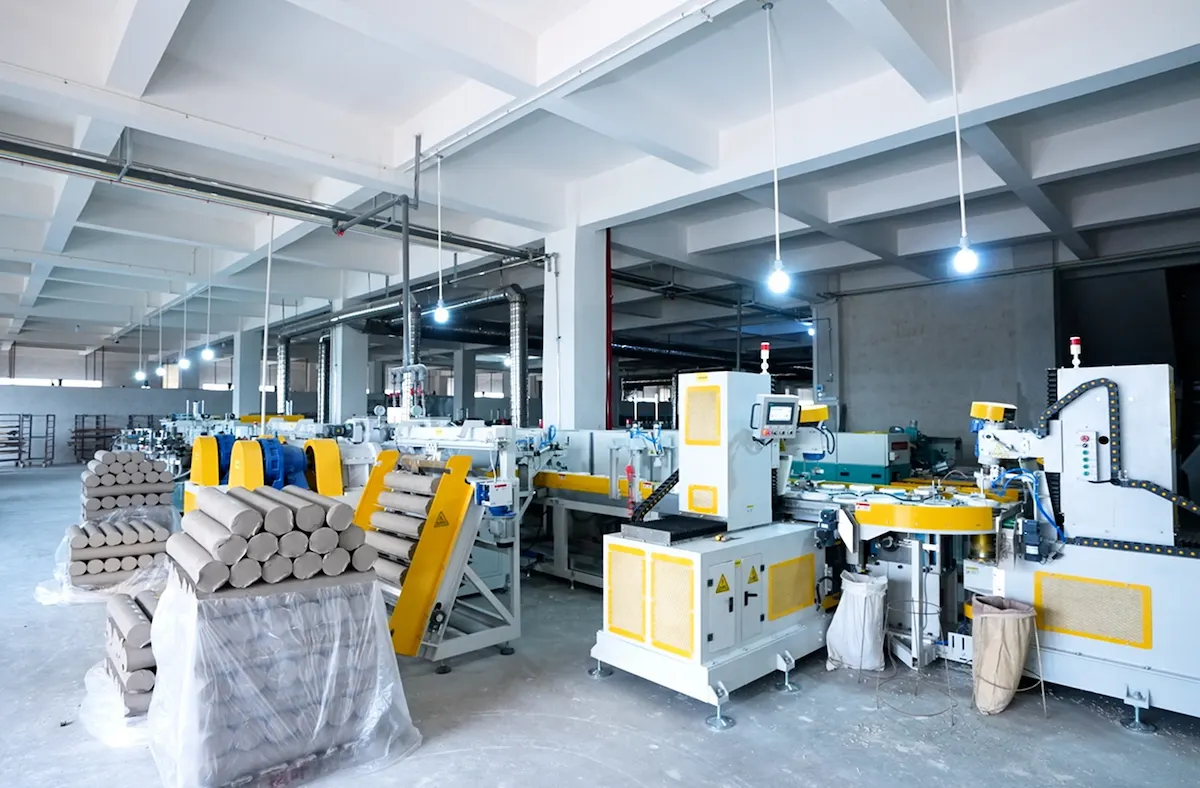
Factory layout is very important when building a ceramic tableware factory. Machines should not be placed randomly. The layout should follow the production flow.
A basic ceramic tableware factory may include:
- Raw material preparation area
- Forming area
- Casting area, if needed
- Drying area
- Glazing area
- Printing or decoration area
- Inspection area
- Packing area
- Finished product storage area
- Spare parts and maintenance area
If the layout is not clear, the factory may face problems such as repeated handling, crowded operation areas, difficult maintenance, and slow product movement.
Before buying machines, buyers should prepare workshop dimensions, ceiling height, power supply, water and drainage location, air supply condition, and product flow direction.
For production line planning, buyers can also review HAODA’s solutions page.
Prepare Installation Conditions
Before machines arrive, the factory site should be ready.
Buyers should check:
- Whether the workshop floor is flat and strong enough
- Whether power supply is prepared
- Whether water and drainage points are available
- Whether compressed air is arranged where needed
- Whether enough space is reserved for machine movement
- Whether forklifts or lifting tools are available
- Whether operators and maintenance staff are assigned
- Whether molds, samples, and materials are ready for testing
Good preparation helps reduce installation delays and makes trial production smoother.
Plan Training and Trial Production
After installation, the next stage is testing and operator training.
Trial production may include:
- Checking machine position
- Matching molds with product size
- Testing forming results
- Adjusting glaze quality
- Checking printing position
- Training operators
- Explaining daily maintenance
- Confirming production rhythm
Operators should understand not only how to start the machine, but also how to check product results during daily production.
For new ceramic factories, this step is important because it helps the team move from machine installation to stable production.
What Information Should Buyers Send to HAODA?
To get a suitable ceramic tableware factory solution, buyers should prepare practical project information.
Send HAODA:
- Product photos
- Product drawings
- Product size
- Product material, such as porcelain, stoneware, or bone china
- Main product type, such as plate, bowl, cup, or mug
- Glaze type, such as white glaze, transparent glaze, color glaze, or matte glaze
- Required daily or monthly capacity
- Factory layout drawing
- Workshop size
- Installation country or region
- Target market, such as hotel, restaurant, export, retail, or OEM
With this information, HAODA can help evaluate whether your project needs a single machine, several machines, or a complete ceramic tableware production line.
Why Choose HAODA for Ceramic Tableware Factory Setup?
HAODA focuses on ceramic tableware machinery and production line solutions. For buyers who want to build a ceramic tableware factory, HAODA can help discuss machine selection, layout planning, installation preparation, and production process matching.
HAODA can support:
- Ceramic jiggering line recommendation
- High-pressure casting machine selection
- Dip glazing and spray glazing equipment matching
- Pad printing machine recommendation
- Factory layout discussion
- Production line planning
- Installation communication
- Operator training support
You can learn more about HAODA’s company background on the about us page.
FAQ
1. How do I start building a ceramic tableware factory?
Start by confirming your product range, target market, workshop size, and capacity target. Then choose suitable forming, casting, glazing, and printing equipment.
2. What machines are needed for a ceramic tableware factory?
Common machines include ceramic jiggering lines, high-pressure casting machines, dip glazing machines, spray glazing machines, and pad printing machines.
3. Which machine is suitable for plates and shallow bowls?
A ceramic jiggering line is suitable for plates, shallow bowls, saucers, flat dishes, and standardized tableware production.
4. Which machine is suitable for deep bowls?
Deep bowls, soup bowls, irregular ceramic products, and thin-wall porcelain products are usually more suitable for high-pressure casting equipment.
5. Should I choose dip glazing or spray glazing?
Choose dip glazing for white glaze, transparent glaze, and standard daily tableware. Choose spray glazing for color glaze, decorative glaze, complex shapes, and high-end products.
6. Can a new factory start with only part of the production line?
Yes. Some factories start with key machines first, then upgrade later based on order volume and product range.
7. Can HAODA help with factory layout planning?
Yes. Buyers can send workshop size, product range, and capacity target. HAODA can help discuss machine arrangement and production flow.
8. What should I prepare before asking for a solution?
Prepare product drawings, product photos, size, glaze type, material type, capacity target, factory layout, and installation country.
Conclusion
Learning how to build ceramic tableware factory starts with product planning, not machine price comparison. Buyers should first define what they want to produce, then choose suitable forming, casting, glazing, and printing equipment.
For standard plates and shallow bowls, a ceramic jiggering line is commonly used. For deep bowls and irregular products, high-pressure casting equipment may be needed. For white or transparent glaze tableware, dip glazing is practical. For color glaze and decorative products, spray glazing is more suitable. For OEM orders, pad printing helps support logos and brand designs.
If you are planning a new ceramic tableware factory, send HAODA your product photos, drawings, product size, glaze type, capacity target, and factory layout.
Contact HAODA to get machine selection support, factory layout discussion, and ceramic tableware production line planning for your project.