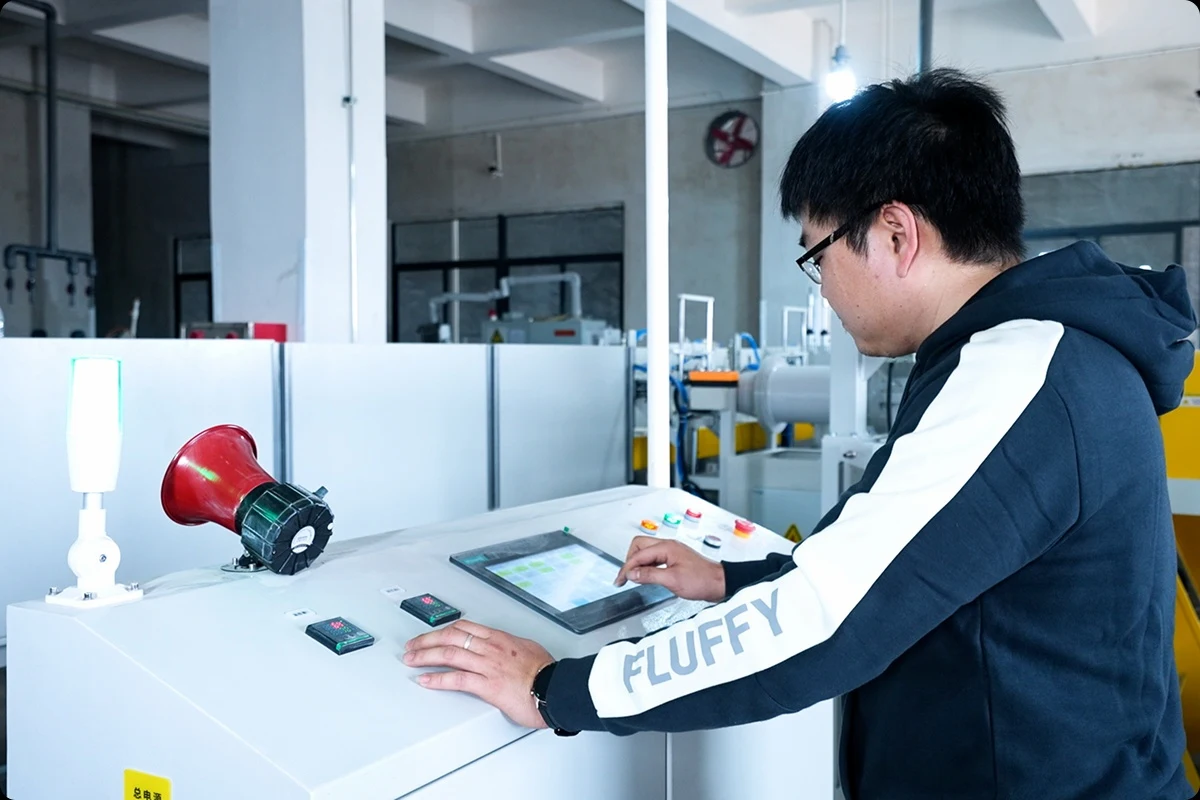

Choosing the best ceramic forming machine is one of the most important decisions for a ceramic tableware factory. The forming stage affects product shape, thickness, stability, production speed, and the quality of later glazing and decoration.
For buyers producing dinner plates, shallow bowls, saucers, cups, mugs, hotel tableware, restaurant tableware, or export dinnerware sets, the best machine is not always the most expensive one. It is the machine that matches the product type, capacity target, workshop layout, and future production plan.
HAODA Machinery provides ceramic tableware forming equipment and production line solutions for factories that need stable forming, automatic production, and practical machine selection support.
What Does “Best Ceramic Forming Machine” Mean?
The best ceramic forming machine should match the factory’s real production needs.
For one factory, the best choice may be a ceramic jiggering line for plates and shallow bowls. For another factory, it may be high-pressure casting equipment for deep bowls or irregular ceramic products.
Before choosing a machine, buyers should ask:
- What products will the factory mainly produce?
- Are the products plates, bowls, cups, mugs, or mixed tableware?
- What is the product size?
- What is the required daily or monthly capacity?
- Is the factory new or upgrading an existing line?
- Does the machine need to connect with glazing or printing equipment?
- Is the target market local retail, hotel supply, restaurant supply, export, or OEM?
A machine that works well for standard plates may not be the best choice for deep bowls or complex shapes. That is why product type should come before machine price.
Ceramic Jiggering Machine for Plates and Shallow Bowls
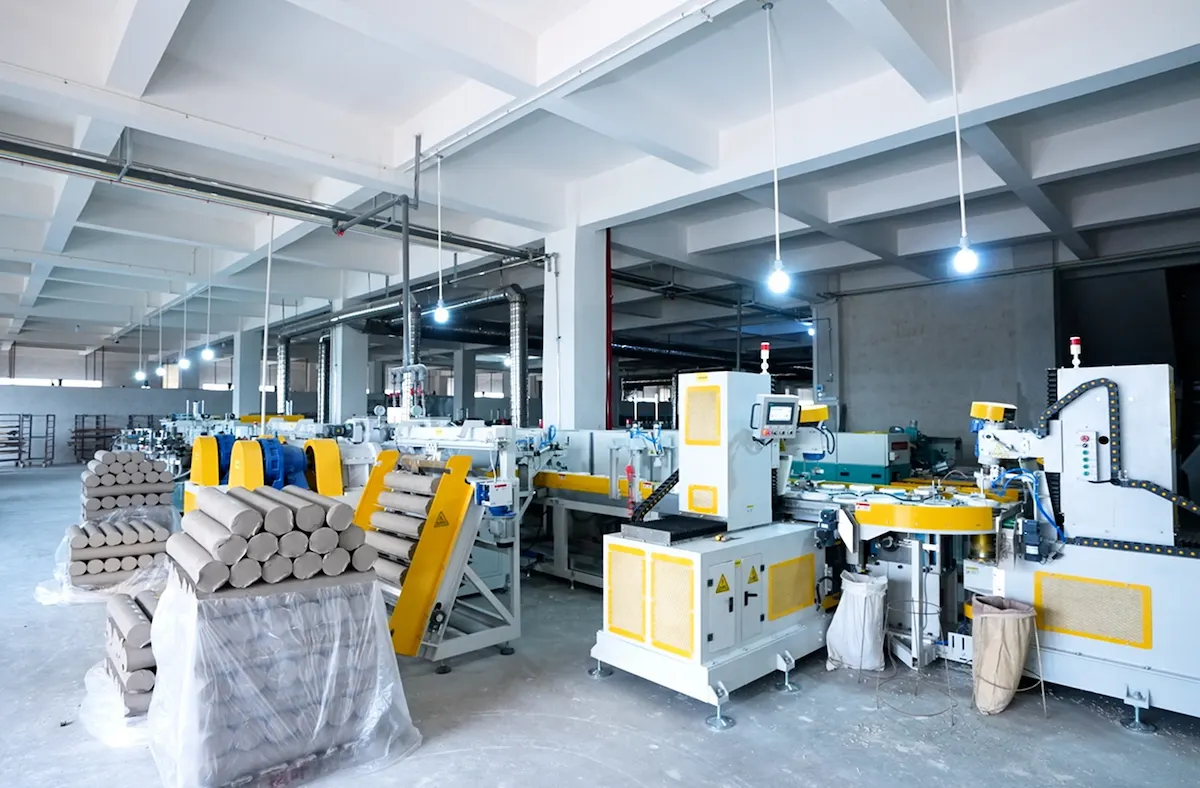
For many tableware factories, a ceramic jiggering machine or automatic jiggering line is the main forming equipment.
It is suitable for regular-shaped products such as:
- Dinner plates
- Salad plates
- Soup plates
- Flat dishes
- Saucers
- Shallow bowls
- Some mug bodies
This type of forming machine is suitable for:
- Daily tableware factories
- Export ceramic manufacturers
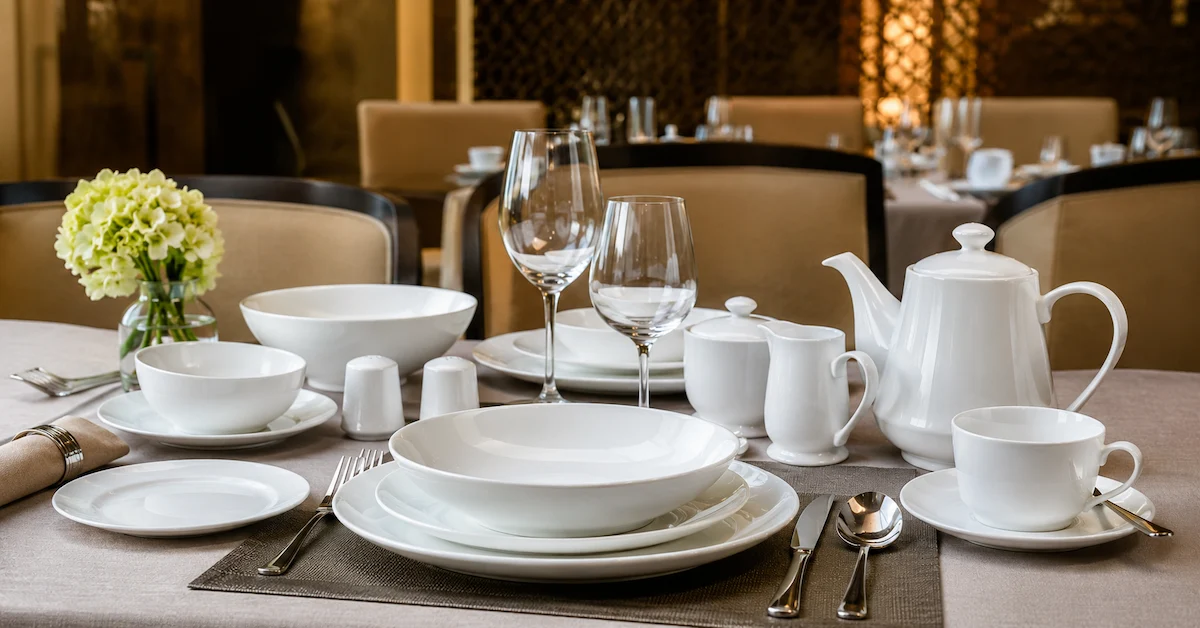
- Hotel tableware producers
- Restaurant tableware suppliers
- Large-scale ceramic factories
- Factories upgrading from manual production
For factories producing standard tableware in medium or large batches, a jiggering line can help keep product shape more consistent. It is especially useful when the factory needs repeated production of similar plates, bowls, or saucers.
Buyers can review HAODA’s ceramic machinery categories on the products page.
When Should You Choose High-Pressure Casting Instead?
A ceramic jiggering machine is not suitable for every product. If the factory wants to produce deep bowls, irregular products, thin-wall porcelain, or high-end tableware, high-pressure casting equipment may be more suitable.
High-pressure casting is commonly used for:
- Deep bowls
- Rice bowls
- Soup bowls
- Irregular ceramic tableware
- Thin-wall porcelain products
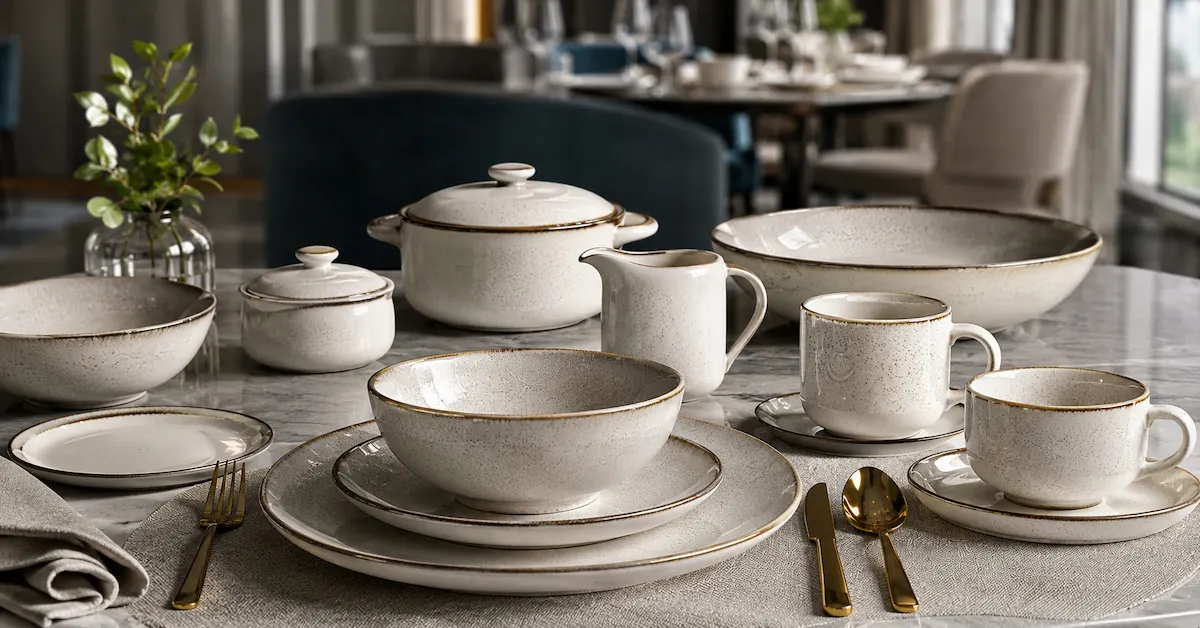
- Premium hotel tableware
- Airline tableware
- High-end restaurant tableware
This equipment is suitable for factories that want to expand their product range beyond standard plates and shallow bowls.
For example, a factory may start with daily-use plates, then receive inquiries for deeper bowls or premium hotel tableware. In this case, high-pressure casting can help the factory serve more product categories.
The best choice depends on the product drawing, product depth, wall thickness, mold design, and required capacity.
How Product Type Affects Machine Selection
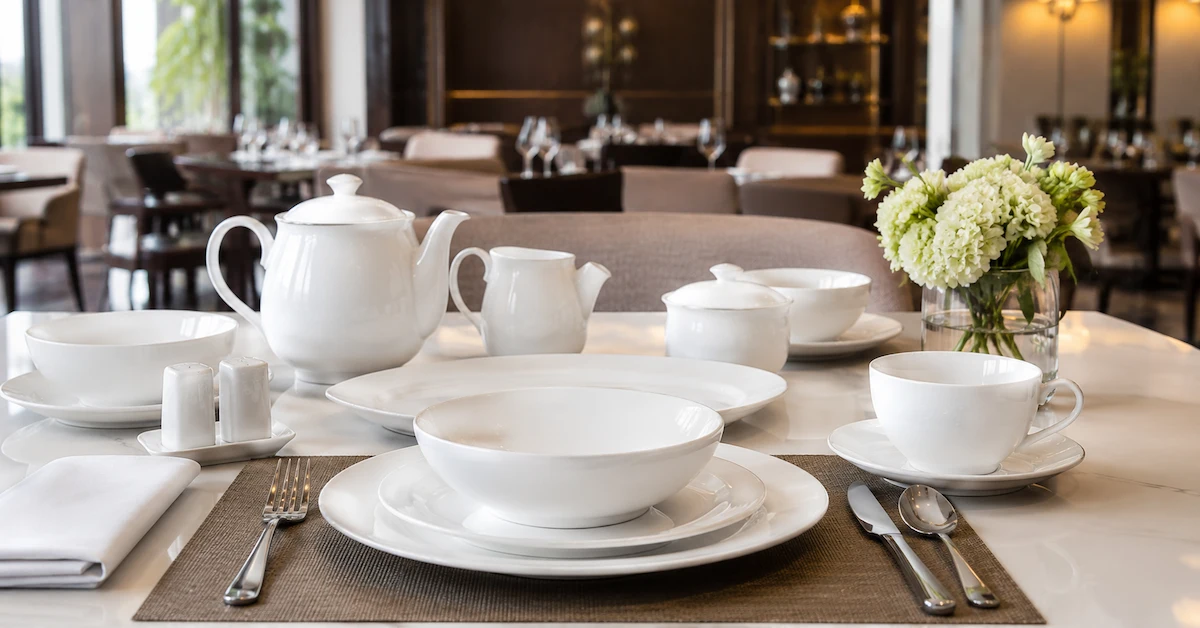
Different ceramic products require different forming logic.
For standard flat or shallow products, the forming process is usually more straightforward. For deep, curved, or irregular products, the factory may need a different forming method.
Common examples:
- Plates and saucers: usually suitable for jiggering lines
- Shallow bowls: often suitable for jiggering machines
- Deep bowls: may need high-pressure casting
- Irregular tableware: often needs casting support
- Thin-wall porcelain: should be reviewed based on shape and wall thickness
- Hotel dinnerware sets: may need a mixed equipment plan
- OEM ceramic products: may need forming plus printing support
This is why buyers should not only ask, “Which machine is best?” A better question is:
Which forming machine is best for my product shape and production target?
Small, Medium, and Large Factory Scenarios
Small Ceramic Factories
Small factories may need a practical forming machine that supports limited product types and gradual production growth.
Suitable needs may include:
- Basic plate production
- Small-batch bowl production
- Local tableware supply
- Simple product range
- Lower initial automation requirements
For these factories, machine selection should focus on product fit and ease of operation.
Medium Ceramic Factories
Medium factories usually need better production stability and more product flexibility.
They may produce:
- Plates
- Shallow bowls
- Cups
- Saucers
- Restaurant tableware
- Regional export products
These factories may consider automatic jiggering equipment and future production line expansion.
Large Tableware Factories
Large factories usually need forming equipment that can connect with drying, glazing, printing, inspection, and packing processes.
They often serve:
- Export tableware buyers
- Hotel tableware brands
- Restaurant supply chains
- OEM ceramic customers
- Large dinnerware set orders
For these factories, the best ceramic forming machine should be selected as part of a full production line plan, not as a single machine only.
What to Check Before Buying a Ceramic Forming Machine
Before choosing a ceramic forming machine, buyers should check several key points.
1. Product Size and Shape
The machine must match the product diameter, depth, shape, and mold requirements.
2. Product Material
Porcelain, stoneware, and bone china may have different forming and production requirements.
3. Capacity Target
A small factory and a large export factory may need different machine configurations.
4. Factory Layout
The forming area should connect smoothly with drying, glazing, printing, inspection, and packing.
5. Future Product Expansion
If the factory may add deeper bowls or complex products later, this should be discussed early.
6. Operator and Maintenance Needs
The factory should consider operator access, daily adjustment, maintenance space, and training support.
How the Forming Machine Connects with the Full Production Line
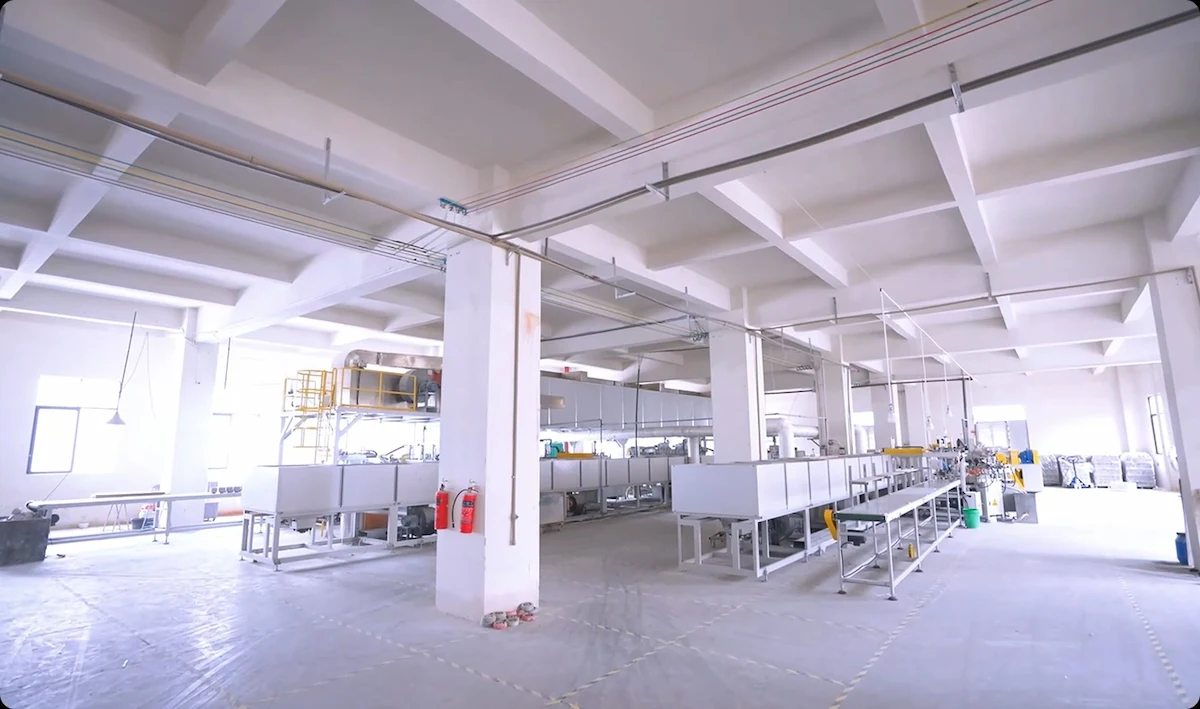
The forming machine is only one part of a ceramic tableware factory.
A complete production flow may include:
- Raw material preparation
- Forming
- Drying
- Casting, if needed
- Glazing
- Printing or decoration
- Inspection
- Packing
- Finished product storage
If the forming machine is not matched with the next steps, the factory may face bottlenecks later.
For example, if forming capacity is high but glazing capacity is too low, products may wait between processes. If the workshop layout is not clear, product movement may become slow and inefficient.
For production line planning, buyers can visit HAODA’s solutions page.
What Buyers Should Send Before Asking for a Recommendation
To recommend the best ceramic forming machine, HAODA needs practical project information.
Send HAODA:
- Product photos
- Product drawings
- Product size
- Product depth
- Product material, such as porcelain, stoneware, or bone china
- Main product type, such as plate, bowl, cup, or mug
- Required daily or monthly capacity
- Factory layout drawing
- Workshop size
- Current production process, if upgrading
- Target market, such as hotel, restaurant, export, retail, or OEM
With this information, HAODA can help determine whether the project needs a ceramic jiggering machine, a high-pressure casting machine, or a more complete tableware production line solution.
Why Work with HAODA?
HAODA focuses on ceramic tableware machinery and production line support. Instead of recommending only one machine by name, HAODA can help buyers review product shape, factory scale, capacity target, and layout before suggesting a suitable forming solution.
HAODA can support:
- Ceramic jiggering machine recommendation
- Automatic jiggering line selection
- High-pressure casting machine discussion
- Factory layout planning
- Production line configuration
- Installation communication
- Operator training support
You can learn more about HAODA’s company background on the about us page.
FAQ
1. What is the best ceramic forming machine for plates?
For standard dinner plates, salad plates, soup plates, saucers, and flat dishes, a ceramic jiggering machine or automatic jiggering line is usually suitable.
2. What machine is suitable for shallow bowls?
Shallow bowls are often suitable for ceramic jiggering equipment, depending on size, depth, and production capacity.
3. What machine is suitable for deep bowls?
Deep bowls, rice bowls, soup bowls, and irregular ceramic products are usually more suitable for high-pressure casting equipment.
4. Can one forming machine produce all ceramic tableware?
Not always. Plates, shallow bowls, deep bowls, mugs, and irregular products may require different forming methods or machine configurations.
5. What should I send before asking for a machine recommendation?
Send product drawings, photos, size, depth, material, capacity target, workshop layout, and target market. This helps HAODA recommend a more suitable forming machine.
Conclusion
The best ceramic forming machine is the one that matches your product type, production capacity, factory layout, and long-term production plan.
For standard plates, saucers, flat dishes, and shallow bowls, a ceramic jiggering machine or automatic jiggering line is often suitable. For deep bowls, irregular shapes, thin-wall porcelain, and premium tableware, high-pressure casting equipment may be a better choice.
If you are planning a new ceramic tableware factory or upgrading an existing forming section, send HAODA your product drawings, product size, capacity target, material type, and factory layout.
Contact HAODA to get ceramic forming machine selection support and tableware production line planning for your factory.