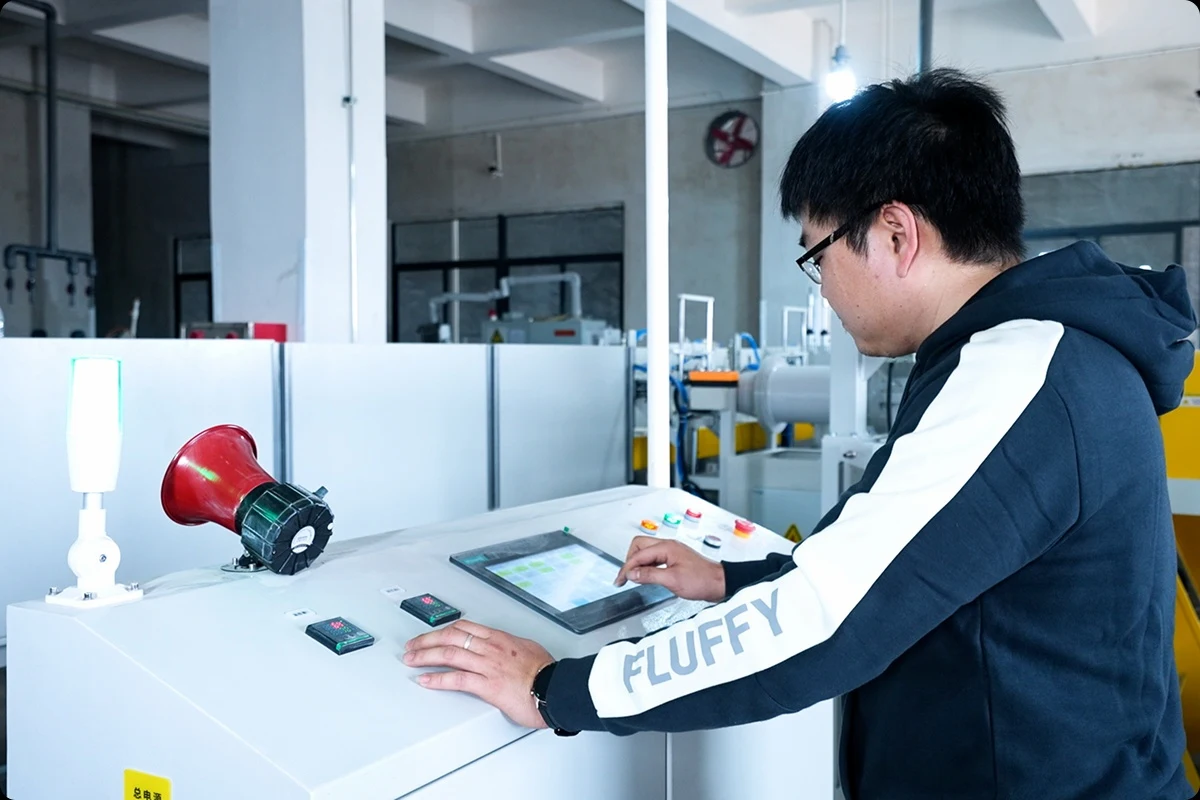

Standard ceramic machinery can meet many common production requirements. However, factories producing special tableware shapes, several product sizes, mixed glaze finishes, or different order volumes may need custom ceramic production equipment.
Customization does not always mean building a completely new machine. In many projects, it means adapting the working size, machine configuration, fixtures, stations, controls, conveying direction, or workshop layout to fit the buyer’s actual products.
For ceramic factories, the most useful equipment solution is not necessarily the largest or most automated one. It is the configuration that matches product drawings, required capacity, available space, operator experience, and future production plans.
HAODA Machinery supports ceramic tableware manufacturers with product-based equipment selection, production line planning, and factory layout discussion.
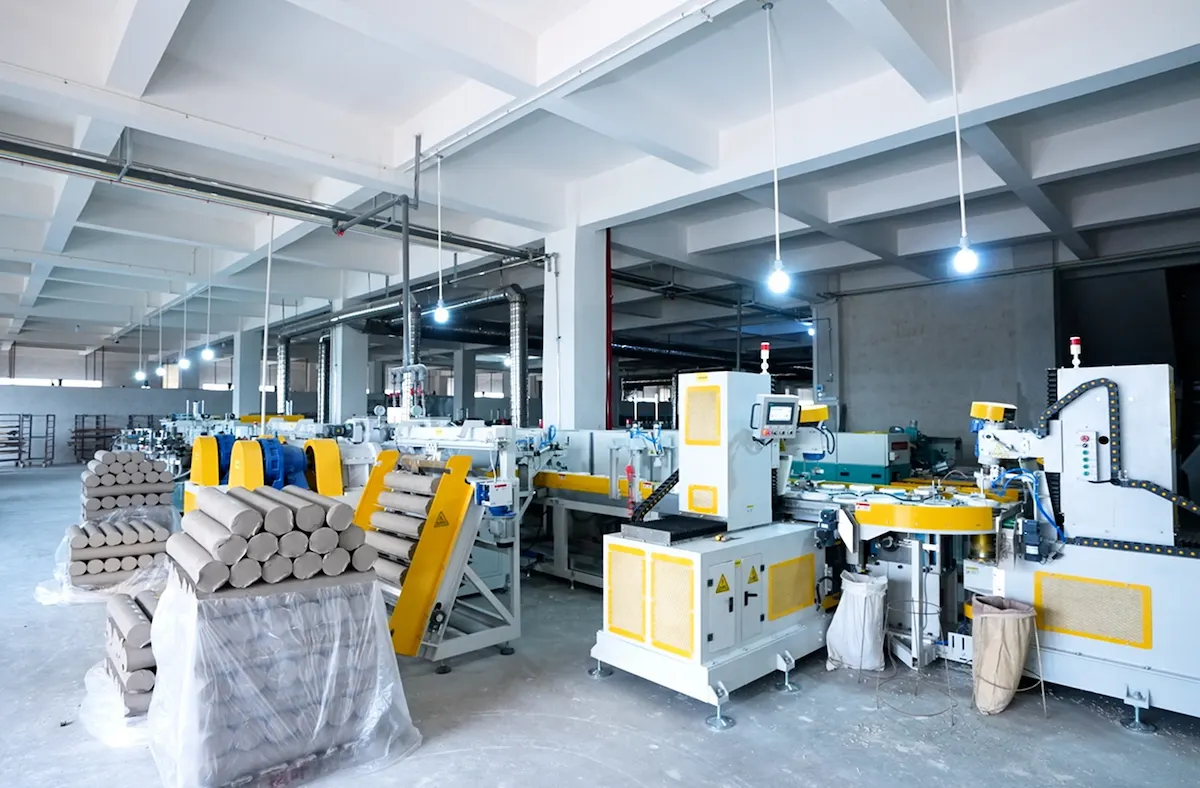
When Does a Factory Need Custom Ceramic Equipment?
A factory may need a customized solution when standard machinery cannot fully match its product or production process.
Common situations include:
- Producing several plate or bowl diameters
- Manufacturing unusually deep bowls
- Handling irregular ceramic shapes
- Producing thin-wall porcelain products
- Switching between different tableware models
- Using multiple glaze colors or surface effects
- Adding logos, borders, or custom decoration
- Working within limited workshop space
- Connecting new machines to an existing line
- Preparing for future product expansion
For example, a factory producing only one standard dinner plate may be able to use a regular machine configuration. A factory producing dinner plates, shallow bowls, mugs, and hotel dinnerware sets may need more flexible molds, fixtures, or line arrangements.
The customization discussion should therefore begin with the ceramic product, not with the machine catalogue.
Start with Product Drawings and Samples
Before a supplier can recommend custom ceramic production equipment, the buyer should provide clear product information.
Important details include:
- Product photos
- Technical drawings
- Diameter, height, and depth
- Wall thickness
- Product material
- Product weight
- Bottom and rim design
- Handle or irregular surface details
- Required daily or monthly output
- Acceptable product variation
These details help the engineering team evaluate the forming method, mold arrangement, working size, product positioning, and production sequence.
A product that looks simple in a photograph may have a deep profile, narrow foot, or special rim that affects machine selection. Accurate drawings help reduce this risk before equipment manufacturing begins.
Custom Forming Equipment for Plates and Shallow Bowls
Ceramic jiggering equipment is commonly used for regular tableware products such as:
- Dinner plates
- Salad plates
- Soup plates
- Saucers
- Flat dishes
- Shallow bowls
- Selected mug bodies
A custom jiggering solution may involve adjustments to:
- Product diameter range
- Forming head configuration
- Mold dimensions
- Production speed
- Loading and unloading direction
- Drying connection
- Conveyor arrangement
- Workshop footprint
For a factory producing several plate sizes, the supplier should check whether one equipment configuration can cover the product range or whether different molds and adjustment settings are needed.
For medium and large factories, the forming section should also match the capacity of downstream drying and glazing equipment. A high-output forming line provides limited value if the next production stage cannot process the same volume.
You can review HAODA’s ceramic machinery categories on the products page.
High-Pressure Casting for Deep and Complex Products
Some products are not suitable for standard plate-forming processes.
High-pressure casting equipment may be considered for:
- Deep bowls
- Rice bowls
- Soup bowls
- Irregular ceramic products
- Thin-wall porcelain
- Premium hotel tableware
- Airline tableware
- Complex product shapes
Customization in a casting project may relate to product molds, machine working dimensions, pressure requirements, product release, and production flow.
A factory planning to produce several complex products should send the complete product range during the early discussion. This allows the supplier to evaluate whether the products can share one equipment platform or need different mold and handling arrangements.
High-pressure casting is especially useful for manufacturers that want to expand beyond standard plates and add higher-value tableware products.
Custom Glazing Equipment for Different Surface Styles
The glazing section should be customized according to product shape and glaze type.
Dip Glazing for Standardized Products
Dip glazing is commonly used for:
- White glaze
- Transparent glaze
- Basic functional glaze
- Standard plates
- Bowls
- Cups
- Mugs
- Daily-use tableware
Customization may focus on product holding, dipping movement, station number, glaze circulation, and line connection.
It is often practical for factories producing similar products in larger batches.
Spray Glazing for Flexible Production
Spray glazing is more suitable for:
- Color glaze
- Matte glaze
- Reactive glaze
- Gradient glaze
- Decorative surfaces
- Complex shapes
- Premium ceramic products
- Small and medium vases or planters
A custom spray glazing system may include:
- Product-specific fixtures
- Adjustable spray paths
- Different station quantities
- Stored spray programs
- Glaze supply and circulation
- Booth dimensions
- Conveyor direction
- Integration with drying or inspection
Factories changing product models frequently may benefit from a more flexible control configuration. Factories producing one product continuously may need a simpler system.
The goal is to match the machine with the real production plan instead of adding unnecessary functions.
Custom Pad Printing for OEM Tableware
OEM and brand tableware factories often need decoration equipment that can handle different product sizes and pattern requirements.
Pad printing can be used for:
- Plate logos
- Bowl decoration
- Cup branding
- Mug printing
- Saucer patterns
- Border decoration
- Multi-color designs
- Hotel and restaurant branding
Custom requirements may involve product positioning, printing area, color quantity, curved surfaces, design change frequency, and working dimensions.
Before selecting a machine, the buyer should provide product photos and the intended printing location. A pattern near the rim may require a different positioning method from a logo printed in the center of a plate.
For OEM factories, flexible product changeover can be more important than maximum output.
Customizing a Complete Production Line
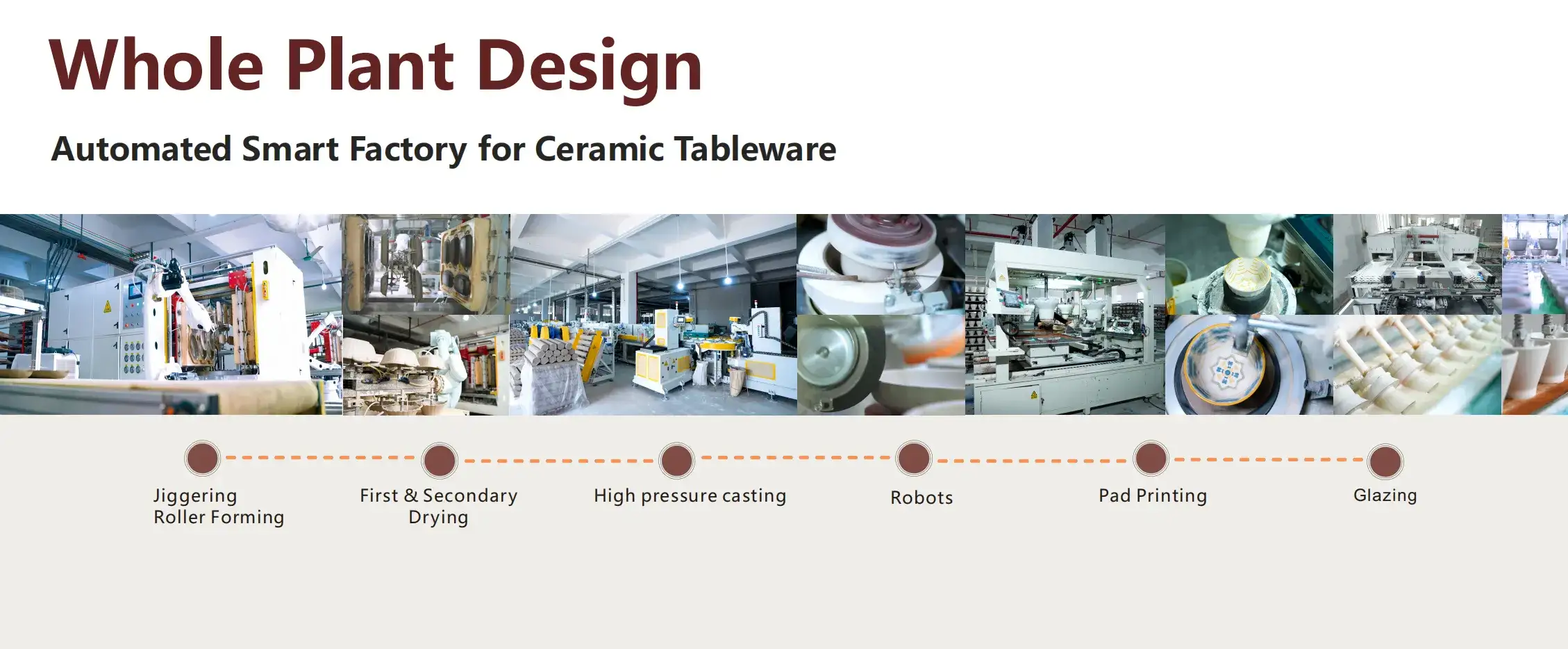
Some buyers need more than one customized machine. They need several processes to work together as one production line.
A ceramic tableware line may include:
- Forming
- Casting
- Drying
- Glazing
- Decoration
- Inspection
- Packing
- Product storage
The machines should be planned according to product movement and production capacity.
Important questions include:
- Where will raw products enter the line?
- How will products move between processes?
- Is manual handling or automatic conveying preferred?
- How much maintenance space is needed?
- Where will operators stand?
- Which section determines total production capacity?
- Can future machines be added without rebuilding the workshop?
HAODA can discuss these requirements through its ceramic machinery solutions.
Custom Equipment for Different Factory Sizes
Small Ceramic Factories
Small factories may need compact equipment for selected tableware products or smaller OEM orders.
Priorities may include:
- Limited workshop footprint
- Manageable initial investment
- Easy operation
- Flexible product changes
- Future upgrade possibilities
A compact custom configuration may be more practical than purchasing a large automatic line.
Medium Tableware Manufacturers
Medium factories often produce several product categories and need a balance between capacity and flexibility.
They may need forming, glazing, and printing equipment that can handle regular production while allowing model changes.
For these factories, capacity matching between different production stages is especially important.
Large Export Factories
Large factories may require integrated equipment, multiple product programs, continuous production, and organized material flow.
Customization may include:
- Line layout
- Station quantity
- Conveying direction
- Equipment connection
- Capacity coordination
- Operator and maintenance access
- Expansion planning
The solution should be evaluated as a complete factory process rather than several unrelated machines.
When Standard Equipment Is a Better Choice
Custom machinery is not necessary for every project.
Standard equipment may be more suitable when:
- Products have common shapes and sizes
- The factory produces one model continuously
- Capacity requirements are straightforward
- Workshop space is sufficient
- No special glaze or decoration process is required
- Faster delivery is more important than special functions
A reliable supplier should explain when customization creates real value and when a standard configuration is enough.
Unnecessary customization may increase cost, delivery time, training requirements, and future maintenance complexity.
How to Control the Cost of Custom Equipment
Factories can control investment by separating essential requirements from optional functions.
A practical approach is to:
- Confirm the current product range
- Set a realistic capacity target
- Identify essential machine functions
- Avoid unnecessary automation
- Standardize product sizes where possible
- Reserve space for future expansion
- Confirm optional functions separately
- Discuss maintenance and spare parts early
The cheapest machine is not always the lowest-cost solution. Equipment that cannot produce the required products may create mold changes, production delays, or future replacement costs.
The better goal is a machine configuration that supports current orders and provides reasonable flexibility for future business.
What Buyers Should Send to HAODA
To discuss custom ceramic production equipment, send:
- Product photos and drawings
- Product dimensions
- Product material
- Product weight and wall thickness
- Product quantity and model range
- Required daily or monthly capacity
- Glaze types and colors
- Printing requirements
- Current production method
- Existing machines
- Factory layout
- Workshop dimensions
- Installation country
- Future product plans
The more complete the information, the more accurately the equipment and line layout can be evaluated.
Why Work with HAODA?
HAODA focuses on ceramic tableware machinery and production line planning.
The team can support buyers with:
- Product-based machinery selection
- Ceramic jiggering line configuration
- High-pressure casting evaluation
- Dip glazing and spray glazing planning
- Pad printing equipment selection
- Factory layout discussion
- Line capacity matching
- Installation preparation
- Operator training communication
- Future expansion planning
Learn more about the company’s manufacturing and engineering capabilities on the About Us page.
FAQ
What is custom ceramic production equipment?
It is ceramic machinery configured or adapted according to a factory’s product shape, size, capacity, glaze process, decoration requirements, and workshop layout.
Is customized machinery always more expensive?
Customization can affect cost, but the final price depends on the actual changes. Adjusting a fixture or working size is different from developing a completely new production system.
Can one custom machine produce several products?
It may be possible when the products have compatible dimensions and processes. Buyers should provide the complete product range so the supplier can evaluate molds, fixtures, and machine adjustment requirements.
How long does custom equipment development take?
The timeline depends on engineering complexity, drawings, machine configuration, molds, testing requirements, and production schedule. These details should be confirmed during project evaluation.
Can HAODA customize a complete ceramic production line?
HAODA can discuss equipment configuration, process matching, factory layout, and line planning according to the buyer’s products and production targets.
What information is needed for a custom quotation?
Provide product drawings, dimensions, material, capacity, glaze requirements, printing needs, workshop layout, existing equipment, and installation country.
Conclusion
Custom ceramic production equipment should be designed around the factory’s products and business goals.
Standard plates and shallow bowls may require an adapted jiggering line. Deep and irregular products may need high-pressure casting. Color-glazed and decorative items may require flexible spray glazing. OEM tableware may need customized printing and positioning.
The right level of customization improves product compatibility without adding unnecessary cost or complexity.
Send HAODA your product drawings, dimensions, capacity target, factory layout, and process requirements to discuss a suitable ceramic machinery solution.
Contact HAODA to request product evaluation, equipment configuration, layout planning, and a custom quotation for your ceramic tableware factory.