Are you running a ceramic tableware factory and struggling with inconsistent quality, high labor costs, or limited production capacity? You're not alone. Many manufacturers face these challenges when relying on manual or semi-automatic processes.
The solution? A well-designed mass production ceramic system that automates the entire journey from raw clay to finished, decorated tableware.
At
HAODA Machinery, we've spent over 16 years helping ceramic factories worldwide transform their production capabilities. Our integrated systems combine forming, drying, glazing, and decorating equipment into seamless production lines that deliver consistent quality at scale.
Whether you produce daily household tableware, hotel and restaurant ceramics, or premium export dinnerware sets, the right mass production ceramic system can revolutionize your operations.
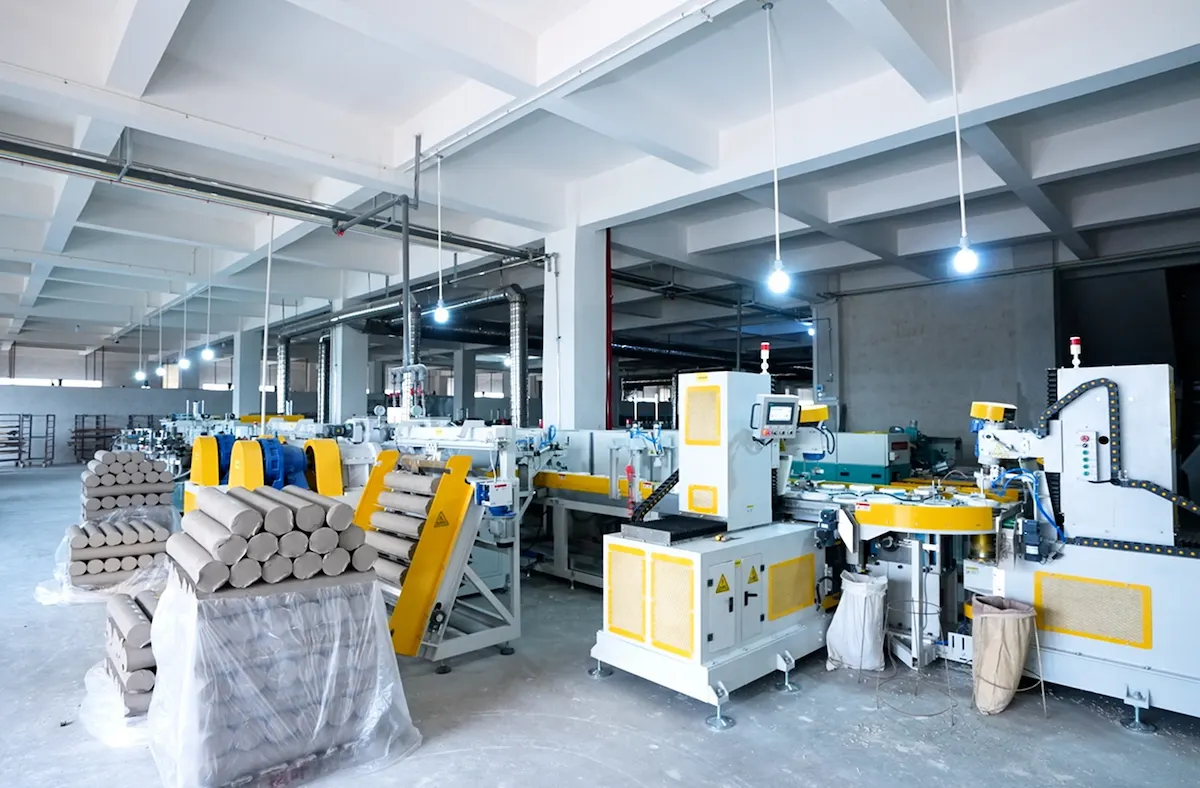
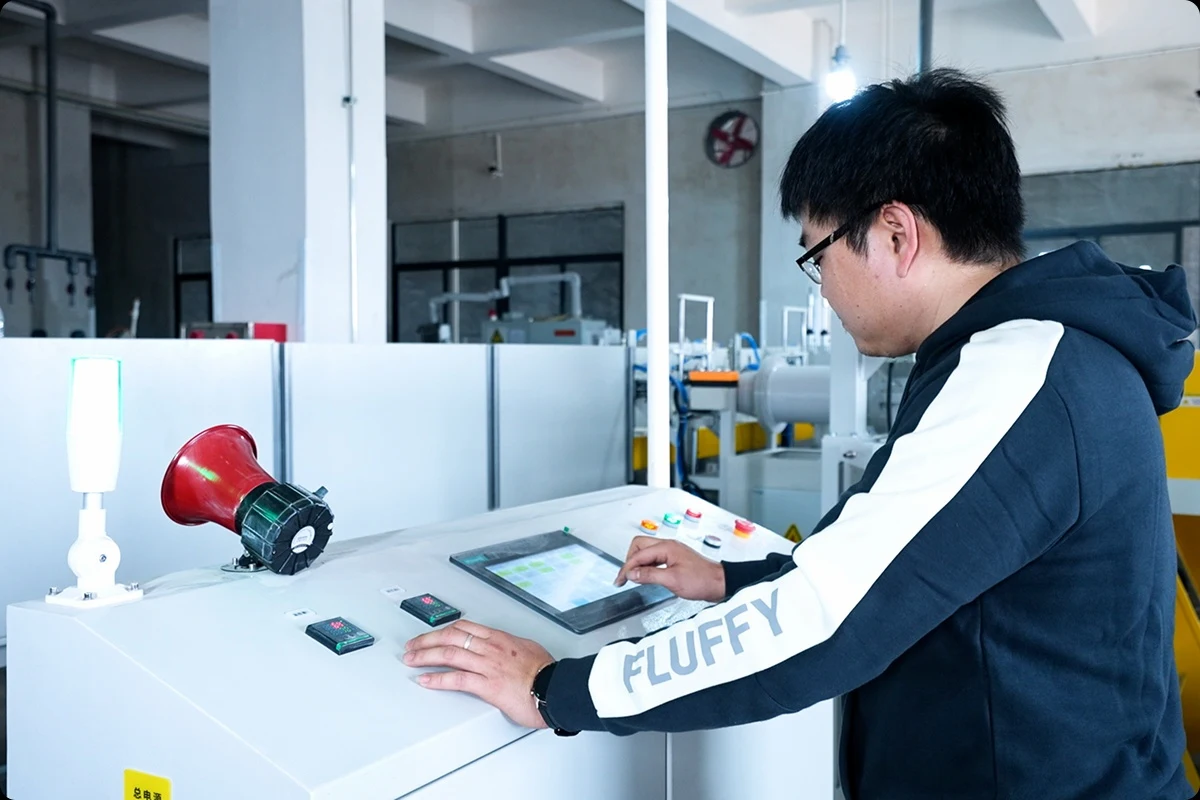
A mass production ceramic system is a fully integrated manufacturing solution that automates multiple production stages in a continuous workflow. Instead of relying on separate machines and manual handling between stages, modern ceramic production lines connect every process—forming, drying, glazing, decorating, and finishing—under unified PLC control.
1. Automated Forming Section
- Jiggering lines for flatware (plates, shallow bowls, saucers)
- High-pressure casting machines for deep bowls and irregular shapes
- Roller forming systems for consistent wall thickness
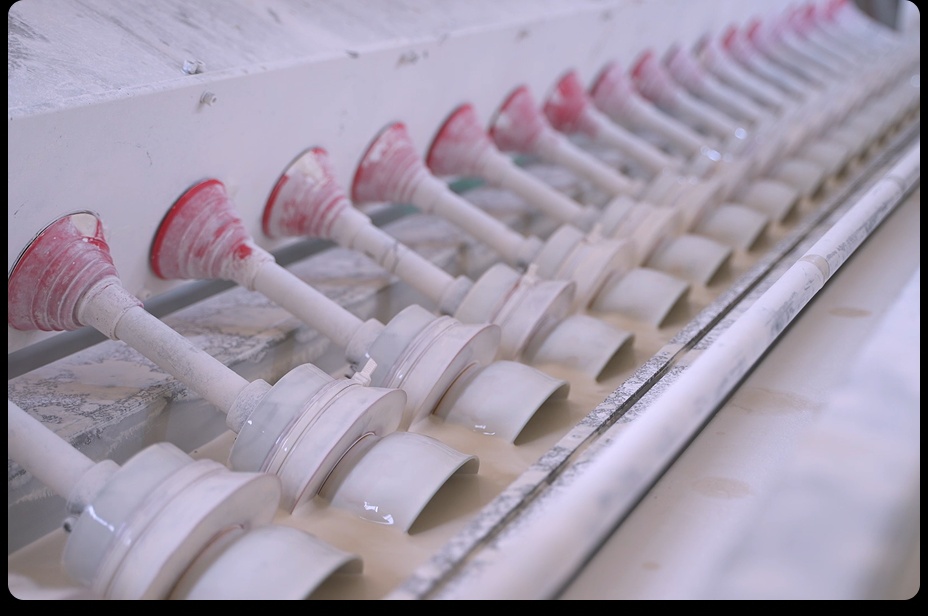
2. Precision Glazing Solutions
- Dip glazing machines for uniform transparent or white glaze coatings
- Spray glazing systems for color glazes, matte finishes, and gradient effects
- Robotic glazing for complex shapes and premium products
3. Decoration and Printing
- Multi-color pad printing machines for logos, borders, and full-surface designs
- Automated printing lines for consistent branding across dinnerware sets
4. Finishing and Quality Control
- Automatic trimming and edge refinement
- Visual inspection systems for defect detection
- Conveyor-based collection and packaging
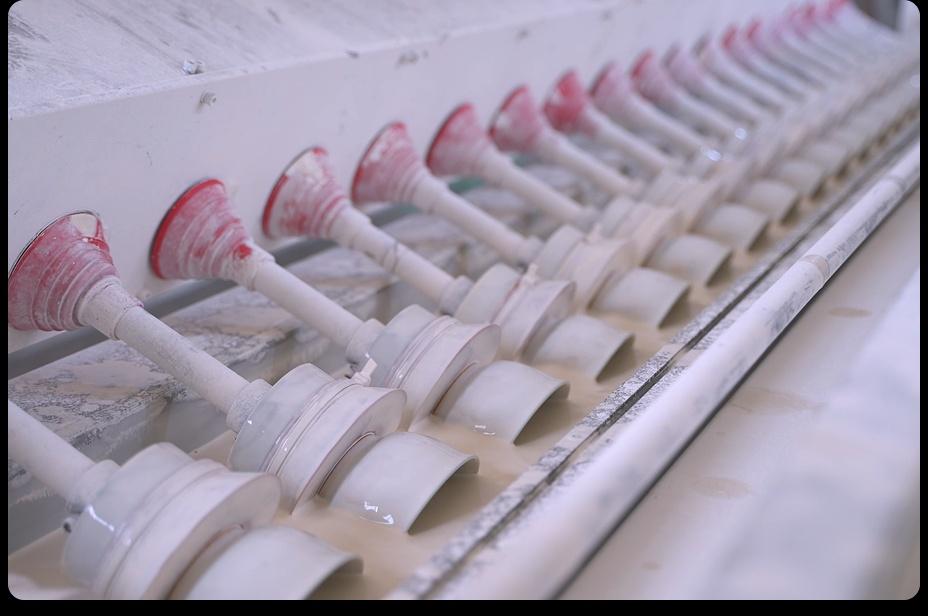
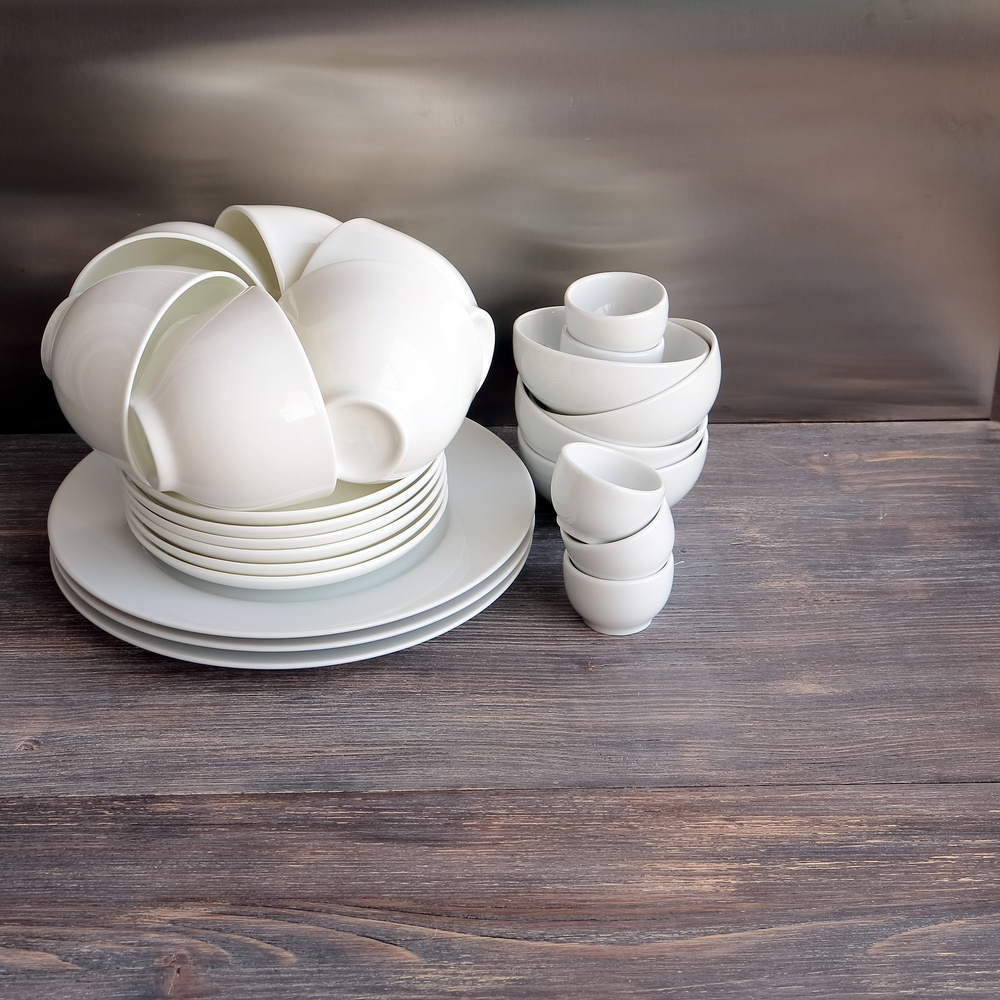
A well-integrated ceramic production line isn't just for mega-factories. Here's who benefits most:
If you're producing everyday ceramic plates, bowls, cups, and mugs for domestic markets, automation helps you compete on price while maintaining the quality retailers demand. Consistent sizing and finish mean your products stack, pack, and ship more efficiently.
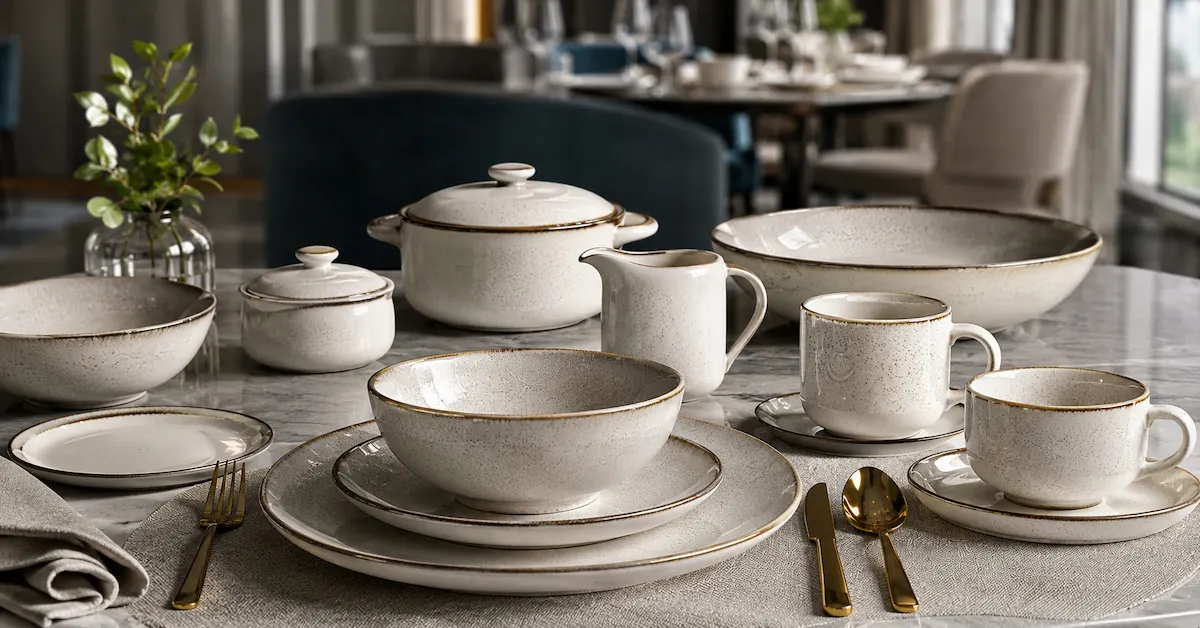
Hotels and restaurants require durable, consistent dinnerware that looks professional. A mass production ceramic system ensures every piece in a 500-piece hotelware order matches in color, thickness, and finish—critical for fine dining establishments.
Export markets have strict quality standards. Integrated automation reduces defect rates, ensures compliance with international safety regulations, and allows you to scale production to meet large container orders without compromising consistency.
For bone china, premium porcelain, or thin-wall ceramic products, high-pressure casting machines and precision glazing systems enable you to achieve the quality signature pieces demand while maintaining production efficiency.
Not all forming methods suit every product type. Understanding which system matches your tableware range is essential:
Best for:
- Dinner plates and salad plates
- Shallow bowls and soup plates
- Saucers and flat dishes
- Mug bodies for subsequent handle attachment
Materials compatible:
- Porcelain tableware
- Stoneware tableware
- Bone china tableware
Jiggering lines use rotating molds and profile tools to shape clay bodies with high precision. Modern servo-controlled jiggering systems maintain wall thickness variation within ±0.15mm—far superior to manual forming.
Best for:
- Deep bowls and rice bowls
- Soup bowls with curved walls
- Irregular-shaped tableware
- Premium airline and hotel tableware
- Thin-wall ceramic products
High-pressure casting uses resin molds that withstand 15,000+ production cycles, making it ideal for factories targeting high-volume special-shaped ceramic ware. The method produces superior green body density compared to traditional slip casting.
Roller forming systems excel at high-speed, continuous production of round ceramic tableware. They're particularly effective for factories prioritizing throughput on standard plate and bowl sizes.
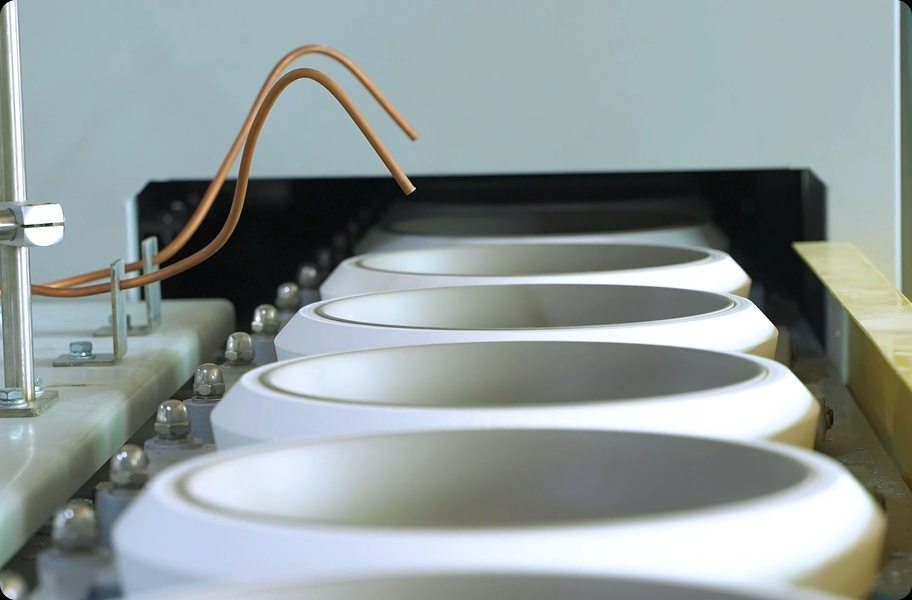
Glazing transforms raw ceramic bodies into finished products with their characteristic colors, textures, and protective surfaces. Your mass production ceramic system should include glazing equipment matched to your product range.
Best applications:
- Transparent glaze and white glaze coatings
- Basic functional glazes for daily tableware
- Products where uniform thickness coverage is priority
Dip glazing delivers consistent, even coatings ideal for high-volume production of simple, functional tableware. The process is fast, economical, and produces minimal waste.
Best applications:
- Color glazes and specialty finishes
- Matte glazes and reactive glazes
- Gradient and multi-tone effects
- Irregular-shaped tableware, vases, and planters
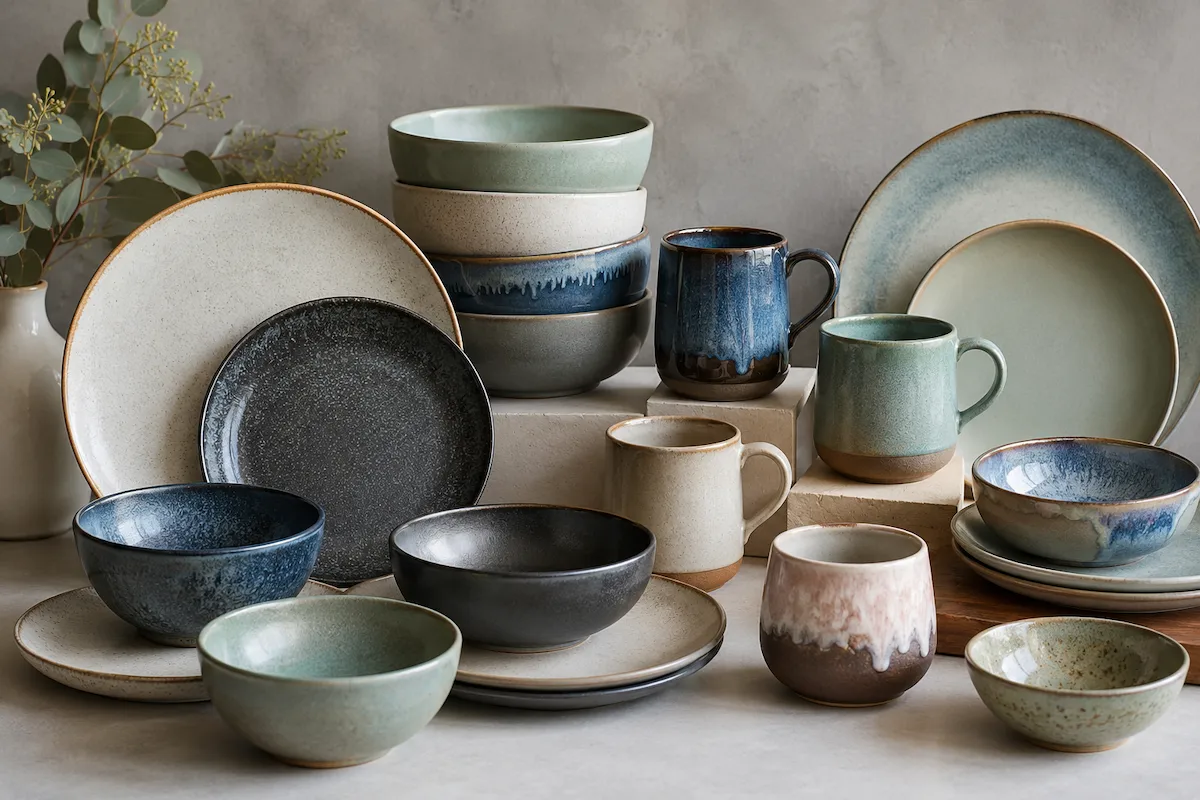
Spray glazing offers greater flexibility for diverse product lines. Modern self-learning spray systems automatically adjust spray patterns based on product curvature, reducing glaze waste by up to 20%.
Decoration sets your tableware apart. Whether you're printing company logos for hotel partners or creating intricate border patterns for retail collections, your mass production ceramic system needs capable decoration equipment.
What they do:
- Apply logos, text, and branding to ceramic surfaces
- Create multi-color designs with precise registration
- Produce border decorations and full-surface patterns
Compatible products:
- Plates and platters
- Bowls (inside and outside printing)
- Cups and mugs
- Saucers and accessories
Multi-color pad printing lines can achieve production speeds of 1,000+ pieces per hour while maintaining color consistency across millions of units—essential for OEM factories serving multiple brand clients.
A manufacturer producing 50,000+ pieces daily of basic porcelain tableware needed to reduce labor dependency and improve consistency. By implementing a complete HAODA jiggering line with dip glazing, they achieved:
- 40% reduction in labor requirements
- Defect rate dropped from 8% to under 3%
- Production capacity increased by 65%
A hotel tableware supplier required premium quality for 5-star hotel clients. Their mass production ceramic system featuring high-pressure casting and precision spray glazing enabled:
- Production of thin-wall bone china meeting luxury hotel standards
- Consistent color matching across 50,000-piece orders
- Premium reactive glaze finishes that commanded higher prices
An export factory serving European retailers needed to meet strict quality specifications. The integrated HAODA production line with automated pad printing delivered:
- Zero tolerance deviations in diameter and height specifications
- Multi-color brand logos with exact color matching
- Certification compliance for international safety standards
A mass production ceramic system isn't just individual machines—it's how they work together. Effective integration means:
Modern ceramic production lines use PLC and touchscreen HMI interfaces that allow operators to monitor and adjust parameters across all stages. Recipe programming enables instant format changes when switching between plate and bowl production.
Conveyor systems and robotic transfers keep production flowing smoothly between forming, drying, glazing, and decorating stages. Buffer zones prevent bottlenecks when one stage operates slightly faster than others.
Every product can carry a digital record logging forming pressure, glaze batch, and firing temperature. This traceability matters for export compliance and customer quality claims.
Modular systems let you start with essential equipment—perhaps just forming and glazing—and add capacity later. Need more decoration capability? Add pad printing modules without replacing your existing forming line.
Selecting the right partner for your ceramic machinery investment matters as much as the equipment itself. Here's why
HAODA Machinery has become the preferred choice for manufacturers worldwide:
- Founded in 2008 with 16+ years of ceramic machinery expertise
- 30,000+ machines installed globally across 30+ countries
- 95% adoption rate among local ceramic producers in key markets
- 10,000+ square meter production facility
- 200+ employees including dedicated engineering and R&D teams
- In-house CNC manufacturing ensures precision and fast response
- Factory layout planning and process optimization
- On-site installation and commissioning
- Operator training and ongoing technical support
- Spare parts supply and remote diagnostics
Every factory has unique requirements. Our engineering team develops customized solutions based on your product specifications, production capacity goals, and existing facility constraints.
Learn more about our approach →
Installation timelines vary based on system complexity and factory preparation. A basic forming line can be operational within 3-4 weeks. Complete integrated systems typically require 8-12 weeks from order confirmation to full production. Our team provides detailed project timelines during consultation.
Most factories achieve return on investment within 14-18 months through combined labor savings, reduced defect rates, and increased throughput. ROI depends on current production volumes, labor costs, and the specific equipment configuration selected.
Yes. HAODA equipment supports various clay bodies including porcelain, stoneware, and bone china. Forming systems accommodate product diameters from 4 inches to 14+ inches. Glazing equipment handles everything from small ramekins to large platters.
Absolutely. Every installation includes comprehensive training for operators and maintenance technicians. We also provide documentation, video tutorials, and ongoing remote support for continuous improvement.
We serve clients globally with multilingual technical support, remote diagnostics, and regional spare parts warehouses. Our team has experience with local compliance requirements across Asia, Europe, Middle East, and the Americas.
Ready to explore how a mass production ceramic system can transform your operations? Here are ways to get started:
Tell us about your current or planned product range—plate sizes, bowl depths, materials, and target finishes. Our engineers will identify the optimal equipment configuration.
Share your current output figures and growth targets. We'll calculate the system configuration needed to meet your goals.
Get capacity calculation →
Planning a new facility or upgrading your production floor? Our team provides detailed layout designs that optimize space utilization and material flow.
Request layout design →
Not sure which equipment combination fits your needs? Send us:
- Product size range (diameter and height)
- Target production capacity (pieces per hour/day)
- Current factory layout (if available)
- Any specific quality requirements
We'll respond with customized recommendations.
A modern mass production ceramic system is the foundation of competitive, scalable tableware manufacturing. Whether you're producing basic daily dinnerware or premium hotel ceramics for international clients, integrated automation delivers the consistency, efficiency, and quality that markets demand.
HAODA Machinery combines 16+ years of ceramic equipment expertise with proven technology trusted by factories worldwide. From individual machines to complete turnkey production lines, we provide solutions matched to your products, your markets, and your growth ambitions.