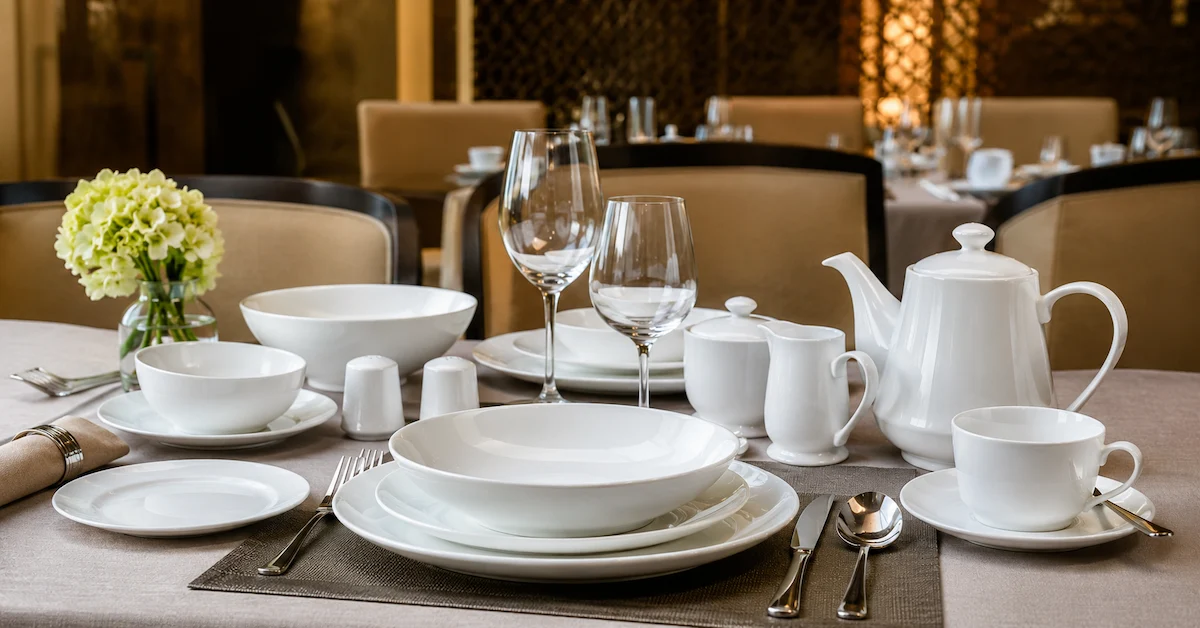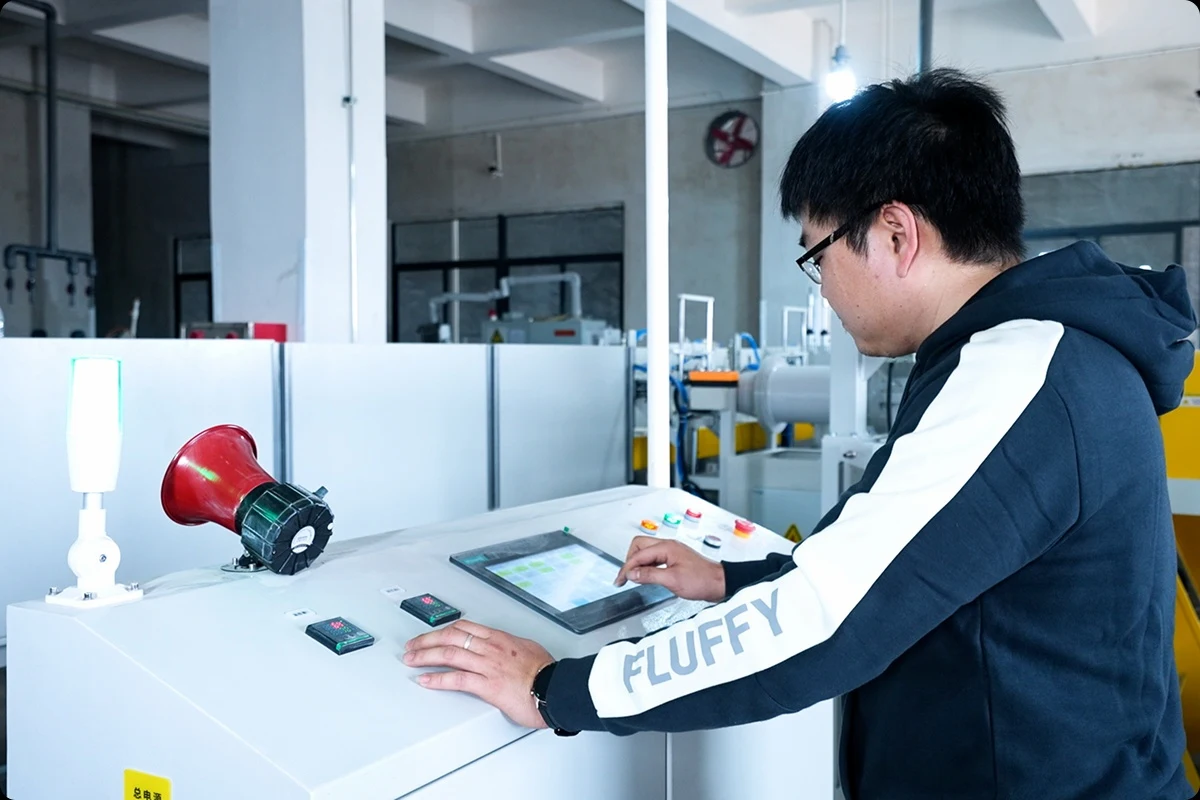

For many ceramic tableware factories, energy cost is no longer a small operating expense. Kilns, dryers, compressors, motors, conveyors, and glazing equipment all consume power or fuel every day. When production grows, energy bills often rise faster than expected. When production slows, older machines may still keep running at full load, wasting electricity during idle time.
This is why more ceramic manufacturers are considering an energy saving ceramic line. The goal is not simply to use smaller machines. The real goal is to make every production stage use energy more intelligently.
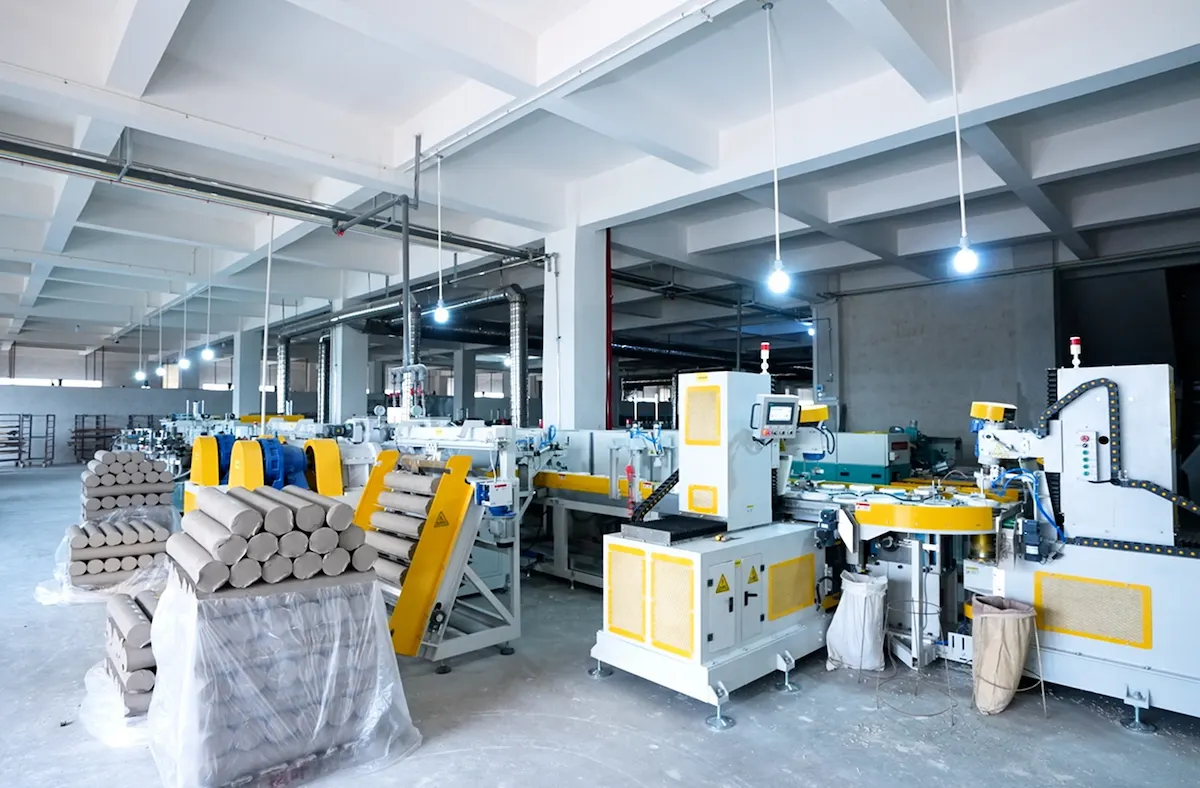
An energy saving ceramic line connects forming, drying, glazing, transfer, and control systems into a more efficient production flow. Servo drives reduce unnecessary motor consumption. Heat recovery systems reuse thermal energy from kilns or dryers. PLC control systems coordinate equipment rhythm so machines do not run harder than needed.
At HAODA Machinery, energy-saving production is treated as part of the full ceramic factory system. For factories that also want to understand how forming, glazing, decoration, and conveying work together, HAODA’s guide to a complete ceramic tableware production system provides a useful reference.
Where Energy Is Usually Wasted in Ceramic Production
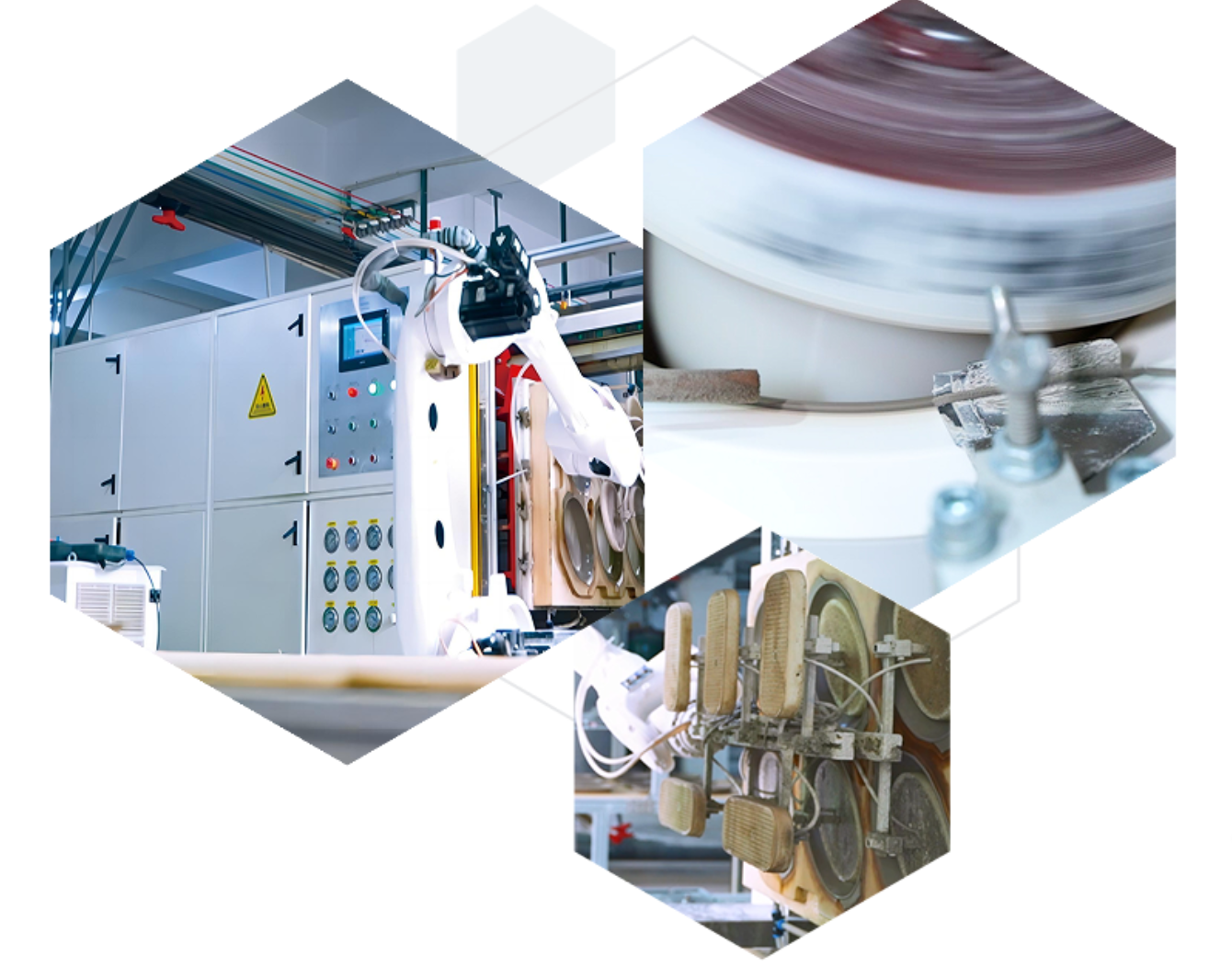
Energy waste in ceramic production often comes from several hidden areas.
First, many traditional machines use pneumatic or constant-speed drive systems. These systems may continue consuming power even when production demand changes. In daily operation, this means compressors, motors, and conveyors may work harder than necessary.
Second, kiln and drying heat is often not fully reused. Ceramic production requires high temperatures, but part of that heat may be discharged without being recovered. If the factory has no heat recovery design, fuel consumption remains high.
Third, manual transfer between production stages can increase energy waste. When forming, drying, glazing, and handling are not synchronized, equipment may wait, restart, or run inefficiently. The more fragmented the process, the harder it becomes to control energy per finished piece.
For factories focused on higher output, energy saving should not reduce productivity. HAODA’s article on high volume tableware output explains how automated forming systems can support larger production capacity while keeping quality more stable.
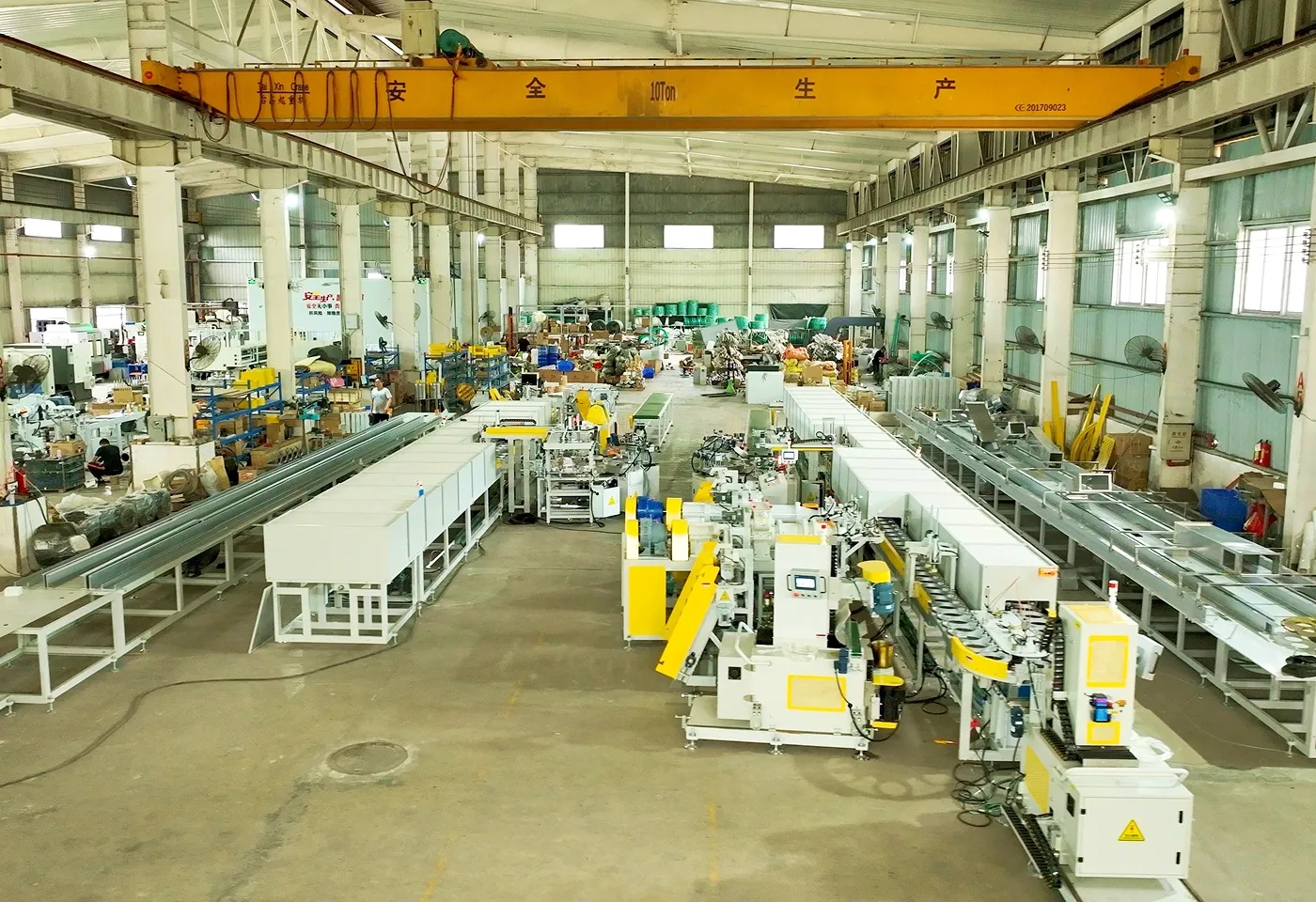
Key Technologies Behind an Energy Saving Ceramic Line
Servo Control for More Efficient Forming
Servo-controlled forming equipment uses power according to actual movement and load. Compared with older systems, servo drives can control pressure, speed, position, and forming rhythm more precisely. This helps reduce unnecessary electricity use while improving forming stability.
For plates, bowls, cups, and other daily-use ceramic tableware, stable forming is especially important. If the forming process is inconsistent, later stages such as drying, glazing, firing, and inspection may all be affected.
Heat Recovery for Lower Fuel Consumption
Kilns and dryers are among the most energy-intensive parts of a ceramic factory. A practical energy saving ceramic line should consider how heat can be reused instead of wasted.
Heat recovery may include:
- Using kiln exhaust heat for pre-drying
- Reusing warm air in drying tunnels
- Improving airflow circulation
- Reducing repeated heating and cooling loss
This type of system can help lower fuel consumption and shorten drying time, especially in factories with continuous production schedules.
Automated Glazing for Less Waste
Glazing is not only a quality issue. It is also an energy and material cost issue. Manual glazing can create uneven coating, glaze waste, and higher rework rates. When products need to be repaired, reprocessed, or rejected, the factory wastes both material and energy.
For manufacturers facing glaze inconsistency or high labor dependency, HAODA’s automated ceramic glazing line explains how controlled glazing equipment can improve surface consistency and reduce process variation.
PLC Control for Smarter Coordination
A ceramic production line becomes more efficient when every stage works in rhythm. PLC control can coordinate motor speed, conveyor movement, drying time, fan output, and transfer actions. Instead of allowing machines to run independently and inefficiently, the control system helps the whole line respond to real production demand.
This is where energy saving becomes a system-level result rather than a single-machine feature.
Which Factories Benefit Most from Energy-Saving Production?
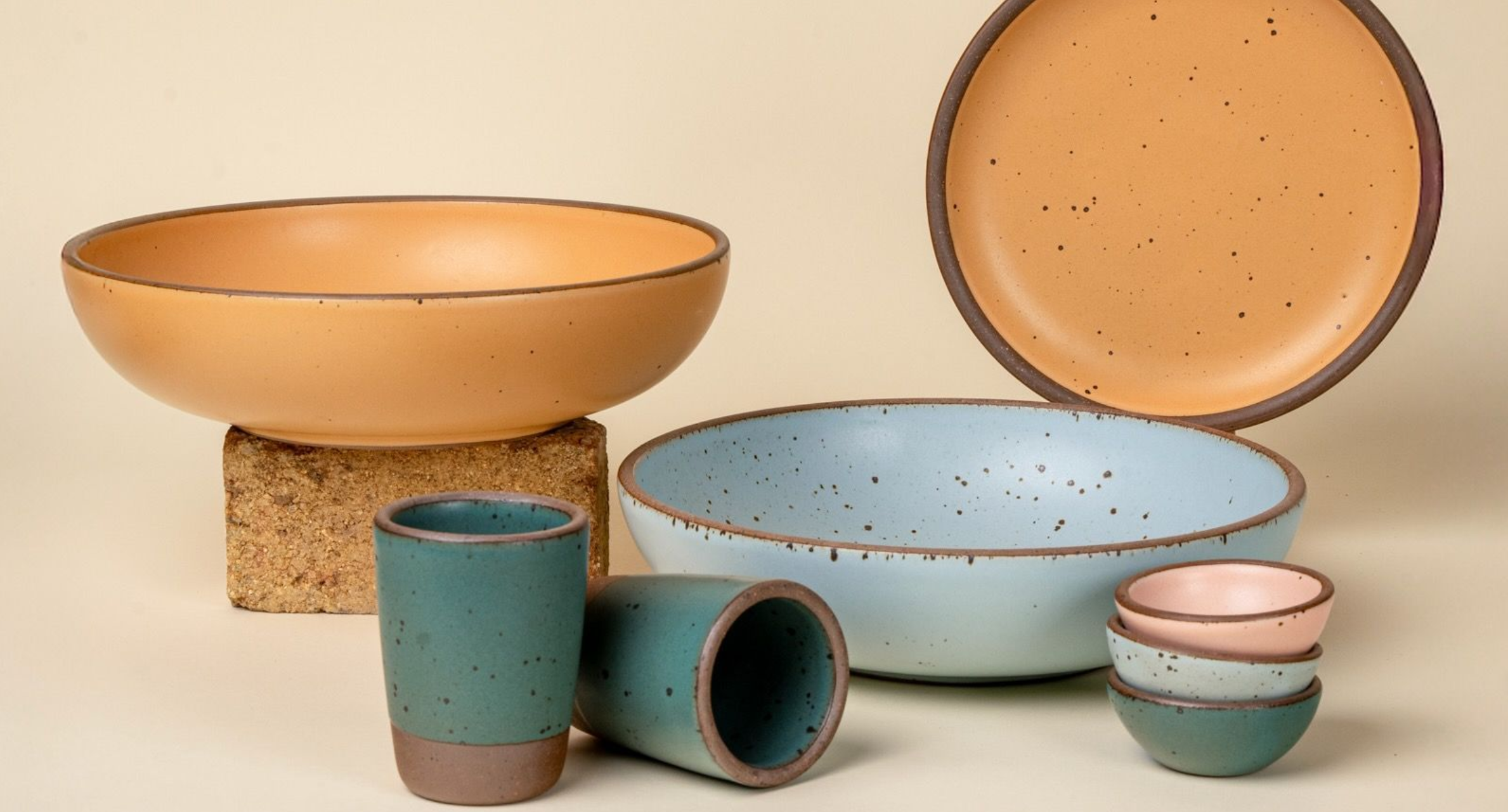
An energy saving ceramic line is especially suitable for factories with stable production volume, rising labor cost, high electricity or fuel expense, or export quality requirements.
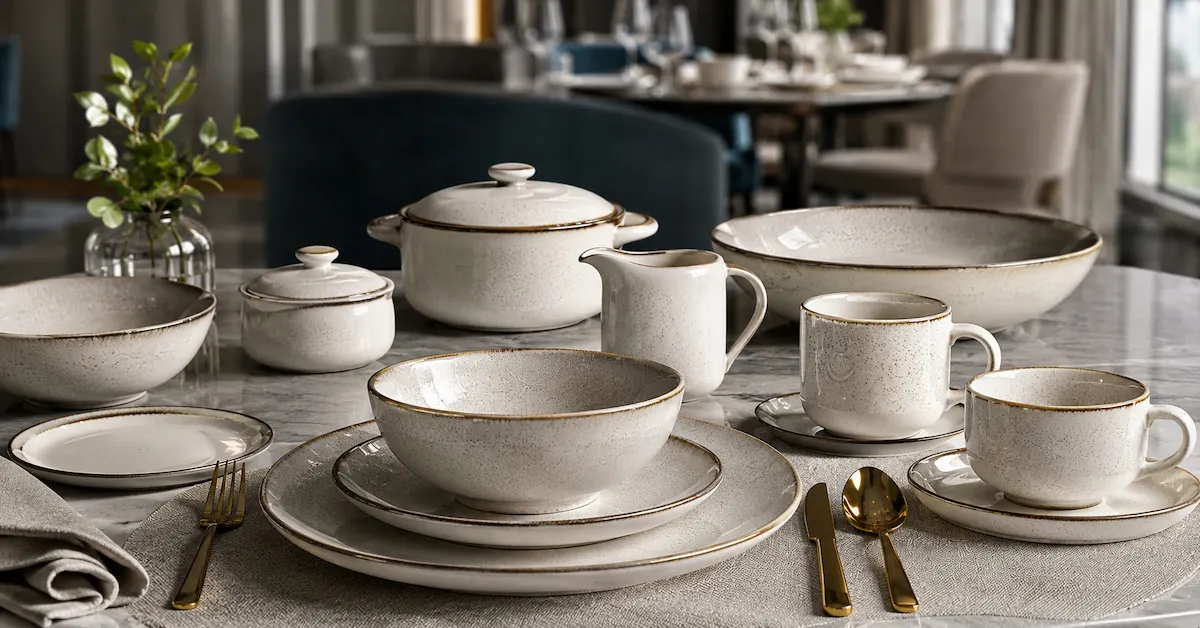
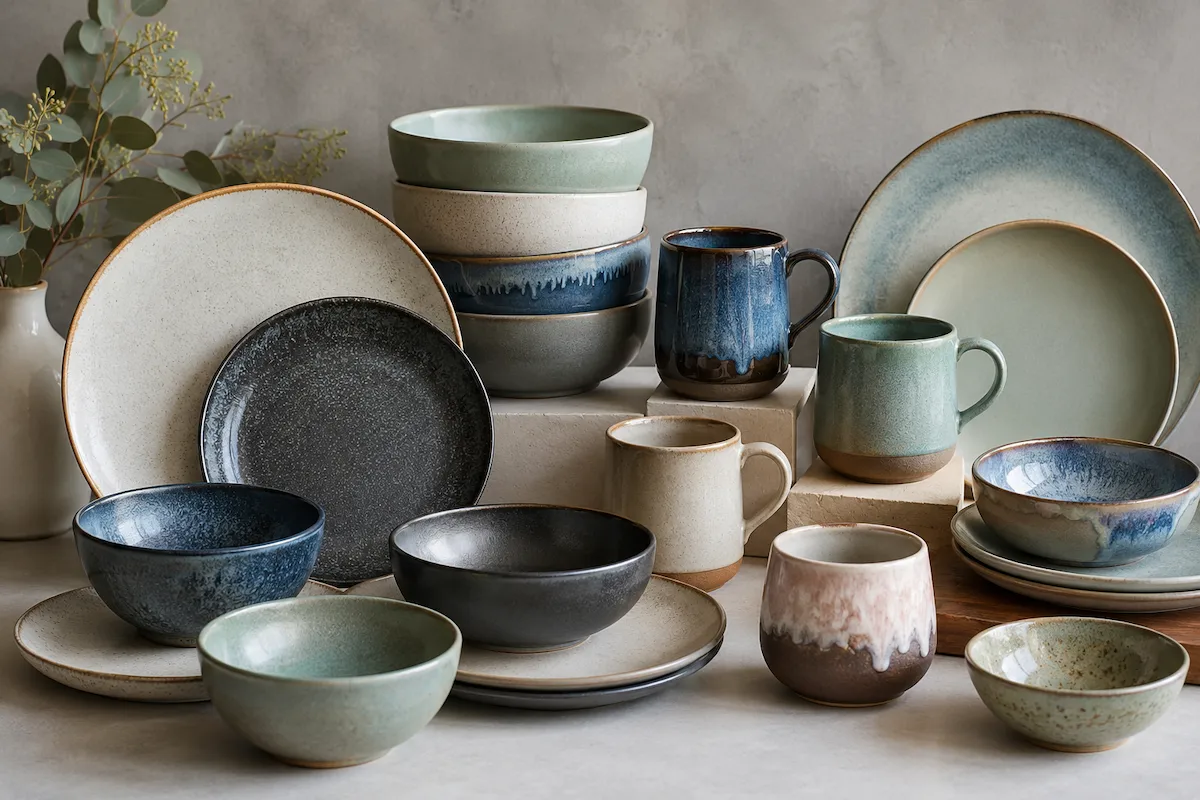
Daily tableware factories benefit because plates, bowls, cups, and dinnerware sets are produced in large quantities. When energy cost per piece drops, long-term profit improves.
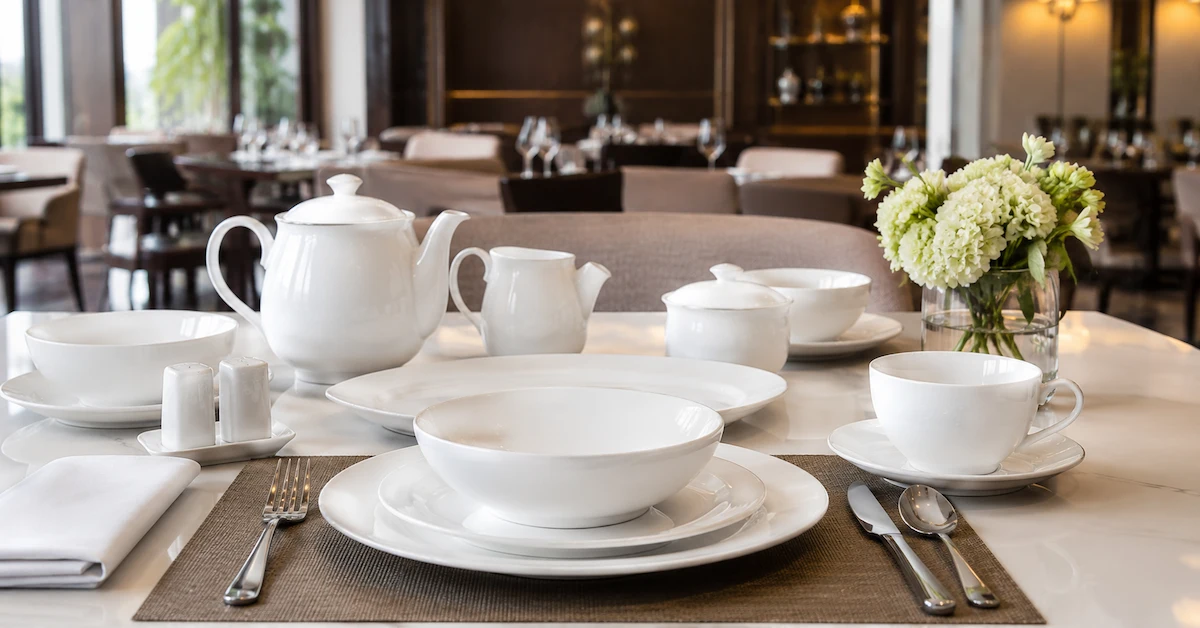
Hotelware and restaurant tableware suppliers also benefit. These customers often need large orders with consistent size, glaze, and appearance. Energy-saving automation helps factories reduce process fluctuation while controlling cost.
Export-oriented ceramic manufacturers benefit even more. International buyers often care about stable quality, delivery reliability, and production consistency. A more efficient production line helps factories compete not only on price, but also on manufacturing capability.
Factories making irregular or premium tableware should also consider the right forming method. For deep bowls, complex shapes, or products that require higher density and dimensional stability, high-pressure casting machines may be more suitable than standard forming equipment.
How to Choose the Right Energy Saving Ceramic Line
Not every factory needs the same configuration. A small factory upgrading from manual production may only need servo-controlled forming equipment at the beginning. A larger factory may need an integrated system covering forming, drying, glazing, transfer, and production control.
Before choosing machines, the factory should clarify several points:
- What products are being made?
- What is the target daily output?
- Are the products standard or irregular?
- Which stage consumes the most energy?
- Is the factory planning expansion?
- Does the layout allow future automation upgrades?
This is why equipment selection should start from production planning, not only from machine price. HAODA’s article on smart ceramic production planning provides a clearer framework for matching equipment configuration with product type, output target, and factory layout.
For new factories or full-line upgrades, planning becomes even more important. A poorly arranged factory may waste energy even if each machine looks efficient. A good layout reduces unnecessary transfer, improves workflow, and leaves room for future expansion.
For manufacturers planning a new facility or complete production upgrade, HAODA’s turnkey ceramic production project explains how forming, glazing, decoration, layout planning, installation, and technical support can be organized as one project-based solution.
Practical Upgrade Path for Ceramic Manufacturers
A factory does not always need to replace everything at once. In many cases, a step-by-step upgrade is more practical.
The first step can be upgrading the most energy-intensive or unstable stage. For some factories, this may be forming. For others, it may be glazing, drying, or material handling.
The second step is improving process connection. When machines are better synchronized, the factory reduces waiting time, manual transfer, and repeated start-stop waste.
The third step is planning for future capacity. A good energy saving ceramic line should support expansion. Additional forming units, glazing stations, decoration equipment, or transfer systems can be added when order volume grows.
This modular approach helps factories control investment risk while still moving toward higher automation and lower energy consumption.
Frequently Asked Questions
How much energy can an energy saving ceramic line reduce?
Actual savings depend on the existing equipment, production volume, kiln system, compressor use, and automation level. In general, servo control, heat recovery, and smarter process coordination can reduce unnecessary power and fuel waste.
Will energy-saving equipment affect product quality?
It usually improves consistency. Servo-controlled forming, automated transfer, and controlled glazing can reduce manual variation and help keep product size, surface finish, and batch quality more stable.
Can energy-saving lines work for different ceramic products?
Yes. The configuration can be adjusted for plates, bowls, cups, hotelware, daily-use ceramics, and some customized tableware products. Product size, shape, material, and output target should be confirmed before final equipment selection.
Is a full factory rebuild required?
Not always. Many factories can upgrade in stages. They may begin with forming automation, then add glazing equipment, drying optimization, or full production-line integration later.
Build a More Competitive Ceramic Factory with HAODA
Energy cost will continue to affect ceramic tableware manufacturing. But factories do not have to accept high energy waste as normal. With servo drives, heat recovery, automated glazing, smart control, and better line planning, an energy saving ceramic line can help reduce operating cost while improving production stability.
HAODA Machinery provides ceramic tableware equipment and production-line solutions for factories that need practical, scalable, and efficient manufacturing systems. Whether you are upgrading an existing workshop or planning a new ceramic production project, HAODA can help match the equipment configuration to your products, output target, and factory layout.
Explore HAODA’s ceramic production equipment or contact the HAODA team to discuss your energy-saving ceramic production line requirements.