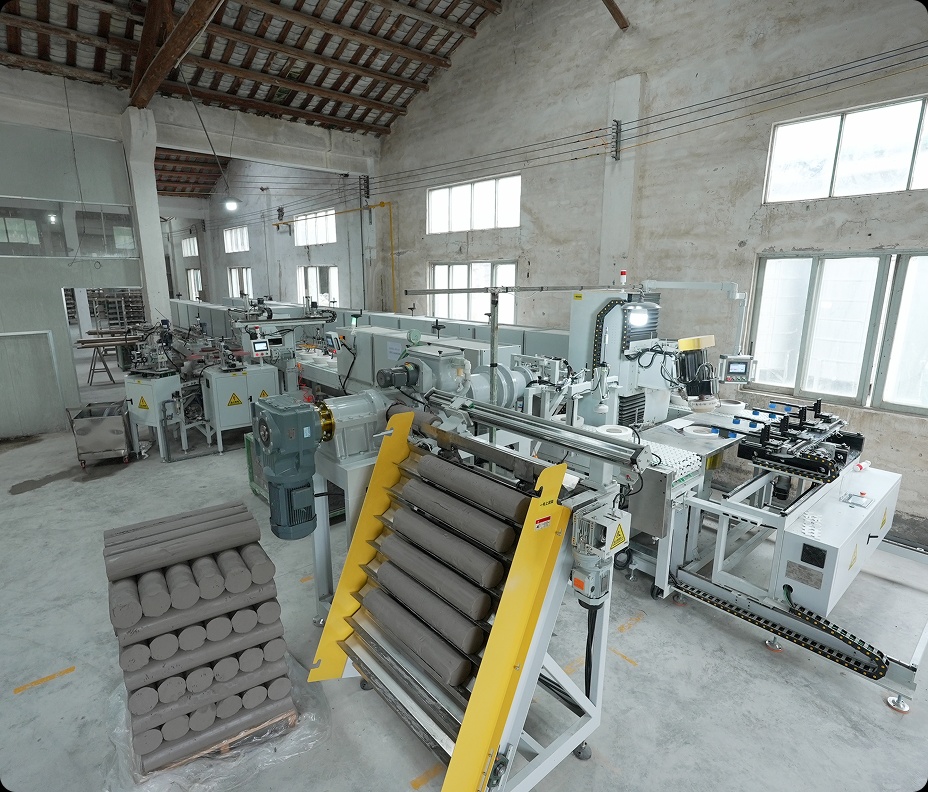

Why Forming Instability Still Limits Ceramic Tableware Production
In many ceramic tableware factories, production problems often begin at the forming stage but only become visible later—during drying, trimming, or even firing. Uneven moisture distribution, slight deformation, and inconsistent body strength are common issues that directly affect product quality and yield.
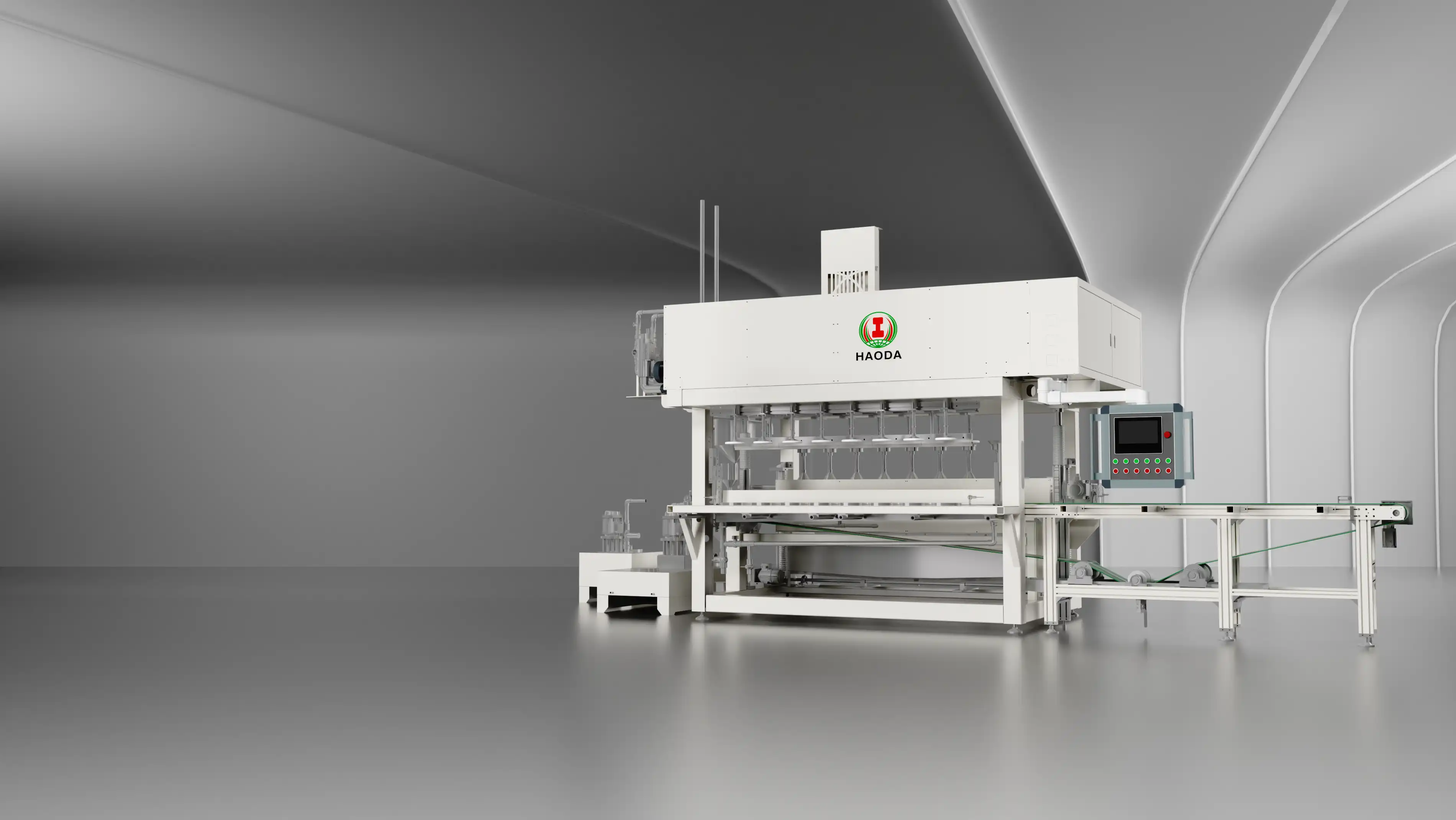
Traditional setups rely heavily on manual transfer between forming and drying, which introduces delays and variability. This is exactly where a ceramic jiggering line becomes critical. By integrating forming and drying into one continuous process, Haoda Machine provides a solution that reduces human interference and stabilizes production output.
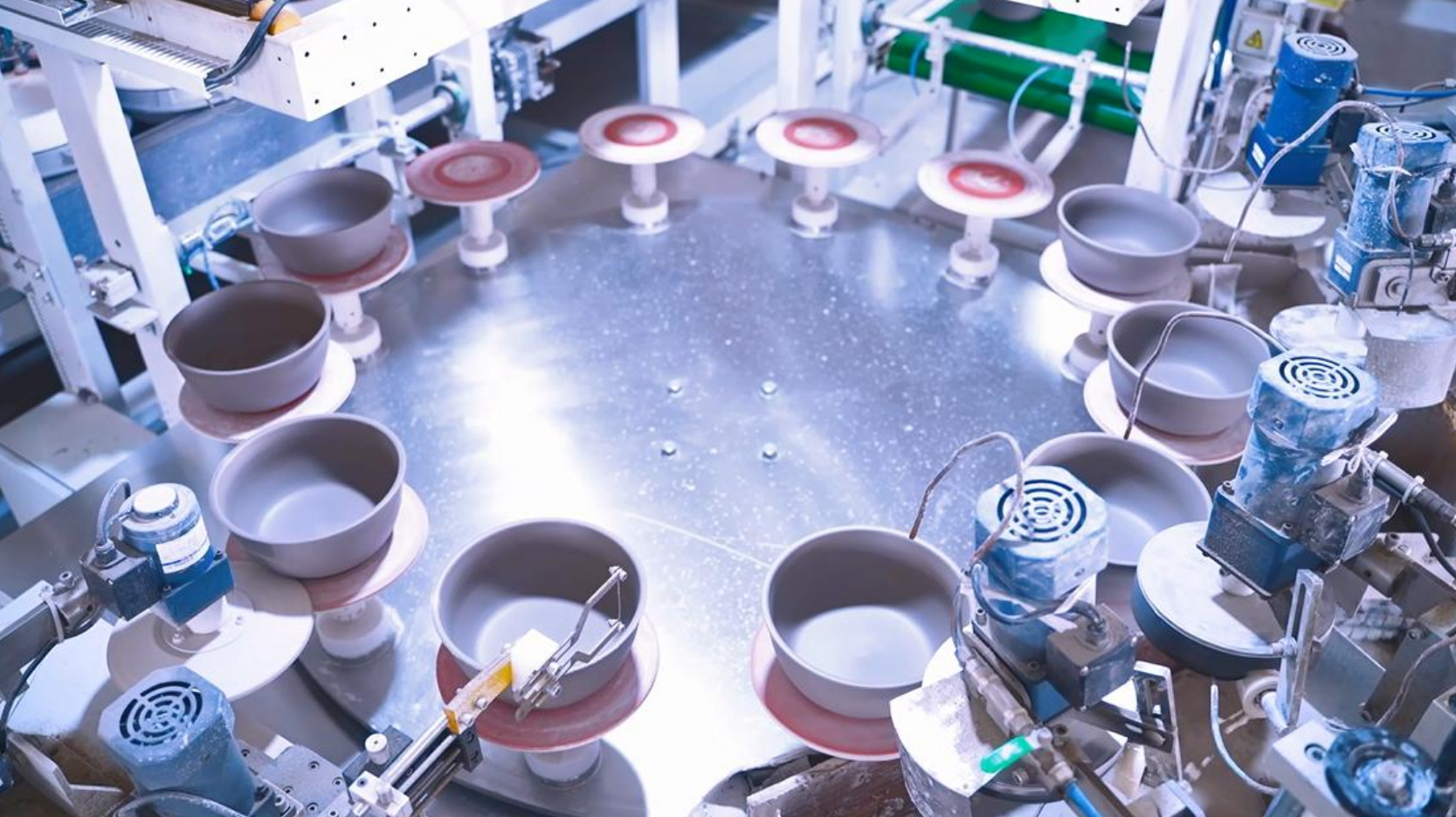
Engineering Reality: Why Forming and Drying Must Work Together
From an industrial perspective, forming and drying are not independent steps. The structure of the clay body immediately after jiggering is still sensitive to environmental conditions.
If drying is not controlled properly:
- Moisture gradients form inside the body
- Surface shrinkage becomes uneven
- Internal stress leads to warping or cracking
A well-designed ceramic jiggering line ensures that the transition from forming to drying is tightly controlled, minimizing these risks.
According to American Ceramic Society, early-stage moisture control is one of the key factors in maintaining dimensional stability in ceramic production.
Why Turnkey Ceramic Jiggering Line Solutions Are Becoming the Standard
As production scales increase, factories are no longer looking for individual machines. The real demand is for systems that can operate as a unified whole.
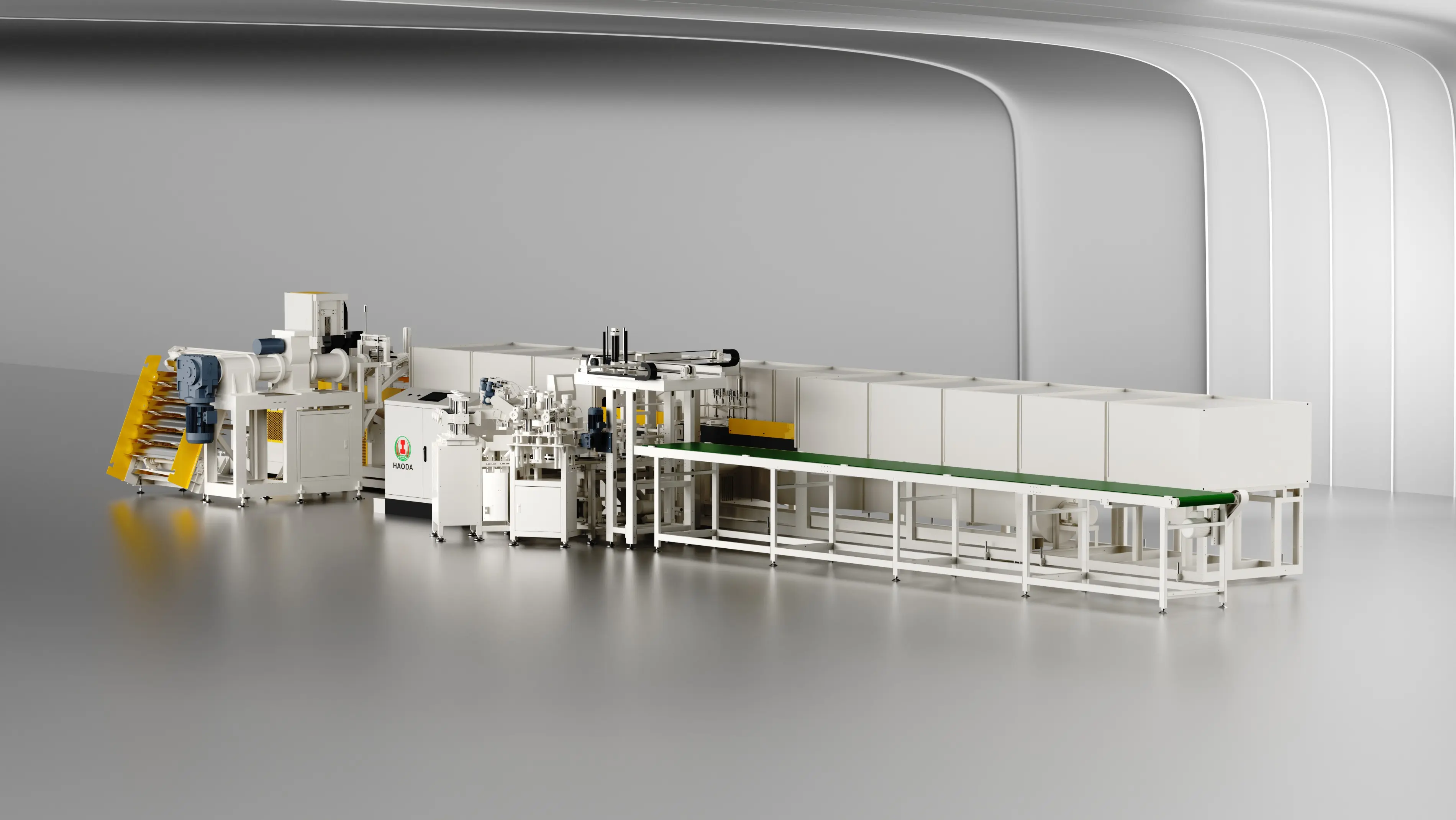
Haoda Machine provides a ceramic jiggering line turnkey solution, covering:
- Automatic clay feeding
- Precision forming
- Controlled drying
- Trimming and handling
Instead of managing multiple disconnected processes, manufacturers gain a continuous and predictable production system.
From Raw Clay to Green Body: A Fully Automated Production Flow
One of the biggest advantages of this solution is its ability to connect every stage into a seamless workflow.
Complete Process Flow:
- Vacuum pug mill automatic feeding
- Precision clay cutting system
- Automatic jiggering forming
- Mold primary drying
- Secondary drying system (White Dryer)
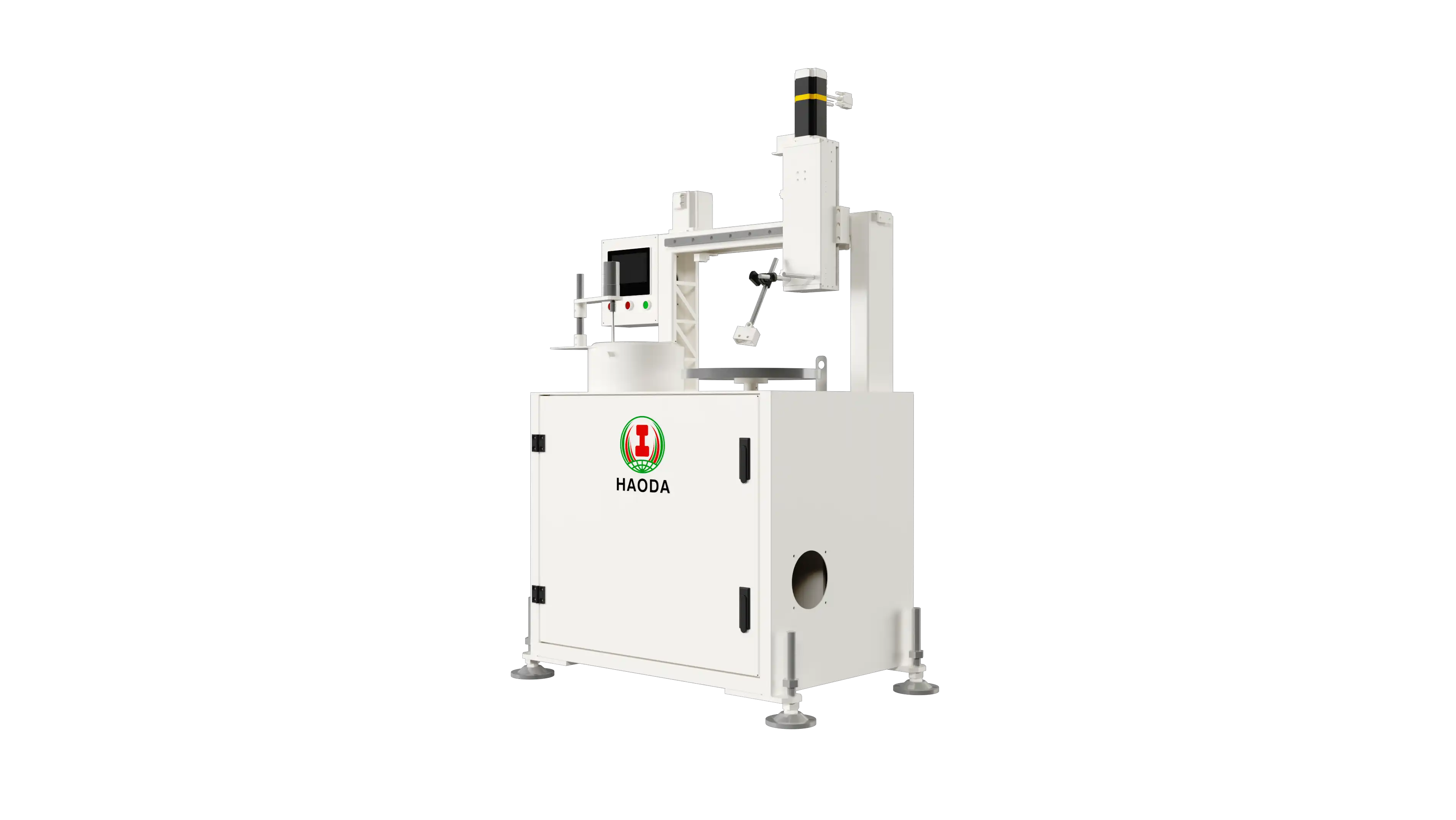
- Automatic trimming system
- Automatic demolding and conveying system
This structure allows the ceramic jiggering line to operate continuously, eliminating waiting time and reducing manual handling.
Measurable Production Improvements After Automation
Factories upgrading to automated systems typically see immediate operational benefits.
| Key Metric | Traditional Production | Automated Line |
|---|---|---|
| Labor Requirement | High | Reduced by 50%–70% |
| Deformation Rate | 8%–12% | Reduced to 3%–5% |
| Production Rhythm | Interrupted | Continuous |
| Drying Consistency | Variable | Stable |
| Output Stability | Fluctuating | Predictable |
These improvements are not just about efficiency—they directly affect product quality and delivery reliability.
Why the Secondary Drying System Makes a Critical Difference
In many traditional forming lines, products only go through one drying stage. This often results in:
- Uneven moisture distribution at the base
- Soft body structure during trimming
- Higher deformation risk
The integration of a secondary drying system (White Dryer) changes this dynamic.
Key benefits include:
- Increased body hardness before trimming
- More uniform moisture distribution
- Reduced deformation and cracking
- Improved stability for glazing and printing
This is especially important for factories producing high-quality or export-oriented ceramic tableware.
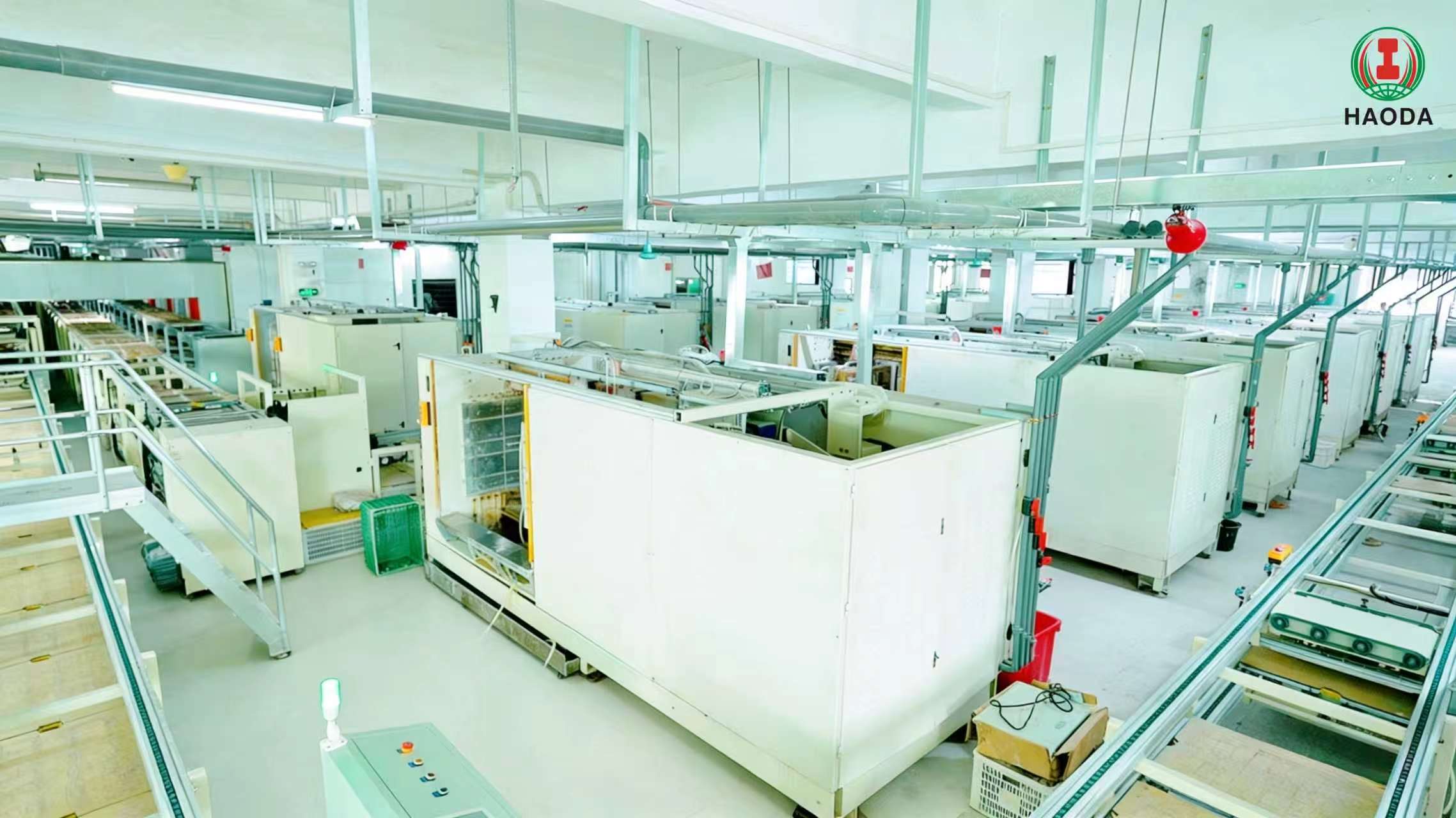
Equipment Design Built for Real Factory Conditions
A practical production line must adapt to different product types and factory layouts.
Haoda Machine’s solution includes:
- Single-head or double-head jiggering forming options
- Configurable White Dryer system
- Automatic clay feeding system
- Automatic trimming units
- Robotic demolding and handling
- Integrated conveyor systems
- PLC-based centralized control
This flexibility ensures that the ceramic jiggering line can be tailored to different production requirements.
Real Factory Case: Improving Stability in Plate Production
A ceramic tableware factory producing large volumes of plates for export experienced ongoing issues with deformation and inconsistent trimming.
After implementing an automated ceramic jiggering line with secondary drying:
- Labor reduced by over 60%
- Deformation rate dropped significantly
- Trimming consistency improved due to higher body hardness
- Production became continuous and easier to manage
The key improvement came from stabilizing the connection between forming and drying processes.
Where This Solution Delivers the Most Value
This type of system is particularly effective for:
- High-volume production environments
- Standardized product lines
- Export-oriented factories
Typical products include:
- Plates
- Bowls
- Dishes
- Cups
For these applications, consistency and efficiency are critical, making automation a practical necessity.
Supporting Complete Ceramic Factory Automation Projects
Beyond equipment supply, successful implementation depends on proper planning and execution.
Haoda Machine provides:
- Factory layout and production planning
- Automated line integration
- Installation and commissioning
- Operator training
- After-sales technical support
This ensures that customers can move from setup to stable production quickly.
Global Application Experience Across Ceramic Production Lines
Haoda Machine’s forming lines have been widely implemented in:
- India
- Bangladesh
- Southeast Asia
- Middle East
- South America
These real-world applications provide valuable experience in adapting solutions to different factory conditions and production goals.
See the Ceramic Jiggering Line in Real Production
This demonstration shows how forming, drying, and conveying are integrated into a continuous and stable production process.
Moving Toward Stable and Scalable Ceramic Production
If your current production still relies on manual transfer and single-stage drying, instability will continue to affect both quality and efficiency. A structured automation solution provides a clear path toward more reliable manufacturing.
About Haoda Machine & Our Forming Line Solutions
Haoda Machine specializes in ceramic jiggering line solutions designed for ceramic tableware factories upgrading toward automation. By integrating forming and drying into a continuous system, we help manufacturers reduce labor dependency and achieve stable production.
👉 https://www.haoda-machine.com/products
How This Solution Supports Your Factory Upgrade
The automated ceramic jiggering line with secondary drying addresses key production challenges such as deformation, uneven drying, and unstable output. It enables factories to move toward unmanned or low-labor production, ensuring higher consistency and long-term operational stability.
👉 https://www.haoda-machine.com/contact-us