
Why Glazing Becomes a Critical Weak Point in Ceramic Tableware Production
In many ceramic tableware factories, even after forming and drying processes are optimized, glazing remains one of the most unstable and labor-dependent stages. Traditional manual dip glazing relies heavily on operator experience—timing, immersion angle, and withdrawal speed all affect the final result.
In real production, this leads to common issues:
- Uneven glaze thickness across batches
- Dripping or accumulation marks on product edges
- Inconsistent surface finish between operators
- Low production efficiency due to manual handling
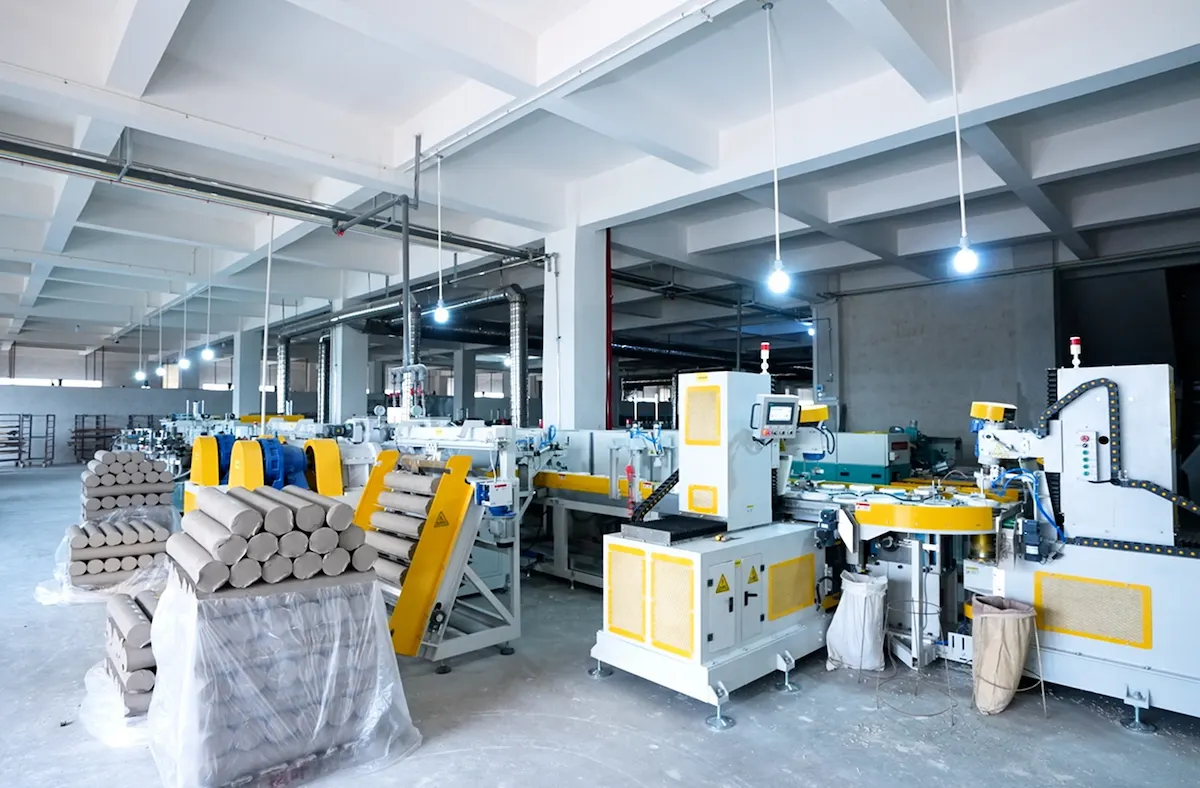
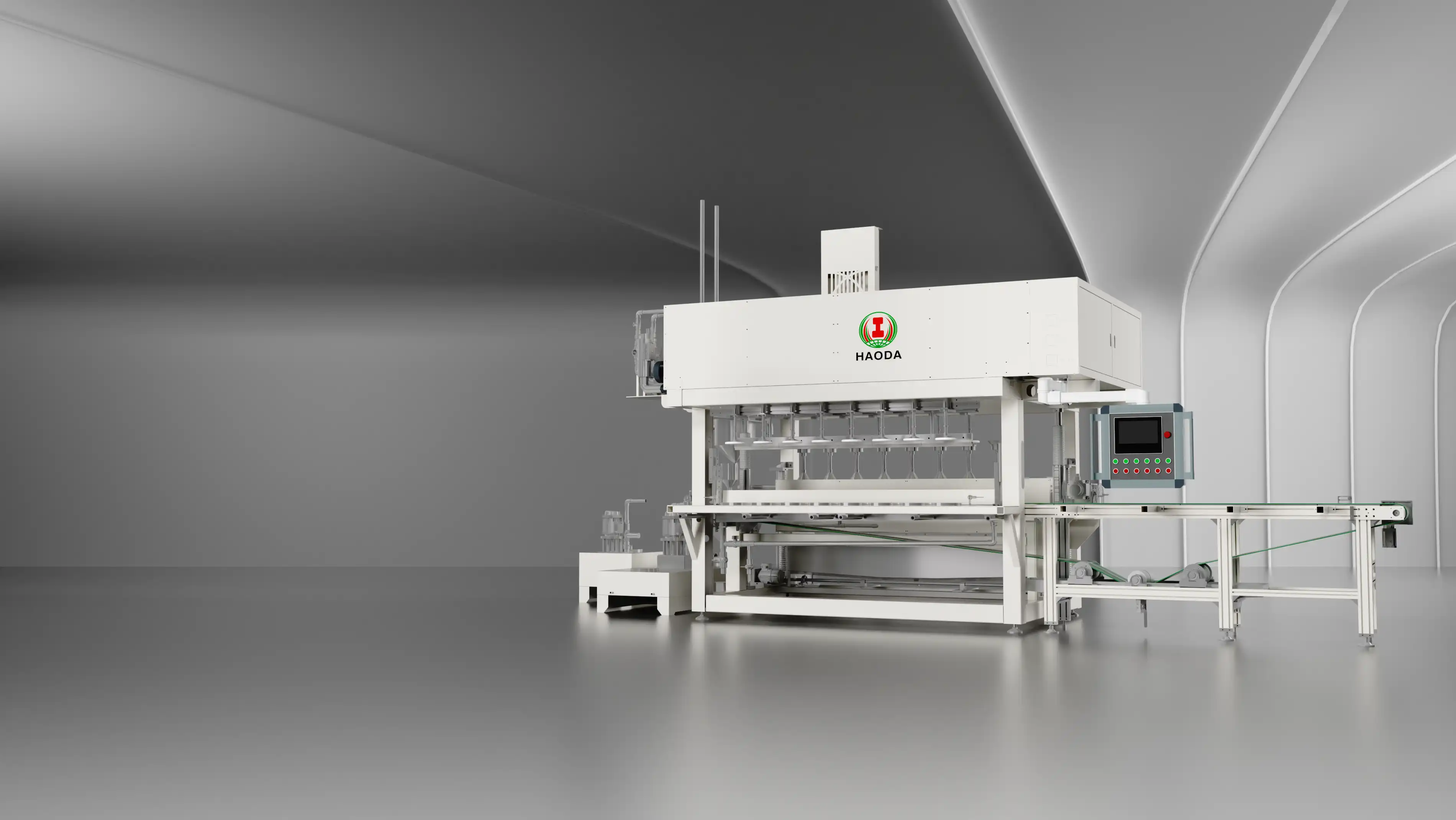
To solve these problems, Haoda Machine has developed a fully automated ceramic glazing line, designed to replace manual dipping with a controlled, multi-station automated process. This allows factories to achieve stable, repeatable glazing results while significantly improving throughput.
Understanding the Technical Factors Behind Uniform Glazing
Glazing is not just a simple coating process—it is a controlled interaction between material, motion, and timing. Small variations in process parameters can lead to visible defects.
Key technical variables include:
- Immersion time (typically 1.5–3 seconds depending on product)
- Withdrawal speed (affects glaze thickness and flow)
- Glaze viscosity (controlled by water ratio and temperature)
- Product geometry (edges, curves, and surface area)
According to American Ceramic Society, uniform glaze thickness is essential not only for appearance but also for firing performance and durability.
Automated glazing systems stabilize these variables by:
- Controlling immersion depth and timing precisely
- Synchronizing movement across multiple stations
- Maintaining consistent process parameters throughout production
This transforms glazing from a skill-based operation into a process-controlled system.
Why Manufacturers Choose Automated Glazing Lines Instead of Manual Processes
When production volume increases, manual glazing becomes a limiting factor. The challenge is not only efficiency but also maintaining consistent quality across large batches.
Haoda Machine’s glazing line is designed to address these issues through:
- Multi-station automated dipping for continuous operation
- Controlled motion systems to ensure repeatable coating
- Integration with upstream and downstream production processes
Instead of relying on individual operators, the system ensures that every product follows the same process logic, improving both quality and production predictability.
From Manual Dipping to Continuous Multi-Station Glazing
Traditional glazing often involves a single operator handling one product at a time. This creates bottlenecks and limits production speed.
Automation replaces this with a multi-station continuous workflow:
- Products are automatically fed into the glazing line
- Multiple stations perform dipping operations simultaneously
- Each station follows identical process parameters
- Finished products move directly to the next stage
This approach significantly improves production efficiency while maintaining consistency across all products.
Real Production Improvements: Efficiency, Cost, and Quality
Factories that transition to automated glazing systems typically observe measurable improvements:
| Key Metric | Manual Glazing | Automated Glazing Line |
|---|---|---|
| Labor Requirement | High (multiple operators) | Reduced by 50%–70% |
| Production Speed | Operator-dependent | Continuous |
| Glaze Uniformity | Variable | Highly consistent |
| Material Waste | High | Reduced by 15%–25% |
| Output Stability | Fluctuating | Stable |
These improvements are achieved by eliminating manual variability and optimizing material usage.
Equipment Design That Supports Real Factory Needs
A glazing line must be flexible enough to handle different product types while maintaining stable performance.
Haoda Machine’s glazing line features:
- Multi-station dip glazing design for continuous operation
- Flexible station configurations (5, 8, or 11 stations depending on capacity needs)
- Compatibility with different product sizes and shapes
- PLC control system for reliable and stable operation
- Simple operation and maintenance for daily use
This design allows manufacturers to adapt the system to their specific production requirements.
Real Application Case: Improving Glazing Stability in Plate Production
A ceramic tableware factory producing plates for export markets faced recurring issues with manual glazing. Different operators produced slightly different glaze thicknesses, leading to visible inconsistencies after firing.
After implementing an automated glazing line:
- Labor requirement reduced by over 60%
- Glaze uniformity improved significantly
- Material waste decreased by approximately 20%
- Production output increased due to continuous operation
The factory was able to standardize its glazing process and improve overall product quality.
Where Automated Glazing Lines Deliver the Most Value
Automation is especially effective in production environments where:
- Product volumes are high
- Surface finish consistency is critical
- Manual operations create bottlenecks
Typical applications include:
- Ceramic plates
- Bowls
- Cups
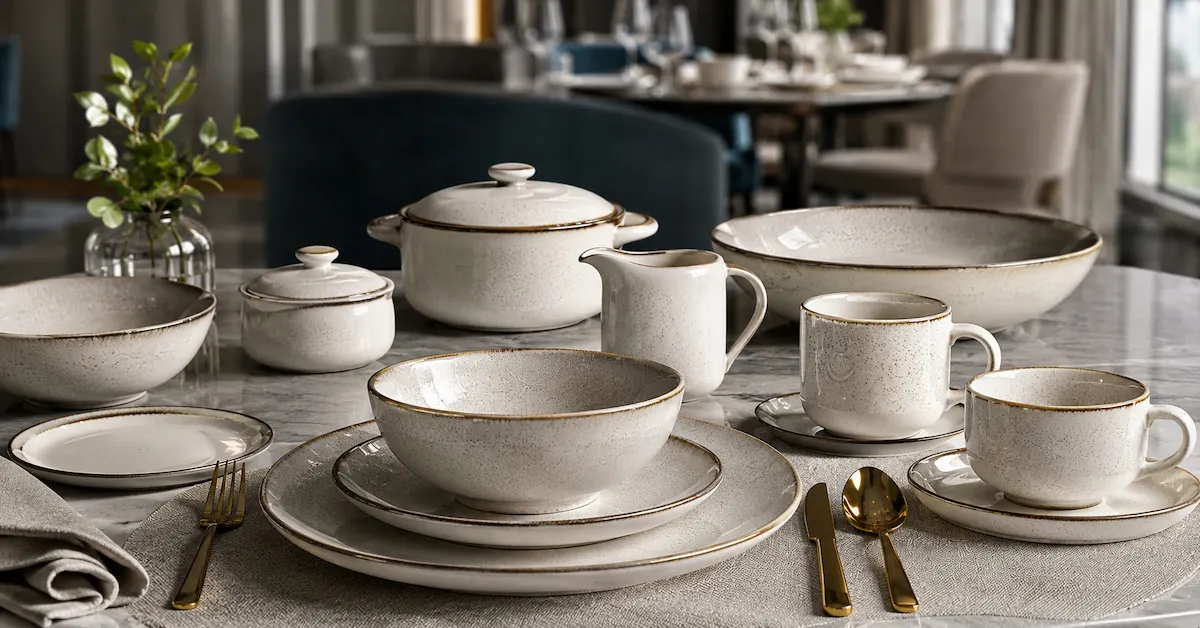
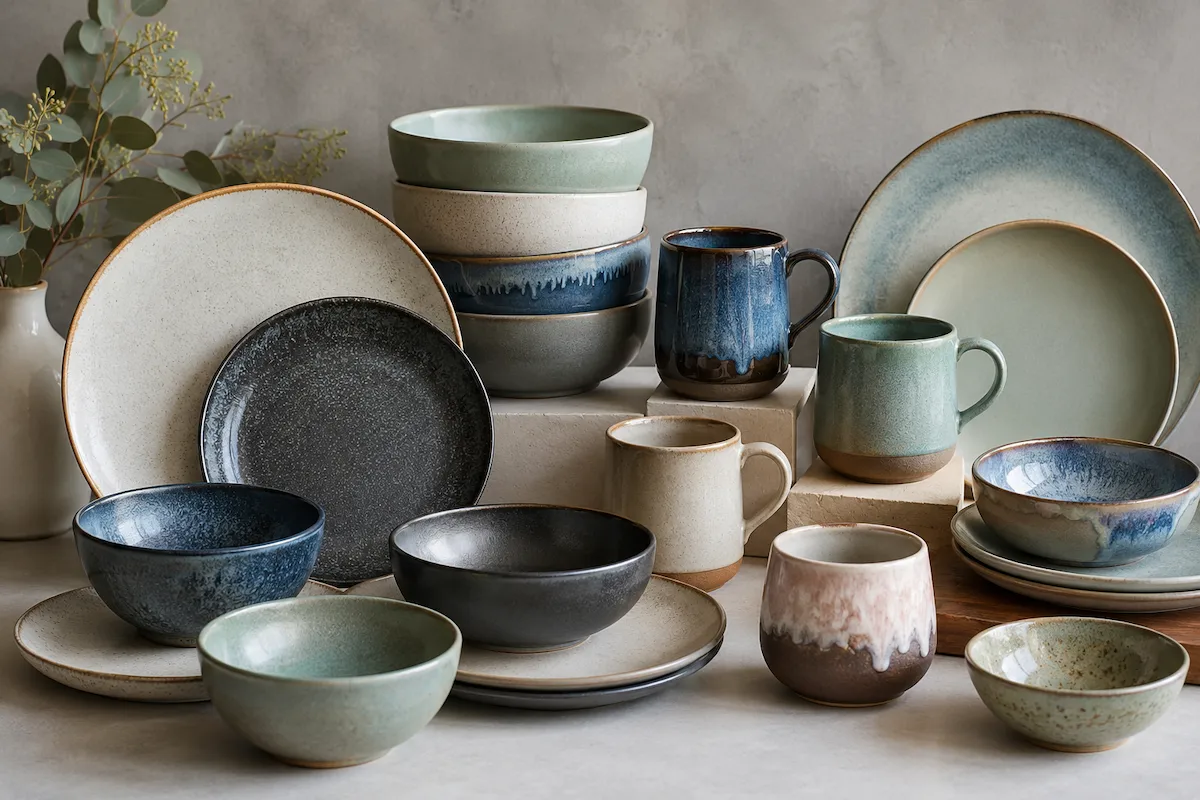
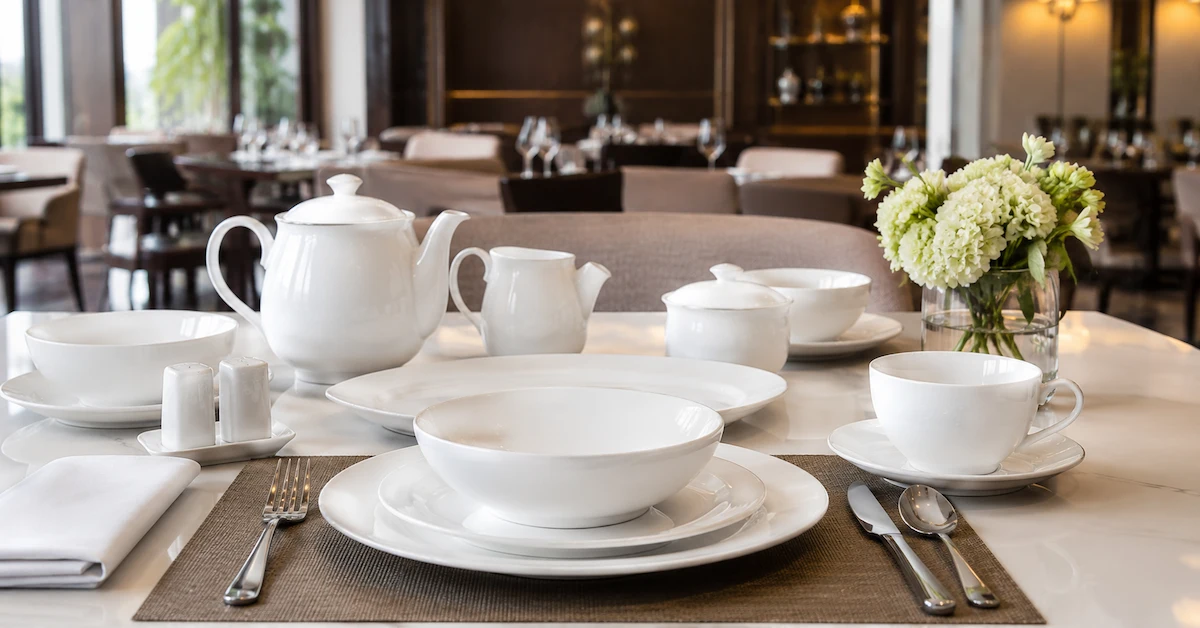
For these products, consistent glazing is essential for both appearance and performance, making automation a key upgrade.
Supporting the Entire Glazing Process for Better Results
Successful implementation of a glazing line requires more than just equipment installation. Process optimization and operator training are equally important.
Haoda Machine provides full support, including:
- Glazing process guidance based on product type
- Equipment installation and commissioning
- Operator training for system operation
- Production line planning and layout optimization
- Complete automation solutions for integrated production
This ensures that customers can achieve stable and efficient production after implementation.
See the Glazing Line in Real Production
To better understand how the automated glazing line operates in real production conditions, you can watch the following demonstration:
This example shows how multi-station dipping and continuous conveying work together to achieve stable and efficient glazing.
Moving Toward Stable and Automated Glazing Production
As ceramic tableware factories continue to scale, manual glazing becomes increasingly difficult to manage. Automation provides a clear path toward more stable and efficient production.
About Haoda Machine & Our Glazing Solutions
Haoda Machine focuses on delivering automated glazing line solutions for ceramic tableware factories, helping customers reduce labor dependency while improving production efficiency and glaze consistency. Our systems are designed for continuous operation and scalable production environments.
To explore our glazing equipment and automation solutions, visit:
👉 https://www.haoda-machine.com/products
How This Solution Supports Your Factory Upgrade
The automated glazing line is designed to solve key production challenges—uneven glaze coating, low efficiency, and high labor dependency. Through multi-station automation and precise process control, it enables factories to achieve unmanned or low-labor production, stable output, and improved material utilization.
If you are planning a production upgrade or need a customized glazing solution, contact our team for technical consultation:
👉 https://www.haoda-machine.com/contact-us