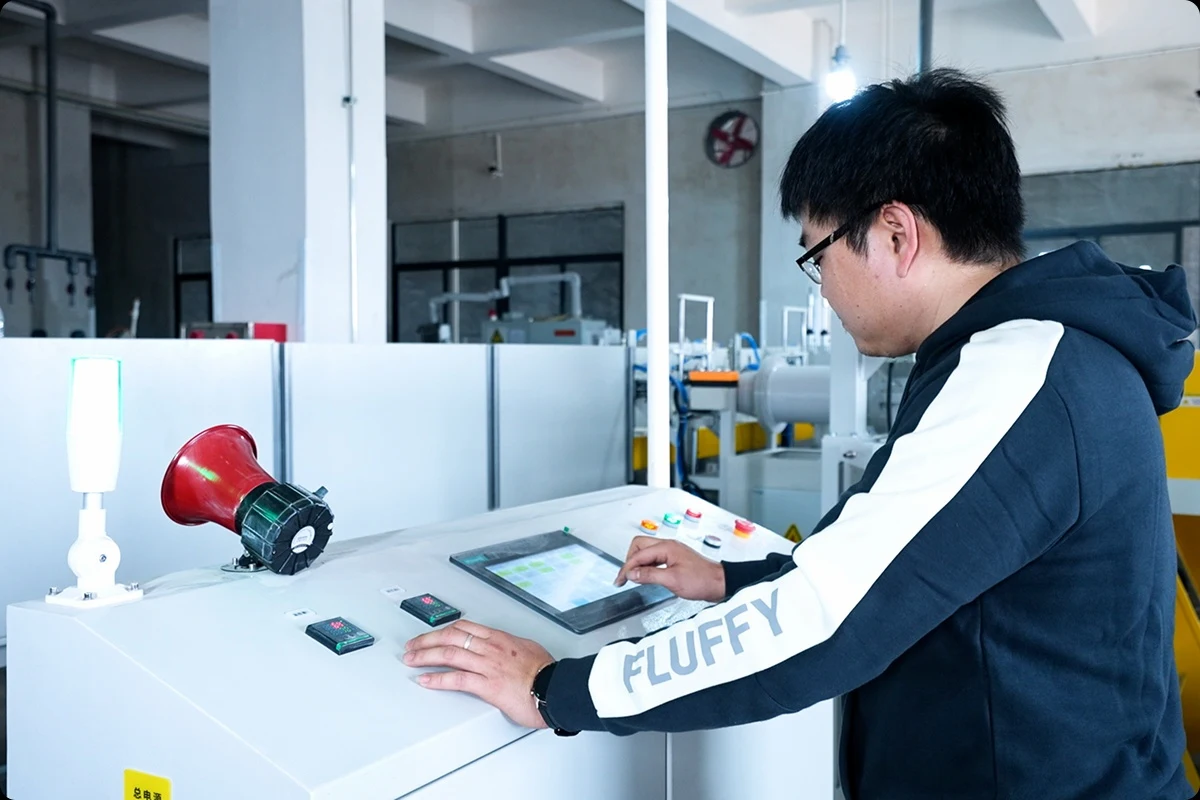

In the production of ceramic tableware, the glaze treatment process directly determines the appearance quality and final yield of the product. If you’re experiencing the following common challenges in your factory—uneven glaze thickness, inconsistent quality from batch to batch, and rising labor costs—you’re not alone.
Watch a demonstration of our machine in action:
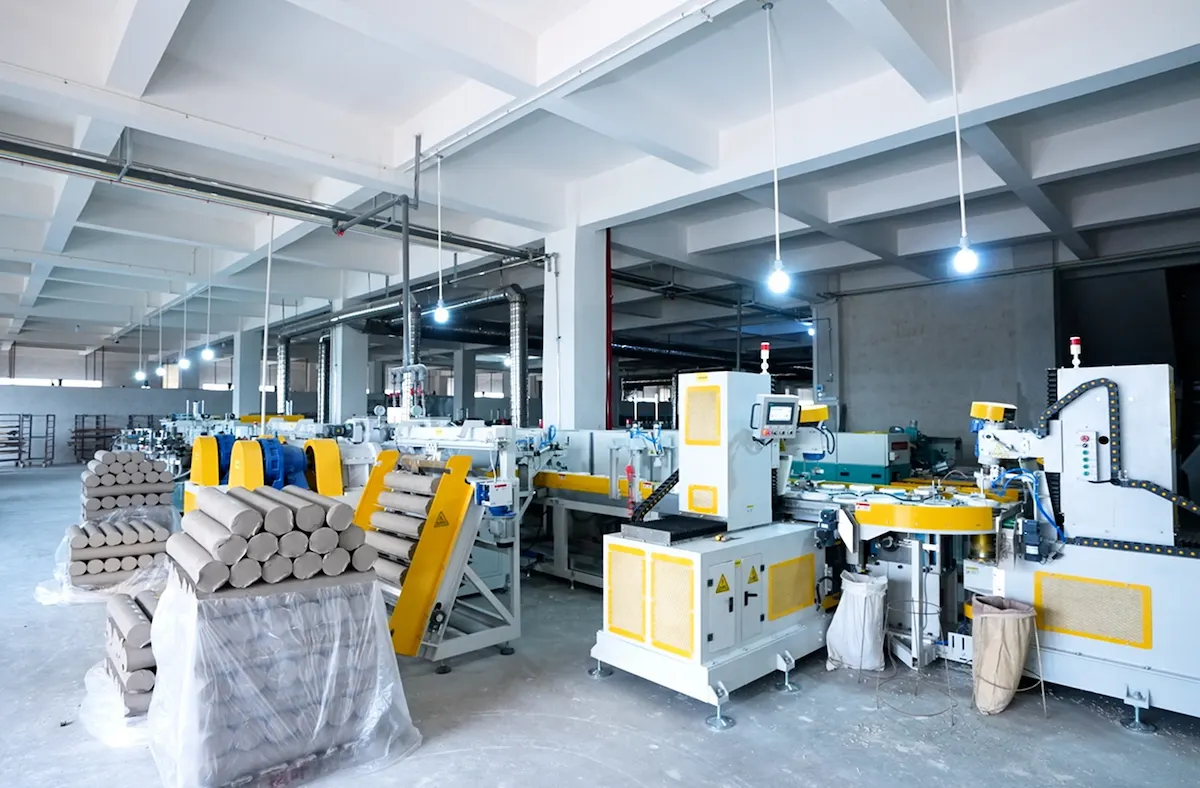
To this end, Haoda has developed a four-station automatic glazing machine, providing a practical solution for ceramic tableware manufacturers to improve glazing efficiency and product consistency.
What products can this machine process?
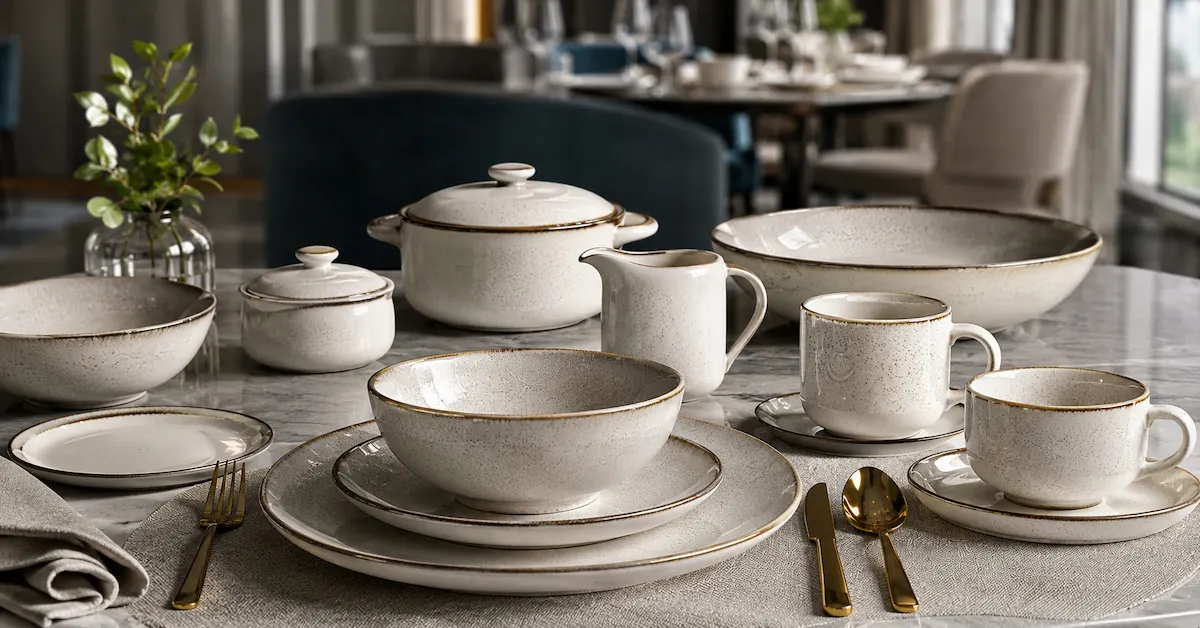
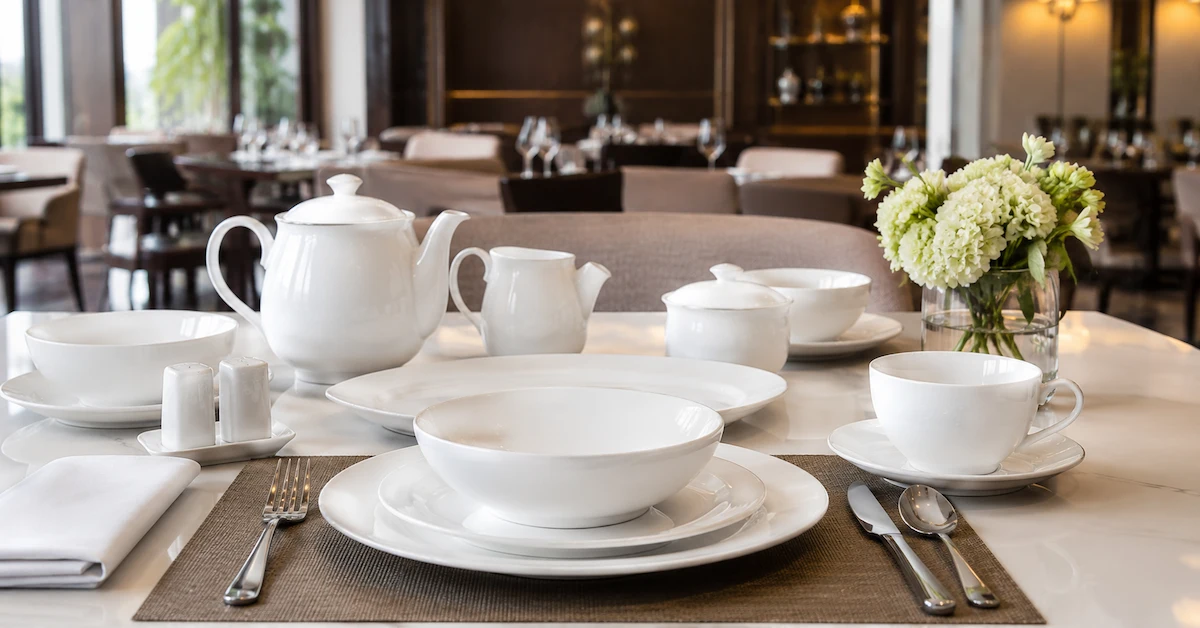
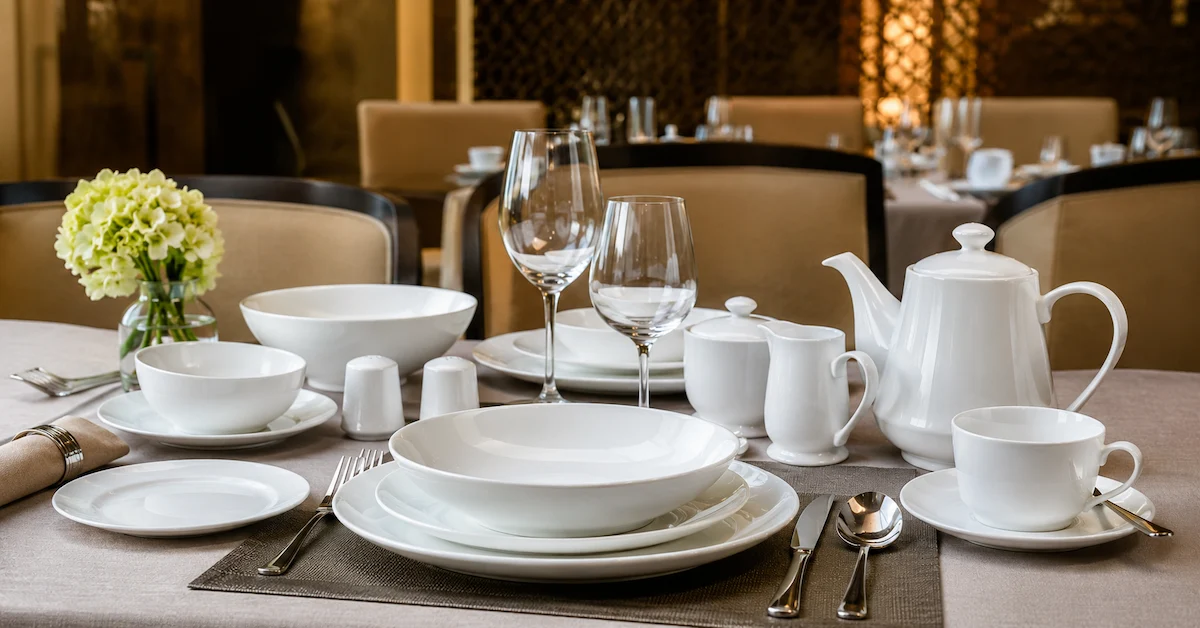
This four-station glazing machine is designed for the production of everyday ceramic tableware.
Product type:
- plate
- Bowl (rice bowl, soup bowl, deep bowl)
- plates and plates
- cups and mugs
- hotel tableware
- Chain restaurant tableware
- Custom branded tableware
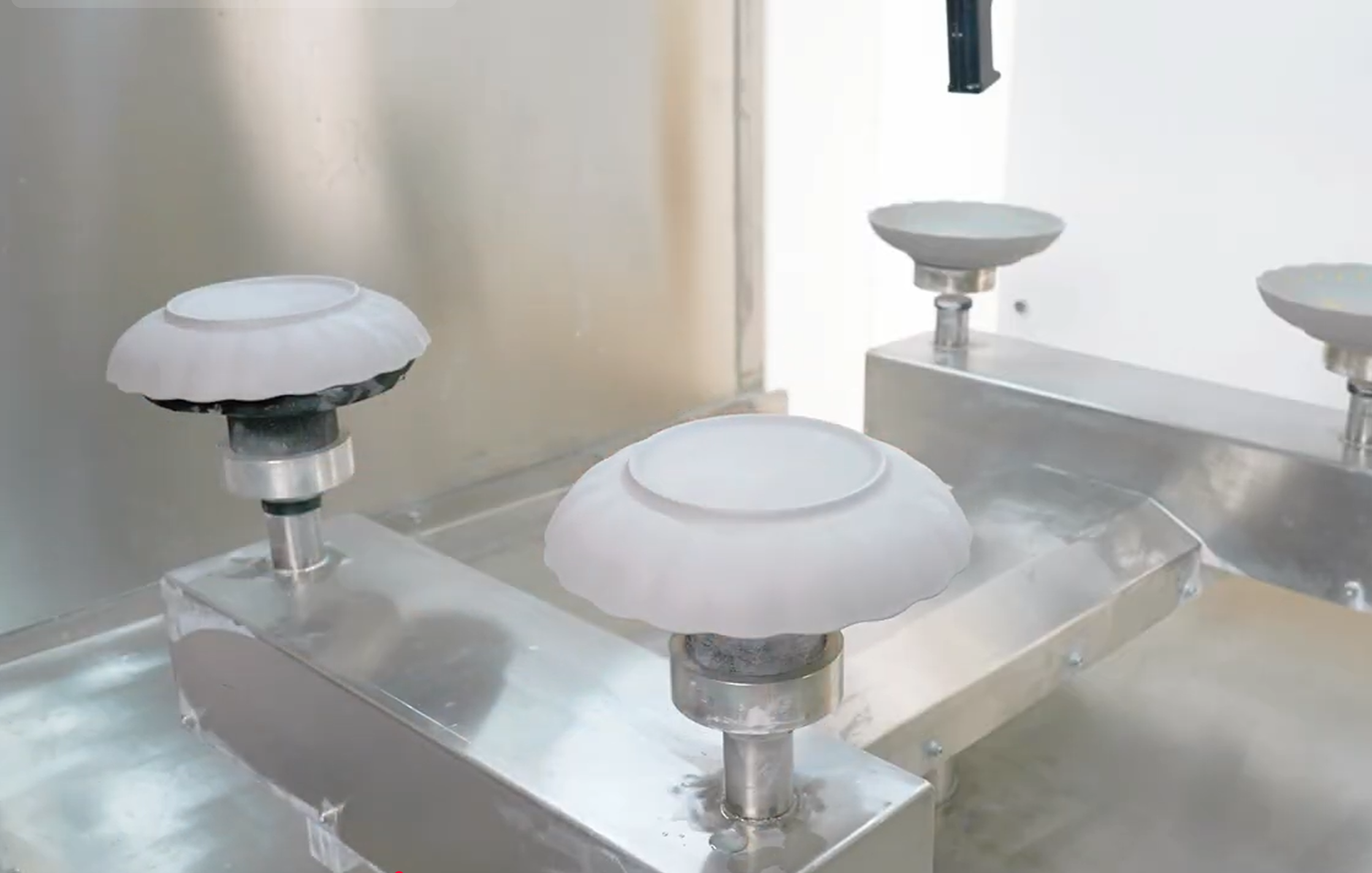
Supported glaze types:
- Transparent glaze
- white glaze
- Liuli
- matte glaze
- Reactive glaze
- gradient glaze
- special effect glaze
Whether you are producing standard white tableware for export or high-end glazed products for brand customers, this machine can meet your needs.
How does the four-station system work?
The machine is equipped with four continuously rotating spray stations. While one spray station is spraying, other spray stations move into position, creating an uninterrupted production cycle.
Main equipment features:
- Four-station automatic rotation system
- Adjustable parameter automatic spray gun
- The spray angle can be adjusted to suit different product shapes.
- Automatic turntable structure
- Stable and continuous operation
- Easy to operate and maintain
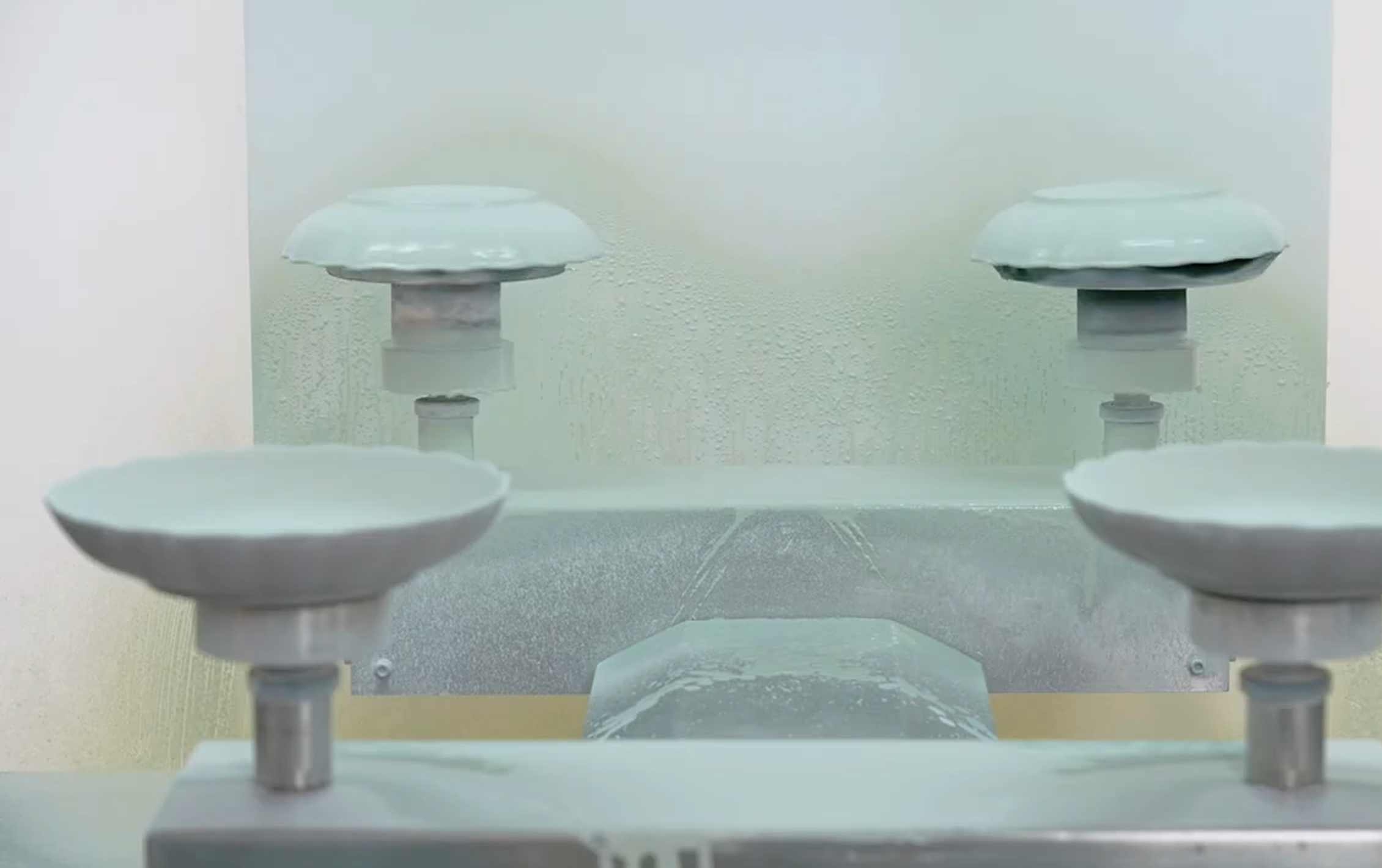
For operators: all they need to do is load and unload product. The entire process can be completed by one person, which greatly reduces labor requirements compared with traditional manual spraying.
5 typical application scenarios
Scene 1: Daily tableware manufacturing factory
Your situation: You produce a large number of plates, bowls, and cups every day. Hand glazing cannot meet the demand, and the quality of glazing by different workers varies greatly.
Advantages of this machine: Four stations operate continuously, which can meet the needs of mass production and ensure consistent glaze thickness for each product. Ideal for factories with a daily output of more than 10,000 pieces.
Typical products: plates, rice bowls, soup bowls, cups - standard shapes, mass production.
Scenario 2: Export-oriented ceramic manufacturer
Your situation: International customers demand consistent quality across thousands of products. Hand glazing can cause color variations and uneven thickness, resulting in product scrap.
The advantage of this machine is that automatic spray control ensures uniform glaze coating on all products. Your export orders will meet the quality standards of each batch.
Typical products: white glazed tableware, transparent glazed tableware sets, standardized export packaging products.
Scenario 3: Customized tableware production for brands
Your scenario: We produce tableware for hotel chains, restaurant brands, or custom corporate customers. Each project has specific color and finish requirements.
Advantages of this machine: Flexible parameter adjustment function allows you to quickly switch between different glaze types and product shapes. It can handle multiple client projects without spending a lot of time setting up.
Typical products: customized logo tableware, brand exclusive glass products, high-end hotel tableware.
Scenario 4: Factory automation upgrade
Your current situation: You use a manual glass laying process and are facing labor shortages and rising costs. You want to modernize your production without replacing the entire production line.
Advantages of this machine: This four-station glass spraying machine can be easily integrated into existing production lines. You can start with one machine and scale as needed. One operator can replace 3-4 manual glazing installers.
Typical Products: All standard tableware products in your current product line.
Option 5: New Ceramics Factory Project
Your situation: Building a new production plant from scratch. You need reliable, efficient, automated production line equipment.
Function of this machine: As a key component of the automated production line, the glaze spray machine can be seamlessly integrated with the molding machine, drying system, and kiln. Hoda provides complete production line planning support.
Typical products: A full range of daily tableware for domestic and export markets.
Advantages Over Manual Spray Glazing
| challenge | hand glass | Four-station automatic painting |
|---|---|---|
| Glaze uniformity | Depends on worker skills | Uniform thickness |
| Production efficiency | Limited by operator speed | Four consecutive stations in one cycle |
| labor demand | 3-4 workers per shift | 1 operator |
| glaze waste | High overspray loss | controlled application |
| working environment | Dust accumulation poses health risks | Enclosed spray area |
| product consistency | Batch differences are common | Normalized output |
Is this machine suitable for your factory?
This machine is perfect for you if you:
✓ You produce ceramic tableware (plates, bowls, cups, plates)
✓ You need to ensure consistent quality in high-volume glaze production.
✓ You need to ensure consistent quality in high-volume glaze production.
✓ You want to reduce your dependence on skilled glass installers.
✓ You are upgrading from manual to automated production.
✓ You produce products for export or brand customers who have strict quality requirements.
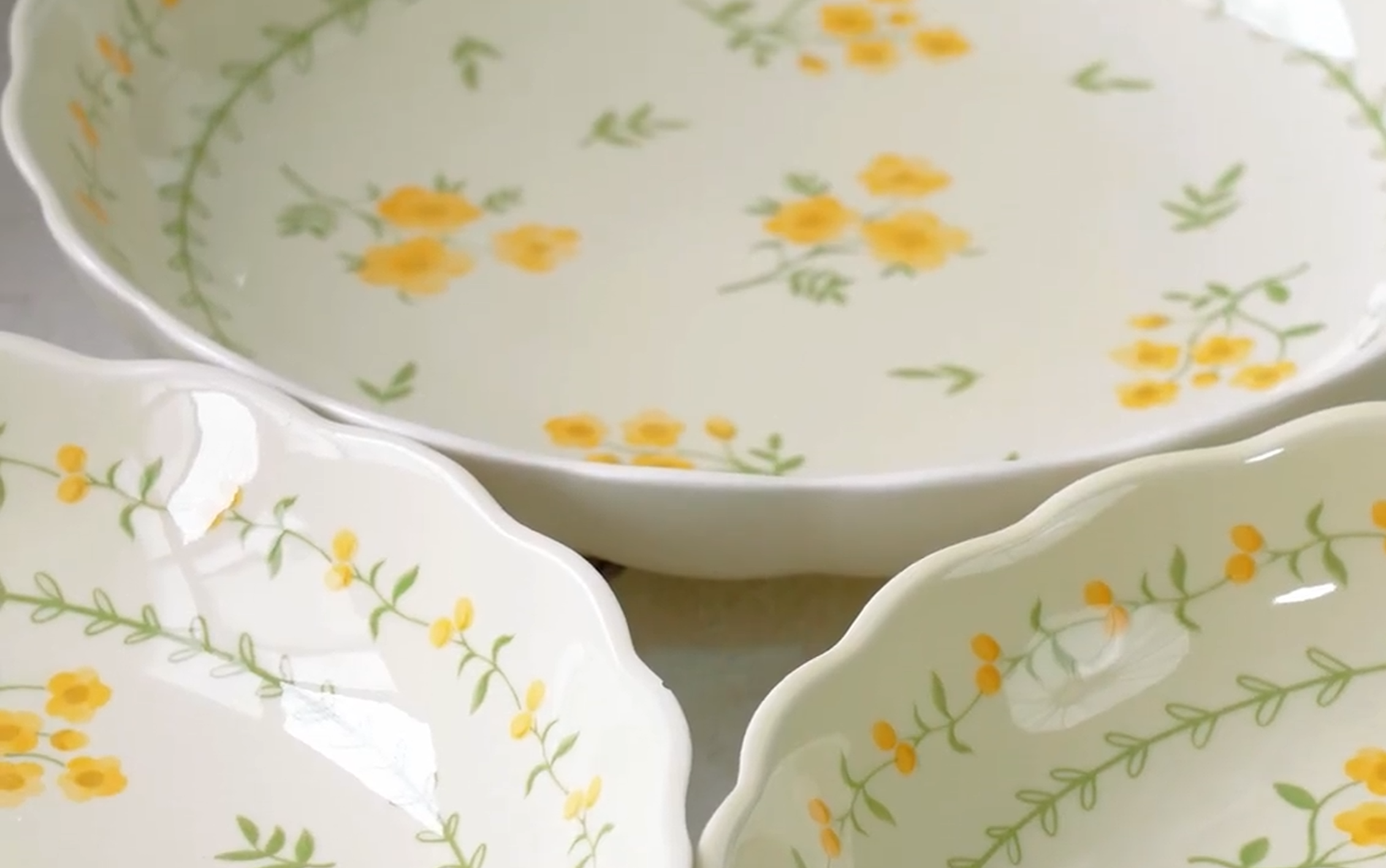
Please consider your specific needs:
The machine has efficient and uniform glazing capabilities and is suitable for mass production of white and transparent glazes in standard shapes.
For colored glazes, matt glazes or gradient effects , adjustable spray parameters allow precise processing of decorative finishes.
Things to consider before buying
When evaluating a four-station glass sprayer for your facility, consider the following factors:
Product range: What shapes and sizes of products do you mainly produce? The machine can handle plates, bowls, cups and saucers efficiently.
Glaze Type: Do you use multiple glaze colors? The system supports quick switching between transparent glaze, white glaze, colored glaze and special effect glaze.
Yield: What is your daily output goal? The four-station design is suitable for medium to large-scale production.
Factory layout: Where should machines be placed in the production process? Haoda provides layout design support.
Integration requirements: Can this equipment be connected to a forming machine or drying line? Does the equipment operate as a stand-alone unit or as part of an integrated system?
Real factory application
This four-station automatic glass spray machine is currently used by the following organizations:
- Chinese tableware factories produce more than 20,000 pieces every day.
- Southeast Asian ceramics exporting countries
- middle east hotel tableware supplier
- Ceramic brand that produces customized glazed products
The plants reported improved glass installation consistency, lower labor costs and increased post-installation throughput.
quick summary
This four-station fully automatic glazing machine provides ceramic tableware manufacturers with a practical path to automation. It operates continuously, ensuring consistent product quality and providing flexible glaze application. Not only does it solve the core challenges of manual glazing, but it adapts to a variety of products and customer needs.
Main advantages:
- Each product has a uniform glaze thickness.
- The entire process is managed by an operator.
- It can handle a variety of glaze types and product shapes.
- Can be integrated into automated production lines
- Reduce labor costs and improve consistency
Ready to upgrade your ceramic glazing?
Get technical specs – Contact us Detailed equipment parameters
Get Capacity Calculations - Send us your daily production goals and product specifications.
Get layout design advice – Share your factory floor plan so we can provide you with equipment placement recommendations.
Haoda Machinery specializes in the production of automated ceramic production equipment. From molding and glazing to material handling, we help ceramic factories improve production efficiency and product quality. Learn more about our products .