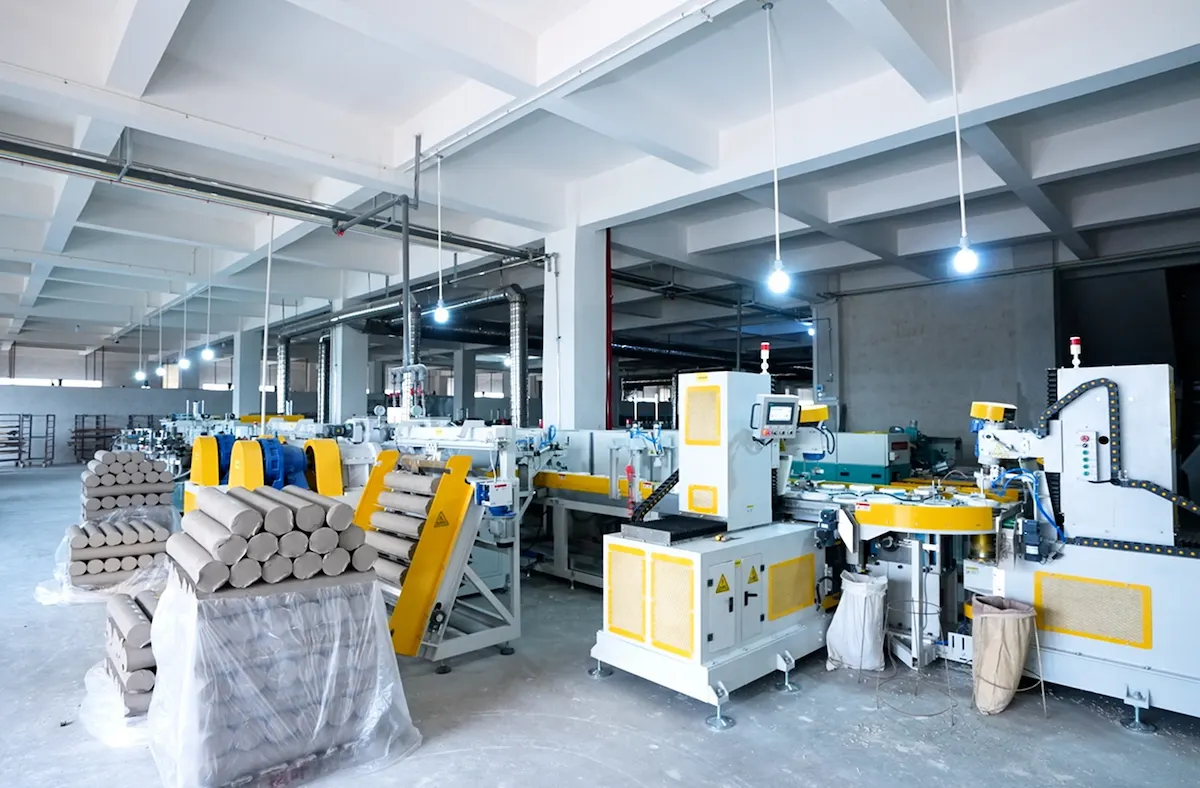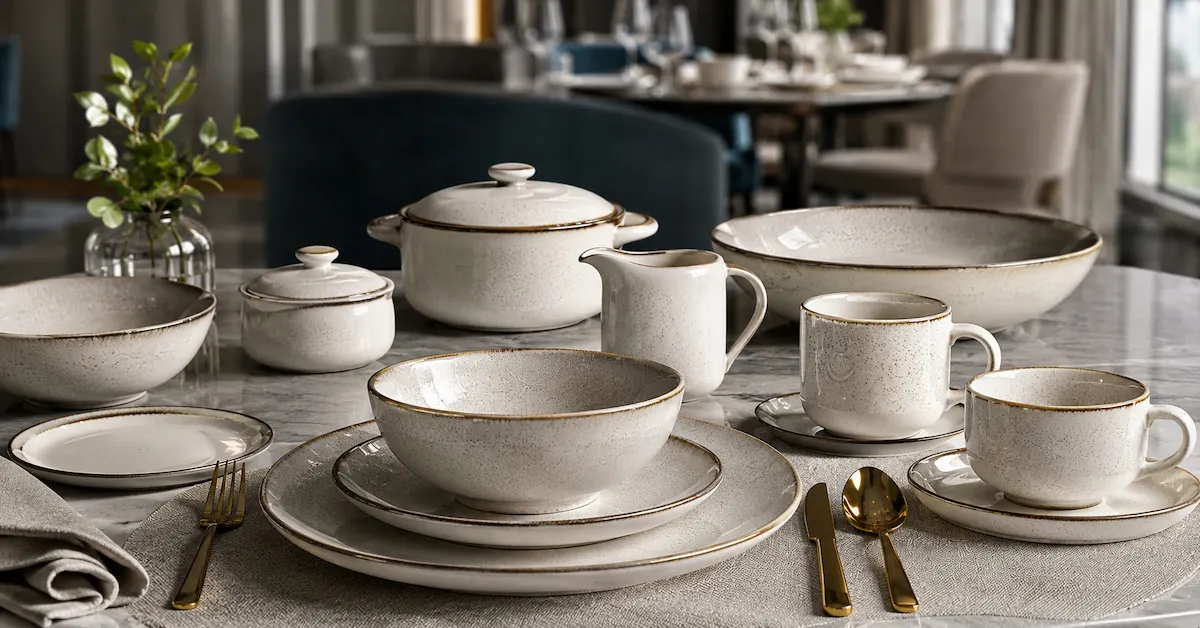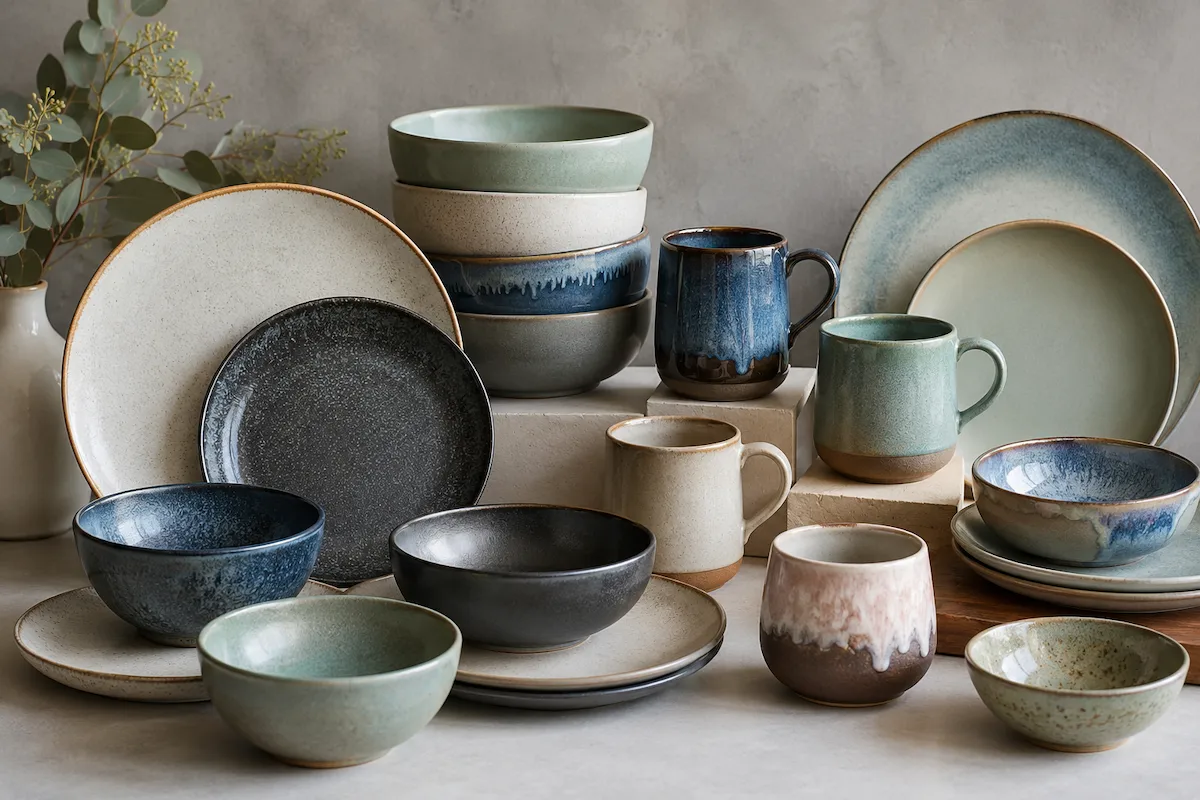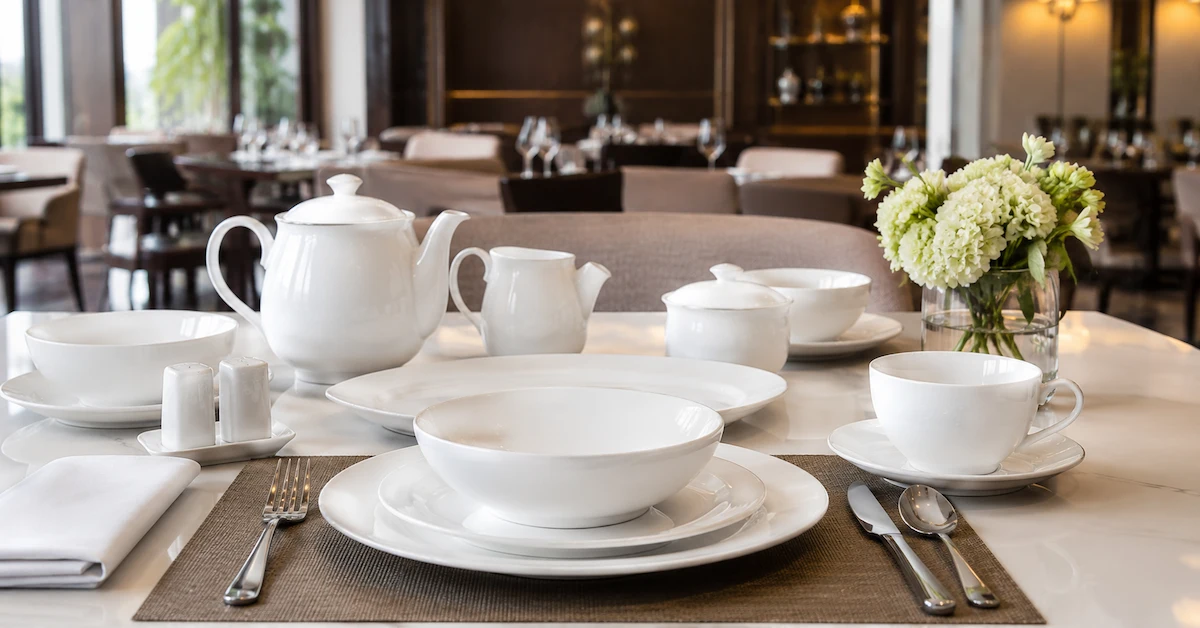

For export-oriented ceramic factories, choosing CE certified ceramic machinery is not only about meeting a certificate requirement. It is also about building a safer, more reliable, and more professional production system for ceramic tableware.
Many buyers who plan to export ceramic plates, bowls, cups, mugs, saucers, and dinnerware sets need equipment that can support stable production, safe operation, and long-term factory use. This is especially important for factories serving Europe, the Middle East, Southeast Asia, Latin America, hotel tableware buyers, restaurant suppliers, and OEM ceramic brands.
HAODA Machinery provides ceramic tableware production equipment for forming, casting, glazing, printing, and production line planning. For buyers who need export-ready ceramic equipment, CE certification can be part of the machine selection and project discussion.
What Does CE Certified Ceramic Machinery Mean?
CE certified ceramic machinery refers to ceramic production equipment designed and supplied with CE compliance for safety and export use.
For ceramic factories, this usually matters in areas such as:
- Electrical safety
- Mechanical protection
- Operator safety
- Control system reliability
- Stable operation during production
- Documentation support for export projects
For buyers, CE certification can help reduce uncertainty when importing machines, planning overseas installation, or discussing factory compliance with local teams.
However, buyers should not only ask, “Does the machine have CE?” They should also ask whether the machine is suitable for their product type, production capacity, factory layout, glaze process, and target market.
Who Needs CE Certified Ceramic Machinery?
CE certified ceramic machinery is especially suitable for factories that produce ceramic tableware for international markets.
Typical buyers include:
- Export ceramic tableware factories
- Hotel tableware manufacturers
- Restaurant tableware producers
- OEM ceramic factories
- Porcelain tableware manufacturers
- Stoneware tableware producers
- New ceramic factory investors
- Existing factories upgrading old production lines
- Ceramic factories importing equipment from China
These buyers usually care about both production performance and machine compliance. A safe and stable machine system helps the factory operate more confidently during daily production.
Typical Ceramic Products Made with CE Certified Equipment
CE certified ceramic machinery can be used in many common tableware production scenarios.
Typical product types include:
- Dinner plates
- Salad plates
- Soup plates
- Flat dishes
- Shallow bowls
- Deep bowls
- Rice bowls
- Soup bowls
- Cups
- Mugs
- Saucers
- Dinnerware sets
- Hotel tableware
- Restaurant tableware
- Porcelain tableware
- Stoneware tableware
- OEM branded tableware
Different products require different machine combinations. For example, standard plates and shallow bowls may need a jiggering line, while deep bowls and irregular shapes may need high-pressure casting equipment. Products with logos or decorative patterns may need pad printing equipment.
CE Certified Ceramic Forming Machinery
Forming is one of the most important stages in ceramic tableware production. If product shape is not stable at the forming stage, later glazing, decoration, and final inspection will become more difficult.
For export tableware factories, ceramic forming machinery is commonly used for:
- Dinner plates
- Salad plates
- Soup plates
- Saucers
- Flat dishes
- Shallow bowls
- Some mug bodies
A ceramic jiggering machine or automatic jiggering line is suitable for factories producing regular-shaped tableware in medium or large batches.
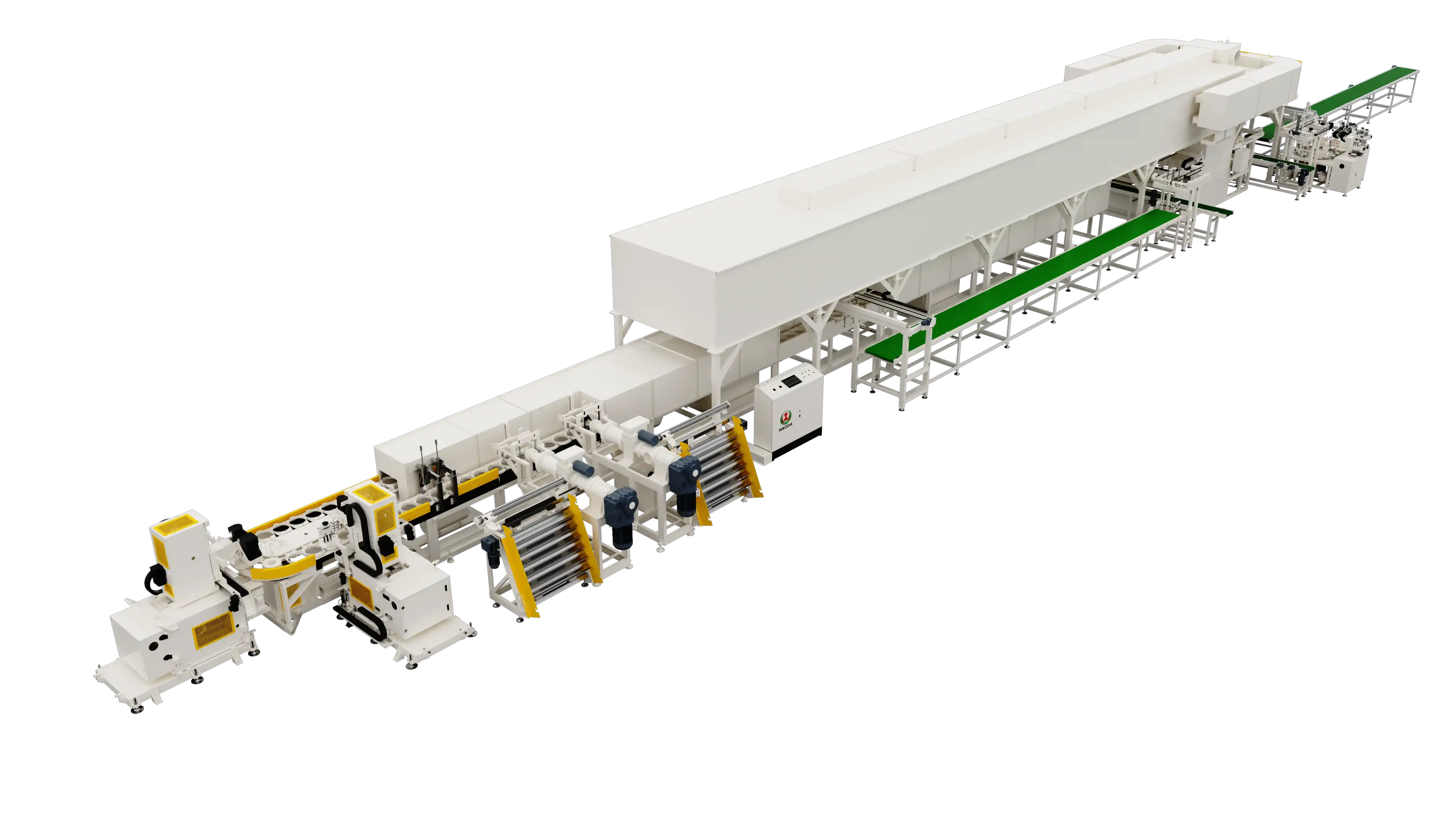
This type of equipment is suitable for:
- Daily tableware factories
- Export ceramic manufacturers
- Hotel tableware producers
- Large-scale ceramic factories
- Factories upgrading from manual forming
For buyers comparing different machines, the key question is not only whether the equipment is CE certified. The more practical question is: “Can this machine produce my product size and shape at the capacity I need?”
You can view HAODA’s ceramic machinery categories on the products page.
High-Pressure Casting Machine for Deep Bowls and Complex Shapes
Some ceramic products cannot be produced efficiently with standard forming equipment. Deep bowls, irregular products, thin-wall porcelain, and premium tableware often need high-pressure casting support.
A CE certified high-pressure casting machine is suitable for:
- Deep bowls
- Rice bowls
- Soup bowls
- Irregular ceramic tableware
- Thin-wall porcelain products
- Premium hotel tableware
- Airline tableware
- Complex ceramic shapes
This machine is often used by factories that want to expand their export product range. For example, a factory producing standard plates may later receive inquiries for deep bowls, premium porcelain tableware, or special-shaped restaurant products. In this case, high-pressure casting equipment can help the factory serve more order types.
Suitable customers include:
- High-end tableware manufacturers
- Export ceramic factories
- Complex-shape ceramic product manufacturers
- OEM ceramic tableware factories
- Premium porcelain producers
Before choosing this machine, buyers should prepare product drawings, product photos, product size, and target capacity. This helps HAODA recommend a more suitable equipment configuration.
Glazing Equipment for Export Ceramic Tableware
Glazing affects the final appearance of ceramic tableware. For export products, buyers usually expect consistent glaze quality across batches.
There are two common directions: dip glazing and spray glazing.
Dip Glazing Machine
Dip glazing is suitable for factories producing standardized daily-use ceramic products.
Typical glaze types include:
- White glaze
- Transparent glaze
- Basic functional glaze
Typical products include:
- Plates
- Bowls
- Cups
- Mugs
- Daily tableware
Dip glazing is suitable for large-volume production where products are relatively standard and glaze requirements are stable.
Suitable factories include:
- Daily tableware manufacturers
- Export ceramic factories
- Large-scale production factories
- OEM ceramic factories
Spray Glazing Machine
Spray glazing is more suitable for products that require flexible surface effects or more complex shapes.
Typical glaze types include:
- Color glaze
- Matte glaze
- Reactive glaze
- Gradient glaze
- Decorative glaze
Typical products include:
- Plates
- Bowls
- Cups
- Mugs
- Irregular tableware
- Vases
- Small and medium planters
- Decorative ceramic products
Spray glazing is suitable for:
- High-end tableware manufacturers
- Color glaze product manufacturers
- Brand ceramic factories
- Export ceramic manufacturers
In simple terms, dip glazing is better for standardized white glaze and transparent glaze production. Spray glazing is better for color glaze, decorative glaze, complex shapes, and higher-end products.
Pad Printing Machine for OEM and Brand Tableware
Many export ceramic factories do not only produce plain products. They also need to support brand logos, restaurant patterns, hotel tableware decoration, and OEM custom designs.
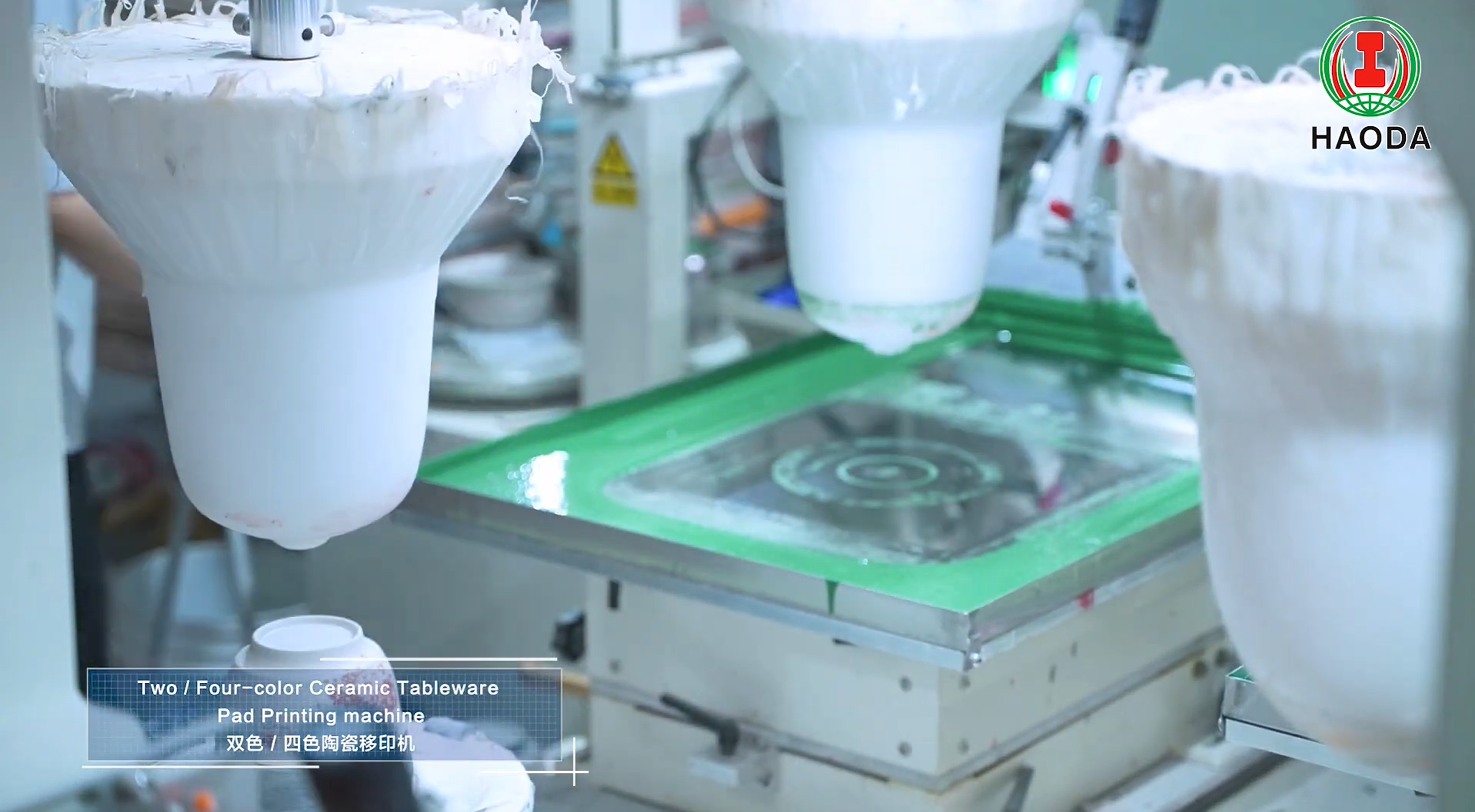
A CE certified ceramic pad printing machine can be used for:
- Plate printing
- Bowl printing
- Cup printing
- Mug printing
- Saucer printing
- Logo printing
- Multi-color printing
- Border decoration
- Brand decoration
This equipment is suitable for:
- OEM ceramic factories
- Brand ceramic manufacturers
- Export ceramic tableware factories
- Hotel and restaurant tableware suppliers
- Daily tableware manufacturers
For export buyers, pad printing helps factories increase product value and serve more customized orders.
For example, a hotel buyer may need logo printing on cups and plates. A restaurant chain may need border decoration on dinnerware sets. A supermarket customer may need seasonal patterns for retail tableware. In these cases, printing equipment becomes an important part of export-ready ceramic production.
How to Match CE Certified Machines with Factory Size
Not every factory needs the same machine configuration. A practical equipment plan should match the factory’s scale and product direction.
Small Ceramic Factories
Small factories usually need practical equipment that is easy to operate and suitable for gradual upgrades.
Suitable directions include:
- Basic ceramic forming machine
- Semi-automatic production support
- Dip glazing machine
- Simple printing equipment
These factories may serve local markets first and later expand into export orders.
Medium Ceramic Factories
Medium factories usually need better production stability and more product flexibility.
Suitable directions include:
- Automatic jiggering line
- High-pressure casting machine
- Dip glazing or spray glazing equipment
- Pad printing machine
- Production layout planning
These factories may serve OEM buyers, restaurant supply chains, and regional export markets.
Large Export Ceramic Factories
Large factories usually need integrated production line planning.
Suitable directions include:
- Automatic forming line
- High-pressure casting machine
- Automatic glazing line
- Spray glazing machine
- Pad printing machine
- Factory layout support
- Production line integration
These factories usually produce larger volumes for export, hotels, brands, or international tableware buyers.
Application Scenarios for CE Certified Ceramic Machinery
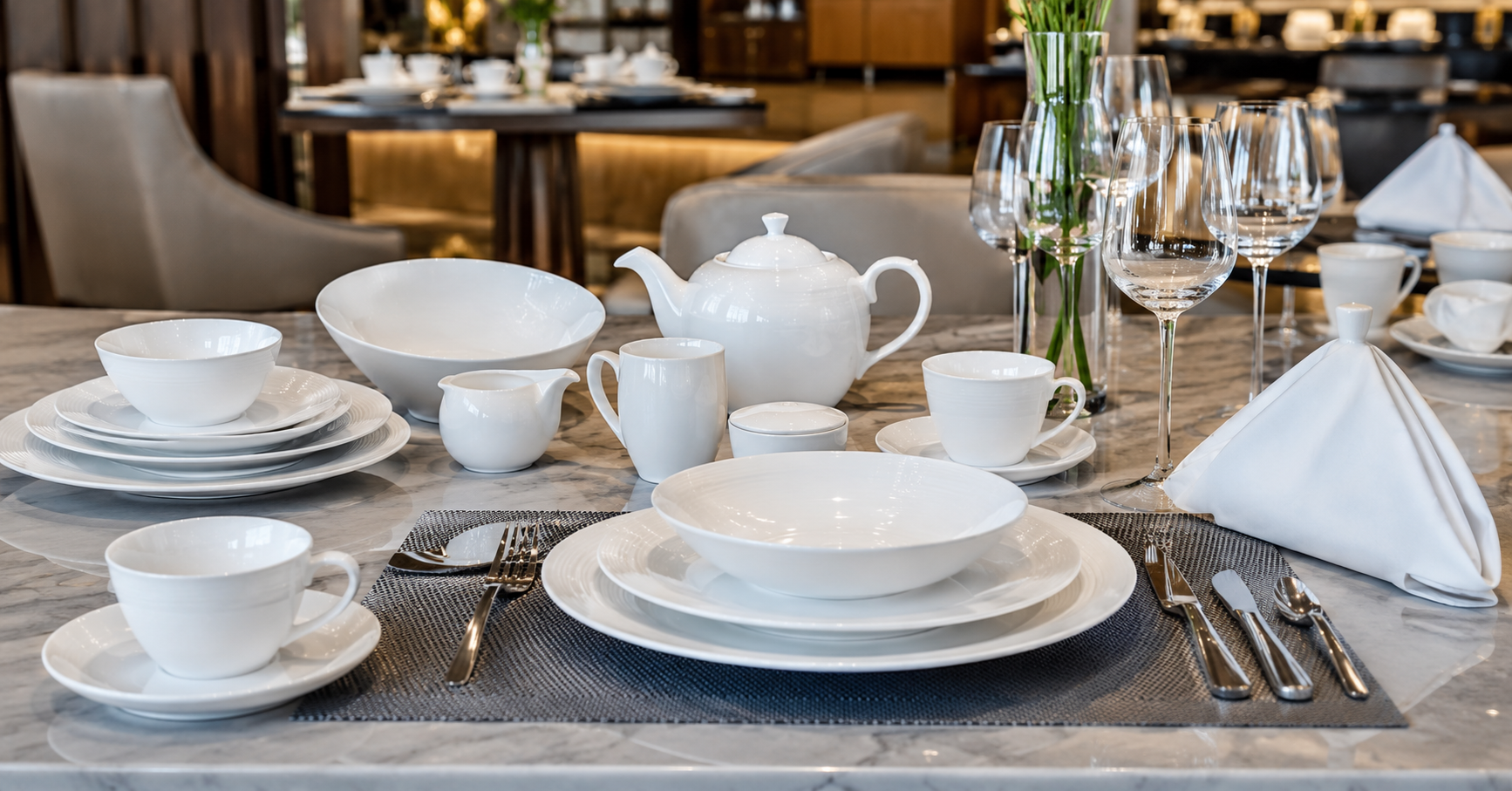
CE certified ceramic machinery can be used in different commercial and export scenarios, including:
- Daily household tableware production
- Hotel and restaurant tableware supply
- Catering tableware production
- Institutional dining tableware
- Export ceramic plates
- Dinnerware set manufacturing
- Stoneware tableware production
- Porcelain tableware production
- OEM ceramic brand manufacturing
- Premium tableware production
In these scenarios, factories need equipment that can support safe operation, stable production, and repeatable product quality.
What Buyers Should Prepare Before Asking for a Solution
To get a more accurate recommendation for CE certified ceramic machinery, buyers should prepare practical information before contacting HAODA.
Send HAODA:
- Product photos
- Product drawings
- Product size
- Product material, such as porcelain, stoneware, or bone china
- Main product type, such as plate, bowl, cup, or mug
- Glaze type, such as white glaze, transparent glaze, color glaze, or matte glaze
- Required daily or monthly capacity
- Factory layout or workshop size
- Current production process, if it is an upgrade project
- Target market, such as export, hotel, restaurant, retail, or OEM
With this information, HAODA can help evaluate whether your factory needs a single machine, several machines, or a complete ceramic tableware production line.
Why Choose HAODA for CE Certified Ceramic Machinery?
HAODA focuses on ceramic tableware machinery and production line solutions. For export buyers, HAODA can support not only machine selection, but also production process planning and factory layout discussion.
HAODA can help with:
- Ceramic forming machine selection
- Automatic jiggering line recommendation
- High-pressure casting machine selection
- Dip glazing and spray glazing equipment matching
- Pad printing machine recommendation
- Production line planning
- Factory layout discussion
- Export project communication
- Technical support before and after delivery
You can learn more about HAODA’s company background and production capability on the about us page.
FAQ
1. What is CE certified ceramic machinery?
CE certified ceramic machinery refers to ceramic production equipment supplied with CE compliance for safety and export-related machine use.
2. Why do export ceramic factories need CE certified machines?
Export factories often need safer and more compliant equipment, especially when importing machines or installing production lines for international projects.
3. What ceramic products can these machines produce?
They can support ceramic plates, bowls, cups, mugs, saucers, dinnerware sets, porcelain tableware, stoneware tableware, and OEM ceramic products.
4. Which machine is suitable for plates and shallow bowls?
A ceramic jiggering machine or automatic jiggering line is suitable for standard plates, shallow bowls, saucers, and flat dishes.
5. Which machine is suitable for deep bowls and irregular products?
Deep bowls, soup bowls, irregular tableware, and thin-wall porcelain products are usually more suitable for high-pressure casting machines.
6. Should I choose dip glazing or spray glazing?
Choose dip glazing for white glaze, transparent glaze, and standardized daily tableware. Choose spray glazing for color glaze, decorative glaze, complex shapes, and premium products.
7. Can CE certified ceramic machinery support OEM tableware orders?
Yes. With suitable forming, glazing, and pad printing equipment, factories can produce OEM tableware with logos, patterns, and customized product styles.
8. Can HAODA help with factory layout planning?
Yes. Buyers can send product range, capacity target, and workshop layout. HAODA can help discuss suitable machine configuration and production line layout.
9. What should I send before requesting a machine recommendation?
You can send product drawings, product photos, sizes, glaze type, material type, capacity target, factory layout, and target market information.
10. Is CE certified ceramic machinery suitable for new ceramic factory projects?
Yes. It can be suitable for new factory setup projects, especially when buyers need export-ready equipment, safer operation, and production line planning.
Conclusion
Choosing CE certified ceramic machinery is an important step for ceramic factories that want to build safer, more stable, and export-ready production systems.
For standard plates and shallow bowls, ceramic jiggering equipment can support stable forming. For deep bowls and irregular shapes, high-pressure casting machines can expand product range. For white glaze and transparent glaze tableware, dip glazing is practical. For color glaze and decorative products, spray glazing is more suitable. For OEM logos and patterns, pad printing equipment can help factories serve brand and export orders.
If you are planning a new ceramic factory or upgrading an existing tableware production line, send HAODA your product drawings, product size, glaze type, capacity target, and factory layout.
Contact HAODA to get CE certified ceramic machinery recommendations and production line planning support for your ceramic tableware factory.