
Global Context for New Ceramic Plant Investment
The ceramic tableware industry is entering a new cycle of expansion, driven by post-pandemic lifestyle shifts and growing export demand from Asia and the Middle East.
However, investors today are more focused on automation, sustainability, and energy efficiency than ever before.
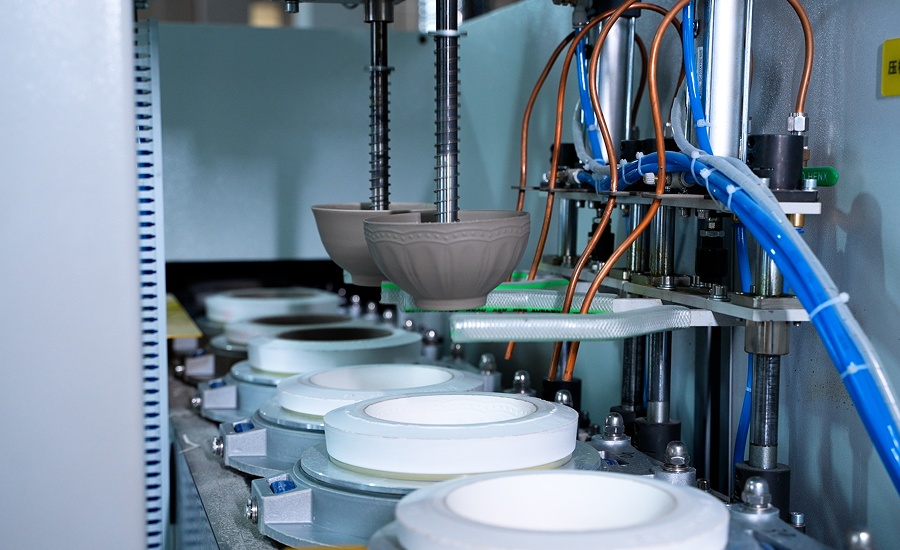
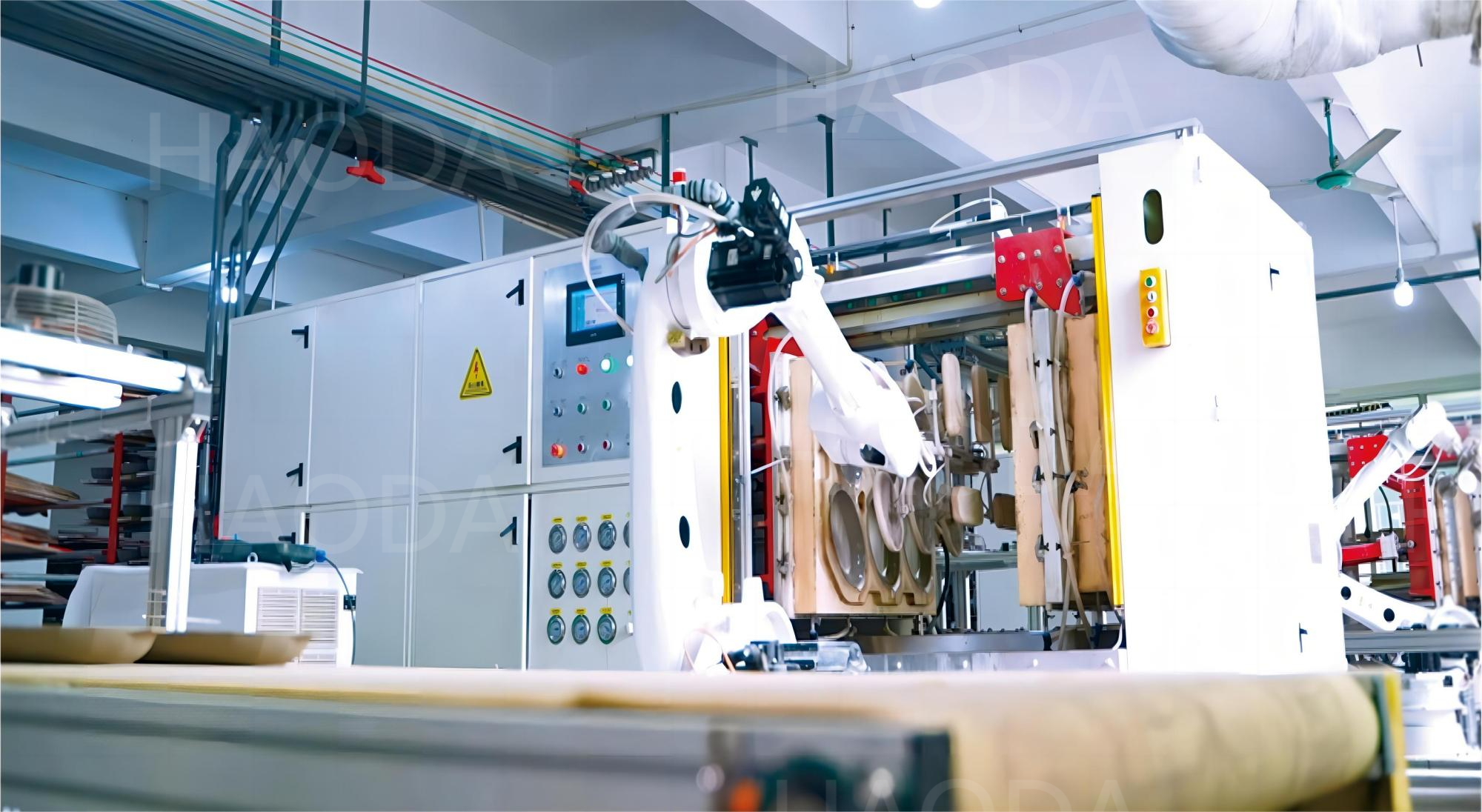
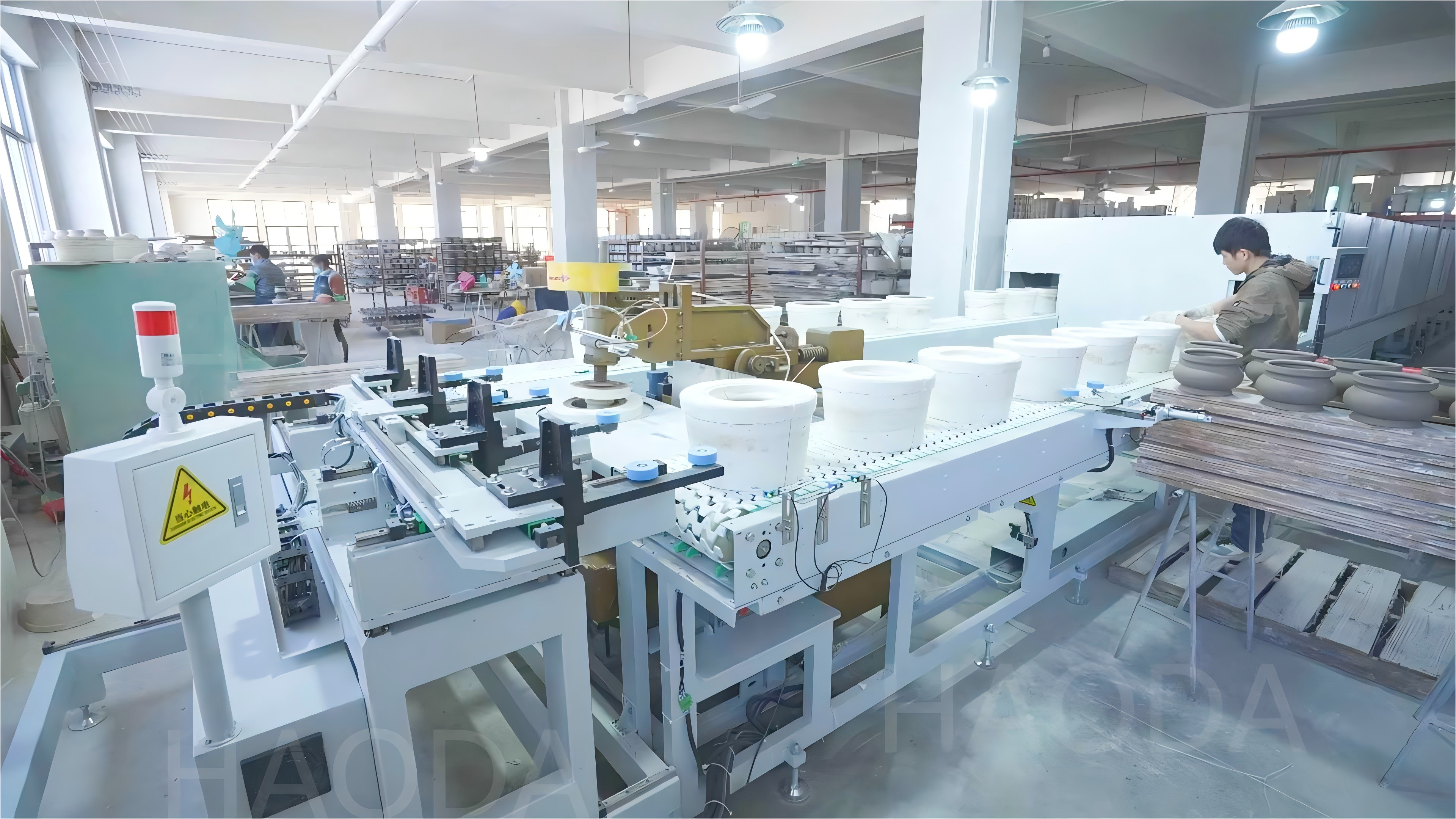
A new ceramic plant investment that integrates smart forming systems, robotic glazing, and digital control ensures long-term competitiveness.
According to Global Ceramic Industry Report, automated ceramic plants achieve:
-
25–40% higher operational efficiency
-
30% lower energy consumption
-
Up to 2× faster ROI compared to legacy manual systems
Key Factors in Ceramic Plant Investment Planning
| Factor | Description | Investment Impact |
|---|---|---|
| Production Capacity | Defines daily output (e.g., 20,000–100,000 pcs/day) | Determines machinery scale |
| Automation Level | Choice between semi or full automation | Affects labor and cost structure |
| Product Type | Porcelain, stoneware, bone china, or mixed line | Influences forming system design |
| Energy Source | Gas, electricity, or hybrid | Impacts sustainability goals |
| Digital Control | Integration with MES and PLC systems | Enables data-driven management |
Each decision within a new ceramic plant investment shapes the long-term return and operational stability of the project.
Capital Expenditure Breakdown
| Investment Category | Typical Cost Ratio | Description |
|---|---|---|
| Forming & Casting Equipment | 30–35% | Core shaping systems (roller, jiggering, casting) |
| Glazing & Printing Systems | 20–25% | Robotic glazing, pad printing, digital patterning |
| Drying & Kiln Systems | 20% | Energy and throughput optimization |
| Utilities & Layout Construction | 10–15% | Power, ventilation, and building design |
| Automation & MES Control | 5–10% | Data, monitoring, and scheduling systems |
| Training & Commissioning | 3–5% | Operator setup and line calibration |
In total, a fully automated new ceramic plant investment for 50,000 pcs/day output typically requires USD 4–7 million, depending on regional labor and energy costs.
Automation and Digital Integration
Automation has redefined what investors expect from ceramic manufacturing.
-
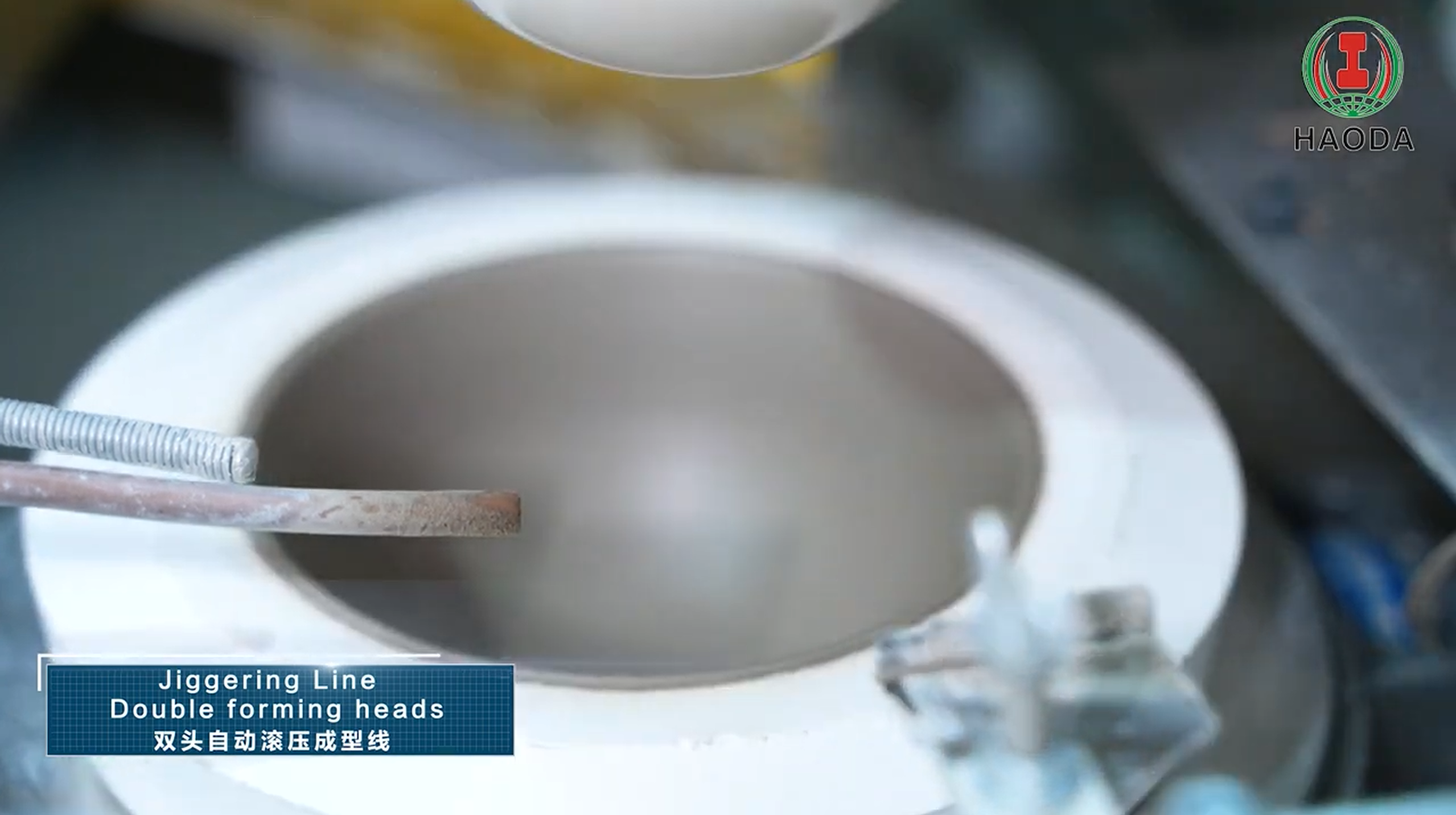
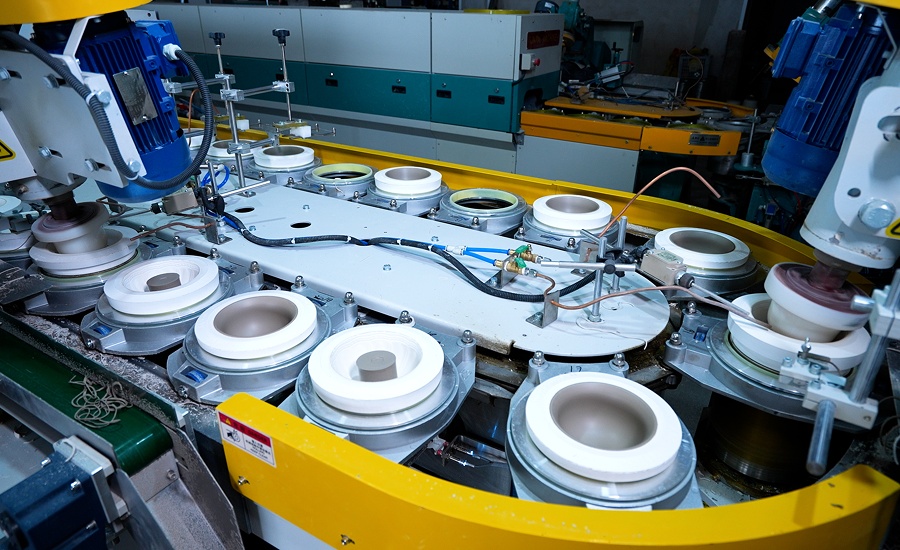
Forming Systems: Dual-head roller forming and high-pressure casting deliver shape uniformity.
-
Robotic Glazing: Reduces material waste by 15–20% and enhances finish consistency.
-
Data Integration (PLC + MES): Synchronizes every unit—from forming to firing—enabling predictive analytics.
-
Real-Time Monitoring: Tracks productivity, defect rate, and equipment efficiency.
These integrated technologies allow investors to future-proof their assets, ensuring stable returns even under shifting market conditions.
Energy and Sustainability Considerations
Sustainability is now a determining factor in new ceramic plant investment decisions, especially in regions adopting stricter ESG requirements.
| System | Optimization Strategy | Result |
|---|---|---|
| Drying Line | Heat recovery & recycled airflow | -18% energy usage |
| Kiln System | Hybrid gas-electric combustion | -22% CO₂ output |
| Compressed Air System | Variable speed control | -12% electricity |
| Water Circuit | Closed-loop recycling | -25% water consumption |
These improvements not only cut operational costs but also improve factory eligibility for green financing and international certification.
ROI Projection and Financial Returns
| Metric | Traditional Plant | Automated Plant | Improvement |
|---|---|---|---|
| Production Output | 100% | 165% | +65% |
| Scrap Rate | 6–8% | 2–3% | -60% |
| Labor Dependence | High | Moderate | -50% |
| Energy Efficiency | 100% | 130% | +30% |
| ROI Cycle | 36 months | 18 months | 2× faster return |
By adopting modular automation and integrated energy management, a new ceramic plant investment can achieve ROI in under 18 months under stable market demand.
Real-World Applications and Global Cases
Haoda Machine has engineered and delivered full-line investment solutions for ceramic producers in diverse regions:
-
Vietnam: Turnkey tableware plant for 60,000 pcs/day output, full MES integration.
-
Saudi Arabia: Energy-smart high-volume hotelware plant with hybrid kilns.
-
Poland: Compact semi-automated porcelain line optimized for European labor standards.
-
Egypt: Multi-material facility using shared roller and casting systems for flexible output.
These projects demonstrate how localized design and modular automation align with different investment scales.
How Haoda Machine Supports New Plant Investors
Haoda Machine offers full-cycle technical and strategic support for new ceramic plant investment projects, including:
-
Feasibility and ROI Consulting – Market validation and cost modeling.
-
Production Line Design – Tailored forming and glazing system configuration.
-
Equipment Manufacturing – In-house production with ISO-certified processes.
-
Automation Integration – PLC and MES synchronization for complete visibility.
-
After-Sales Support – Global installation, training, and performance monitoring.
Each project is backed by international engineering experience and a results-driven implementation framework.
Build a Future-Ready Ceramic Plant
A new ceramic plant investment is not just a factory—it’s a strategic platform for innovation, efficiency, and sustainable growth.
With advanced forming systems, smart energy management, and data-integrated control, Haoda Machine empowers investors to build globally competitive facilities from day one.
To explore successful project models and learn about investment-ready configurations, visit Haoda Machine’s homepage for full system details.
For professional guidance and project evaluation, you can contact our technical consultants directly — we’ll provide a tailored investment roadmap and ROI projection based on your target capacity and regional resources.