
Why Roller Forming Matters in Tableware Production
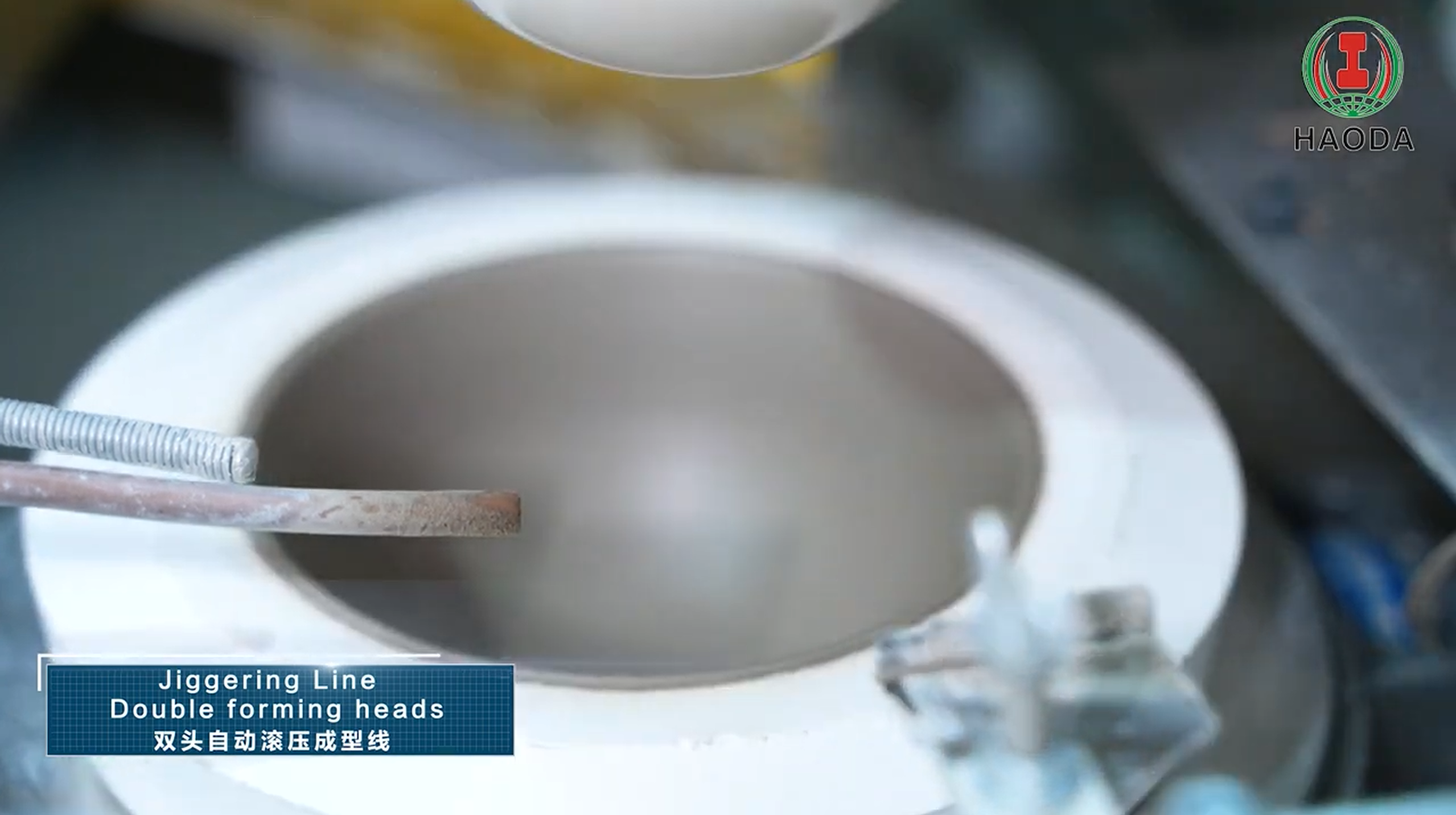
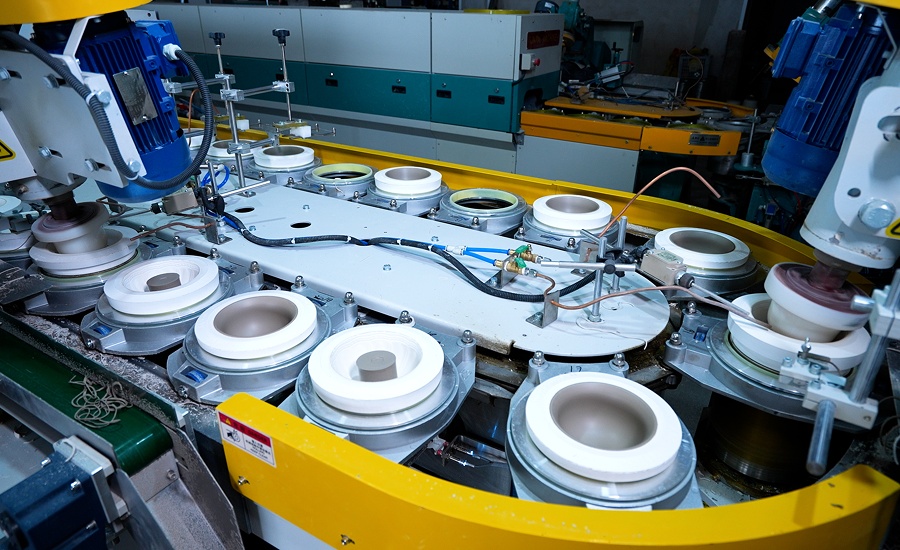
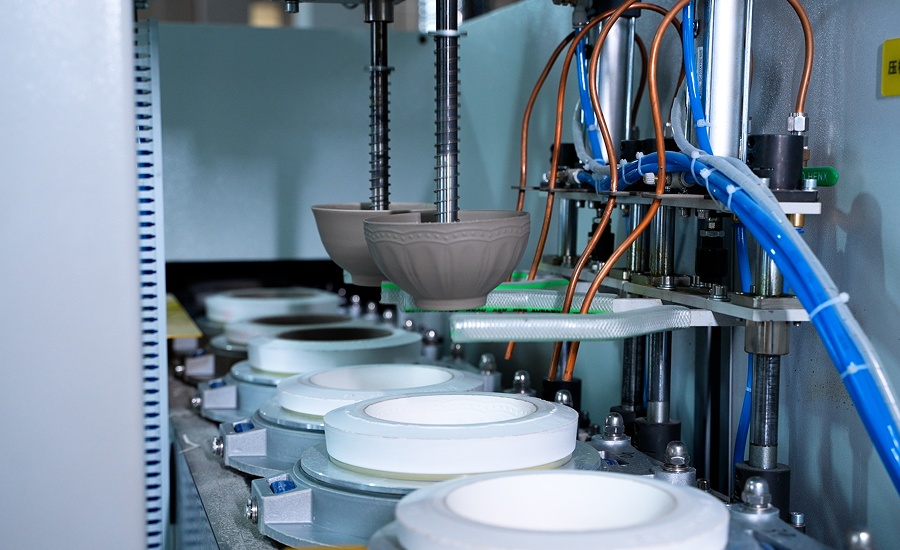
Roller forming remains one of the most effective shaping technologies in modern ceramic plants, offering precision, uniform wall thickness, and superior speed.
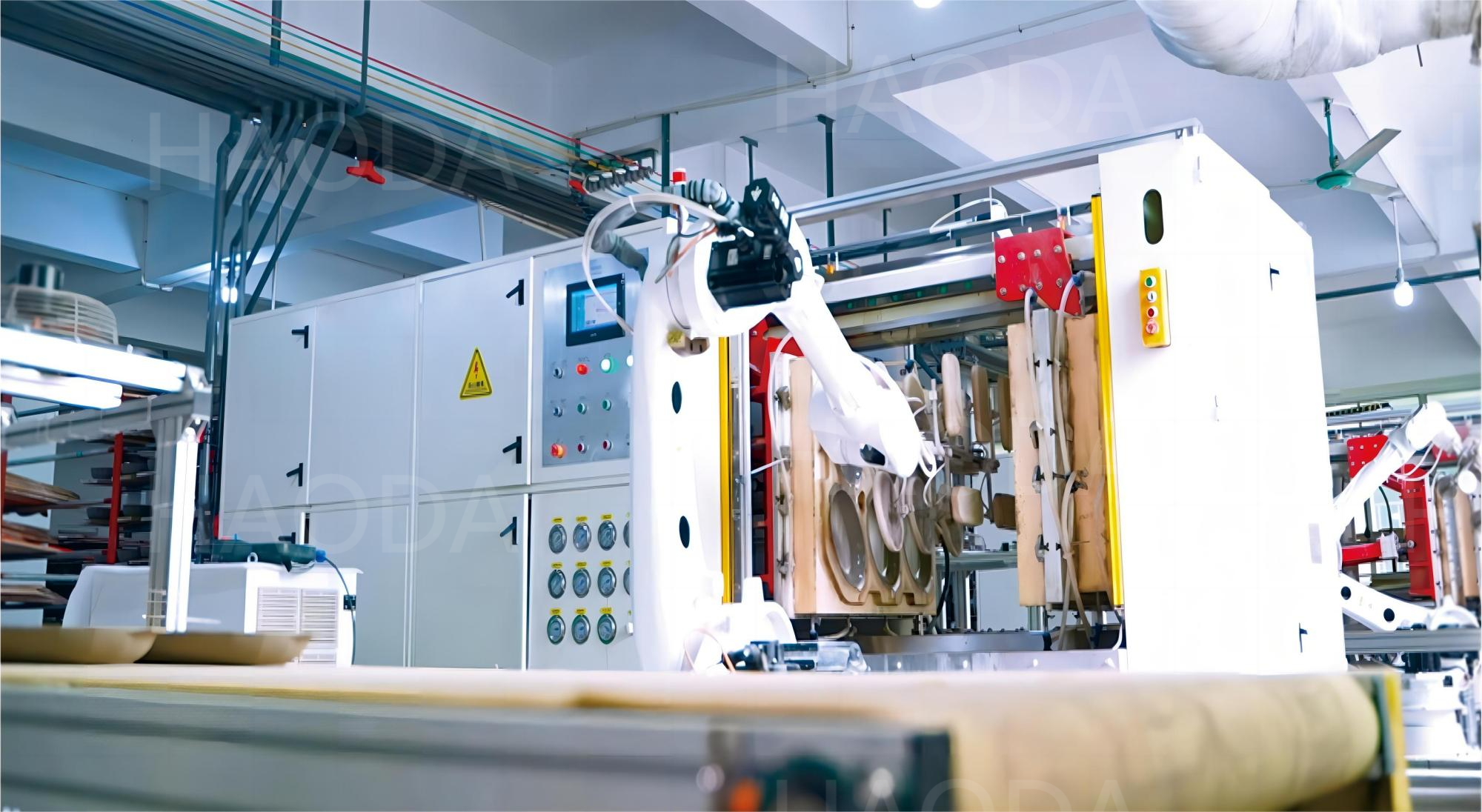
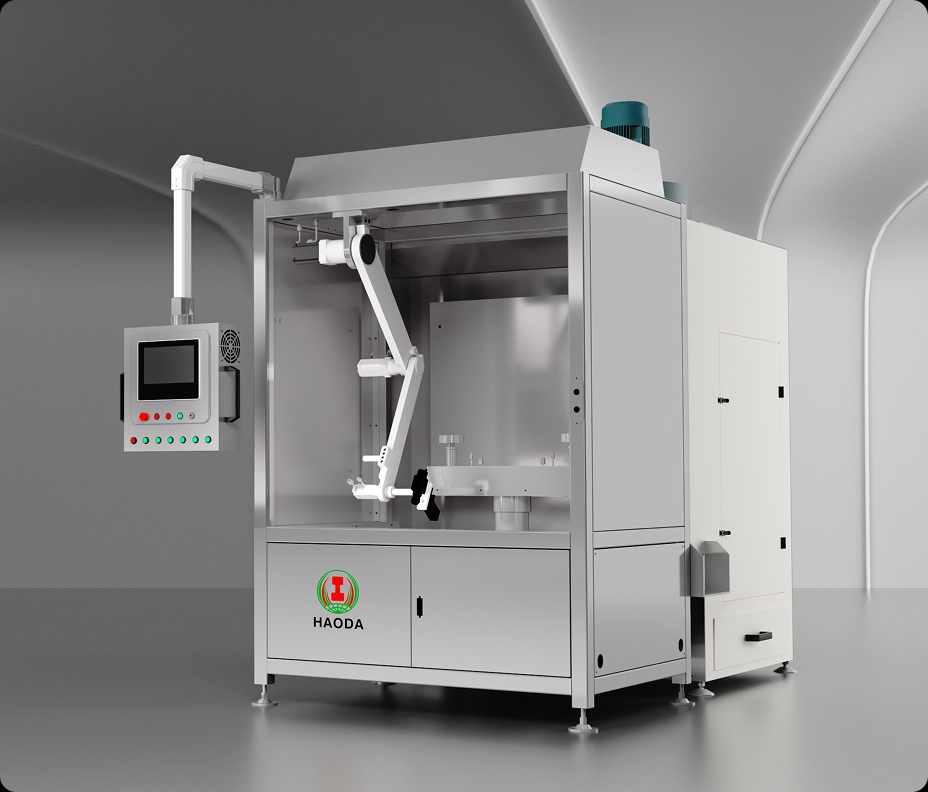
An integrated ceramic tableware roller forming solution aligns this classic mechanical principle with today’s digital and automation standards—achieving stable output, consistent product geometry, and reduced operational cost.
The Ceramic Industry Association reports that roller forming systems have increased average forming throughput by 30%, while lowering clay wastage by 20–25% compared with traditional pressing.
System Architecture of an Integrated Roller Forming Line
| Module | Core Equipment | Function | Integration Feature |
|---|---|---|---|
| Clay Preparation | Filter press, vacuum pug mill | Homogenizes clay and removes air | Integrated moisture control |
| Roller Forming Unit | Dual-head servo roller former | Forms plates, bowls, and cups | Variable speed & thickness control |
| Drying Tunnel | Hot-air circulation | Stabilizes shape and removes moisture | Temperature and humidity automation |
| Glazing Interface | Spray booth / dip line | Prepares ware for coating | Inline transfer synchronization |
| Central Control System | PLC + HMI dashboard | Real-time parameter control | MES connectivity and recipe recall |
Each ceramic tableware roller forming unit can work as a standalone machine or integrate into a full digital production line, supporting high-volume tableware factories and mixed-model operations alike.
Core Technical Strengths
| Feature | Description | Advantage |
|---|---|---|
| Servo-Driven Rollers | Automated adjustment for plate diameter and wall thickness | ±0.2 mm forming precision |
| Smart Mold Alignment | Auto-positioning sensors reduce manual setup time | 90% faster product changeover |
| Adaptive Clay Feeding | Maintains pressure balance across multiple molds | Improved density uniformity |
| Moisture Feedback Control | Embedded sensors manage water content in real time | Prevents cracking and deformation |
| Recipe Management System | Stores forming parameters for each product | Enables quick recall and consistency |
This integration allows the ceramic tableware roller forming line to maintain high yield even during frequent product transitions, ideal for manufacturers handling both standard and custom collections.
Process Efficiency and Energy Optimization
Roller forming’s mechanical simplicity pairs well with modern automation for outstanding efficiency.
| Metric | Conventional Forming | Integrated Roller Forming | Efficiency Gain |
|---|---|---|---|
| Cycle Time | 90 sec/unit | 45 sec/unit | -50% |
| Material Waste | 8% | 4% | -50% |
| Labor Demand | 3 operators | 1 operator | -65% |
| Energy Use | 100% baseline | 80% | -20% |
| Product Consistency | ±0.5 mm | ±0.2 mm | +60% |
Combined with servo drive optimization and heat recovery loops, energy consumption per unit is significantly reduced, improving the system’s sustainability performance.
Integration with Downstream Automation
An integrated ceramic tableware roller forming solution is not isolated; it communicates seamlessly with drying, glazing, and inspection modules through industrial Ethernet and MES systems.
-
Inline Transfer Control: Ensures smooth ware transfer without shape distortion.
-
Adaptive Scheduling: Adjusts forming rate based on glazing and firing line availability.
-
Quality Traceability: Records forming data linked to each batch ID.
-
Predictive Maintenance: Sensors identify wear on rollers or molds to avoid unscheduled stops.
This connectivity provides full visibility from clay entry to finished ware packaging, making the entire plant responsive and data-driven.
Global Project Examples
Haoda Machine’s ceramic tableware roller forming systems are currently operating in more than 20 production facilities worldwide, offering both standard and customized line configurations.
-
China / Vietnam: High-speed forming lines for daily-use porcelain plates with 25% shorter drying time.
-
Turkey / Poland: Integrated roller forming + glazing lines for decorative stoneware.
-
Saudi Arabia / UAE: Hotelware factories using digital MES control for mixed-size production.
-
Brazil / Egypt: Mid-scale plants with modular forming cells linked to automatic inspection systems.
Each installation demonstrates the scalability and operational stability of Haoda’s integrated forming technology under different production environments.
Return on Investment and Operation Benefits
| Indicator | Traditional System | Integrated Solution | Change |
|---|---|---|---|
| Initial Investment | 100% baseline | 75% equivalent | -25% |
| Maintenance Frequency | High | Scheduled predictive | -40% |
| Production Downtime | 6 hours/month | <2 hours/month | -65% |
| Scrap Rate | 5% | 2% | -60% |
| ROI Cycle | 36 months | 18 months | 2× faster return |
The optimized automation and energy utilization ensure both short-term efficiency and long-term profitability for ceramic producers.
Engineering Expertise by Haoda Machine
Haoda Machine specializes in the design and manufacturing of integrated ceramic forming solutions—from modular roller forming units to full intelligent production lines.
Key Advantages:
-
Full-System Integration – From clay feeding to drying and glazing.
-
Precision Control – Servo motors and AI alignment ensure consistent quality.
-
Energy Efficiency – Heat recovery and adaptive drives lower total consumption.
-
Customizable Layouts – Suitable for both large industrial plants and smaller studios.
-
Global Service Network – On-site commissioning and continuous technical support.
By adopting an integrated ceramic tableware roller forming solution, manufacturers can achieve faster product cycles, higher quality control, and sustainable energy performance—ensuring readiness for the next generation of intelligent ceramic production.
For technical consultation or customized project design, visit Haoda Machine or contact our team.