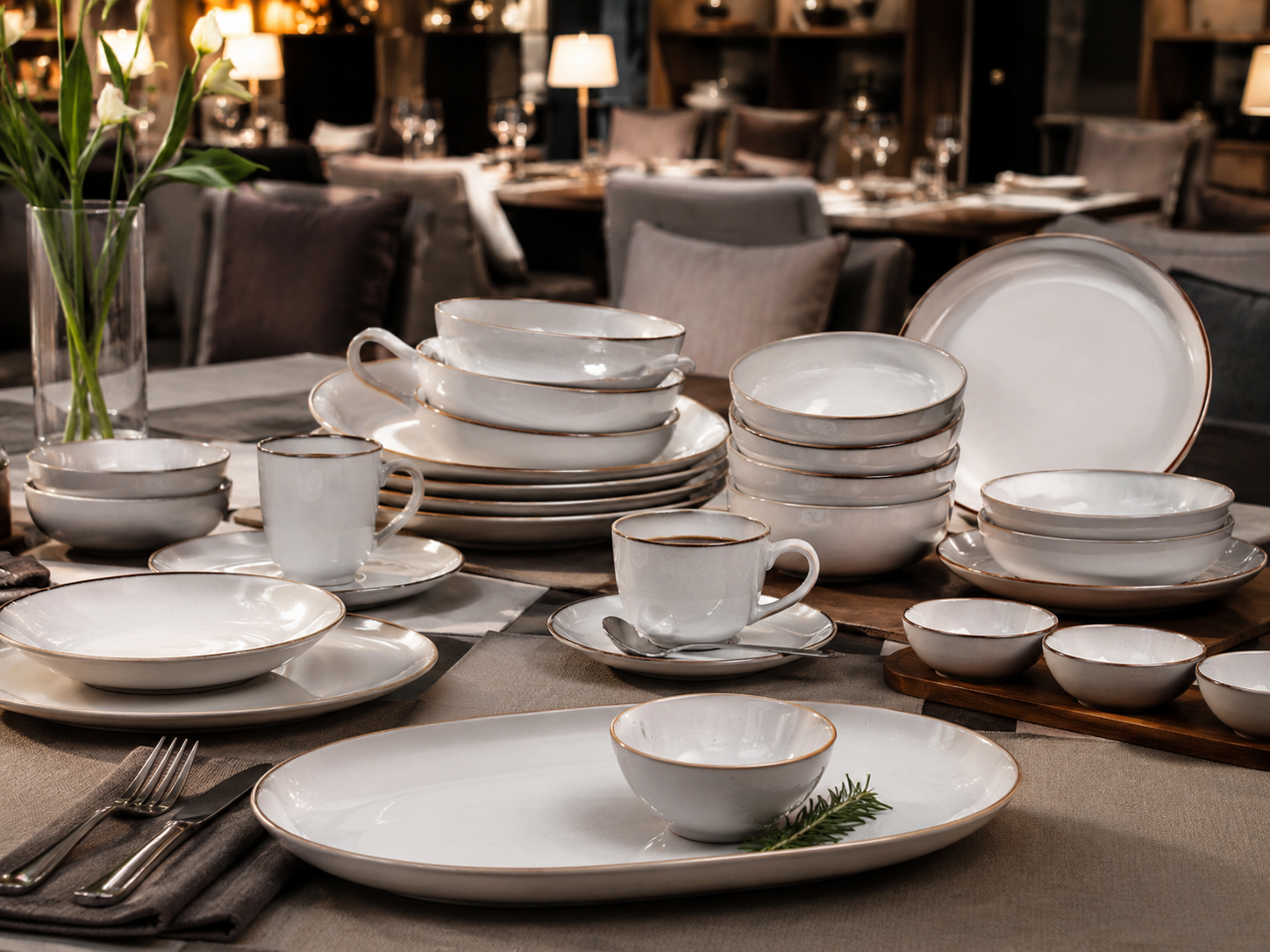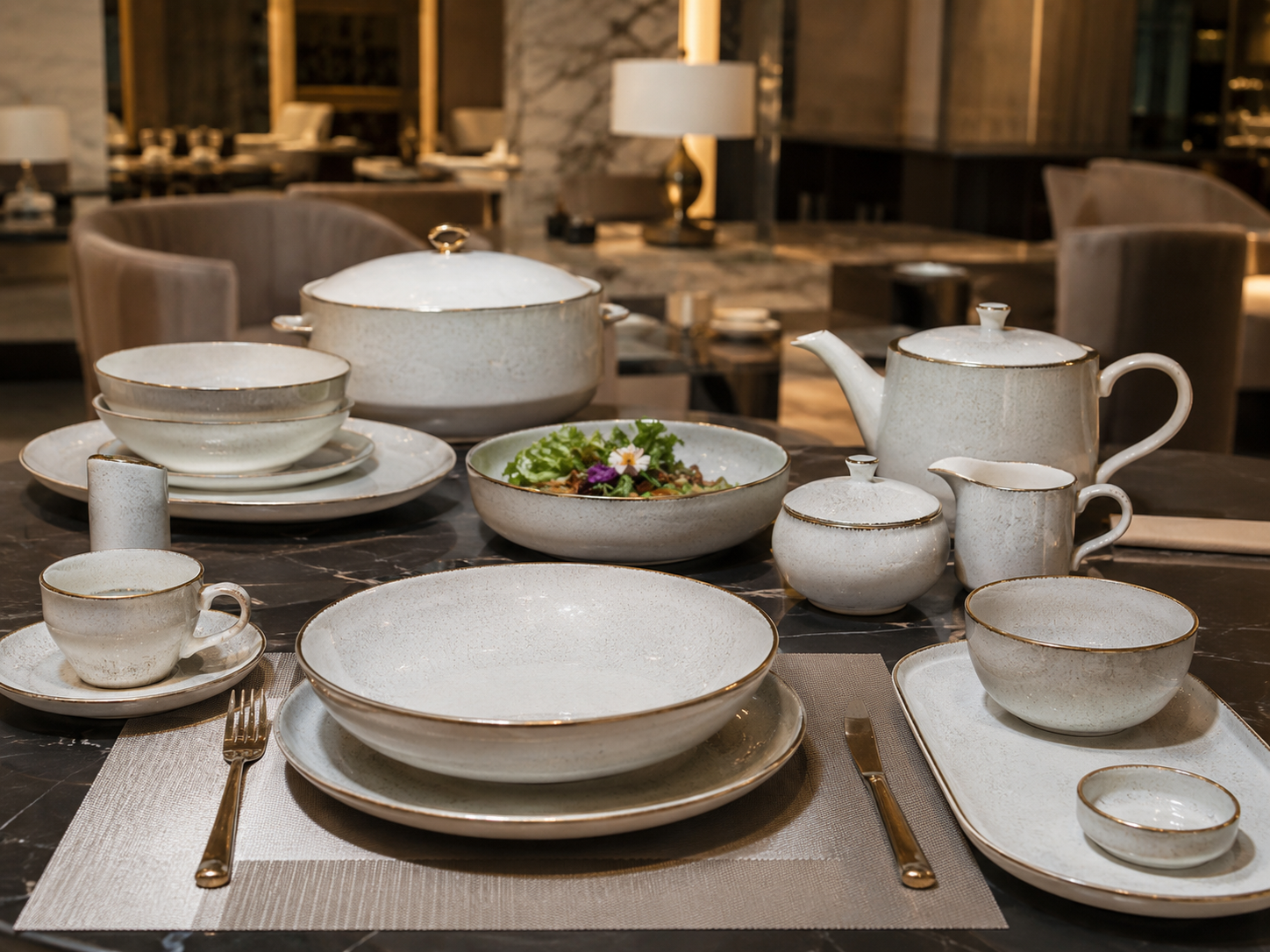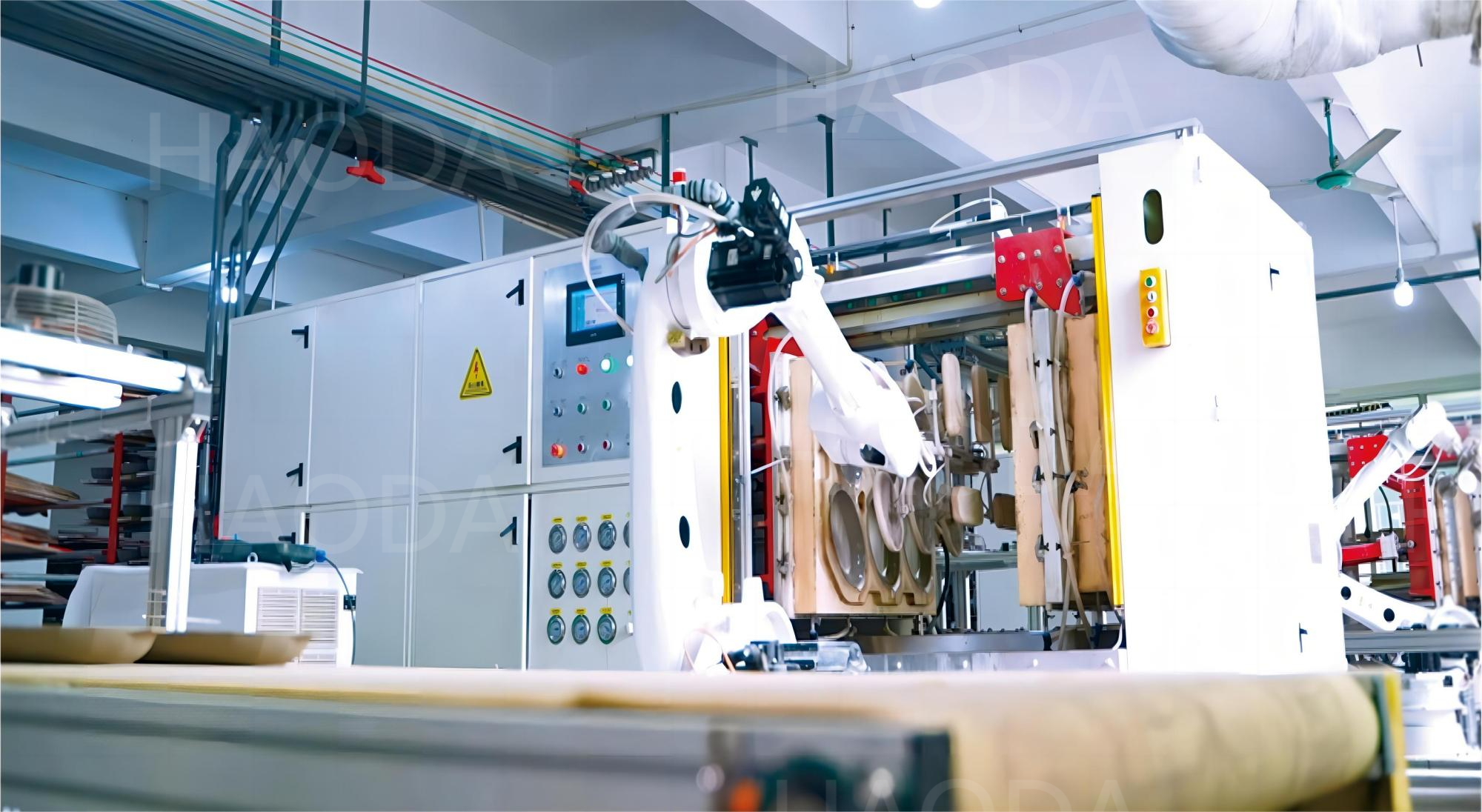

For ceramic factories, restaurant tableware production is different from small-batch decorative ceramics. Restaurants, hotels, catering groups, and tableware distributors usually need large quantities of plates, bowls, cups, and dinnerware sets with stable size, clean appearance, and repeatable quality.
A restaurant plate does not need to look complicated, but it must be consistent. If one batch has uneven rims, different thicknesses, unstable flatness, or visible shape variation, the whole order may look unprofessional when placed on a dining table.
That is why ceramic factories serving restaurant and hospitality customers need more than basic production capacity. They need a production flow that can support stable forming, careful handling, consistent glazing, and reliable batch control.
At HAODA Machinery, ceramic tableware equipment is designed around real factory needs, including daily-use tableware, restaurant plates, hotel bowls, export ceramic tableware, and large-volume dinnerware production.
For factories comparing different equipment options, HAODA’s ceramic production equipment can be matched according to product type, capacity target, factory layout, and future expansion plan.
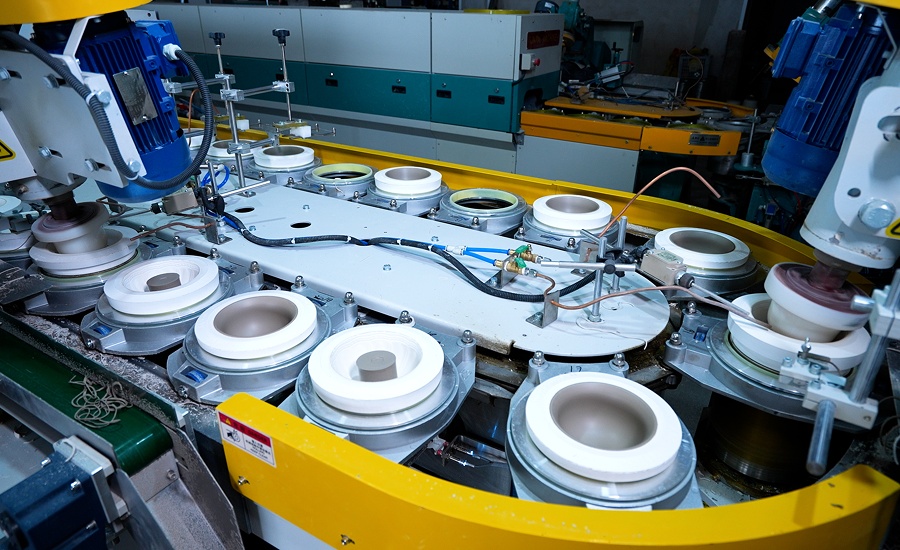
Why Restaurant Tableware Production Needs Stable Forming
In restaurant tableware production, forming quality affects the whole order. A plate that is slightly warped may still pass through the next process, but after drying, glazing, and firing, the defect may become more obvious. A bowl with unstable wall thickness may also create problems in glazing or final inspection.
Many restaurant tableware orders include repeated products:
- Dinner plates
- Salad plates
- Soup plates
- Rice bowls
- Shallow bowls
- Saucers
- Cups and mugs
- Dinnerware sets
- Hotel and restaurant tableware collections
These products need consistent shape and appearance across large batches. When forming depends too much on manual operation, different workers, shifts, clay conditions, and handling habits can create variation.
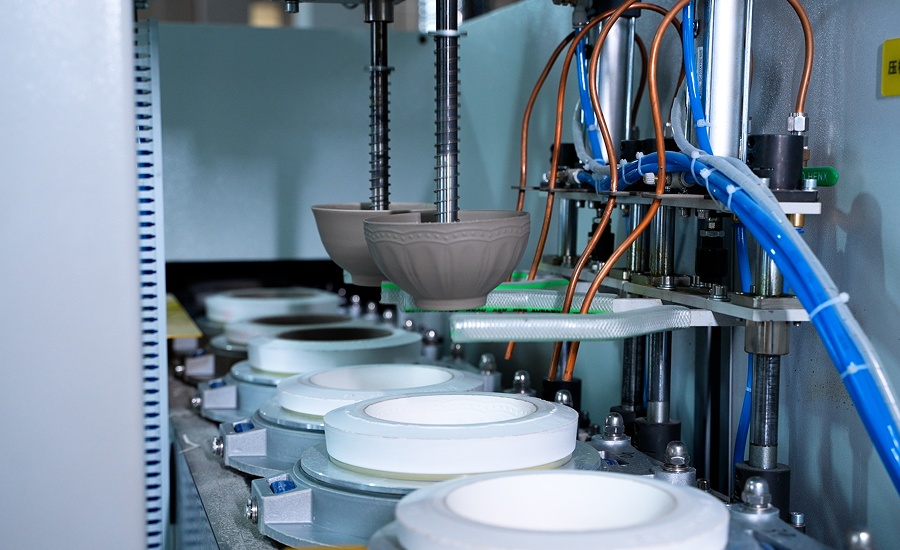
An automated forming line helps reduce this uncertainty. It supports more stable clay feeding, forming movement, trimming, product transfer, and production rhythm. For factories producing plates and bowls every day, this can make batch quality easier to manage.
Which Products Are Most Suitable for Automated Tableware Lines?
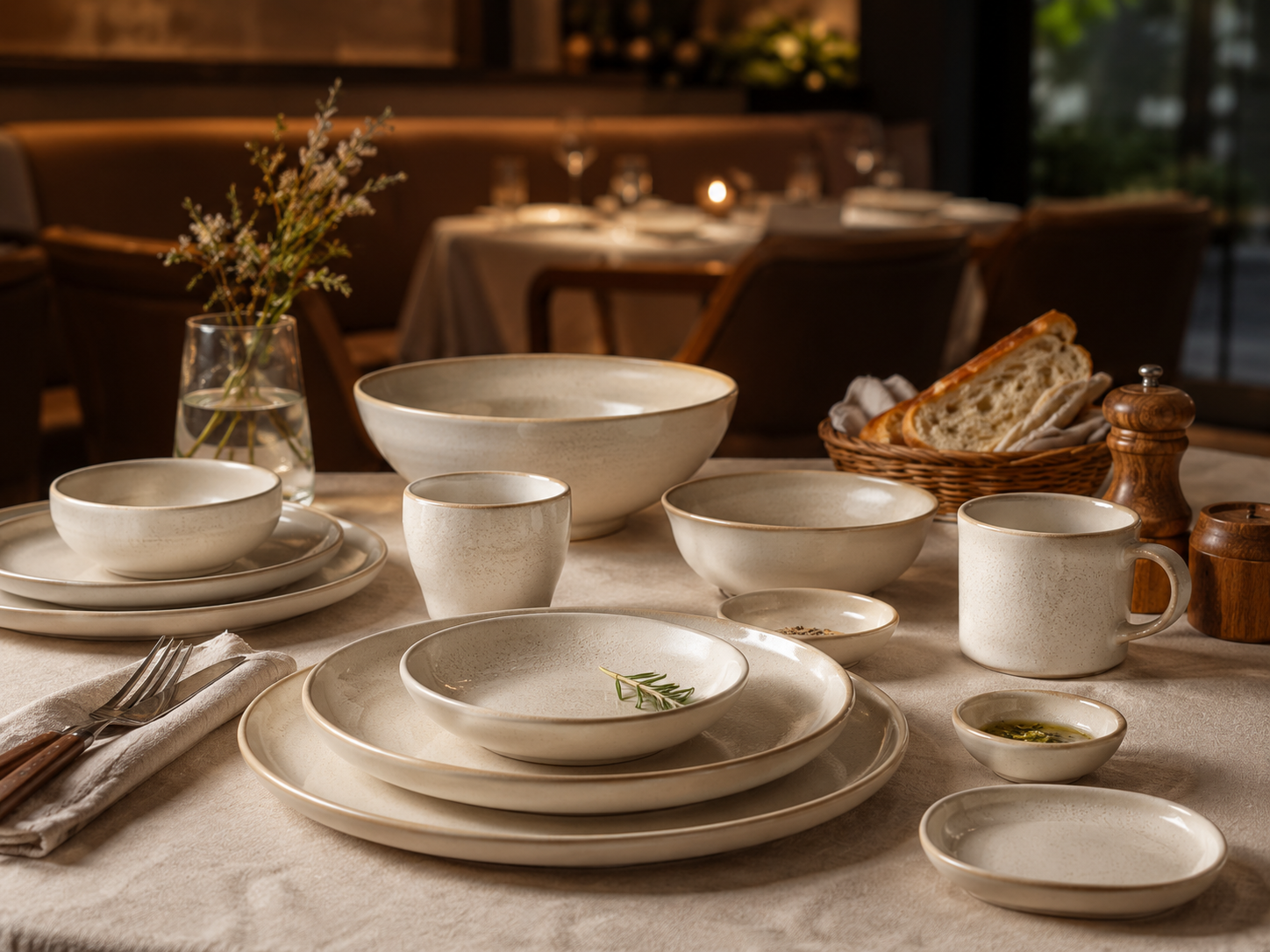
Not every ceramic product needs the same equipment. A good restaurant tableware production line should be selected according to product shape, size, material, and order volume.
Plates for Restaurants and Hotels
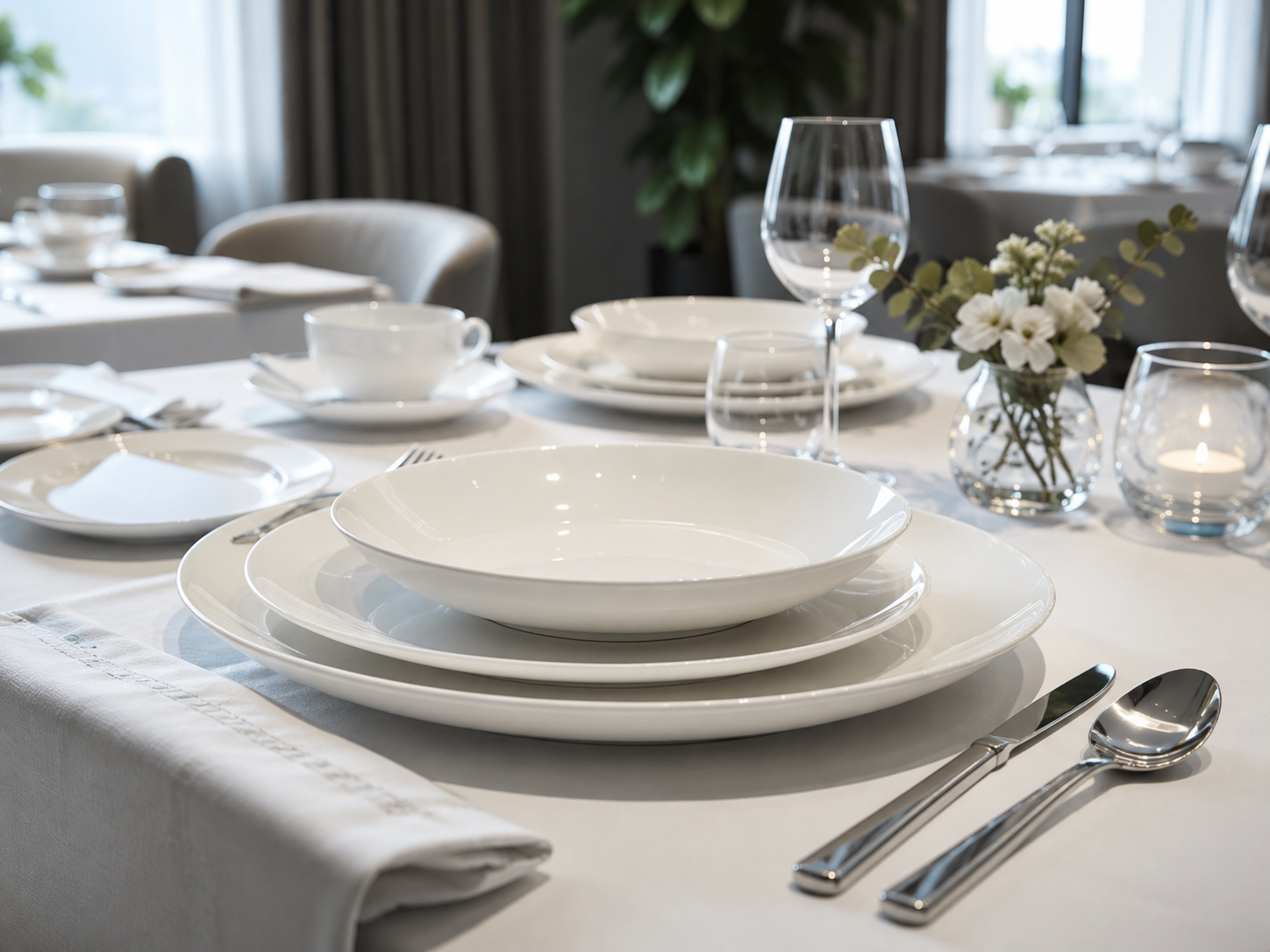
Restaurant plates are often produced in large quantities. They need stable diameter, rim shape, flatness, and surface balance. If the plate is uneven, it may not stack well, glaze evenly, or meet customer expectations after firing.
Automated forming is especially suitable for dinner plates, salad plates, soup plates, flat plates, and serving plates used in restaurants and hotels.
Bowls for Daily Dining and Catering
Bowls require better control around curves, rims, and wall thickness. In restaurant use, bowls are often stacked, washed frequently, and used in repeated service environments. Stable forming helps improve product consistency before glazing and firing.
Shallow bowls, rice bowls, soup bowls, and standard restaurant bowls can all benefit from better forming and handling control.
Saucers, Cups, and Dinnerware Sets
Restaurant tableware is often sold as a set. A dinnerware set may include plates, bowls, cups, saucers, and serving pieces. Even when each item is produced separately, the final set must look consistent.
For this reason, factories should plan equipment around product families, not only single products.
How Automation Supports Restaurant Tableware Production
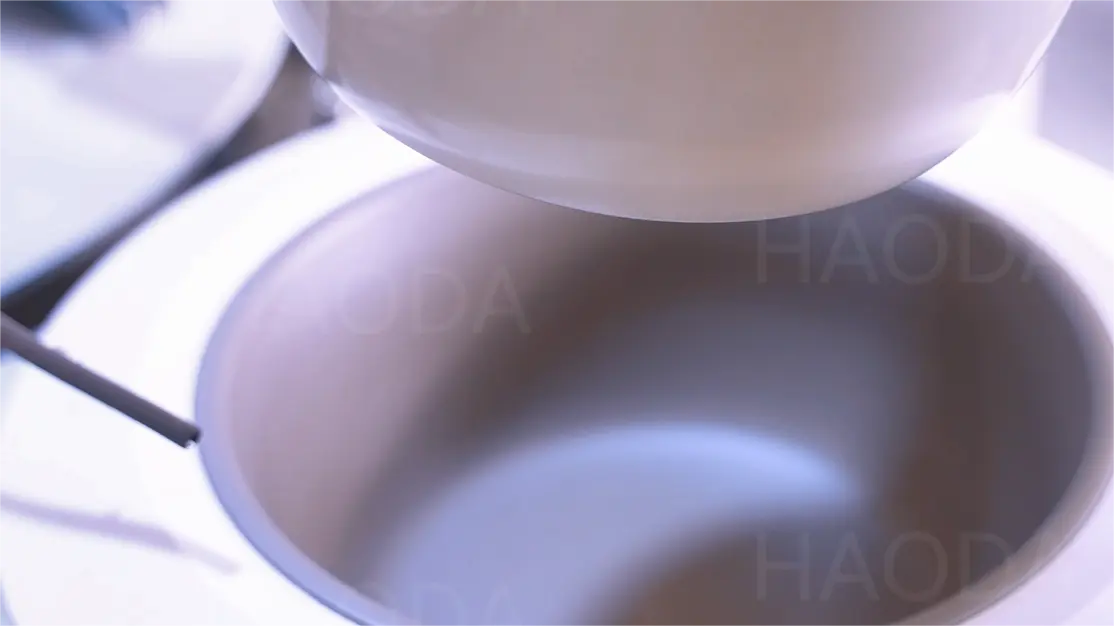
The purpose of automation is not only to increase output. For restaurant tableware production, automation is more valuable when it improves repeatability.
A well-planned ceramic forming line can help control:
- Clay feeding consistency
- Product positioning
- Forming pressure
- Mold movement
- Trimming accuracy
- Green body transfer
- Production rhythm
When these steps are connected smoothly, the factory can reduce manual handling and improve product flow before drying. This is important because unfired ceramic bodies are still fragile. Too much manual transfer can cause deformation, edge damage, and hidden cracks.
For factories that already produce restaurant plates and bowls, automation can make production more predictable. For factories planning to enter hotelware or export tableware markets, automated forming can also support more professional batch control.
If you want to compare broader production planning options, HAODA’s Blog / FAQ page provides additional references for ceramic machinery selection, production-line planning, and tableware manufacturing applications.
What Types of Factories Benefit Most?
Daily tableware factories benefit because they usually produce plates, bowls, cups, and dinnerware sets in repeatable quantities. Automation helps reduce variation between batches.
Restaurant tableware manufacturers benefit because customers care about appearance, stacking performance, and consistent table presentation. A large restaurant order must look uniform when placed together.
Hotel tableware producers benefit because hotel and catering buyers often need clean, stable, professional-looking products in larger volumes.
Export ceramic manufacturers benefit because international buyers usually compare bulk production with approved samples. If shape, rim, or surface quality changes too much, the order may face complaints.
OEM ceramic factories benefit because repeated orders must match previous batches. A restaurant brand or distributor may reorder the same plate or bowl several times, so production consistency matters.
For these factories, restaurant tableware production is not only about making more pieces. It is about producing pieces that look stable, perform reliably, and meet buyer expectations in repeated use.
How to Choose Equipment for Restaurant Tableware Production
Before choosing equipment, factories should not only ask for machine price. They should first confirm whether the production line fits their real product range.
Useful information to prepare includes:
- Product type: plate, bowl, cup, saucer, or dinnerware set
- Product diameter and height
- Material type: porcelain, stoneware, or bone china
- Target daily capacity
- Current production method
- Existing drying and glazing process
- Factory layout
- Future expansion plan
For example, a factory focused on standard restaurant plates may need a different configuration from a factory producing multiple bowl sizes. A hotelware factory may care more about appearance consistency, while an export factory may care more about stable repeat production and lower rework.
If your factory plans to upgrade gradually, the first step can be forming and product handling. After that, glazing, decoration, conveying, and layout optimization can be added according to order growth.
Common Questions About Restaurant Tableware Production
Is automated forming suitable for all restaurant tableware?
It is most suitable for standard plates, shallow bowls, saucers, flat dishes, and some cup or mug bodies. Very deep, irregular, or highly customized products may need another forming method.
Can one production line handle different plate and bowl sizes?
It depends on machine configuration, mold design, product size range, and production plan. If your factory changes product sizes often, this should be confirmed before equipment selection.
Does automation reduce the need for skilled workers?
Automation reduces repetitive manual work, but skilled operators are still needed for monitoring, mold management, quality checking, and process adjustment.
What information should I send before asking for a solution?
Send product photos or drawings, diameter, height, material, target capacity, current factory layout, and existing production process. This helps HAODA recommend a more suitable equipment configuration.
Build a More Stable Restaurant Tableware Production Line
Stable restaurant tableware production starts with the right forming method, suitable equipment configuration, and a production flow designed around real tableware products. For plates, bowls, saucers, cups, and dinnerware sets, consistency matters at every stage.
A reliable forming line can help factories reduce manual handling, improve batch stability, and support restaurant, hotel, catering, and export tableware orders with better confidence.
HAODA Machinery provides ceramic tableware production equipment and practical line-planning support for factories that need stable forming, smoother workflow, and scalable output. Learn more about HAODA on the About Us page, explore the full product range, or visit the Blog / FAQ page for more tableware production references.
Need help planning a restaurant tableware production line? Send your product size, capacity target, factory layout, and sample photos to HAODA for a suitable equipment recommendation.