
The Evolution of Ceramic Decoration Automation
Traditional pad printing for ceramics required manual plate changes, color alignment, and drying stages, limiting both efficiency and precision.
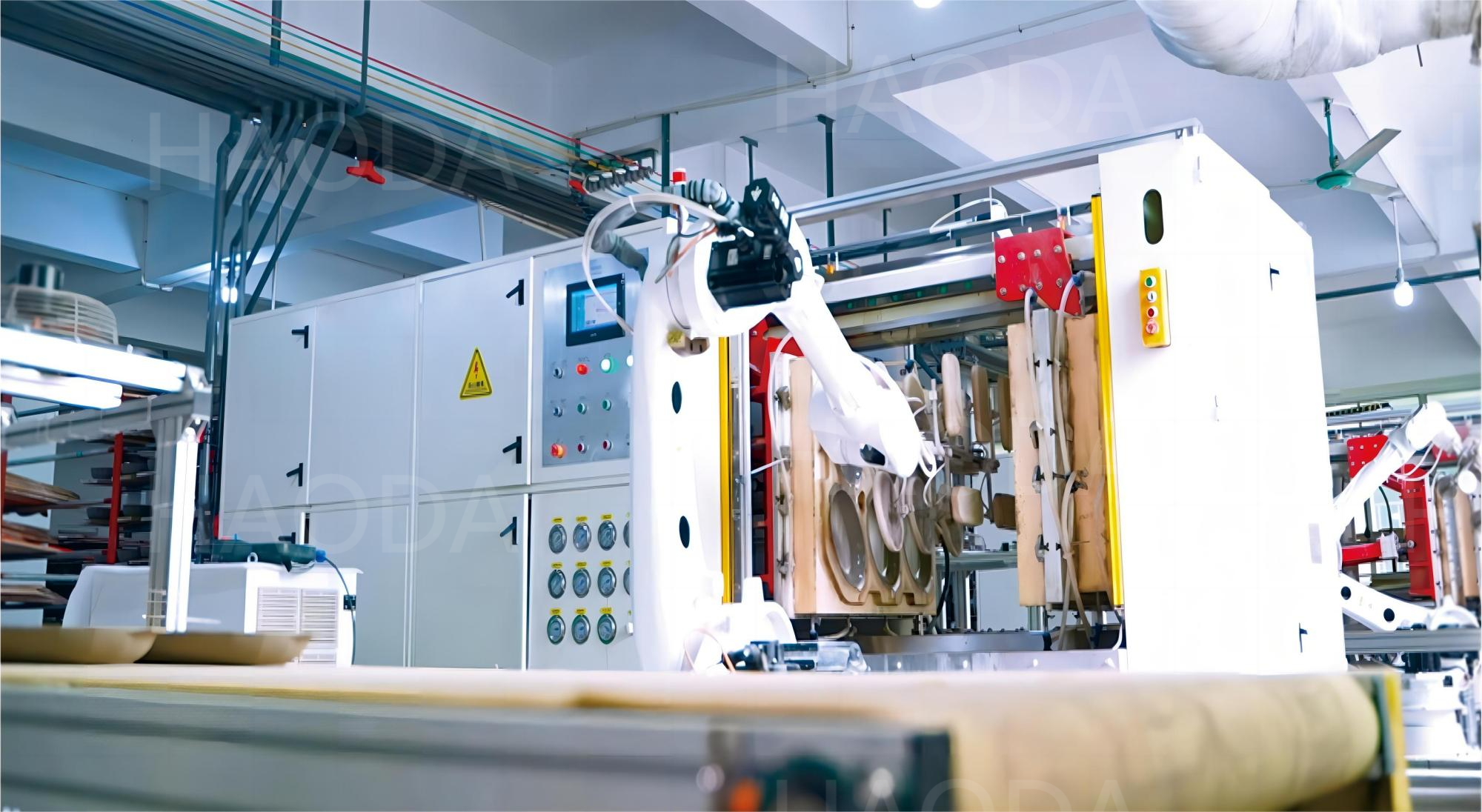
As the demand for multi-color, high-volume ceramic decoration increases, manufacturers are transitioning to fully automated pad printing lines equipped with servo-driven systems, robotic arms, and precision conveyors.
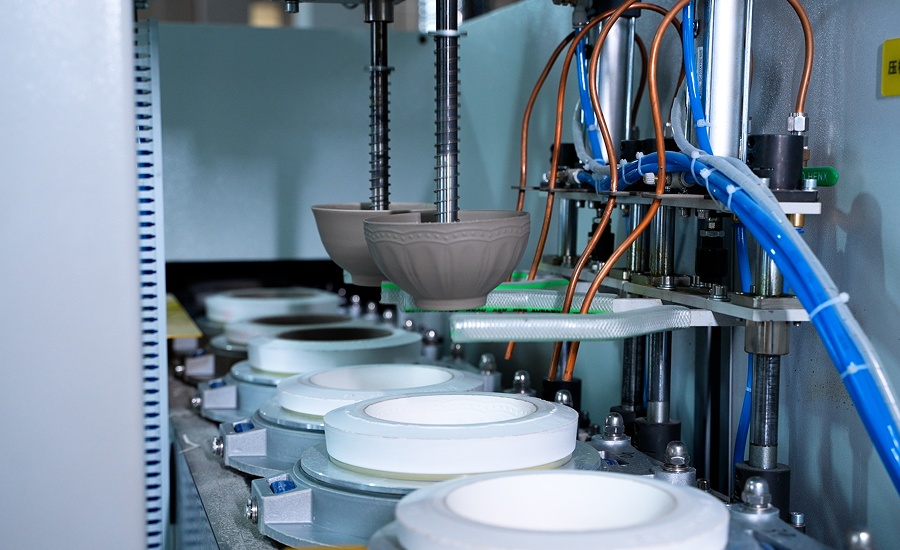
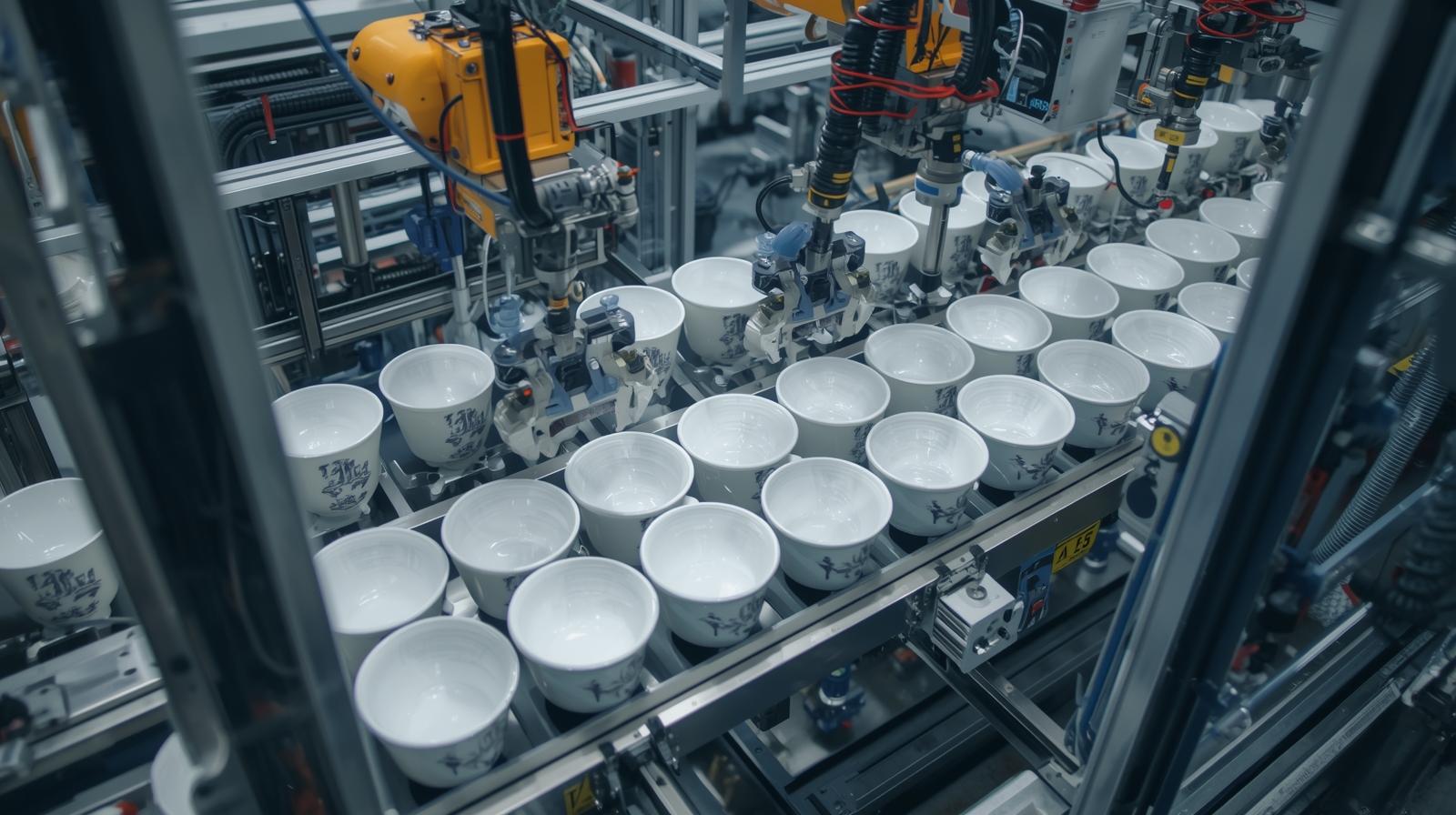
The automatic pad printing line integrates multiple pad printing stations into a continuous system, allowing simultaneous multi-color decoration with precise registration control.
According to the Ceramic Industry Association, automated decoration lines can reduce labor requirements by 60–70% and increase throughput by up to 250% compared to manual processes.
How the Automatic Pad Printing Line Works
Each system is designed to automate color transfer, curing, and product handling without interruption, ensuring continuous output and stable color accuracy.
Operation Flow
-
Automatic Loading System: Robotic arms position items precisely on the rotating fixtures.
-
Multi-Station Printing Section: Each pad station applies a separate color layer using servo-driven pads and precision ink cups.
-
Alignment and Registration Sensors: Cameras and encoders monitor pad position, maintaining overlay precision within ±0.05 mm.
-
Intermediate Drying or UV Curing: Ensures each color sets properly before the next application.
-
Unloading and Quality Inspection: Finished pieces are automatically removed and scanned for color consistency.
This setup allows for continuous operation, supporting 1,800–2,500 items per hour, depending on size and design complexity.
Quantified Performance Comparison
| Parameter | Manual Printing | Automatic Pad Printing Line | Improvement |
|---|---|---|---|
| Output (pcs/hour) | 800–1,000 | 1,800–2,500 | +150–200% |
| Labor Requirement | 4–5 operators | 1–2 operators | -60% |
| Alignment Accuracy | ±0.25 mm | ±0.05 mm | +80% |
| Color Changeover Time | 30 min | <10 min | -67% |
| Material Waste | 10–12% | <5% | -50% |
| ROI Payback | — | 13–15 months | — |
Data verified through pilot projects in ceramic factories across Asia and Eastern Europe (2024).
Engineering Features and System Highlights
-
Multi-Station Modular Design: Each color operates independently yet synchronized for full-pattern printing.
-
Servo-Driven Pad Movement: Ensures consistent pressure and speed for repeatable image transfer.
-
Closed Ink Cup System: Maintains ink quality and reduces evaporation loss.
-
Integrated Conveyor Synchronization: Matches conveyor speed with pad cycle for seamless production.
-
Automatic Cleaning and Alignment: Reduces downtime during long runs.
-
PLC Touchscreen Control Interface: Stores multiple job profiles and production parameters for quick setup.
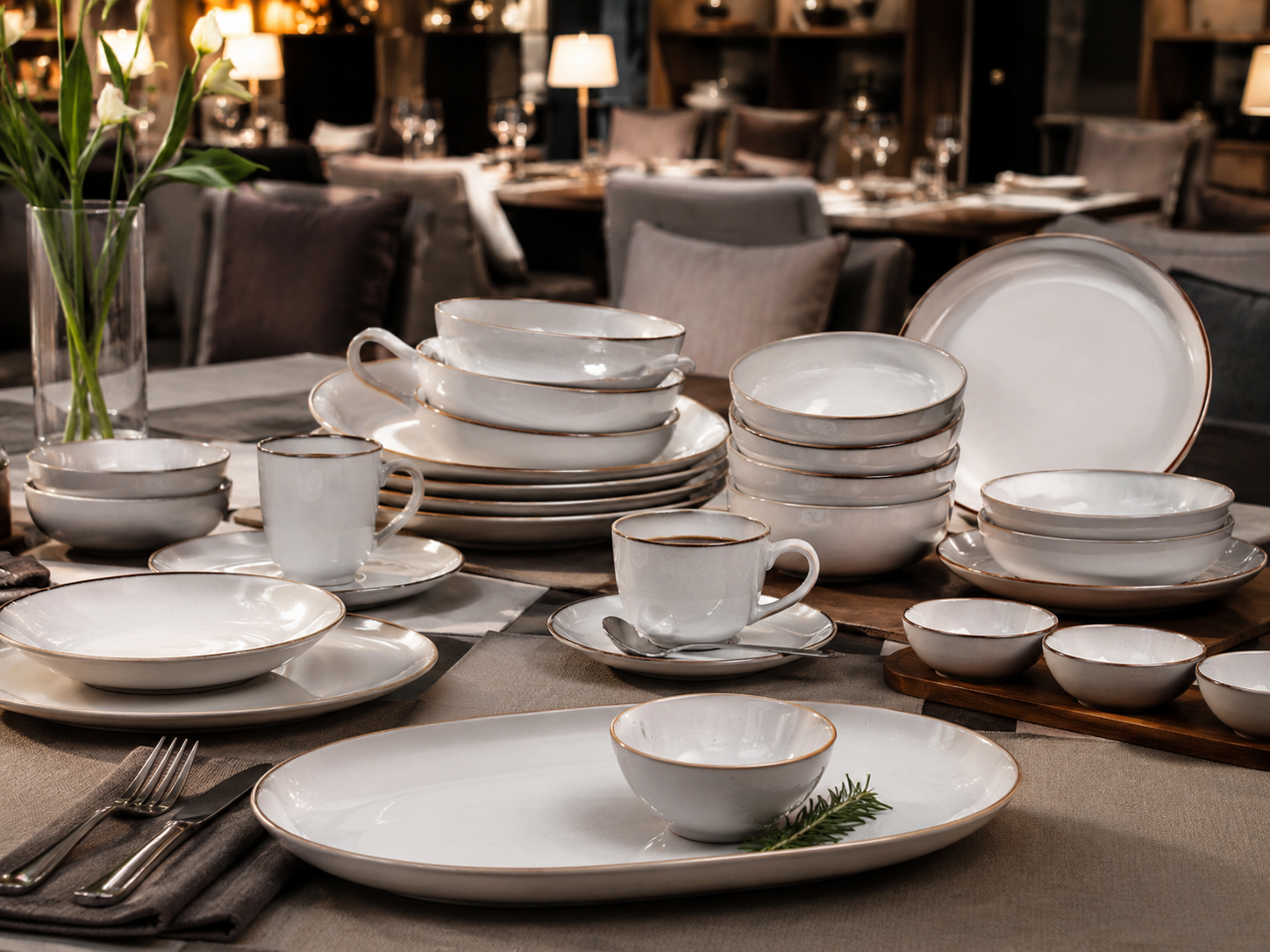
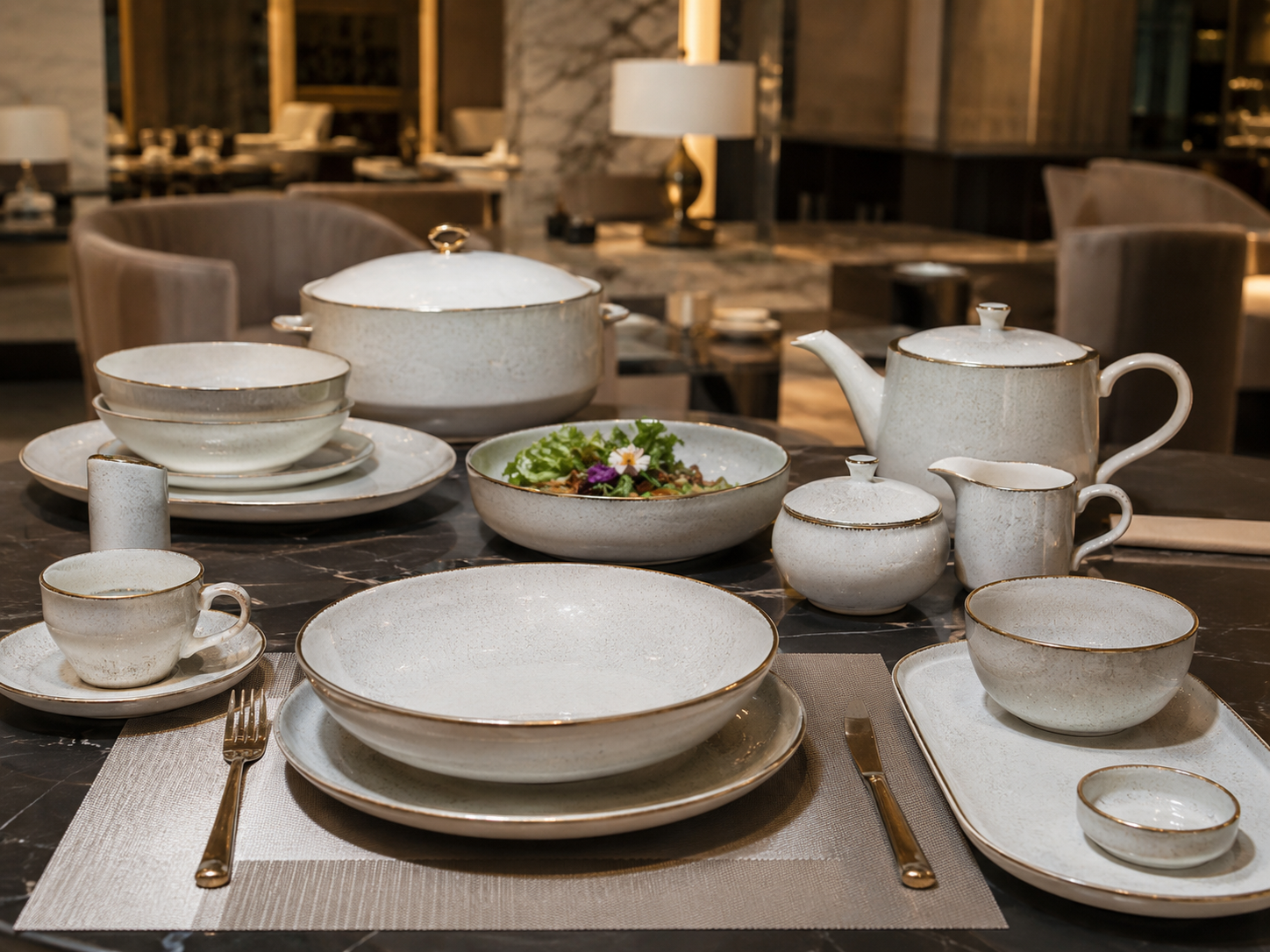
These innovations enable precise, repeatable, and high-volume printing suitable for all tableware types—plates, bowls, mugs, or custom ceramics.
Real-World Production Benefits
1. Consistent Quality at Scale
By eliminating manual steps, the system achieves consistent color depth, alignment, and surface adhesion, meeting export-grade quality requirements.
2. Reduced Downtime and Higher Utilization
Servo automation and quick-change components allow production shifts to switch designs in under 15 minutes.
3. Labor and Cost Reduction
One operator can now manage multiple lines, lowering per-unit production costs by 30–40%.
4. Customization Flexibility
The system supports both standard and custom print patterns, enabling OEM and private-label production.
5. Environmental Compliance
Closed ink and drying systems reduce VOC emissions, ensuring compliance with ISO 14001 and CE standards.
ROI and Cost Analysis
| Category | Manual Setup | Automated Line | Change |
|---|---|---|---|
| Labor Cost | USD 130,000/year | USD 80,000/year | -38% |
| Ink Waste | 10–12% | 4–5% | -58% |
| Energy Consumption | 100% baseline | 80% baseline | -20% |
| Rework/Defect Rate | 8–10% | 3–4% | -60% |
| ROI Period | — | 14 months | — |
Source: Manufacturing Automation Journal
Integration with Ceramic Production Lines
The automatic pad printing line integrates seamlessly with:
-
Pre-Firing Decoration Stages – for underglaze printing applications.
-
Post-Firing Decoration Stages – for overglaze branding and pattern enhancement.
-
Robotic Loading Arms and Inspection Systems – for fully unmanned operation.
Combined with digital ceramic printers and glaze spraying lines, manufacturers can form a complete automated decoration cell, achieving continuous production with minimal human intervention.
Sustainability and Energy Efficiency
According to the Energy Efficiency Council, automated printing lines can reduce total energy use by 20–25% through servo-controlled motion and efficient curing systems.
Additionally, closed-loop ink recycling minimizes environmental impact and supports long-term sustainability targets under ESG manufacturing frameworks.
Installation and Technical Support
Typical setup and calibration require 6–8 weeks, including operator training and trial runs.
The company offers:
-
Site layout design and line integration planning
-
Remote diagnostics and software updates
-
Global after-sales technical support
To request a technical proposal or system demo, visit Haoda Machine or contact our engineering team.