
Automatic Jigging Line for Dinnerware Production: Where Automation Meets Efficiency
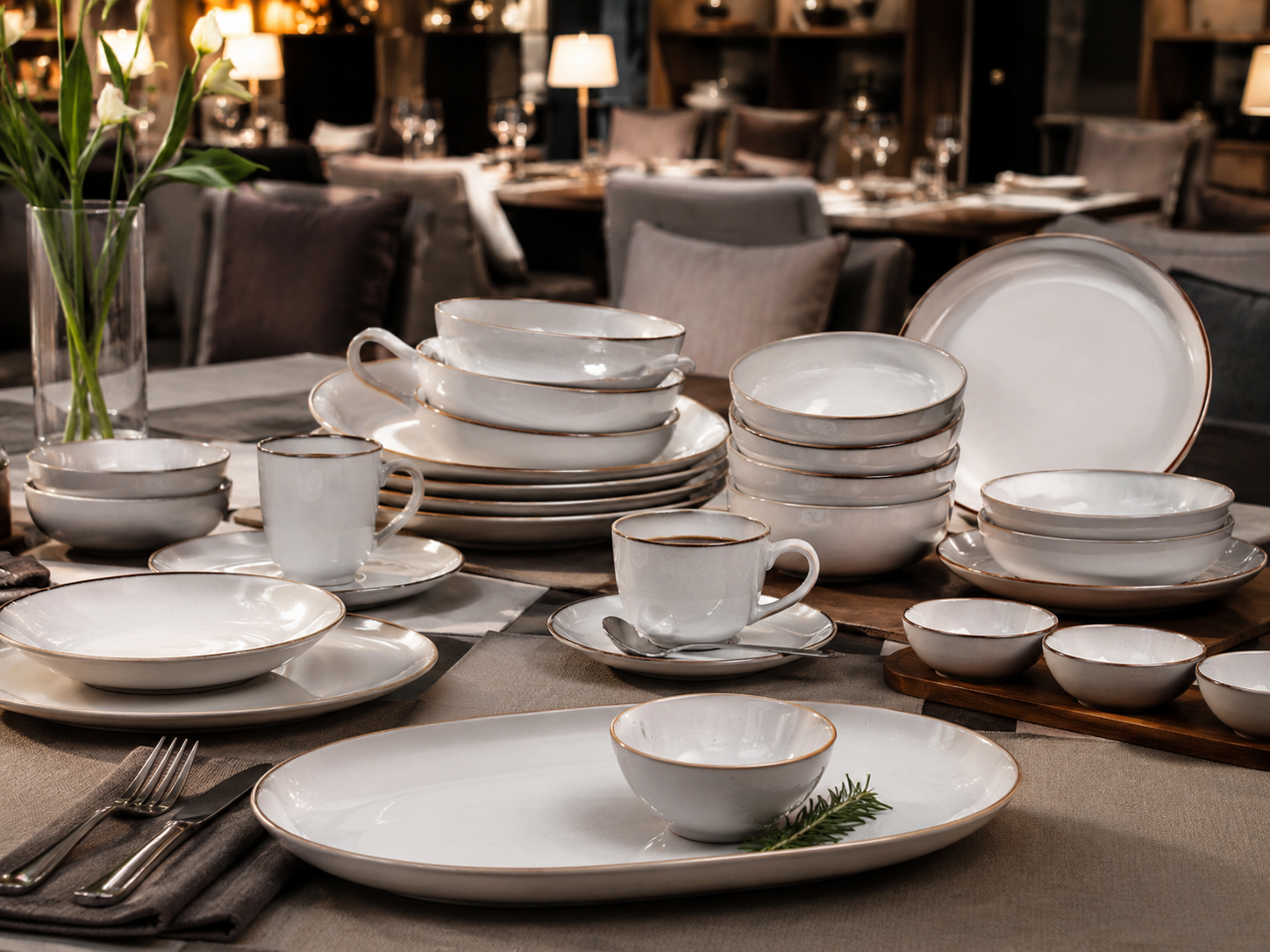
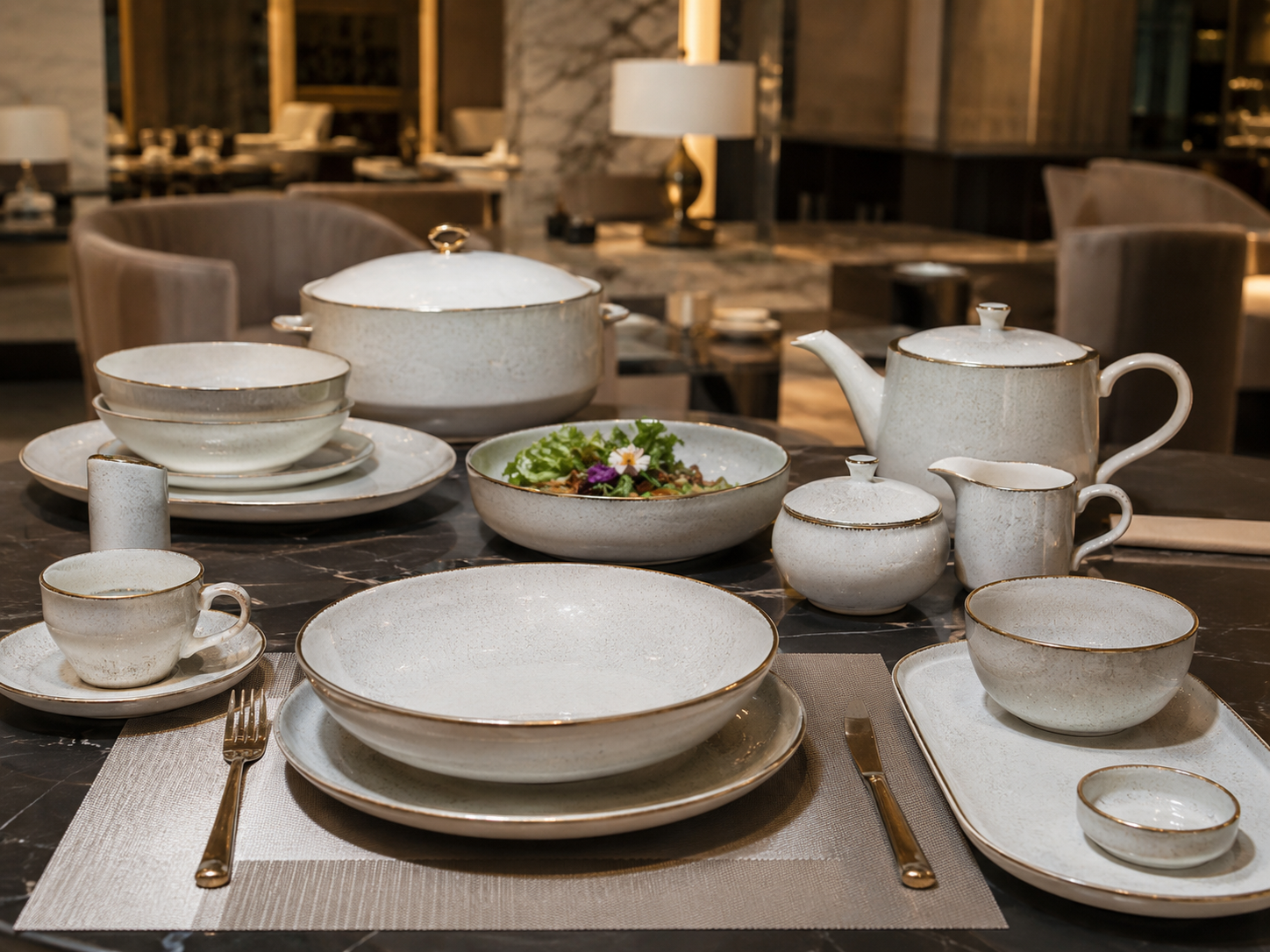
In the post-pandemic market, dinnerware demand has surged from both household and commercial sectors—especially hotels, restaurants, and catering supply chains.
Yet, production cost and labor instability remain the two largest challenges for most ceramic plants.
Manual jiggering or half-automatic presses depend heavily on skilled operators. As a result, the industry faces:
-
Low efficiency (less than 800 pieces/hour per station).
-
Dimensional deviation exceeding ±0.3 mm.
-
High defect rate from inconsistent wall thickness.
-
Increased energy cost due to downtime and uneven loading.
To address these constraints, manufacturers are turning to fully automated jigging lines.
According to the International Tableware Manufacturers Association, over 60% of newly established tableware factories in Asia and Europe adopted automated forming systems in 2024, achieving 35–50% higher output and 20–30% lower energy use within the first year.
How the Automatic Jigging Line Works
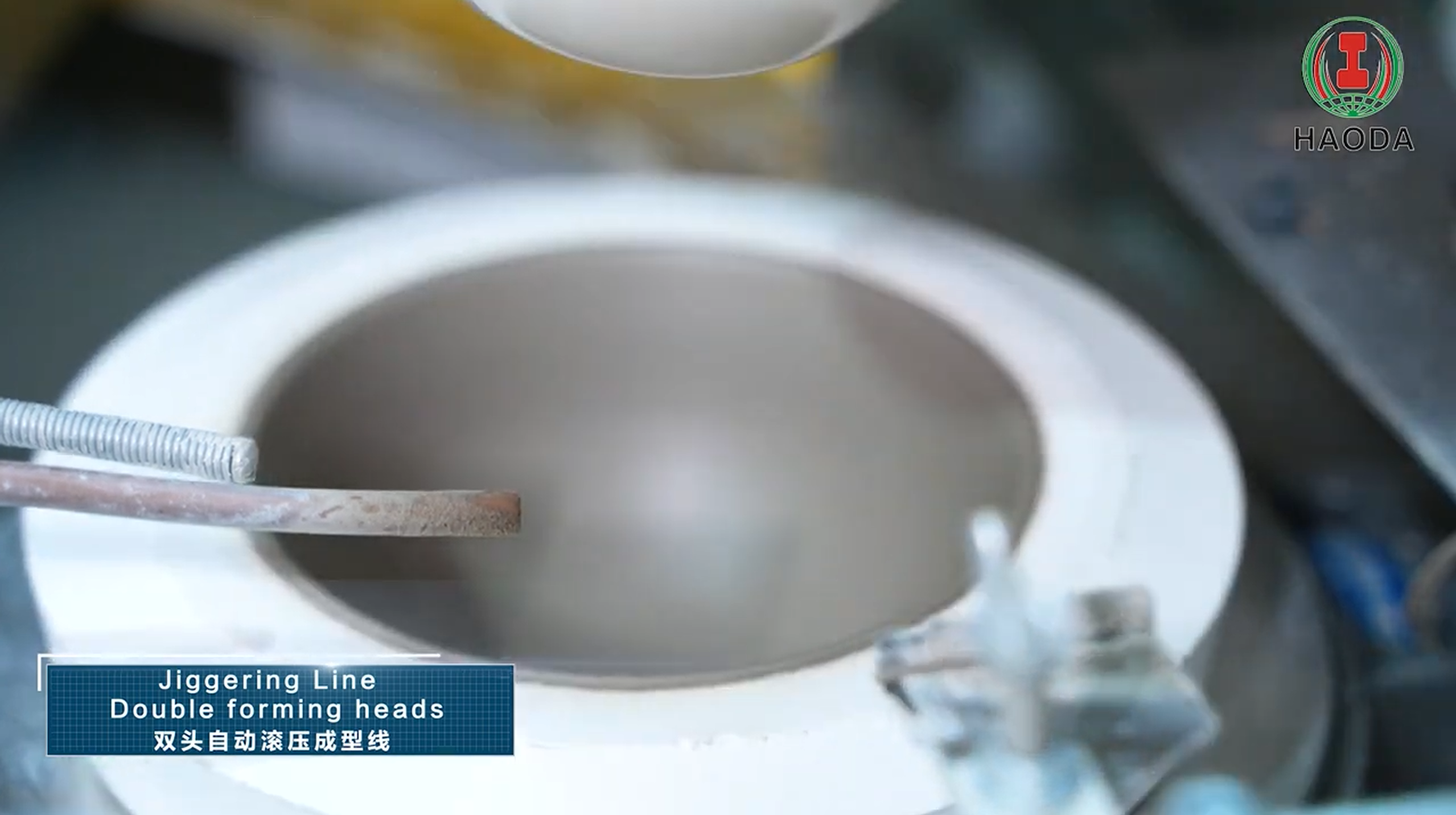
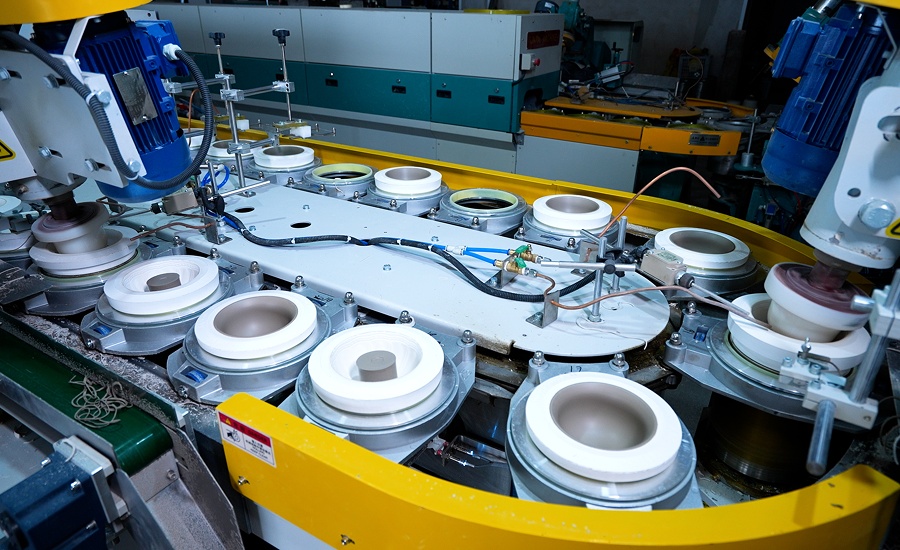
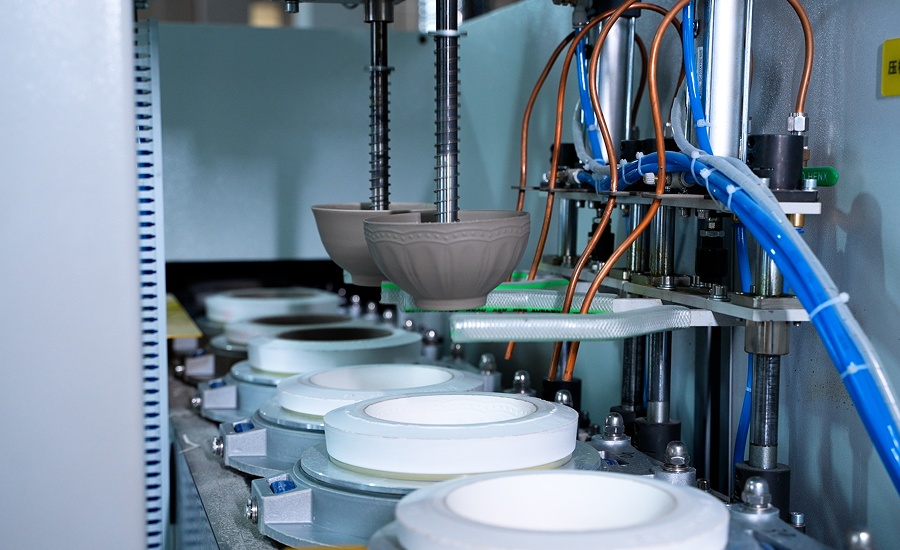
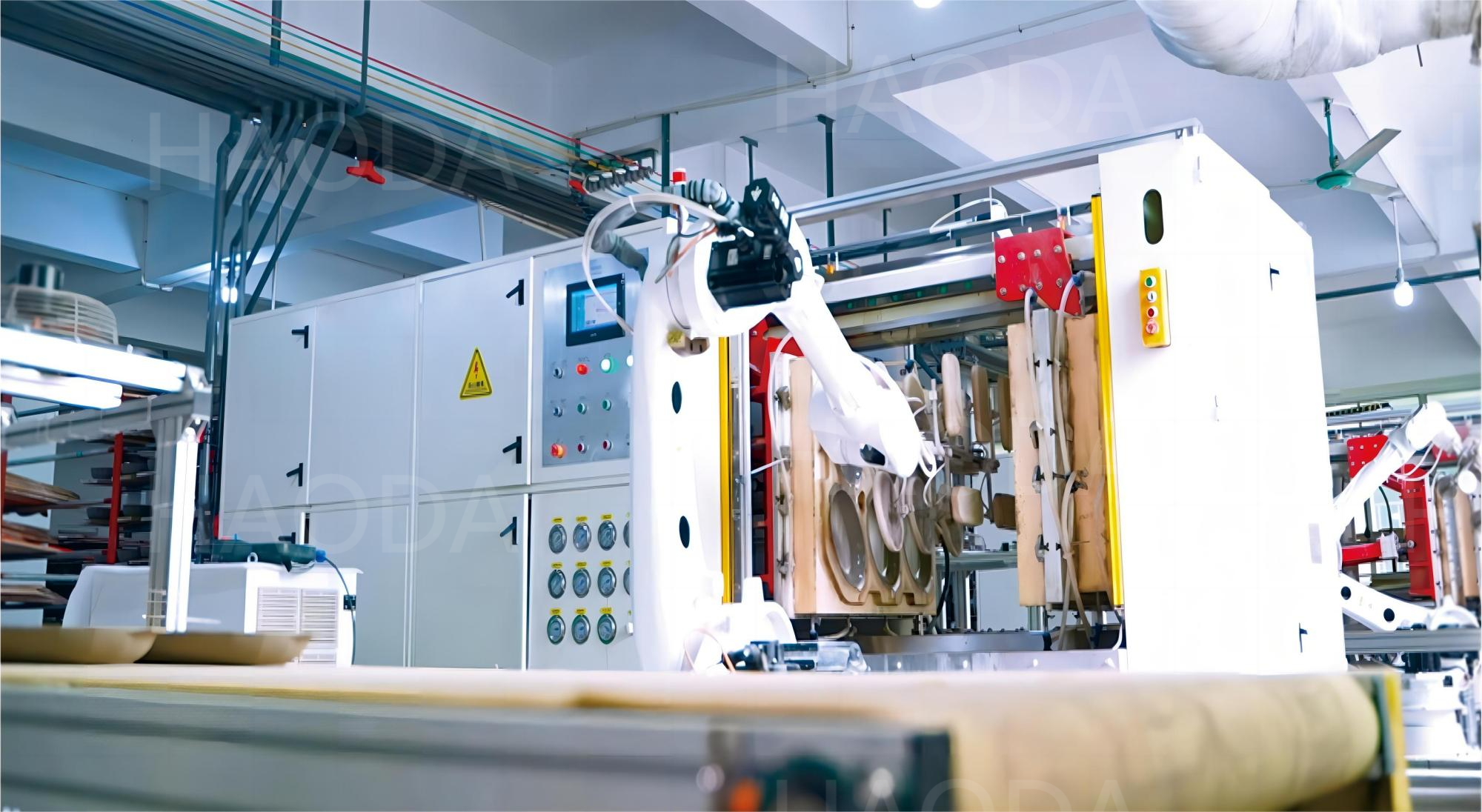
An automatic jigging line converts traditional stand-alone forming into a seamless, synchronized flow.
Each station executes its process precisely through servo-driven mechanisms under PLC control.
Production Flow
-
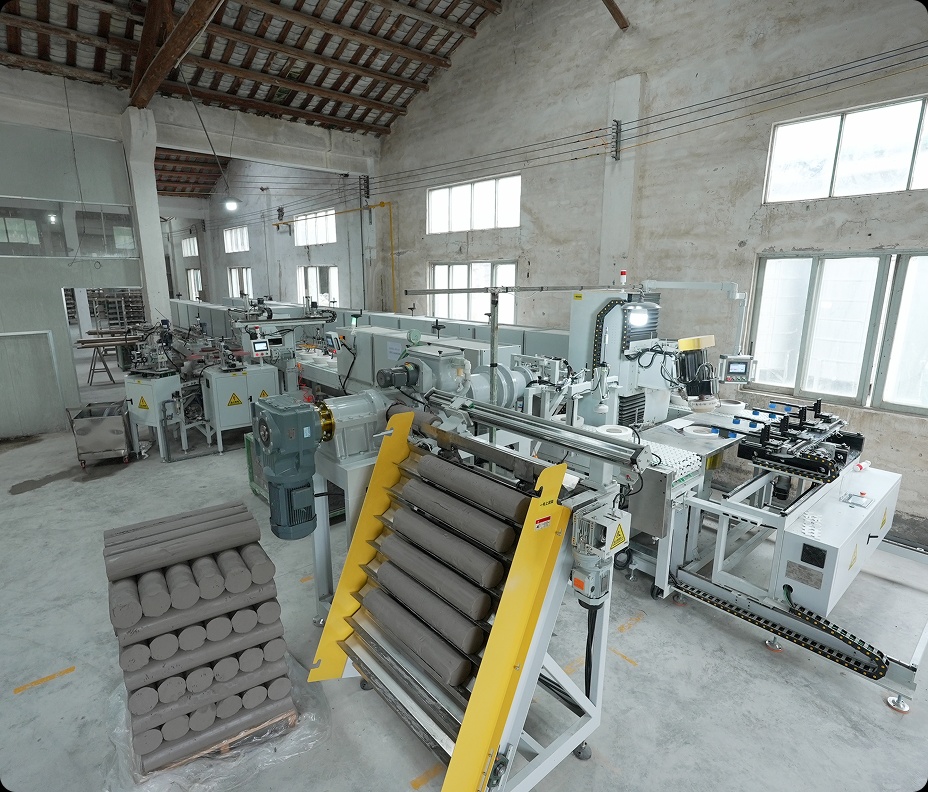
Material Feeding: Automatically measures and transfers clay with consistent weight and moisture.
-
Positioning & Centering: Laser alignment ensures accurate mold placement.
-
Servo Forming: Each head forms with adaptive pressure curves to match material type and shape.
-
Trimming & Finishing: Removes edge flash automatically before demolding.
-
Transfer to Drying: Items move directly to the drying line—no manual handling.
-
In-Line Quality Check: Sensors detect defects in geometry or thickness before glazing.
Each line forms up to 1,800 dinnerware pieces per hour, maintaining ±0.15 mm accuracy and continuous operation for 24 hours with minimal operator intervention.
Data-Driven Comparison of Manual vs. Automated Production
| Parameter | Manual Jigging | Automatic Jigging Line | Improvement |
|---|---|---|---|
| Output (pcs/hour) | 700–800 | 1,600–1,800 | +120% |
| Labor per Line | 4–5 operators | 1 operator | -75% |
| Energy Use (kWh/hr) | 100% baseline | 78% baseline | -22% |
| Rejection Rate | 8–10% | 3–4% | -60% |
| Setup Time | 15 min | 5–6 min | -60% |
| ROI Period | — | 14–16 months | — |
Field data collected from Southeast Asian and European production sites (2024).
This quantifiable improvement helps medium-sized producers double their capacity without doubling costs, addressing both scalability and long-term competitiveness.
Technical Highlights and Mechanical Design
The system’s engineering focuses on precision, reliability, and modular flexibility:
-
Servo Motion Synchronization: Each forming arm responds to dynamic torque feedback for identical shaping cycles.
-
Hydraulic Energy Recovery: Converts back-pressure into stored energy, reducing power loss by up to 18%.
-
Mold Calibration Memory: Automatically recalls optimal mold settings from stored data profiles.
-
Dust & Slip Management System: Keeps the forming chamber clean, extending mold life.
-
Smart Control Interface: Real-time display of forming cycles, speed, and maintenance alerts.
These innovations turn the jigging line into a data-centric manufacturing cell, where forming precision and resource efficiency are both optimized.
Meeting Real Customer Needs: From Labor Shortage to ROI Clarity
Clients adopting automation are often motivated by very practical goals rather than technology hype.
1. Labor Shortage & Skill Gaps
Many ceramic factories in Vietnam, India, and China face high employee turnover and rising training costs.
By automating jiggering and trimming, a single technician can now oversee an entire line—cutting manpower demand by up to 75%.
2. Production Stability for Export Orders
Export clients (hotels, catering suppliers, retailers) demand consistent sizing and glaze compatibility.
An automatic jigging line ensures batch-to-batch uniformity, reducing complaint rates and returns.
3. Investment Payback and Predictability
Unlike high-pressure casting systems that require complex molds, the jigging line retains flexibility for product variety and quick setup changes—ideal for small-to-medium OEM plants.
Factory data shows that annual cost savings average USD 80,000–100,000, depending on product mix and labor region.
Integration and Future Scalability
An automatic jigging line fits seamlessly within a broader automated production ecosystem:
-
Upstream Integration: Automated clay feeding and preparation systems.
-
Downstream Integration: Glaze spraying, drying, and inspection lines.
-
Digital Expansion: Optional data interface for ERP and MES connection.
The Manufacturing Automation Journal reports that modular ceramic lines have become the dominant upgrade path for 70% of mid-size ceramic factories in 2024, thanks to scalable architecture and low conversion downtime.
Sustainability and Energy Efficiency
Energy consumption is a key cost driver in continuous ceramic forming.
The line’s servo-controlled energy recovery and heat reuse systems reduce total CO₂ emissions by 18–22%, verified through simulation testing under ISO energy standards.
The Energy Efficiency Council notes that modern servo-hydraulic systems in manufacturing cut annual energy usage by up to 25%, creating an eco-benefit alongside cost savings.
Implementation and Support
Deployment is handled by an experienced engineering team:
-
Layout Design & Simulation — Modeling equipment position and material flow.
-
Installation & Calibration — Mechanical alignment and forming parameter setup.
-
Trial Production & Operator Training — Ensuring consistent quality before handover.
-
Post-Sale Service — Remote diagnostics and spare parts supply within 72 hours.
Most clients reach stable operation within 4–6 weeks after installation, depending on product type and line scale.
To learn how your ceramic plant can automate forming without losing flexibility, visit Haoda Machine or contact our technical team.