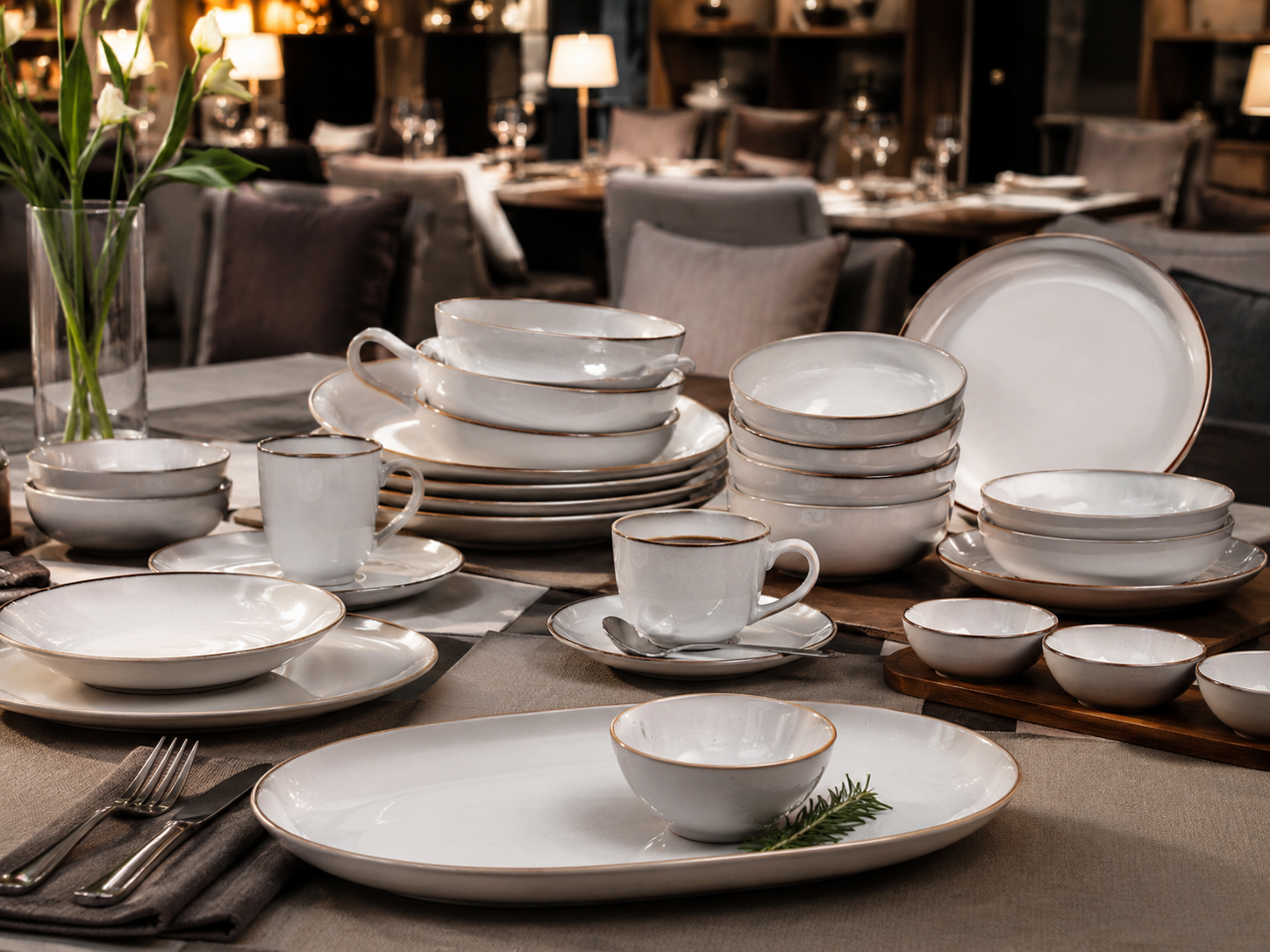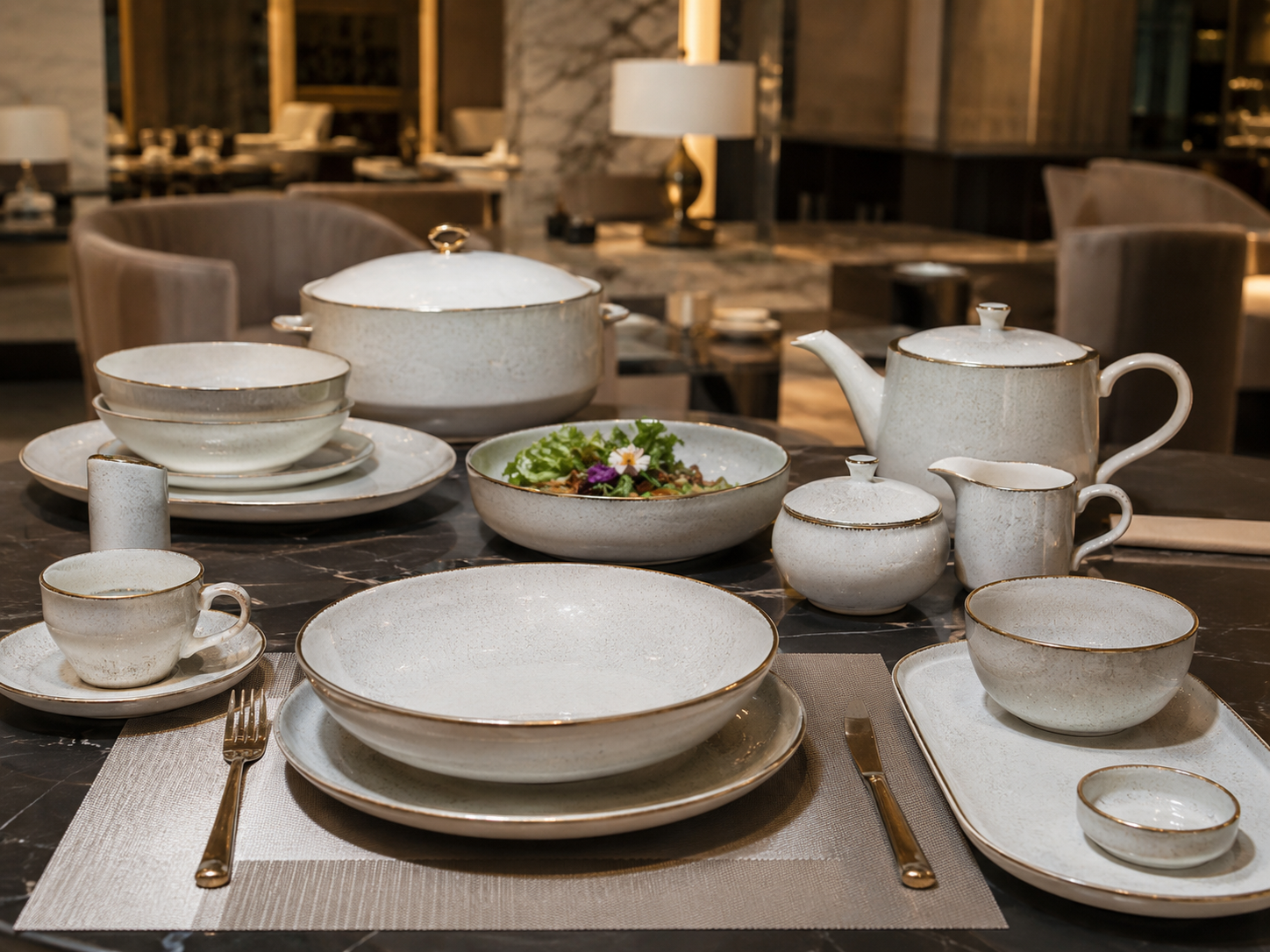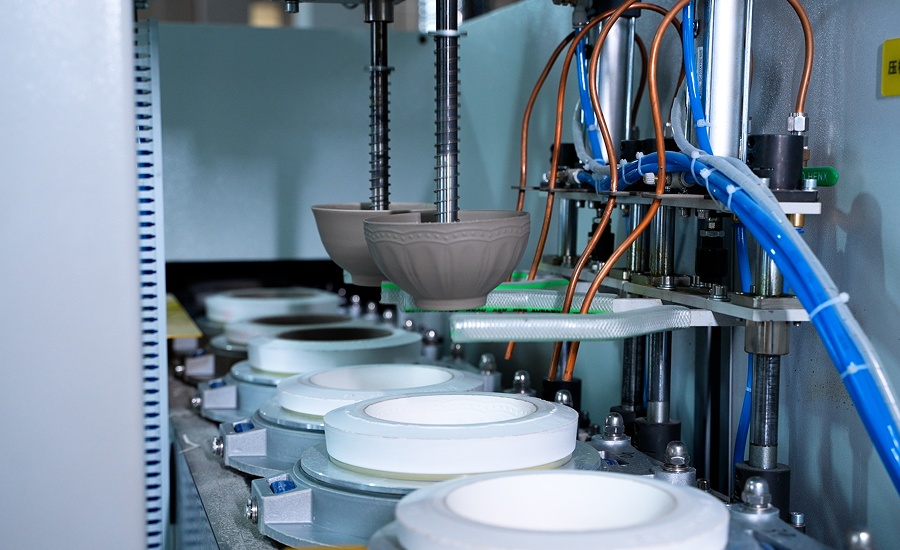

For ceramic tableware factories, glaze quality is not just a surface detail. It affects product appearance, buyer acceptance, rework rate, and final selling value. A plate with uneven gloss, a bowl with visible glaze thickness variation, or a mug with color difference may still be functional, but it may not meet export, hotelware, or brand customer standards.
This is why glaze uniformity improvement has become an important topic for ceramic manufacturers. Many factories already know how to produce plates, bowls, cups, and saucers in large quantities. The harder question is how to keep every piece looking consistent across hundreds or thousands of units.
Manual glazing depends heavily on operator experience. Spray angle, glaze viscosity, hand movement, product placement, and drying rhythm can all affect the final surface. When production volume grows, small differences become larger problems.
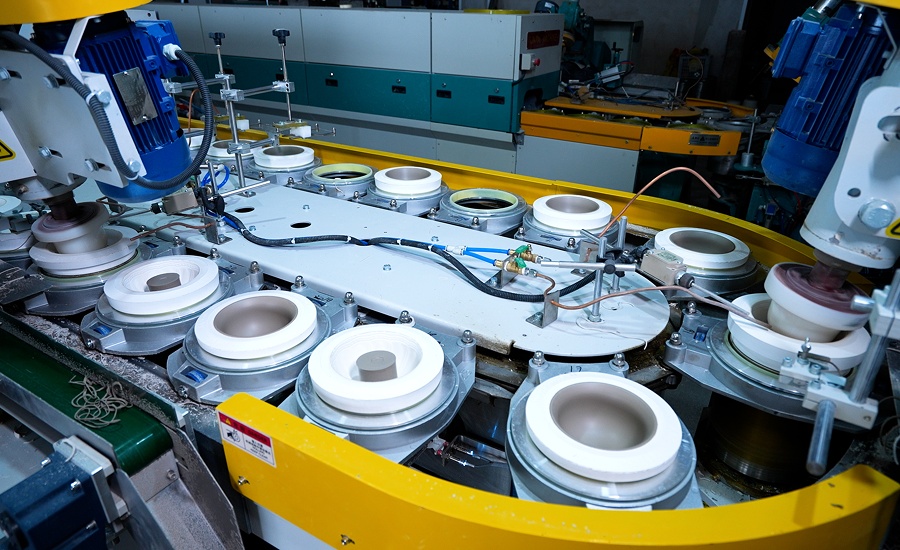
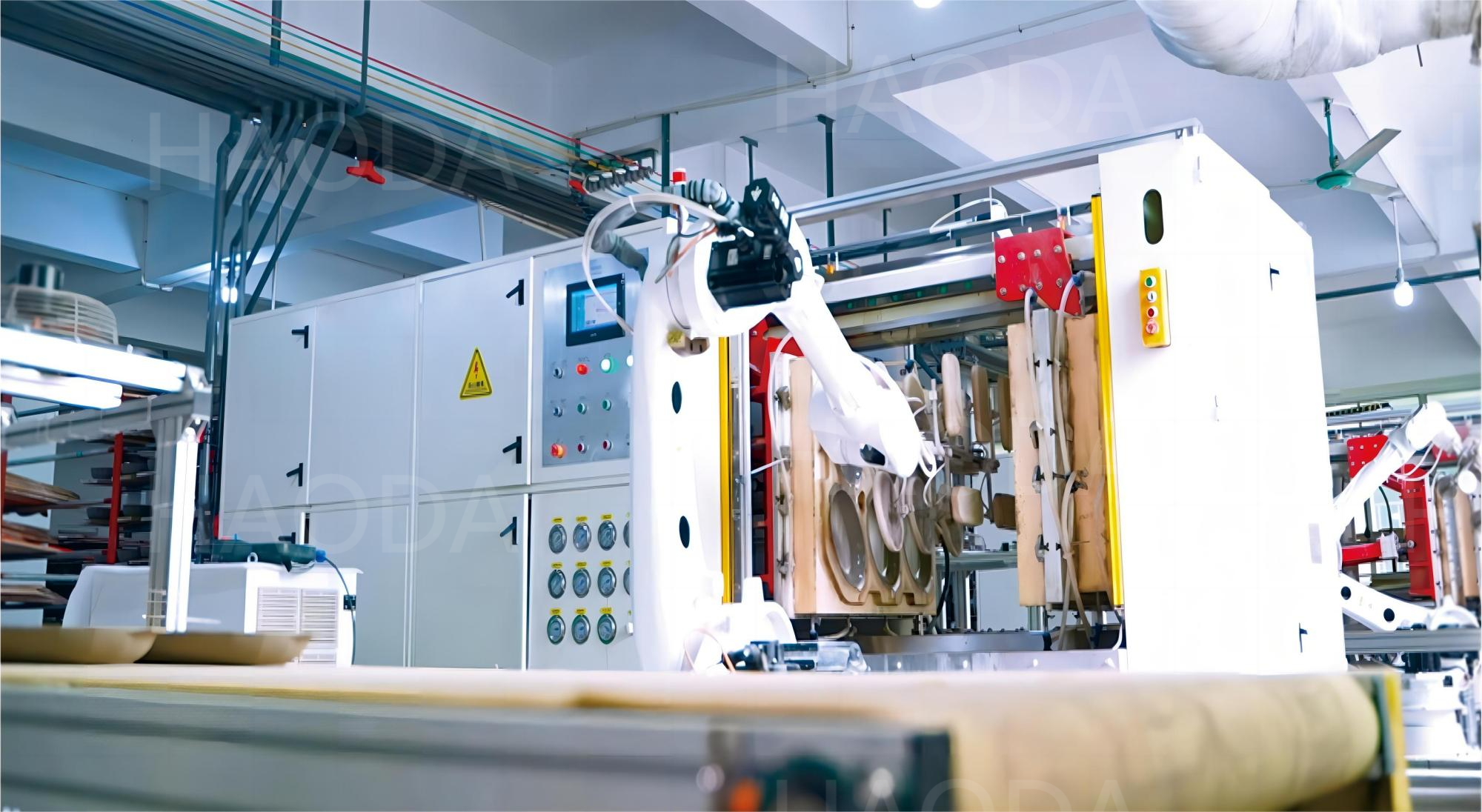
A more stable solution is to use automated glazing equipment and better production-line coordination. At HAODA Machinery, glaze uniformity improvement is treated as part of the whole ceramic tableware production process, not only a single spraying action.
For factories planning a more complete production upgrade, HAODA’s guide to an automated ceramic glazing line explains how glazing equipment can work with forming, drying, conveying, and factory layout to improve both efficiency and surface quality.
Why Glaze Uniformity Problems Happen in Ceramic Factories
Uneven glaze usually does not come from one single mistake. It is often the result of several production factors working together.
The first factor is manual operation. When workers spray or dip products by hand, every operator may move differently. One person may spray closer to the product, another may spray from a wider angle. Even experienced workers can have fatigue during long shifts, causing coating variation.
The second factor is product shape. Flat plates, deep bowls, mugs, irregular tableware, and decorative ceramics do not receive glaze in the same way. A plate may need even coverage across a wide surface, while a deep bowl requires better control around the inner curve, rim, and foot area.
The third factor is glaze condition. Viscosity, circulation, sedimentation, and temperature can all affect coating behavior. If glaze is not kept stable during production, the same machine setting may still produce different results.
The fourth factor is poor process connection. If forming, drying, glazing, and handling are not synchronized, products may arrive at the glazing stage with inconsistent moisture, temperature, or surface condition. This makes glaze uniformity harder to control.
This is why glaze uniformity improvement should be considered from both the machine side and the production process side.
Glaze Uniformity Improvement Starts with the Right Glazing Method
Not every ceramic product should use the same glazing method. The right choice depends on product shape, glaze type, production volume, and final appearance requirement.
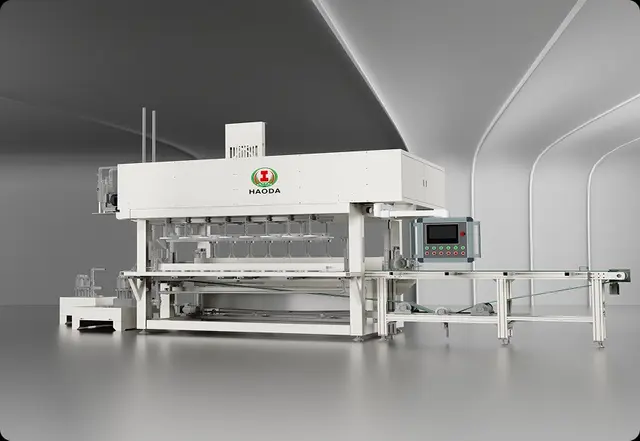
Dip Glazing for Standard White and Transparent Glaze
Dip glazing is suitable for many standardized ceramic tableware products, especially when the factory mainly uses white glaze, transparent glaze, or basic functional glaze.
It is commonly used for:
- Plates
- Bowls
- Cups
- Mugs
- Daily-use ceramic tableware
- Standardized export tableware
The advantage of dip glazing is efficiency. Products are dipped into glaze under controlled movement, helping achieve stable glaze thickness on regular shapes. For factories producing large quantities of standard tableware, an automatic dip glazing machine can reduce manual variation and improve consistency.
Dip glazing is especially suitable for daily tableware manufacturers, OEM ceramic factories, and export ceramic factories that need stable output with relatively simple glaze requirements.
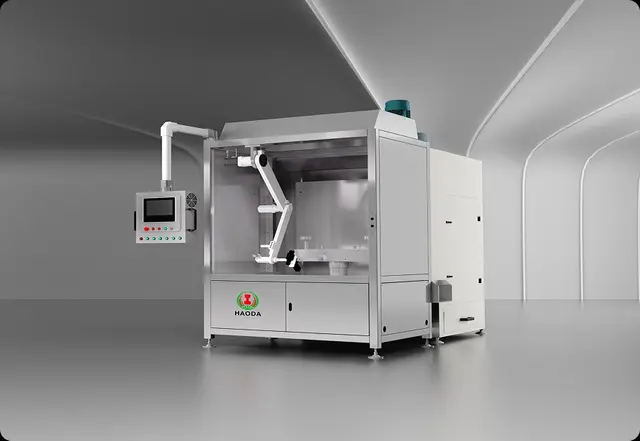
Spray Glazing for Color Glaze and Complex Shapes
Spray glazing is more flexible. It is better for products that need color glaze, matte glaze, reactive glaze, gradient glaze, or decorative surface effects. It is also useful for complex shapes where dipping may not provide controlled coverage.
Spray glazing is commonly used for:
- Ceramic plates
- Bowls
- Cups and mugs
- Irregular tableware
- High-end decorative tableware
- Small and medium ceramic vases or planters
For factories producing premium tableware, hotelware, branded ceramic products, or color-glaze collections, automated spray glazing gives more control over spray angle, coating thickness, and product appearance.
HAODA’s ceramic production equipment includes glazing solutions that can be selected according to product shape, glaze type, and target capacity.
How Automated Glazing Equipment Improves Surface Consistency
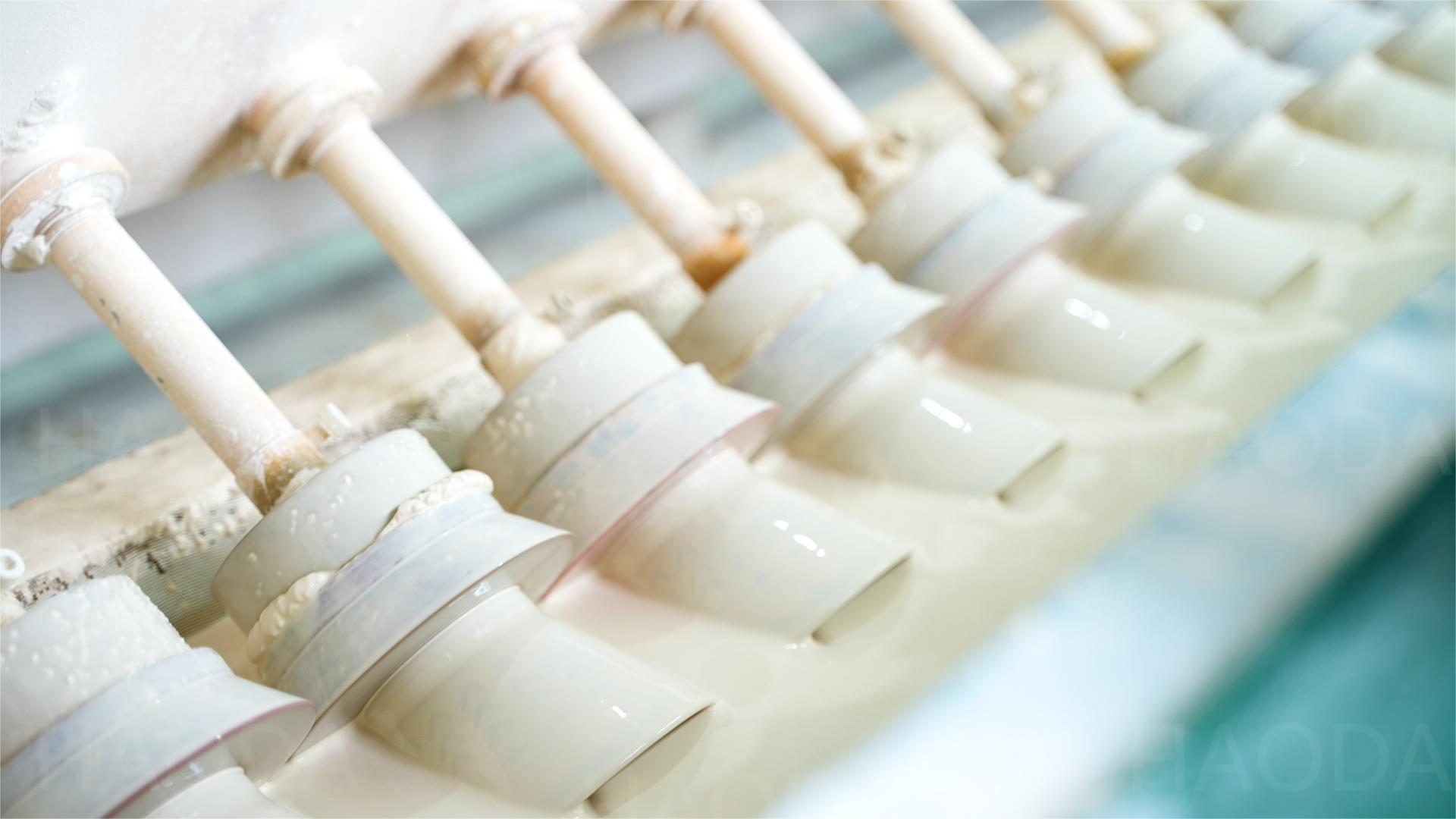
The main value of automated glazing equipment is repeatability. Once the correct parameters are set, the machine can repeat the same movement, angle, speed, and coating process more consistently than manual operation.
For spray glazing, the machine can control:
- Spray distance
- Spray angle
- Rotation speed
- Glaze flow
- Product positioning
- Spraying time
For dip glazing, the system can control:
- Dipping depth
- Lifting speed
- Product holding position
- Glaze circulation
- Foot cleaning
- Transfer rhythm
These controls help reduce common defects such as uneven thickness, glaze accumulation, thin coating, visible spray marks, and inconsistent gloss.
Automated glazing also reduces dependence on highly skilled labor. This is especially important for factories facing labor shortages, rising labor costs, or inconsistent operator performance.
For factories that are already upgrading forming and handling systems, glaze uniformity improvement can be more effective when glazing equipment is integrated into the broader production flow. HAODA’s article on smart ceramic production planning explains how different stages of a ceramic line can be planned together instead of being treated as isolated machines.
Which Factories Need Glaze Uniformity Improvement Most?
Daily Tableware Factories
Daily tableware factories produce large quantities of plates, bowls, cups, and dinnerware sets. Even if each product is simple, the factory needs consistency across every batch. Uneven glaze may increase sorting work, rework, and customer complaints.
For this type of factory, automatic dip glazing or spray glazing can help reduce manual variation and support more stable production.
Hotel and Restaurant Tableware Suppliers
Hotelware customers usually care about consistency. A hotel plate set must look clean, uniform, and professional. If glaze thickness, color, or gloss varies too much, the whole batch may appear low quality.
For hotel and restaurant tableware suppliers, glaze uniformity improvement helps improve product appearance and strengthens long-term customer trust.
Export Ceramic Manufacturers
Export buyers often inspect product consistency more strictly. They may compare samples with bulk production, check color stability, and reject products with obvious surface differences.
A more controlled glazing process helps export ceramic manufacturers reduce quality risk before shipment.
Brand and OEM Ceramic Factories
Brand customers often require customized colors, logo decoration, special finishes, or repeated orders over several seasons. If the glaze result changes from one batch to another, the brand image may be affected.
For OEM ceramic factories, automated glazing supports more predictable results and easier repeat production.
High-End and Color Glaze Product Manufacturers
Color glaze, matte glaze, reactive glaze, and decorative glaze are more sensitive to process variation. Spray angle, thickness, and drying rhythm can all affect the final appearance.
For high-end ceramic tableware manufacturers, controlled spray glazing is often more suitable than manual operation.
Product Types That Benefit from Better Glaze Control
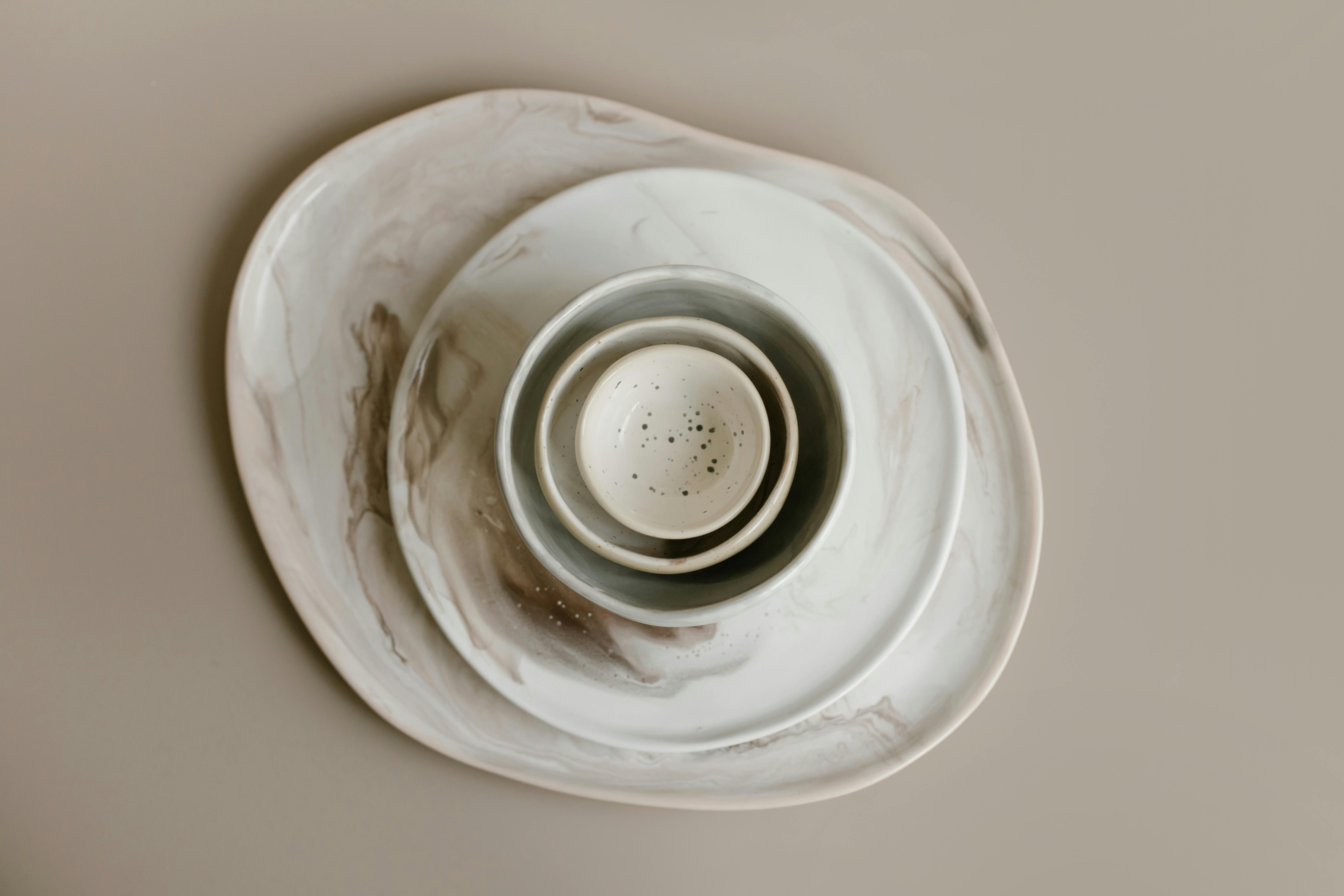
Glaze uniformity improvement is useful for many ceramic products, but it is especially important for:
- Dinner plates
- Salad plates
- Soup plates
- Shallow bowls
- Rice bowls
- Cups and mugs
- Saucers
- Dinnerware sets
- Hotel tableware
- Porcelain tableware
- Stoneware tableware
- Premium color-glaze tableware
Flat products such as plates require even surface coverage. Bowls require stable glaze distribution around curves and rims. Cups and mugs need controlled coating around handles, mouths, and inner surfaces. Dinnerware sets require consistency across different product shapes within one collection.
This is why equipment selection should be based on real product samples, not only the machine name.
How HAODA Helps Factories Choose the Right Glazing Solution
A factory may ask: should we choose dip glazing or spray glazing?
The answer depends on the product and production goal.
If the factory mainly produces standardized white or transparent glaze tableware in high volume, automatic dip glazing may be more efficient.
If the factory produces color glaze, decorative glaze, irregular shapes, or higher-end tableware, automatic spray glazing may be more flexible.
If the factory produces both standard and premium products, a combined solution may be more suitable.
HAODA can help review several key points before recommending a machine:
- Product type and size
- Plate or bowl depth
- Glaze type
- Target daily capacity
- Current labor arrangement
- Existing drying and transfer process
- Factory layout
- Future expansion plan
For factories that want to improve more than one production stage, HAODA’s complete ceramic tableware production system can help them understand how forming, glazing, decoration, and conveying can work together in a more stable production line.
Practical Upgrade Path for Better Glaze Uniformity
A factory does not always need to rebuild the whole line immediately. A practical upgrade can be done in stages.
The first step is to identify where glaze defects come from. Is the problem caused by manual spraying, unstable glaze circulation, product shape, drying inconsistency, or poor handling?
The second step is to choose the right glazing equipment. Standard products may need automatic dip glazing. Complex shapes and color glaze products may need automatic spray glazing.
The third step is to improve process connection. If products are not transferred smoothly before and after glazing, the machine alone cannot solve every problem.
The fourth step is to train operators on parameter control, glaze maintenance, and basic inspection. Automation reduces variation, but stable management is still necessary.
For factories planning a new workshop or larger production upgrade, HAODA’s turnkey ceramic production project shows how equipment selection, layout planning, installation, and technical support can be organized as a complete project.
Frequently Asked Questions
What is the best way to improve glaze uniformity?
The best way is to combine stable glaze preparation, suitable glazing equipment, controlled product movement, and consistent drying conditions. For many factories, automated spray glazing or dip glazing is the most practical upgrade.
Is spray glazing better than dip glazing?
Not always. Spray glazing is better for color glaze, decorative glaze, complex shapes, and high-end products. Dip glazing is more suitable for standardized white or transparent glaze products in large-volume production.
Can automated glazing reduce labor dependency?
Yes. Automated glazing equipment can reduce reliance on manual spraying or dipping skills. It helps operators focus more on process control and quality inspection instead of repetitive manual coating.
Does glaze uniformity improvement only apply to high-end products?
No. Standard daily tableware factories also benefit because better glaze consistency can reduce rework, sorting pressure, and customer complaints.
Improve Glaze Quality with the Right Ceramic Glazing System
Glaze uniformity improvement is not only about making ceramic products look better. It helps factories reduce rework, stabilize production quality, improve buyer confidence, and support larger export or OEM orders.
For daily tableware factories, automatic dip glazing can improve consistency in high-volume production. For color glaze, hotelware, premium tableware, and complex shapes, automatic spray glazing gives better control and flexibility.
HAODA Machinery provides ceramic glazing equipment and production-line solutions for factories that need more stable surface quality and more efficient production. Explore HAODA’s ceramic glazing and tableware production equipment, or contact HAODA to send your product size, glaze type, target capacity, and factory layout for a suitable equipment recommendation.