
Integrated Forming-to-Glazing Lines: Redefining Ceramic Production Efficiency
In traditional ceramic manufacturing, forming and glazing were separate, manual processes prone to inconsistency.
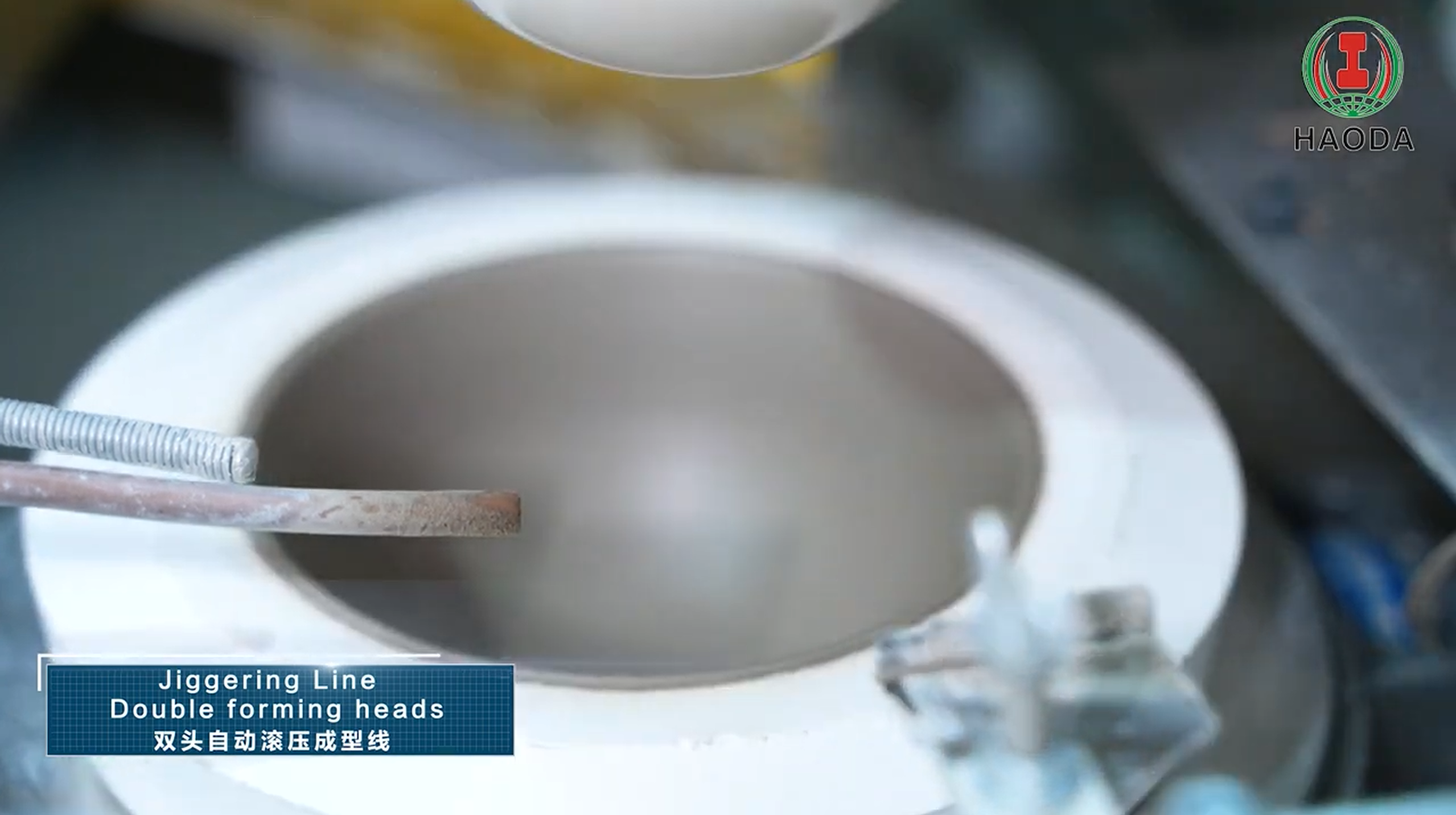
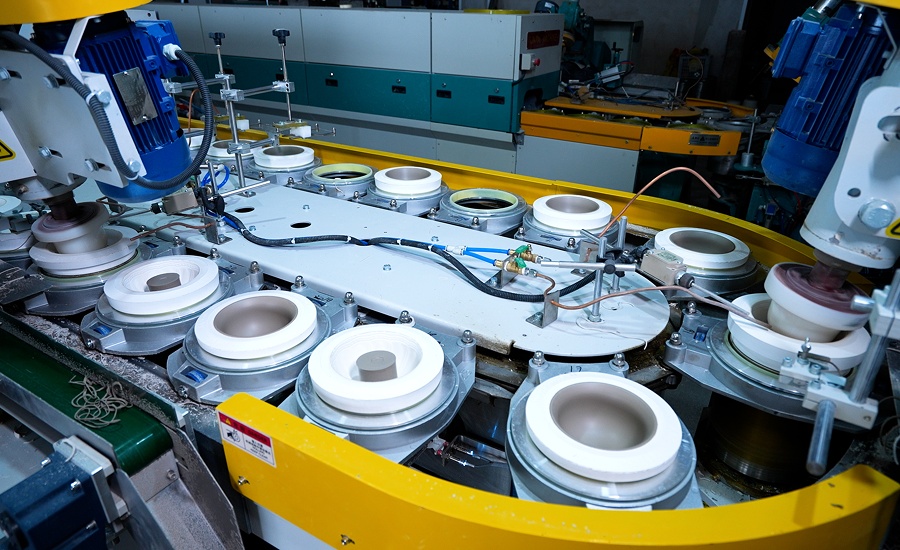
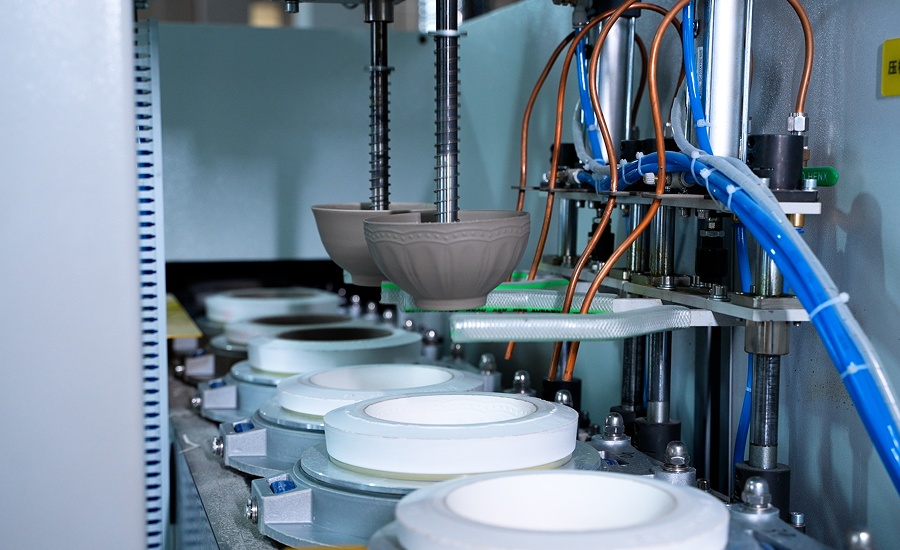
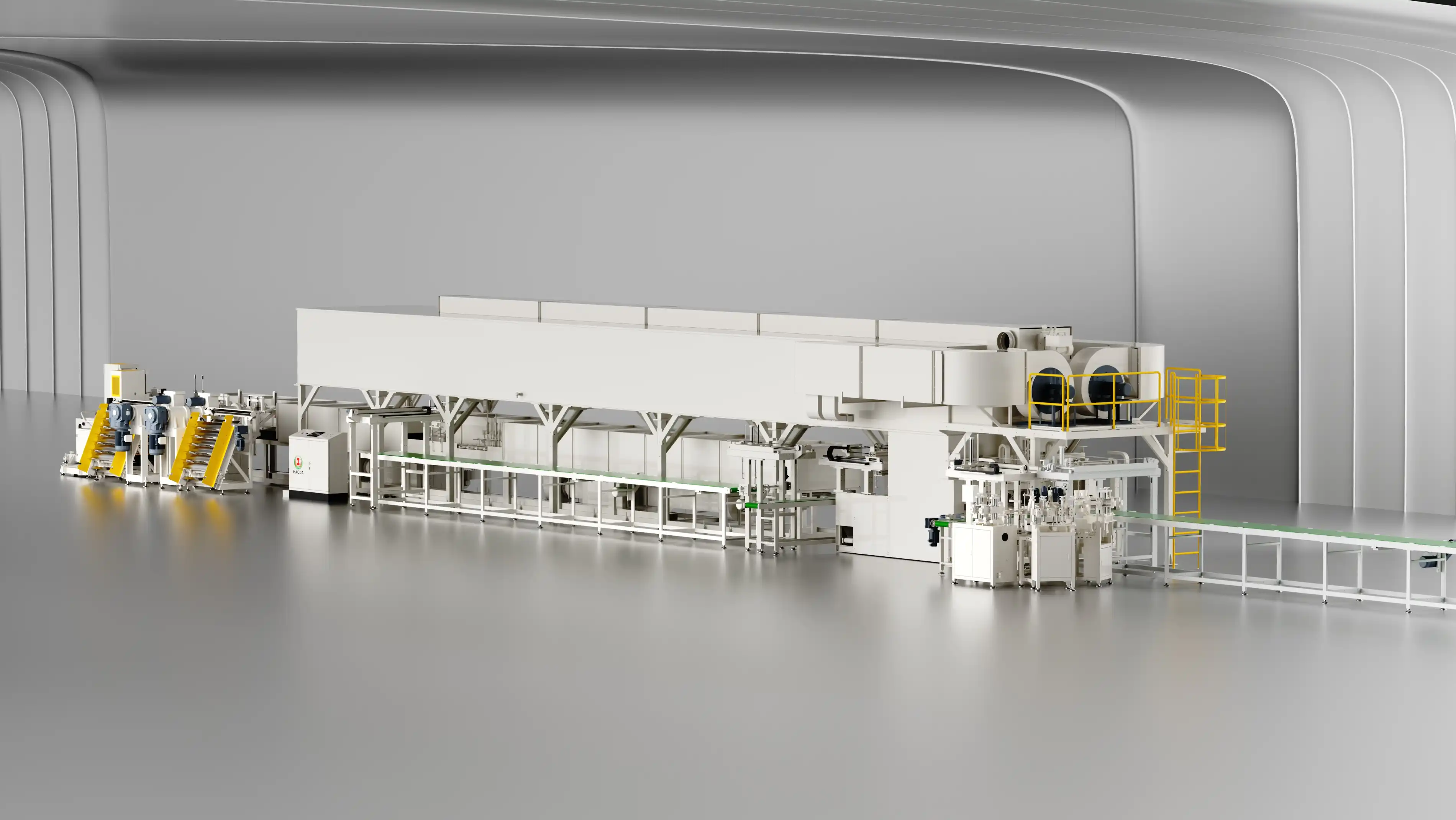
A tableware forming to glazing line integrates shaping, pre-drying, transfer, and coating in one continuous workflow — reducing human error and improving glaze uniformity.
According to the Ceramic Industry Association, this integration can cut material waste by up to 20% while increasing yield by 30%, making it a critical upgrade for modern tableware factories.
System Structure of a Tableware Forming to Glazing Line
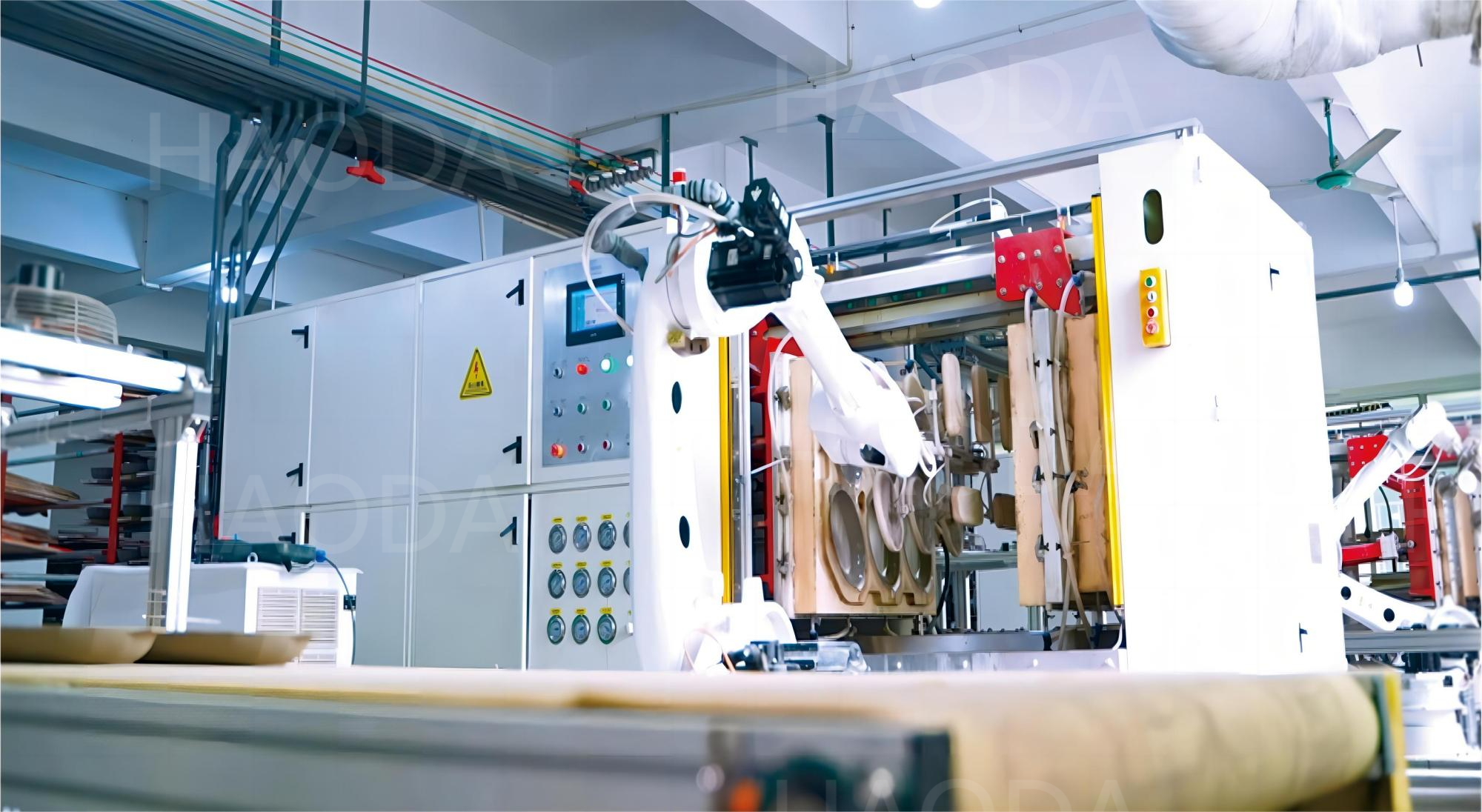
The tableware forming to glazing line connects all critical production stages — from forming to coating — under centralized automation control.
| Section | Main Equipment | Function | Automation Features |
|---|---|---|---|
| 1. Forming Section | Automatic Jiggering / Roller Forming Units | Shape plates and bowls | Servo-controlled precision |
| 2. Pre-Drying Conveyor | Controlled-Air Tunnel | Stabilize moisture levels | Humidity sensors |
| 3. Transfer System | Robotic Arm / Belt Conveyor | Move ware without deformation | PLC-synchronized motion |
| 4. Glazing Section | Spray Booths / Dip Glazing Units | Apply consistent glaze layer | Automatic viscosity regulation |
| 5. Drying Chamber | Energy-Reuse Tunnel | Cure coated ware for firing | Waste-heat recovery integration |
Each stage operates in harmony, creating a smooth, fully automated cycle ideal for large-scale dinnerware production.
Key Technical Performance Indicators
| Parameter | Standard Value | Impact |
|---|---|---|
| Forming Accuracy | ±0.3 mm | Ensures precise stacking |
| Glaze Uniformity | ±5 µm | Achieves high-gloss consistency |
| Output Rate | 18,000 pcs/day | Supports industrial-scale runs |
| Energy Savings | 25–30% | Heat and airflow optimization |
| Yield Rate | ≥96% | Stable defect-free production |
The line maintains synchronized temperature and humidity control, ensuring consistent surface finish and dimensional accuracy across every batch.
Intelligent Process Control
The tableware forming to glazing line is powered by PLC + SCADA for centralized control of forming, drying, and glazing.
Automation Highlights:
-
Adaptive Moisture Management: Sensors dynamically adjust drying speed.
-
Closed-Loop Spray Control: Monitors glaze viscosity and pressure in real time.
-
AI-Based Alignment: Ensures perfect centering before glazing.
-
Recipe Programming: Allows instant format change between plate, bowl, and cup types.
Integration with MES (Manufacturing Execution System) ensures traceability, predictive maintenance, and real-time production tracking — aligning with smart factory standards promoted by Manufacturing Automation Journal.
Conventional vs. Automated System Comparison
| Metric | Traditional Workflow | Tableware Forming to Glazing Line | Improvement |
|---|---|---|---|
| Handling Process | Manual, batch-based | Continuous robotic transfer | +40% throughput |
| Glaze Quality | Operator-dependent | Sensor-controlled consistency | +35% accuracy |
| Labor Usage | 8–10 workers | 2–3 operators | -70% cost |
| Energy Utilization | Separate systems | Shared drying + heat recovery | -25% power use |
| Downtime | Frequent adjustments | Predictive maintenance alerts | -60% failures |
Sustainability and Environmental Efficiency
Modern lines integrate heat recovery from kilns and dryers, cutting energy costs by nearly 30%, while closed-loop glaze systems recycle material and minimize waste.
All equipment is compliant with ISO 14001 and noise-reduction standards (<75 dB).
This sustainable engineering ensures consistent quality with reduced carbon footprint — crucial for global export manufacturers.
Global Application and Factory Examples
Haoda Machine’s tableware forming to glazing line has been deployed across Asia, Europe, and the Middle East, customized for diverse materials and production capacities.
-
Asia-Pacific: Large-scale producers in China and Vietnam use high-speed jiggering and robotic glazing systems for export-grade porcelain.
-
Europe: Compact modular lines serve boutique ceramic studios focused on design flexibility and minimal energy consumption.
-
Middle East: Turnkey hotelware plants utilize automated glaze filtration systems to maintain premium finish standards.
-
South America & Africa: Emerging factories adopt containerized forming–glazing modules for fast installation and local material adaptation.
These global installations validate the system’s scalability, adaptability, and long-term cost efficiency for investors.
ROI and Operational Outcomes
| Indicator | Conventional System | Forming–Glazing Line |
|---|---|---|
| Setup Duration | 20 months | 12 months |
| Labor Cost | 100% baseline | -65% |
| Energy Expense | — | -25% |
| Average ROI | — | 18 months |
Factories report an average 95% uptime and over 97% yield consistency, demonstrating the technical maturity of this system design.
End-to-End Support by Haoda Machine
Haoda Machine specializes in delivering full turnkey solutions from forming to glazing, integrating mechanical design, process engineering, and automation technology.
Key Advantages Include:
-
Comprehensive Integration – one system linking forming, drying, glazing, and transfer.
-
Proven Global Projects – installations in 30+ countries with multilingual support.
-
Sustainable Operation – optimized heat recovery, water recycling, and noise reduction.
-
Strong Engineering Team – 15+ years of experience in ceramic automation.
-
Reliable After-Sales Network – 98% equipment uptime and continuous spare parts supply.
By integrating precision forming with intelligent glazing, Haoda Machine enables manufacturers to achieve consistent quality, reduced cost, and sustainable scalability.
For consultation or project inquiries, visit Haoda Machine or contact our experts.