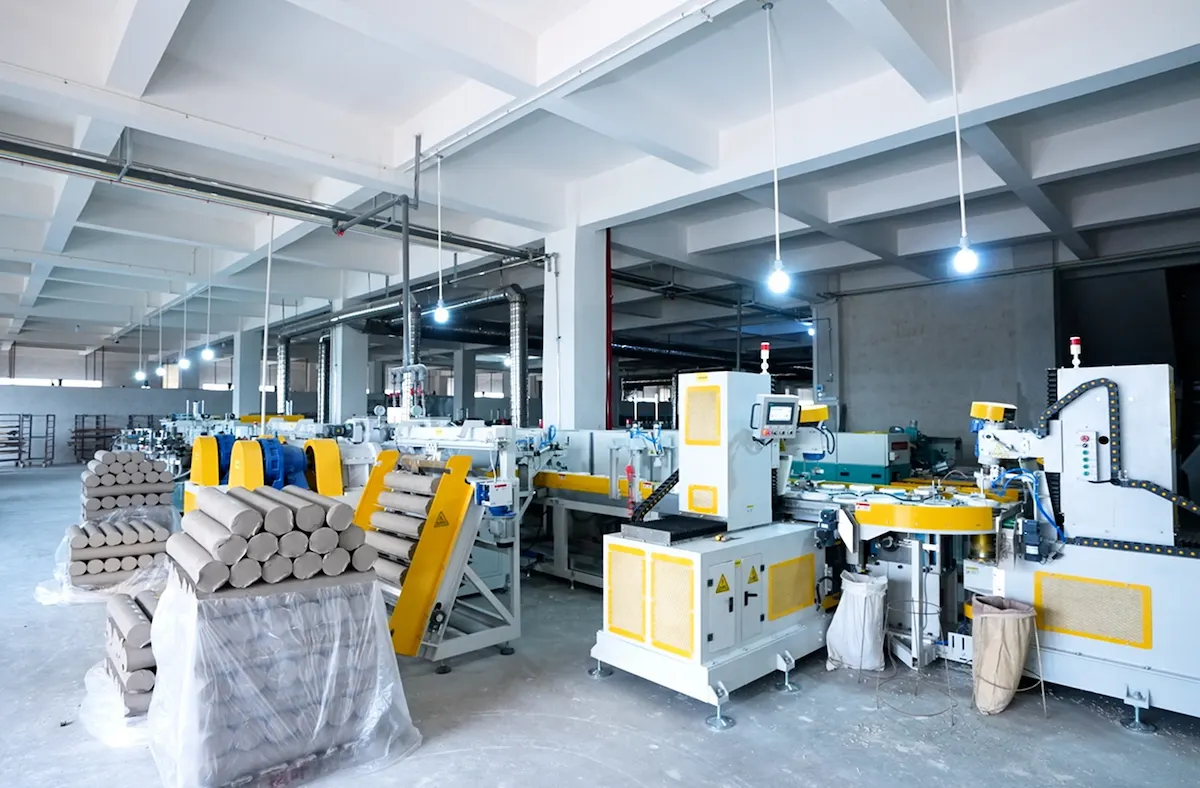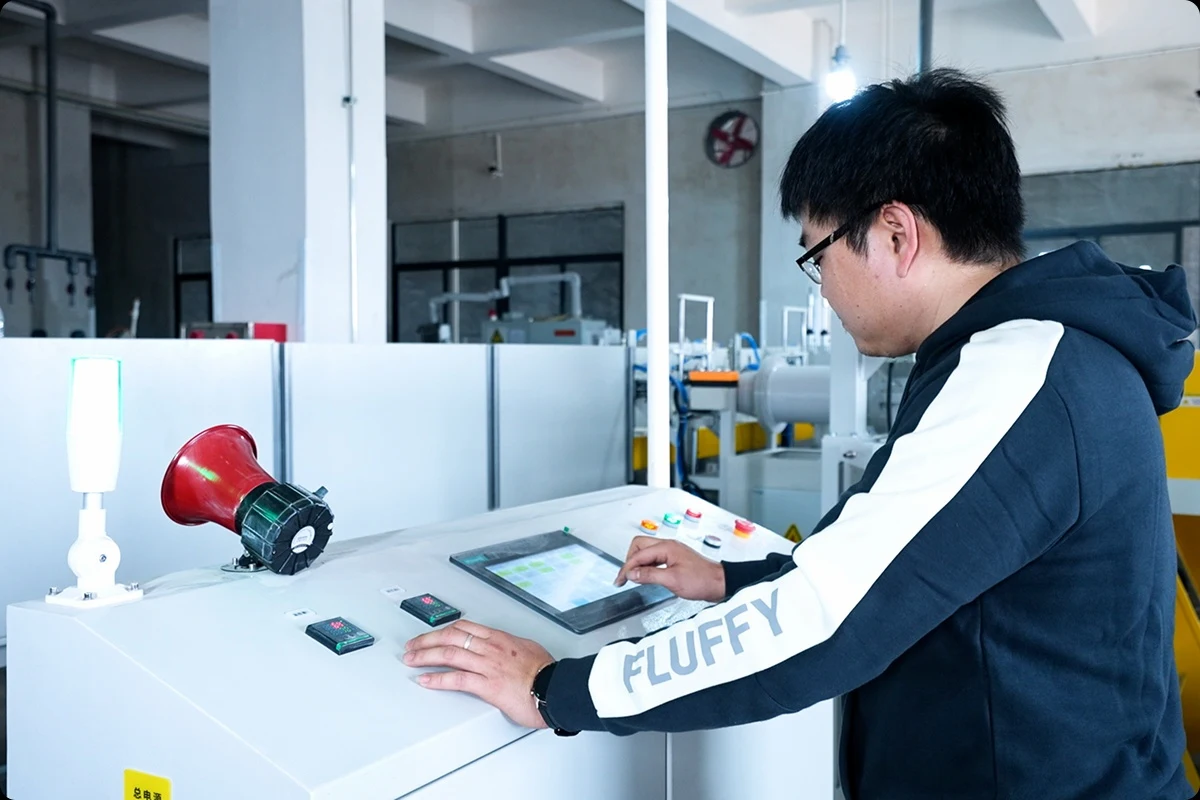

Today, many factories in the ceramic tableware industry face similar challenges: unstable output, rising labor costs, and inconsistent product quality. Traditional production models heavily rely on manual coordination of processes such as molding, glazing, drying, and printing, making it difficult to maintain efficiency in large-scale production. Therefore, intelligent ceramic production planning is particularly important, as it can help manufacturers transform towards structured, automated, and predictable production systems.
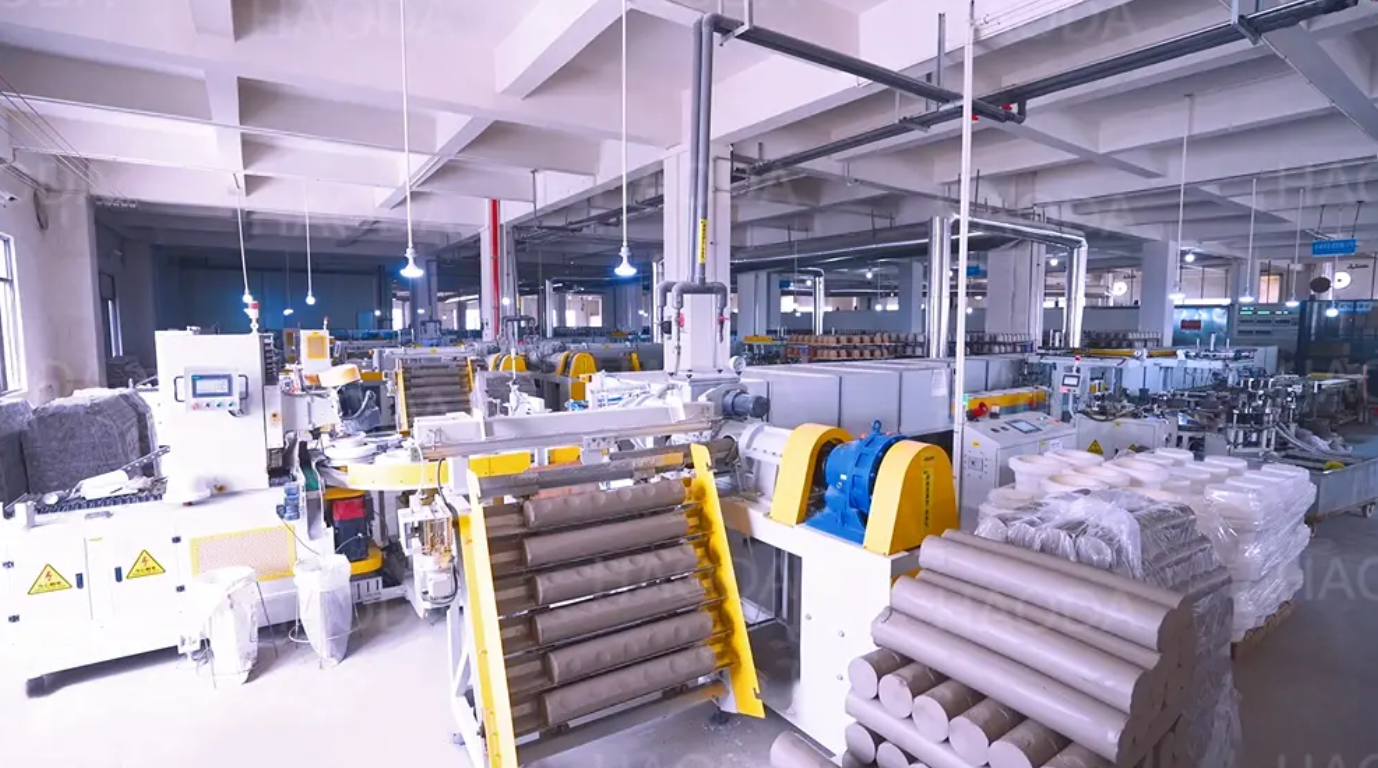
Why is it difficult to scale up traditional ceramic production?
Before exploring solutions, it's essential to understand why many ceramic factories face operational bottlenecks. In most cases, the problem lies not in a single machine, but in how the entire production process is organized.
Frequently asked questions include:
- Production process interruption
- High dependence on skilled workers
- Inconsistent quality between different batches
- Inefficient material handling and transfer
For example, in a typical tableware factory, manual transfers between the forming and drying processes during plate and bowl production slow down the entire production line. Over time, these small efficiency losses accumulate, leading to inconsistent output and increased defect rates. This is precisely why smart ceramic production planning focuses on system-level optimization rather than isolated improvements.
The true significance of smart manufacturing planning in ceramics manufacturing
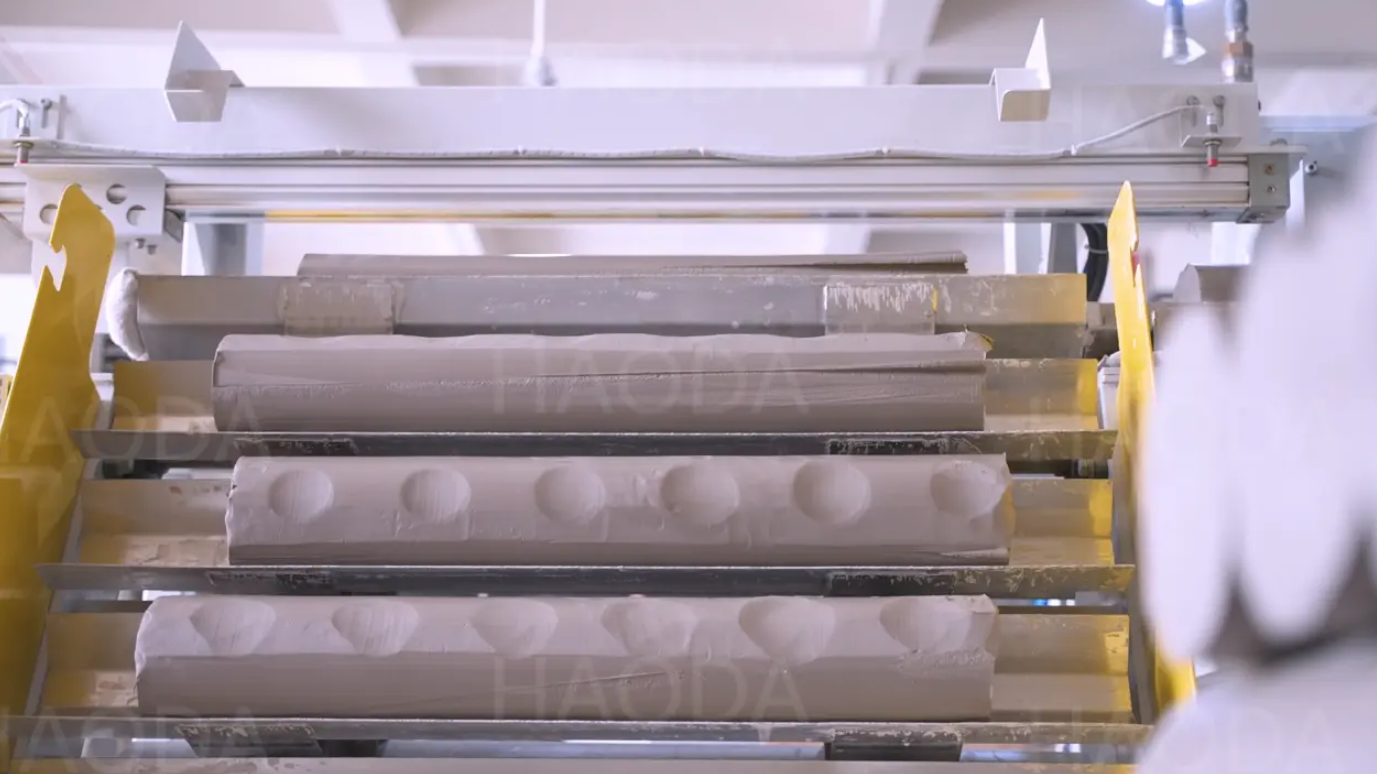
Many manufacturers believe that "smart manufacturing" simply means automation. But in reality, it involves a broader concept—how machines, processes, and workflows are connected.
A well-structured production plan should include:
- Process flow from clay preparation to final output
- Match equipment according to product type
- Maintain a balanced production pace at each stage
- Integrated molding, drying, glazing and printing
The intelligent ceramic production plan does not process each process independently, but rather ensures that each stage operates in a coordinated manner, thereby reducing idle time and improving overall efficiency.
Manual planning vs. intelligent planning: Where does the real difference lie?
The biggest difference between traditional production and intelligent planning lies not in speed, but in stability.
In the traditional system:
- The output depends on the operator's experience.
- Production varies depending on the shift.
- Bottlenecks may occur between processes.
In intelligent manufacturing systems:
- Each process is synchronized.
- Output becomes predictable
- The quality of each batch remains consistent.
This shift enables factories to move from passive management to a controlled and planned production environment .
How Smart Ceramic Production Planning Improves Factory Performance
If implemented properly, smart ceramic production plans can bring many practical benefits and directly impact daily operations.
Higher efficiency
By integrating molding, drying, glazing, and printing processes into a continuous workflow, production no longer needs to stop between individual processes, thus significantly increasing capacity.
Better product consistency
Standardized process control reduces variations caused by manual operation, ensuring consistency in thickness, shape, and surface quality.
Reduce labor dependence
Automation replaces repetitive manual operations, enabling factories to reduce the number of workers while maintaining stable output.
Improved process stability
With the help of PLC control systems and synchronized workflows, production becomes predictable and easier to manage.
Real-world production scenarios: From fragmented workflows to integrated systems
Imagine a ceramic tableware factory that produces plates and bowls for export. Initially, the factory relies on manual coordination of processes such as shaping, drying, and glazing.
Frequently asked questions include:
- Delay between processes
- Unstable drying effect
- Product size changes
After implementing an automated, structured production plan:
- The production process becomes continuous
- Labor demand has declined significantly.
- Consistency of products across batches has been improved
- Output becomes stable and predictable
This transformation is not driven by a single machine, but rather achieved through the application of smart ceramic production planning throughout the entire workflow .
In what areas can smart manufacturing planning create the greatest value?

This method is particularly advantageous for the following types of factories:
Mass production demand
The production of everyday tableware (such as plates, bowls, and cups) requires stable and repeatable processes.
Export-oriented manufacturing
Stability is of paramount importance when supplying goods to the international market.
Standardized product lines
Products with similar shapes and sizes benefit most from automation and planning.
Automated upgrade project
Factories that transition from manual to automated production can immediately increase production efficiency.
How to begin planning an intelligent ceramic production system
For manufacturers considering upgrades, the first step is not to buy equipment, but to understand production needs.
Practical methods include:
- Determine product type and production capacity
- Assess the current bottlenecks
- Planning workflow integration
- Choose the appropriate equipment combination
For example, combinations:
- Vibrating forming line
- Automated glass system
- pad printing machine
- Drying system
It is able to establish a complete and balanced production system.
Frequently Asked Questions about Smart Ceramic Production Planning
Q: Is smart manufacturing planning suitable for small factories?
A: Yes. Planning can be implemented in stages, starting with key processes and gradually expanding over time.
Q: Does automation require building a new factory?
A: Not necessarily. Many existing factories can be upgraded gradually by integrating automation systems.
Q: How long will it take to see results?
A: In most cases, improvements in efficiency and stability can be observed shortly after implementation.
Building a more stable and scalable ceramic production system
As market demand grows and competition intensifies, the risks of relying on manual processes are increasing. Factories that adopt structured and automated production planning have significant advantages in terms of efficiency, consistency, and cost control.
About Haoda Machinery and Our Production Planning Methods
Haoda Machinery specializes in providing intelligent ceramic production planning solutions for ceramic tableware factories, helping manufacturers transform from traditional workflows to automated, stable production systems. By integrating molding, glazing, printing, and drying processes, we offer customized, practical solutions tailored to specific factory conditions.
👉 https://www.haoda-machine.com/zh-Hans/products
How We Support Your Factory Upgrade
Our approach focuses on addressing real-world production challenges such as labor dependence, inconsistent output, and varying quality. Through structured planning and automation integration, we help factories achieve low-labor or unmanned production , increased efficiency, and long-term operational stability.
👉 https://www.haoda-machine.com/zh-Hans/about-us