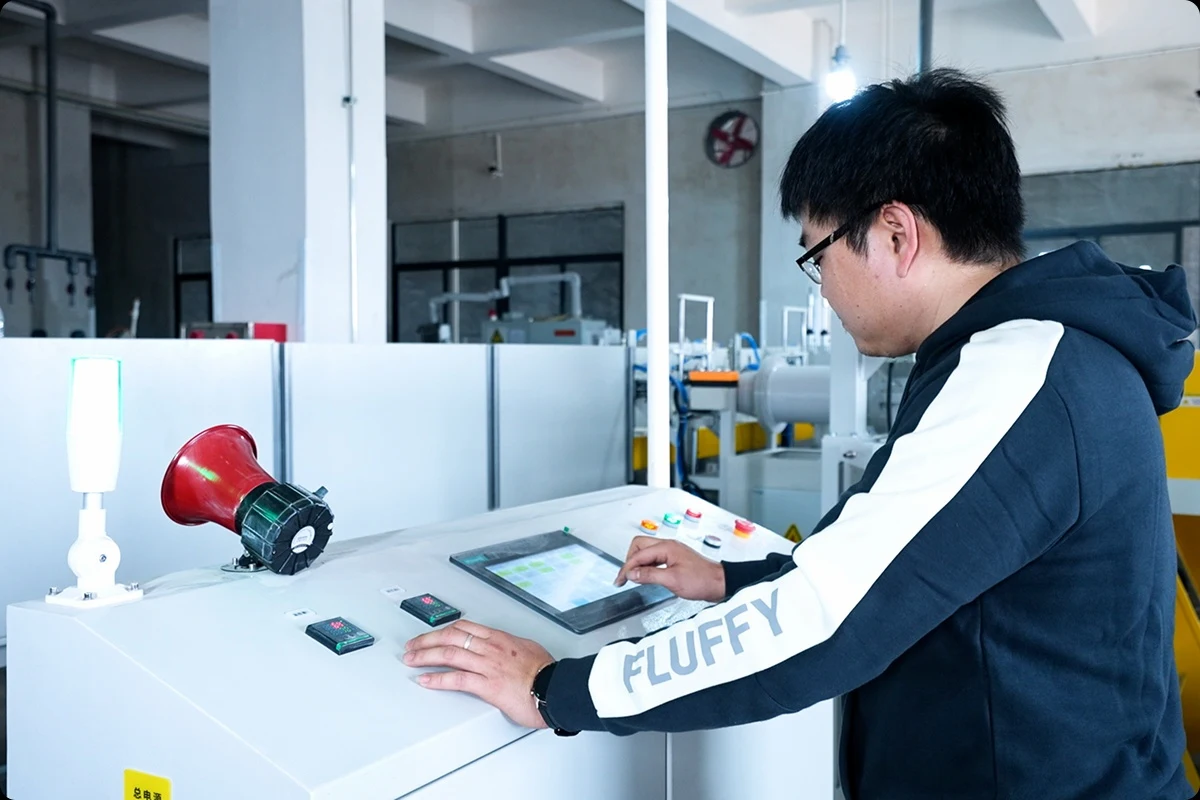

Many buyers search for a ceramic machinery price list when they plan to build a new ceramic tableware factory, upgrade an old production line, or compare equipment suppliers before placing an order.
However, ceramic machinery is not like buying a standard product from a shelf. The final price depends on what products the factory wants to produce, how much capacity is required, which machines are needed, and how the workshop will be arranged.
For example, a factory producing standard dinner plates may need a different machine configuration from a factory producing deep bowls, hotel tableware, color glaze products, or OEM branded dinnerware sets.
HAODA Machinery supports ceramic tableware manufacturers with forming, casting, glazing, printing, and production line planning. Before preparing a suitable price list, HAODA usually needs to understand the buyer’s product range, target capacity, glaze process, and factory layout.
Why a Ceramic Machinery Price List Is Not One Fixed Number
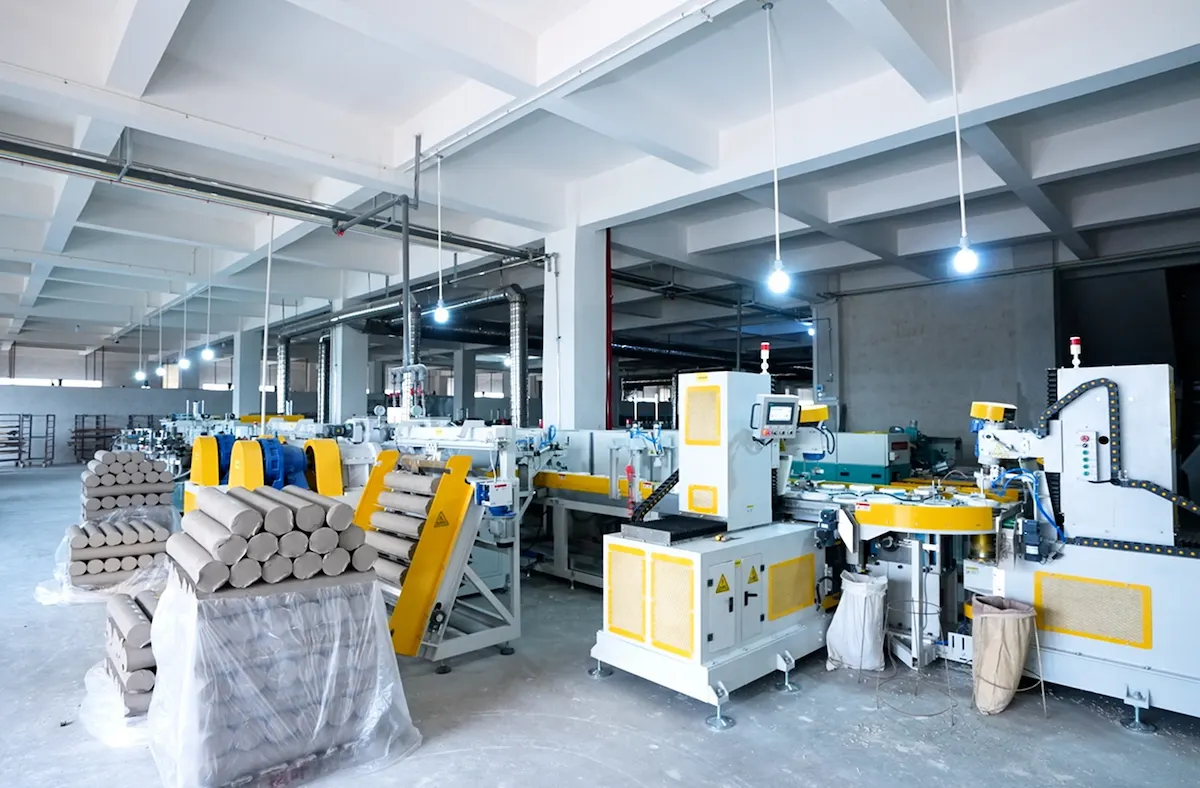
A ceramic machinery price list usually depends on machine type and project configuration. Buyers may ask for the price of one machine, but in many real projects, the factory needs a complete production process.
A tableware production project may include:
- Ceramic jiggering line
- High-pressure casting machine
- Dip glazing machine
- Spray glazing machine
- Pad printing machine
- Conveying and handling equipment
- Factory layout discussion
- Installation and training support
If a buyer only asks for the lowest machine price, the result may not match the real factory requirement. A better way is to ask for a price list based on product type and production plan.
This helps the supplier recommend machines that are suitable for the factory, not just machines that look cheaper at the beginning.
Product Type Comes First
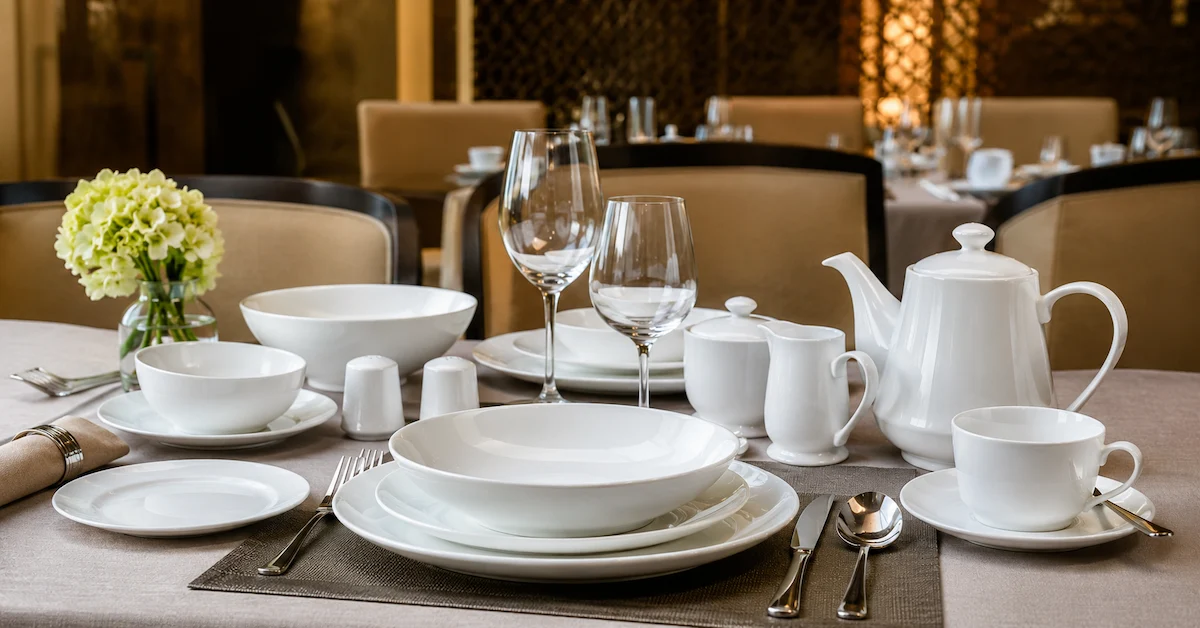
Before asking for a ceramic machinery price list, buyers should first confirm what they want to produce.
Common ceramic tableware products include:
- Dinner plates
- Salad plates
- Soup plates
- Saucers
- Flat dishes
- Shallow bowls
- Deep bowls
- Rice bowls
- Cups
- Mugs
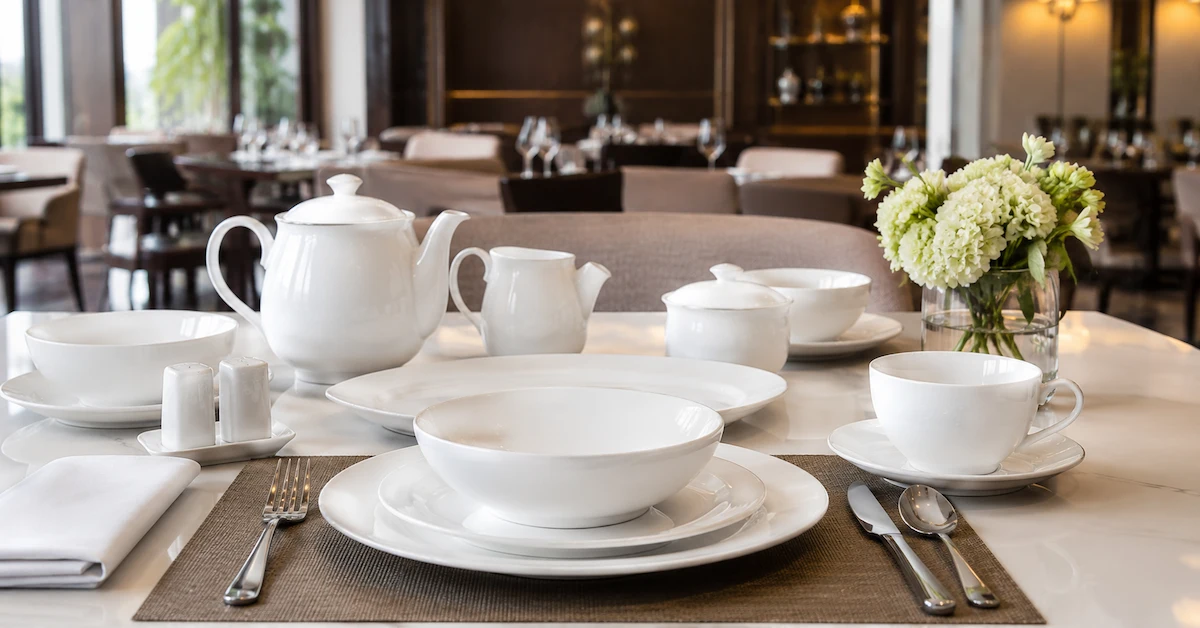
- Hotel tableware
- Restaurant tableware
- Dinnerware sets
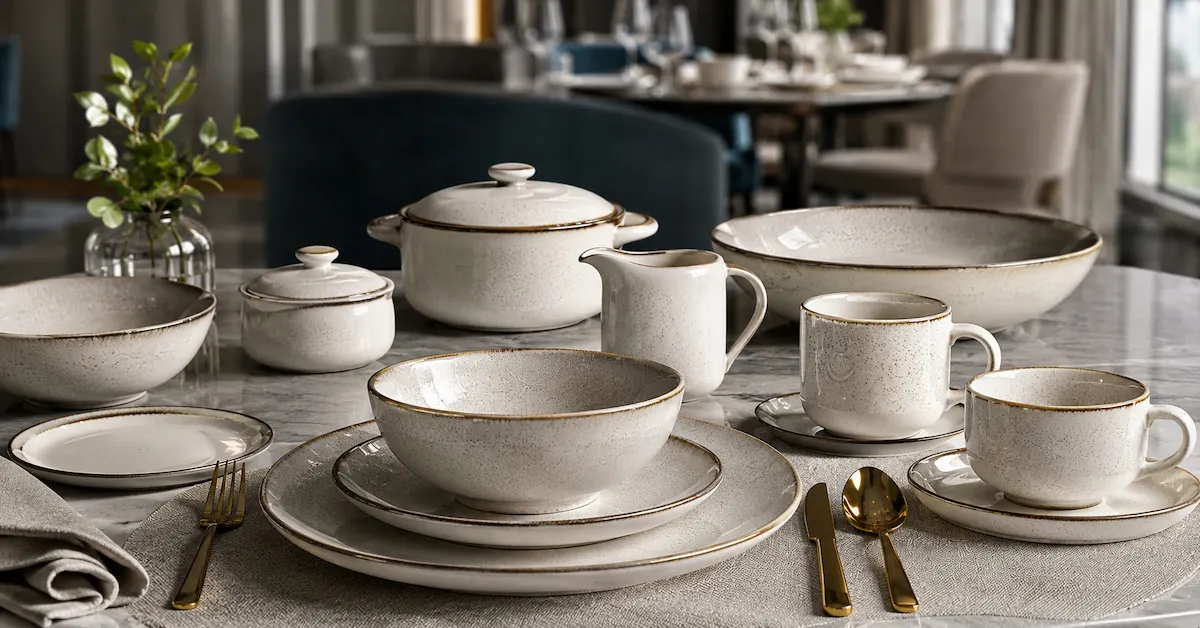
- Porcelain tableware
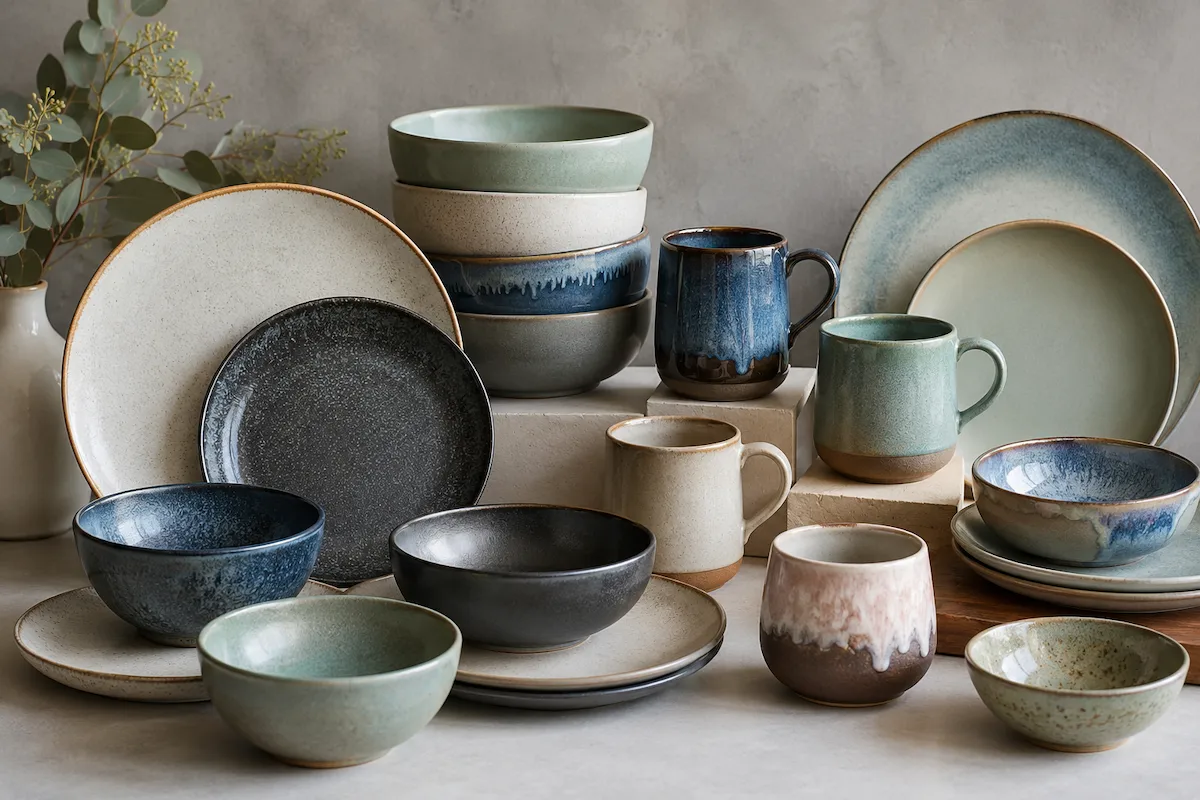
- Stoneware tableware
- OEM ceramic products
Different products need different machines.
Standard plates and shallow bowls are often suitable for a ceramic jiggering line. Deep bowls, irregular shapes, and thin-wall porcelain products may need high-pressure casting equipment. If the factory wants to produce logo-printed cups, branded plates, or customized restaurant tableware, pad printing equipment may be needed.
A clear product list makes the quotation more accurate.
Forming Machinery Price Depends on Product Size and Capacity
Forming equipment is usually one of the main parts of a ceramic tableware production line.
A ceramic jiggering line is suitable for:
- Dinner plates
- Salad plates
- Soup plates
- Flat dishes
- Saucers
- Shallow bowls
- Some mug bodies
The price of forming machinery depends on several practical factors:
- Product diameter and shape
- Mold requirements
- Production speed
- Automation level
- Workshop layout
- Single-machine or line configuration
For small factories, the buyer may only need basic forming equipment at the beginning. For medium and large factories, an automatic line may be more suitable for stable production.
Buyers can view HAODA’s ceramic machinery categories on the products page.
High-Pressure Casting Machine Price Depends on Product Complexity
High-pressure casting equipment is usually considered when the factory wants to produce more complex or premium ceramic products.
It is suitable for:
- Deep bowls
- Rice bowls
- Soup bowls
- Irregular ceramic products
- Thin-wall porcelain products
- Premium hotel tableware
- Airline tableware
- High-end restaurant tableware
This type of machine may increase the project investment, but it can also help the factory expand product categories.
For example, if a factory only produces standard plates, its product range may be limited. With high-pressure casting capability, the factory can serve buyers looking for deep bowls, special shapes, or higher-end tableware products.
Before asking for this machine price, buyers should prepare product drawings, product photos, product size, and expected capacity.
Glazing Machine Price Depends on Surface Style
Glazing equipment should be selected according to glaze type and product style.
Dip Glazing Machine
Dip glazing is usually suitable for:
- White glaze
- Transparent glaze
- Basic functional glaze
- Standard plates
- Bowls
- Cups
- Mugs
- Daily tableware
It is practical for factories producing large-volume standardized products.
Spray Glazing Machine
Spray glazing is more suitable for:
- Color glaze
- Matte glaze
- Reactive glaze
- Gradient glaze
- Decorative glaze
- Complex ceramic shapes
- High-end tableware
If the factory mainly produces simple white tableware, the glazing configuration may be different from a factory producing decorative glaze or premium ceramic products.
This is why glazing machine price should be discussed together with product style, not only machine model.
Pad Printing Machine Price Depends on Customization Needs
Many tableware factories want to serve OEM buyers, hotel chains, restaurant brands, supermarkets, or export customers. These orders often require logo printing, border decoration, or multi-color patterns.
A pad printing machine can support:
- Plate printing
- Bowl printing
- Cup printing
- Mug printing
- Saucer printing
- Logo printing
- Border decoration
- Multi-color patterns
- Brand decoration
If the factory only produces plain products, printing equipment may not be needed at the beginning. But if the factory wants to serve OEM and brand tableware orders, pad printing should be included in the price list discussion.
What a Practical Ceramic Machinery Price List Should Include
A useful price list should not only show machine names. It should help buyers understand which machines match their project.
A practical quotation discussion should include:
- Machine category
- Suitable product types
- Recommended application
- Basic configuration
- Optional functions
- Required workshop conditions
- Installation and training support
- Delivery and project communication details
For example, when asking for a jiggering line price, the buyer should also explain whether the factory produces plates, shallow bowls, saucers, or mixed products. When asking for glazing equipment, the buyer should explain whether the product uses white glaze, transparent glaze, color glaze, or decorative glaze.
This makes the price list more useful for decision-making.
Factory Layout Can Affect the Final Quotation
Factory layout also affects machine selection and project cost.
A ceramic tableware factory may need space for:
- Raw material preparation
- Forming area
- Drying area
- Casting area
- Glazing area
- Printing area
- Inspection area
- Packing area
- Finished product storage
- Maintenance space
If the layout is unclear, the supplier may not be able to recommend a suitable line arrangement. In some cases, buyers may also need conveyors, extra handling support, or customized machine placement.
For production line planning, buyers can also review HAODA’s solutions page.
What Buyers Should Send Before Requesting a Price List
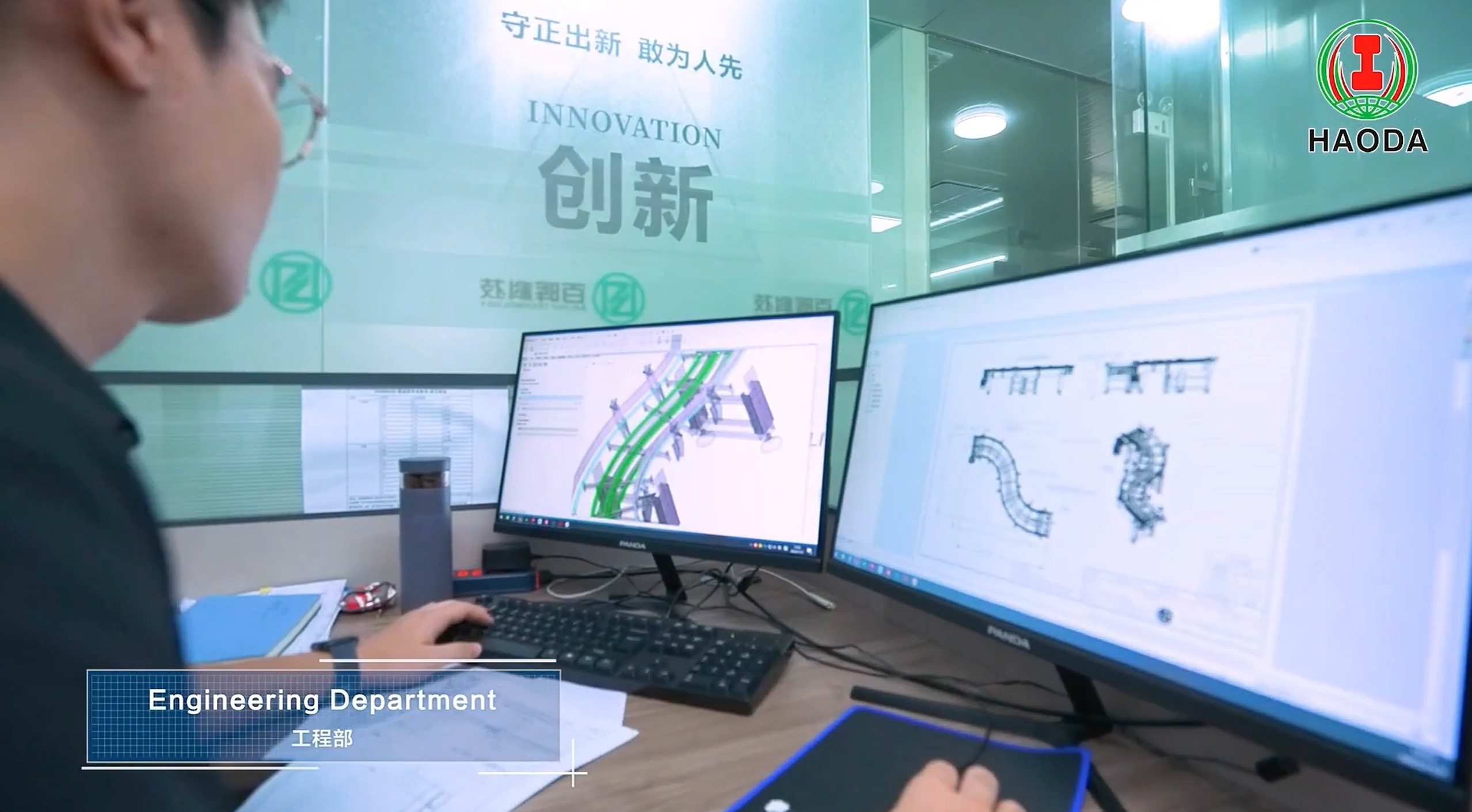
To get a more accurate ceramic machinery price list, buyers should prepare clear project information.
Send HAODA:
- Product photos
- Product drawings
- Product size
- Product material, such as porcelain, stoneware, or bone china
- Main product type, such as plate, bowl, cup, or mug
- Glaze type, such as white glaze, transparent glaze, color glaze, or matte glaze
- Required daily or monthly capacity
- Factory layout drawing
- Workshop size
- Installation country or region
- Target market, such as hotel, restaurant, export, retail, or OEM
With this information, HAODA can help recommend suitable machines and prepare a more practical price list.
Why Request a Price List from HAODA?
HAODA focuses on ceramic tableware machinery and production line support. Instead of only sending a general machine list, HAODA can help buyers review product requirements, factory layout, target capacity, and machine configuration.
HAODA can support:
- Ceramic jiggering line recommendation
- High-pressure casting machine selection
- Dip glazing and spray glazing equipment matching
- Pad printing machine recommendation
- Factory layout discussion
- Production line planning
- Installation preparation
- Operator training communication
You can learn more about HAODA’s company background on the about us page.
FAQ
1. Can I get a fixed ceramic machinery price list?
A general price list can be provided, but the final quotation depends on product type, capacity, machine configuration, and factory layout.
2. What information affects the price most?
Product size, product shape, required capacity, automation level, glazing process, printing needs, and workshop layout all affect the final price.
3. Which machine should I ask about first?
If you produce plates, shallow bowls, saucers, or flat dishes, start with ceramic jiggering equipment. If you produce deep bowls or irregular shapes, high-pressure casting may be needed.
4. Does glazing equipment change the price?
Yes. Dip glazing and spray glazing are used for different product styles, so the configuration and price can be different.
5. How can I get a more accurate quotation from HAODA?
Send product photos, drawings, product size, capacity target, glaze type, factory layout, and installation country. HAODA can review your project and suggest a suitable machine configuration.
Conclusion
A ceramic machinery price list should be based on real production needs, not only a machine name. The price depends on product type, machine configuration, automation level, glazing process, printing needs, layout, and installation preparation.
For standard plates and shallow bowls, ceramic jiggering equipment may be the main choice. For deep bowls and irregular products, high-pressure casting equipment may be needed. For white or transparent glaze products, dip glazing can be practical. For decorative products, spray glazing may be better. For OEM orders, pad printing equipment can support logos and brand designs.
If you want a suitable ceramic machinery price list, send HAODA your product photos, drawings, product size, capacity target, glaze type, factory layout, and installation country.
Contact HAODA to request a ceramic machinery price list and get machine selection support for your tableware factory.