
Choosing a reliable ceramic machine supplier is an important decision for any tableware manufacturer planning a new factory, expanding product capacity, or upgrading an existing production process.
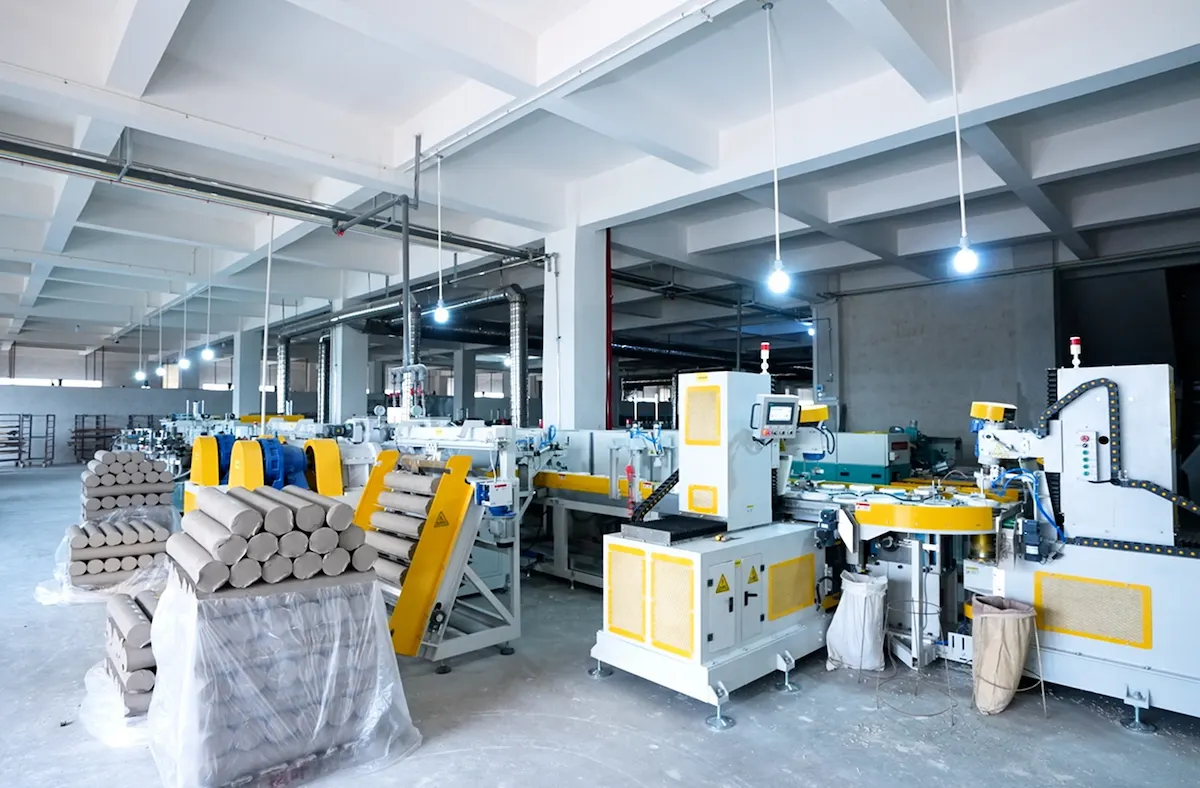
Ceramic machinery is not purchased only by comparing machine photos or initial quotations. The supplier should understand what the factory produces, which forming method is suitable, how glazing and decoration will be arranged, and whether the machines can work together within the available workshop.
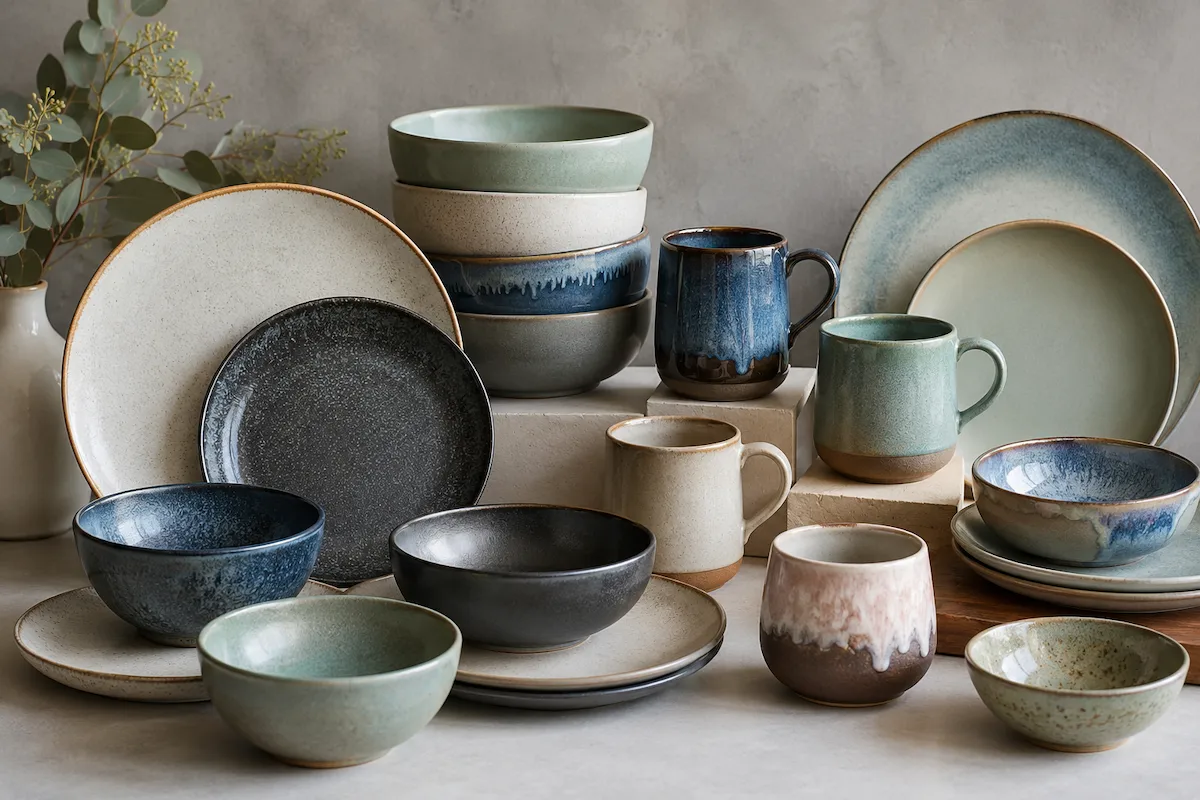
A supplier may offer an attractive machine price, but the equipment still needs to match the buyer’s plates, bowls, cups, mugs, glaze types, capacity target, and future product plans.
HAODA Machinery supports ceramic tableware manufacturers with forming, casting, glazing, printing, factory layout discussion, and production line planning.
A Reliable Supplier Starts by Understanding Your Products
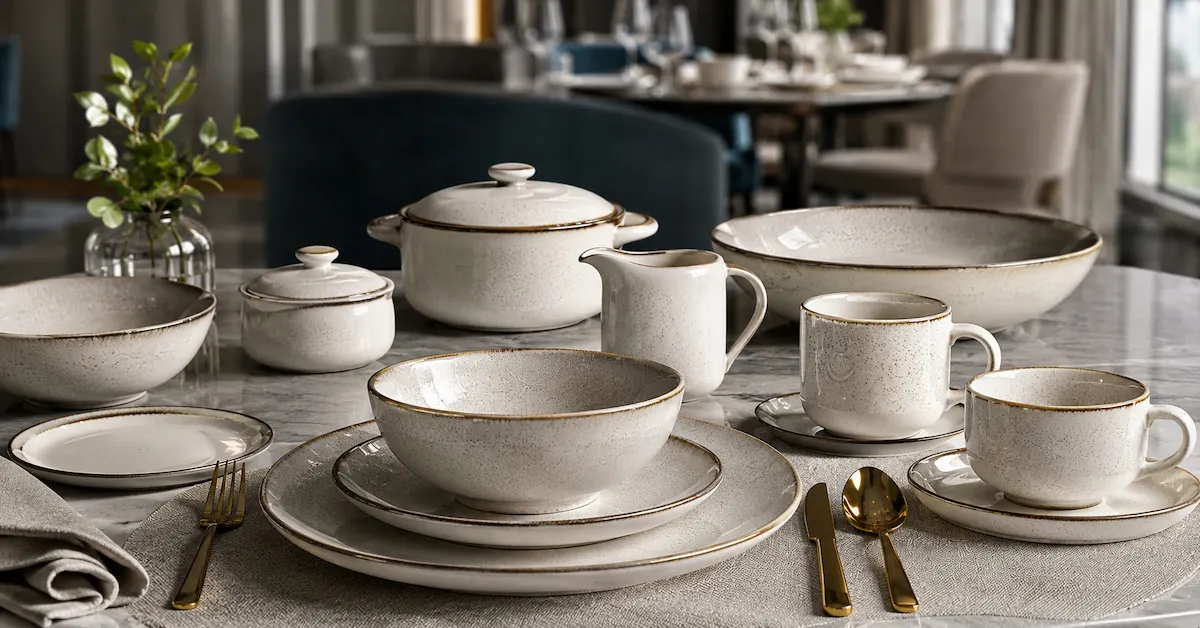
A professional supplier should not recommend machinery before understanding what the buyer wants to produce.
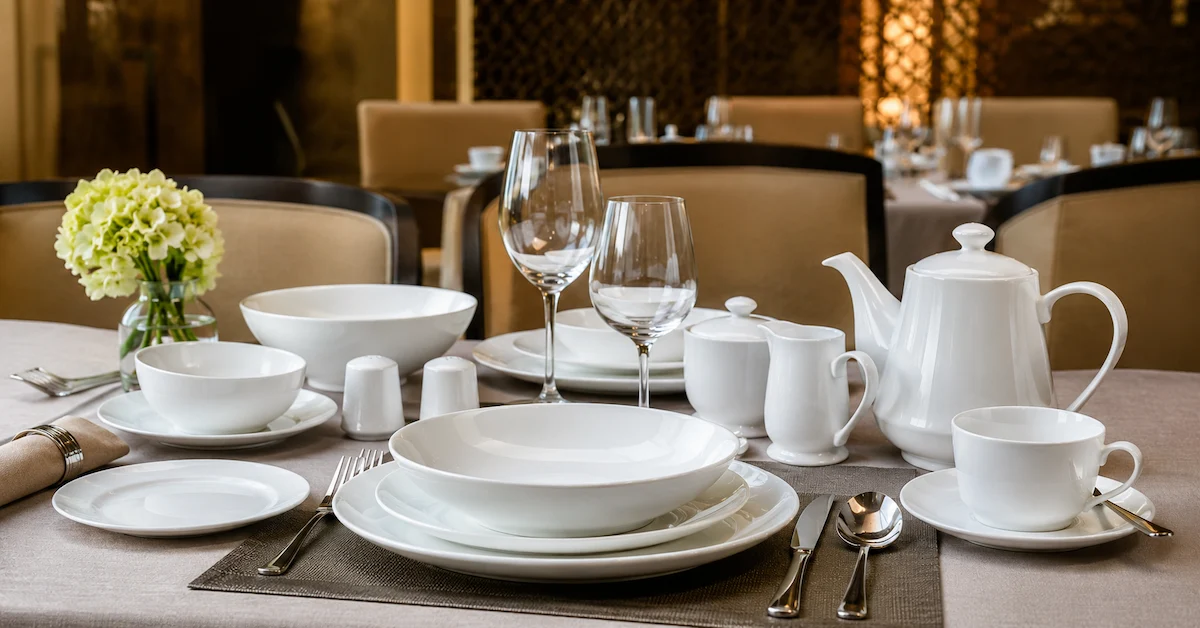
Typical ceramic tableware products include:
- Dinner plates
- Salad plates
- Soup plates
- Saucers
- Flat dishes
- Shallow bowls
- Deep bowls
- Rice bowls
- Cups
- Mugs
- Hotel tableware
- Restaurant tableware
- Porcelain dinnerware
- Stoneware tableware
- OEM ceramic products
Different products require different manufacturing methods.
Standard plates and shallow bowls are commonly produced with ceramic jiggering equipment. Deep bowls, irregular shapes, and thin-wall porcelain products may require high-pressure casting. Color-glazed or decorative products may need spray glazing, while logo and pattern customization may require pad printing.
A reliable supplier should ask for product drawings, dimensions, material, glaze type, and target capacity before recommending equipment.
Look for Product-Based Machine Selection
A trustworthy machinery supplier should explain why a certain machine is suitable for the buyer’s product.
Forming Equipment for Plates and Shallow Bowls
Ceramic jiggering lines are commonly used for:
- Dinner plates
- Salad plates
- Soup plates
- Flat dishes
- Saucers
- Shallow bowls
- Some mug bodies
They are suitable for daily tableware manufacturers, export ceramic factories, hotel tableware suppliers, and factories requiring stable batch production.
The supplier should confirm product diameter, depth, mold design, and desired capacity before recommending a machine configuration.
High-Pressure Casting for Complex Products
High-pressure casting equipment is more suitable for:
- Deep bowls
- Rice bowls
- Soup bowls
- Irregular ceramic products
- Thin-wall porcelain
- Premium hotel tableware
- Airline tableware
- Complex product shapes
A reliable supplier should review product drawings rather than assume that one casting solution is suitable for every product.
Glazing Equipment Based on Surface Requirements
Dip glazing is generally suitable for standardized white or transparent glaze tableware.
Spray glazing is more suitable for:
- Color glaze
- Matte glaze
- Reactive glaze
- Gradient glaze
- Decorative surfaces
- Complex product shapes
- Premium tableware
A professional supplier should help the buyer compare the two processes according to the actual products instead of automatically recommending the more complex system.
Printing Equipment for OEM Orders
Pad printing machines can support:
- Logo printing
- Plate decoration
- Bowl printing
- Mug branding
- Border patterns
- Multi-color decoration
- OEM tableware designs
Factories serving hotel chains, restaurant brands, supermarkets, or private-label customers may need printing capability as part of the production plan.
You can review HAODA’s ceramic machinery categories on the products page.
Engineering Support Is More Important Than a Machine Catalogue
A catalogue shows available machines, but it does not tell the buyer how those machines should be arranged in a factory.
A reliable ceramic machine supplier should help discuss:
- Product flow
- Workshop dimensions
- Machine positions
- Operator access
- Maintenance space
- Forming and drying connection
- Glazing area arrangement
- Printing and inspection flow
- Packing and finished-product storage
This is especially important for new ceramic factories and overseas installation projects.
If equipment is selected without considering the full workshop, the buyer may later discover that the line is too long, maintenance access is limited, or one process cannot match the capacity of another.
HAODA provides production line and factory layout discussion through its ceramic machinery solutions.
Check Whether the Supplier Can Support Different Factory Sizes
The right equipment configuration depends on factory scale.
Small Ceramic Factories
Small factories may need a compact and practical configuration for limited product types or regional orders.
Their priorities often include:
- Manageable initial investment
- Easy operation
- Flexible production
- Space-saving layout
- Future expansion possibilities
A reliable supplier should not recommend an oversized line when a smaller configuration can meet the current production plan.
Medium Tableware Manufacturers
Medium factories often need a balance between capacity and product flexibility.
They may produce household tableware, hotel products, restaurant dinnerware, and OEM orders. The supplier should help match forming, glazing, and printing capacity so that one process does not become a production bottleneck.
Large Export Factories
Large ceramic factories may need integrated production planning, higher automation, multiple product models, and stable support for export orders.
For these projects, the supplier should consider the full process rather than sell each machine separately.
Reliable Suppliers Explain Essential and Optional Functions
Some machinery functions are essential for the buyer’s products, while others are optional upgrades.
A professional supplier should clearly explain:
- Which functions are required
- Which options improve flexibility
- Which options increase capacity
- Which features can be added later
- Which functions are unnecessary for the current project
This helps buyers control investment and avoid purchasing features they may not use.
For example, a factory producing one standard white-glaze product may not require the same glazing configuration as an OEM factory changing glaze colors and product shapes frequently.
A reliable ceramic machine supplier should recommend the most practical configuration, not simply the largest or most expensive one.
Installation Preparation Should Begin Before Delivery
Reliable service starts before the machines reach the factory.
The supplier should tell the buyer what needs to be prepared, including:
- Workshop floor conditions
- Power supply
- Water supply and drainage
- Compressed air
- Machine access routes
- Lifting equipment
- Installation space
- Operators and maintenance staff
- Product samples and molds
- Materials for trial production
Early preparation can reduce installation delays and make commissioning more efficient.
For overseas projects, clear communication about utilities, documentation, machine positioning, and production testing is especially important.
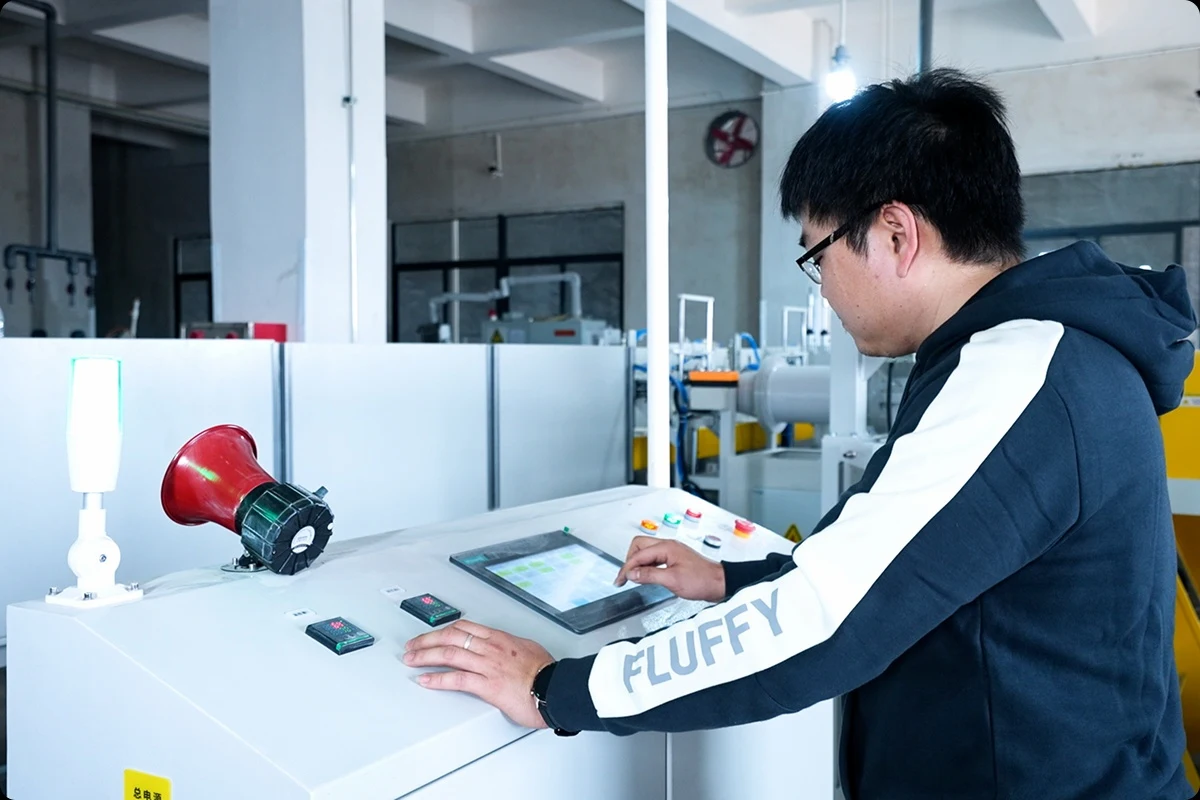
Operator Training and Technical Communication Matter
A machine is only valuable when the factory team can operate and maintain it correctly.
A reliable supplier should support communication on:
- Machine startup and shutdown
- Product changeover
- Mold adjustment
- Spray or glazing program adjustment
- Daily inspection
- Basic maintenance
- Common operating issues
- Trial production
- Product-result checking
Training should focus not only on machine controls but also on how operators evaluate the finished ceramic product.
For example, forming operators should know how to check shape and thickness. Glazing operators should understand surface coverage and glaze consistency. Printing operators should check image alignment and decoration quality.
Ask About Spare Parts and Long-Term Support
Ceramic machinery is intended for long-term factory use. Buyers should therefore consider what happens after installation.
Ask the supplier:
- Are common spare parts available?
- Can replacement parts be identified clearly?
- Is remote technical communication available?
- Are maintenance instructions provided?
- Can the supplier support future line expansion?
- Can additional products be evaluated later?
A reliable supplier should maintain communication after delivery rather than treat shipment as the end of the project.
Warning Signs When Comparing Suppliers
Buyers should be cautious when a supplier:
- Gives a final quotation without asking about products
- Recommends one machine for every application
- Cannot explain which products the machine can make
- Avoids discussing factory layout
- Provides unclear installation requirements
- Cannot explain optional and standard functions
- Focuses only on low price
- Provides limited product application information
- Has no clear technical communication process
- Cannot support future changes or expansion
A low quotation may become expensive if the machine cannot produce the required products or does not fit the factory process.
What Information Should You Send to a Supplier?
To receive a suitable recommendation, prepare:
- Product photos
- Product drawings
- Product diameter, height, and depth
- Product material
- Main product categories
- Required daily or monthly capacity
- Glaze types and colors
- Printing or decoration requirements
- Workshop dimensions
- Existing equipment, if upgrading
- Installation country
- Target buyers and markets
- Future product plans
Clear project information helps the supplier recommend the right equipment more quickly and accurately.
Why Consider HAODA as Your Ceramic Machinery Partner?
HAODA focuses on ceramic tableware machinery and production line solutions.
The company can support buyers with:
- Ceramic jiggering line selection
- High-pressure casting machine evaluation
- Dip glazing and spray glazing recommendations
- Pad printing machine selection
- Product-based equipment configuration
- Factory layout discussion
- Installation preparation
- Operator training communication
- Future line expansion planning
A reliable partnership should begin with your products and factory goals, not with a generic machine list.
Learn more about HAODA’s experience and manufacturing capabilities on the About Us page.
FAQ
What should I ask a ceramic machine supplier first?
Start by asking whether the supplier has experience with your product type. Send product drawings, dimensions, capacity requirements, and workshop information before discussing the final machine configuration.
How do I know whether a supplier is reliable?
A reliable supplier should understand ceramic products, explain machine applications, discuss layout and installation, identify essential and optional functions, and provide long-term technical communication.
Should I choose a supplier based on the lowest price?
Price is important, but the equipment must also match the product, capacity, and workshop. A low-priced machine may create additional costs if it cannot meet production requirements.
Can one supplier provide forming, glazing, and printing machines?
Some ceramic machinery suppliers can provide multiple production sections and help coordinate them as one line. This can make layout planning and technical communication easier.
Can HAODA recommend machinery from product drawings?
Yes. Buyers can send product drawings, photos, dimensions, material, glaze type, capacity, and workshop layout for equipment evaluation.
Does a reliable supplier help with factory layout?
A capable production line supplier should discuss machine positions, product flow, operator space, maintenance access, and connections between different processes.
Conclusion
Choosing a reliable ceramic machine supplier requires more than comparing machine prices and catalogues.
The supplier should understand the buyer’s ceramic products, recommend suitable forming and finishing processes, support factory layout planning, explain installation requirements, and provide long-term technical communication.
Before requesting a quotation, prepare your product drawings, dimensions, capacity target, glaze requirements, factory layout, and installation country.
Contact HAODA to discuss machine selection, factory layout, capacity planning, and a suitable ceramic tableware production solution.