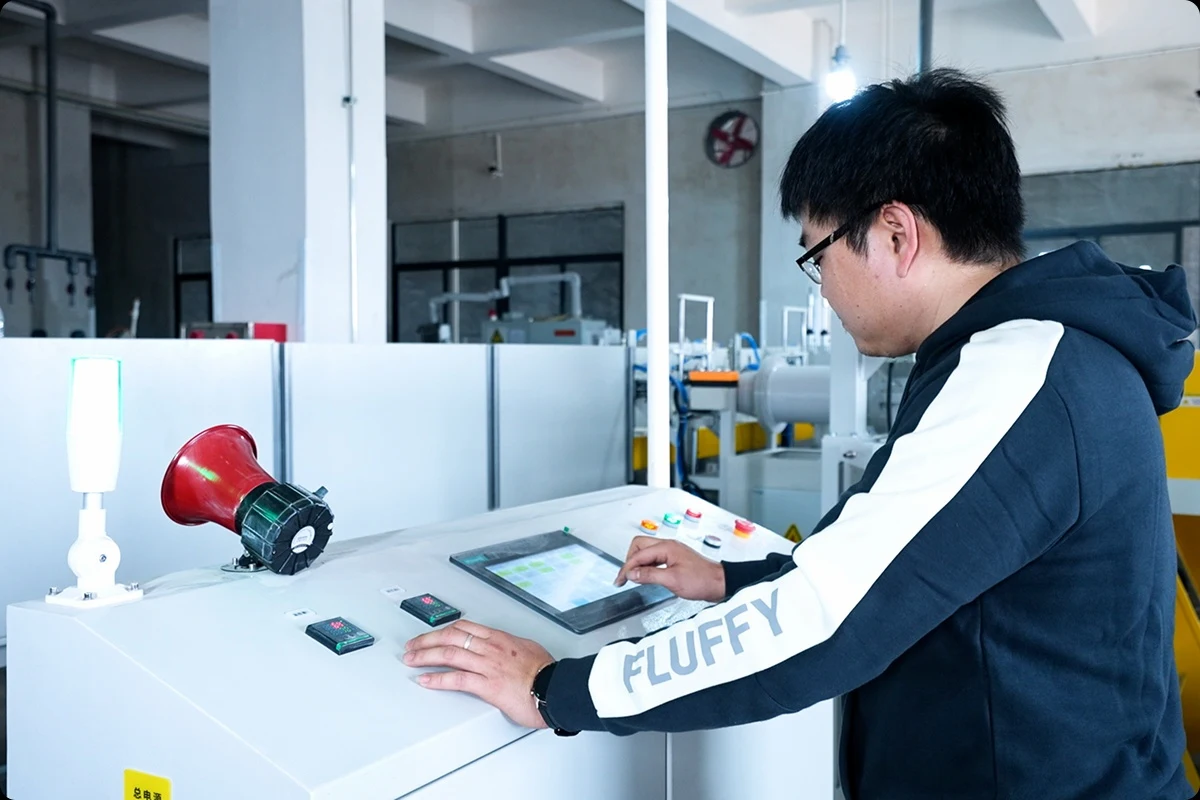

Starting a ceramic tableware business is exciting, but turning that vision into a working factory is where most people hit a wall. You might already know you need equipment—maybe a jiggering machine or a glazing line—but here's the question nobody talks about enough: How do all these machines work together as one system?
Most equipment suppliers sell you a machine and wish you luck. At HAODA Machinery, we take a different approach. We help you plan the entire production flow before you buy anything. That means fewer surprises, smoother operations, and a line that actually fits your products.
This guide walks you through what smart ceramic production planning looks like, what it includes, and how to figure out which solution matches your factory type. For a broader look at why smart planning matters, see our overview on building a stable and scalable tableware factory.
The Real Challenge: Why Buying Equipment Isn't Enough
If you've toured ceramic factories in China, India, or Southeast Asia, you've probably noticed something: the best-run shops don't just have good machines. They have machines that work together.
Here's what we hear from clients almost every week:
"We bought a forming line from one supplier and a glazing system from another. Now the drying times don't match, the conveyor speeds are off, and we're constantly juggling manual transfers between stations."
"Our defect rate jumped after we scaled up production. We can't figure out if it's the clay preparation, the forming pressure, or the drying conditions."
"We're starting a new hotel tableware factory. We have the space and budget, but we have no idea where to begin with the production layout."
These aren't equipment problems. They're system design problems. And they're exactly what smart production planning is built to solve.
What Smart Production Planning Actually Means
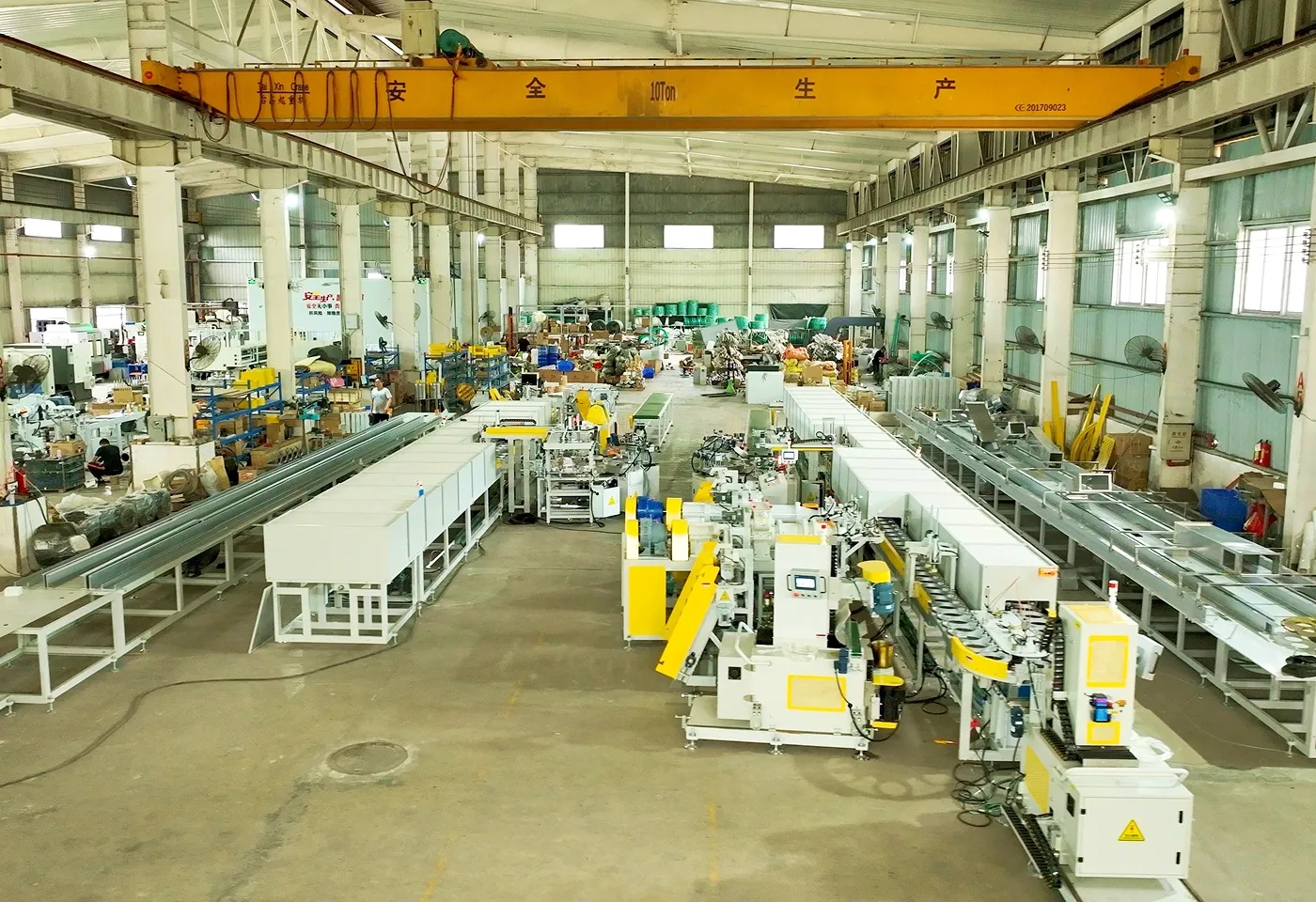
Let's cut through the buzzword. Smart ceramic production planning means designing your entire production line as one integrated system—from raw clay preparation to finished, decorated tableware ready for packing.
It covers every stage:
- Clay preparation and feeding
- Forming (pressing, jiggering, or slip casting)
- First-stage drying
- Trimming and finishing
- Glazing (dipping, spraying, or a combination)
- Decoration (printing, banding, hand-painting)
- Final firing
The key word is integrated. Each stage needs to connect to the next. Drying times must match conveyor speeds. Forming output must feed glazing capacity without bottlenecks. This isn't just about picking good machines—it's about making sure they talk to each other.
Walking Through the Production Flow
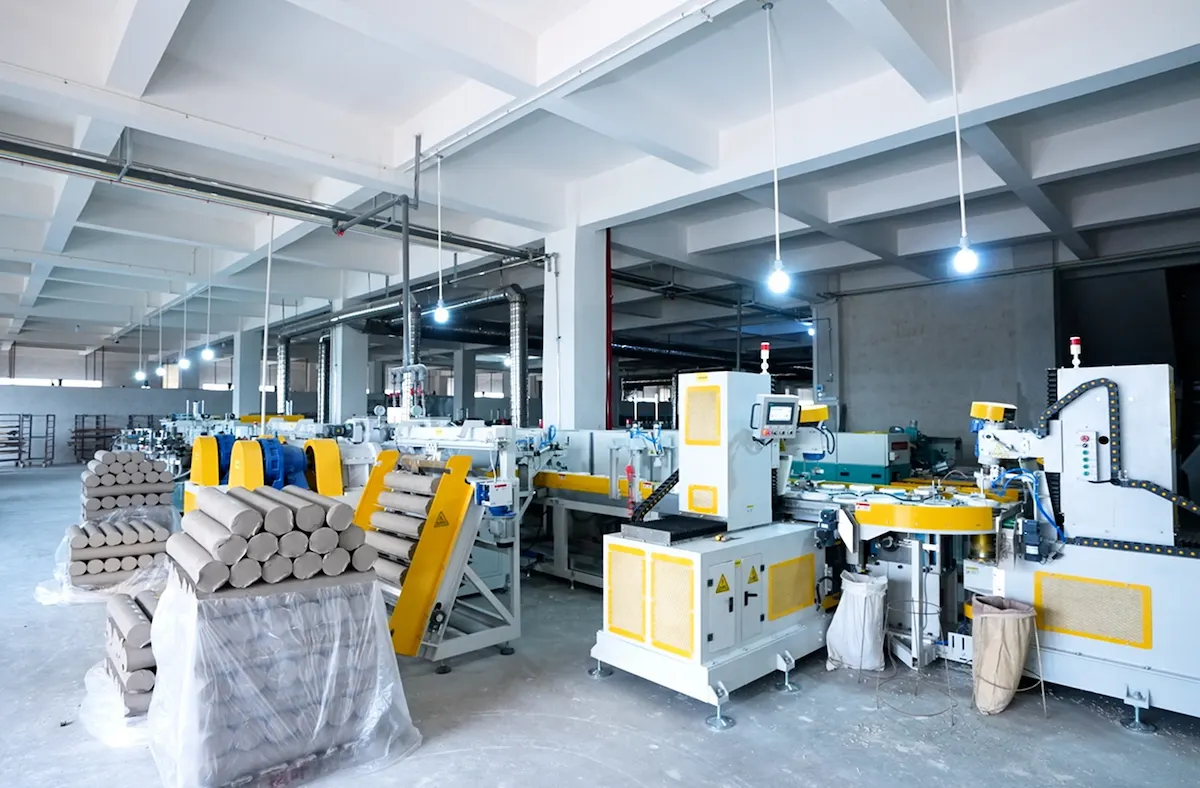
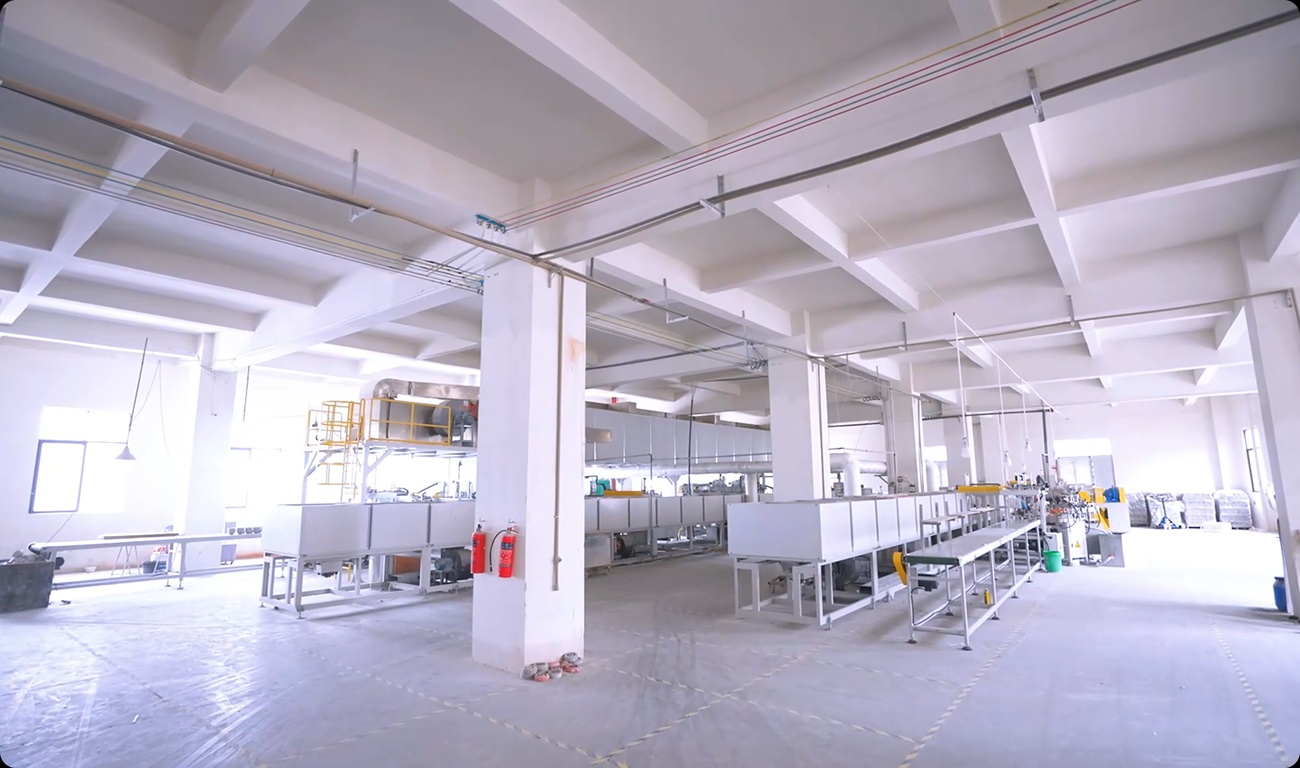
Here's how a typical automatic ceramic production line works in practice. We've broken it down step by step so you can see exactly where each piece of equipment fits.
Step 1: Vacuum Clay Preparation and Auto-Feeding
Everything starts with consistent clay. A vacuum pug mill prepares the clay by removing air bubbles and achieving uniform plasticity. The system then automatically feeds the prepared clay to the cutting station—no manual carrying, no inconsistent batches.
This matters especially for daily household tableware producers. When you're making thousands of plates or bowls per day, uneven clay quality is one of the first things that kills your finished product rate.
Step 2: Precise Clay Cutting
Before the clay hits the mold, it needs to be cut to exact weight and shape. An automatic cutting system ensures every piece is identical. This consistency carries through the entire line—if the clay portion varies, your forming quality will too.
For export ceramic plates manufacturers, this step is non-negotiable. Buyers in North America and Europe expect tight tolerances. Inconsistent sizing means rejected shipments.
Step 3: Automatic Jiggering or Slip Casting
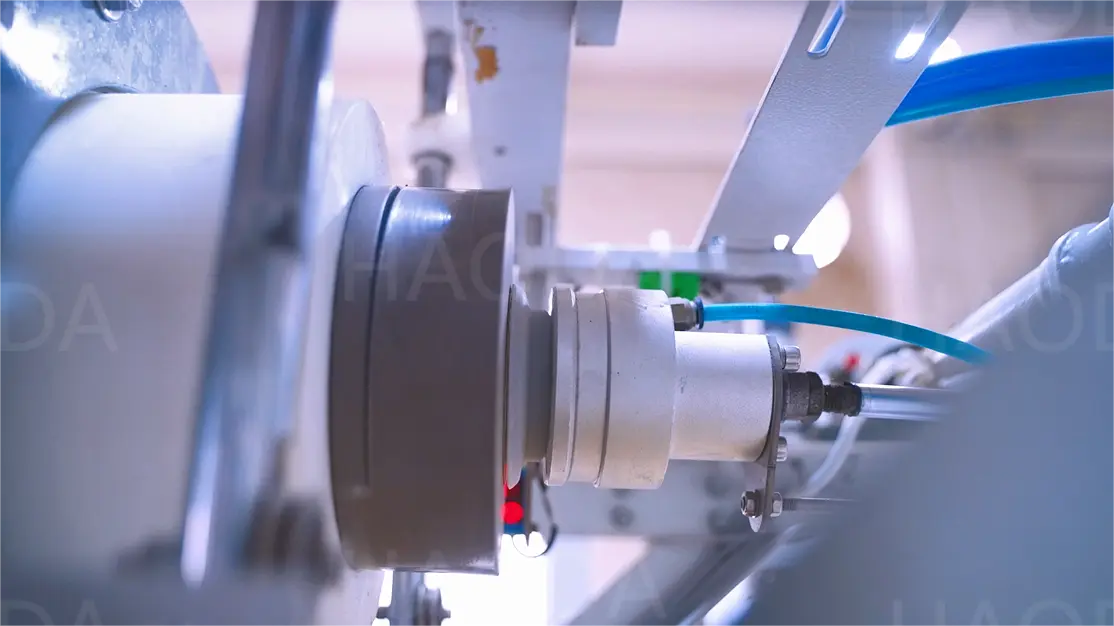
Now comes the core forming stage. Your choice of equipment depends entirely on what you're making.
For flat and shallow shapes—automatic jiggering lines (either single-head or double-head) are the workhorses. They deliver high output with consistent quality, which is why they're the backbone of most dinnerware sets factories.
Typical products from jiggering lines include dinner plates, salad plates, soup plates, shallow bowls, saucers, and flat dishes. Whether your factory produces porcelain tableware, stoneware tableware, or bone china tableware, the jiggering process handles them all with stable, standardized results.
For deeper or irregular shapes—high-pressure slip casting machines handle the job better. They can produce shapes that jiggering simply can't achieve.
Typical products include deep bowls, rice bowls, soup bowls, and irregular-shape items. This method is especially suited for airline tableware, hotel tableware, and premium porcelain tableware where thin walls and complex profiles are required.
The key advantage of our forming lines is the in-house mold manufacturing capability: we produce our own molds with proprietary resin formulations. This means the mold is designed specifically to work with our equipment—no compatibility issues, no performance compromises.
Step 4: First Drying and Mold Recovery
After forming, greenware needs to dry enough for the mold to be removed. In many factories, this step creates a bottleneck. The mold sits tied up with the piece, waiting for partial drying, before the next piece can be formed.
Our automatic demolding and conveyor system solves this. Greenware moves smoothly to the next station while molds return to the forming line for immediate reuse. This dramatically improves throughput and reduces your mold inventory requirements.
Step 5: Secondary Drying (White Dryer System)
This is where HAODA's approach separates from standard production lines. Most suppliers stop at first-stage drying. We add a secondary drying system—our White Dryer—that conditions the greenware to a precise moisture level before trimming and glazing.
Why does this matter? Because uneven drying is the root cause of most deformation. When moisture content varies between the surface and core of a piece, you get warping during firing. That's how you end up with a "lemon" plate instead of a flat one.
Our White Dryer achieves moisture uniformity of ±0.8%, which sounds technical but translates to something concrete: deformation rates drop from 8-12% down to 2-3%. For factories making premium tableware brands, this difference directly affects your rejection rate and profitability.
Need help calculating what this means for your specific production volume? We can run the numbers with you.
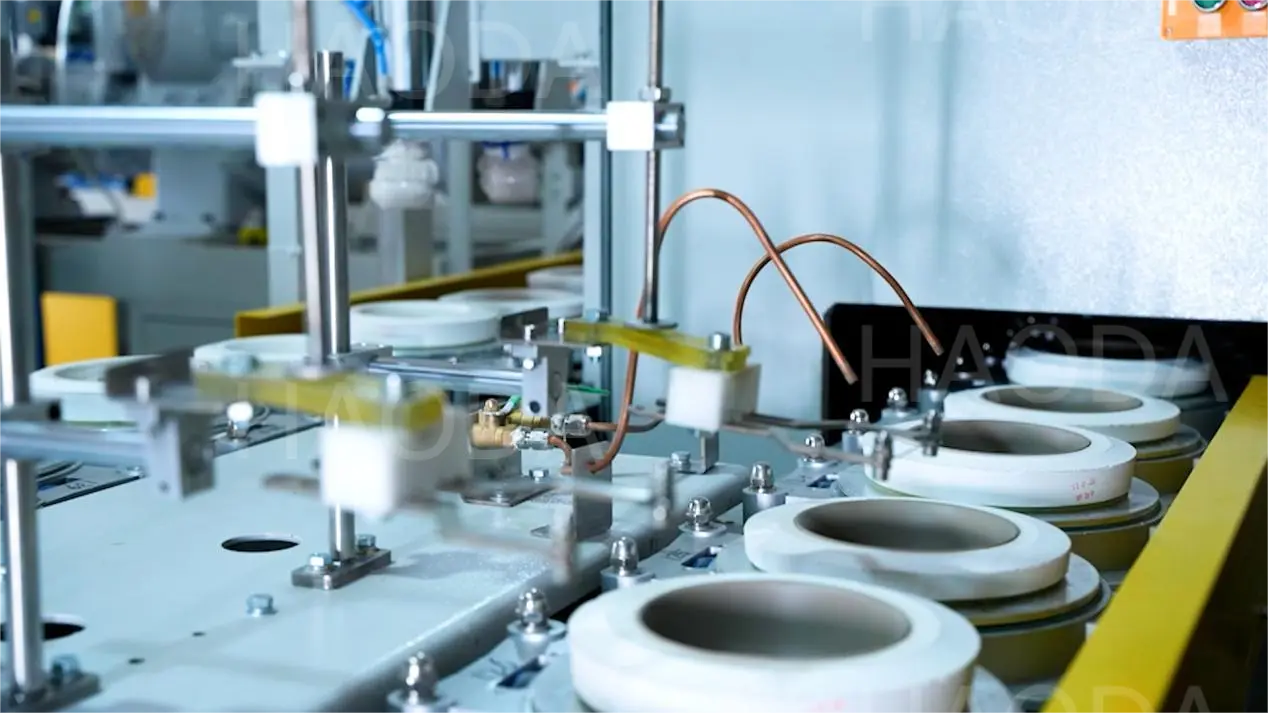
Step 6: Automatic Trimming
Once the piece reaches the right moisture content, it goes through automatic trimming. This step removes excess clay from the foot ring, rims, and edges. A well-designed trimming system works at line speed—no manual intervention, no bottlenecks at this stage.
For high-volume hotel and restaurant tableware production, automatic trimming is essential. You're producing the same product thousands of times. Any manual trimming inconsistency shows up as quality variation.
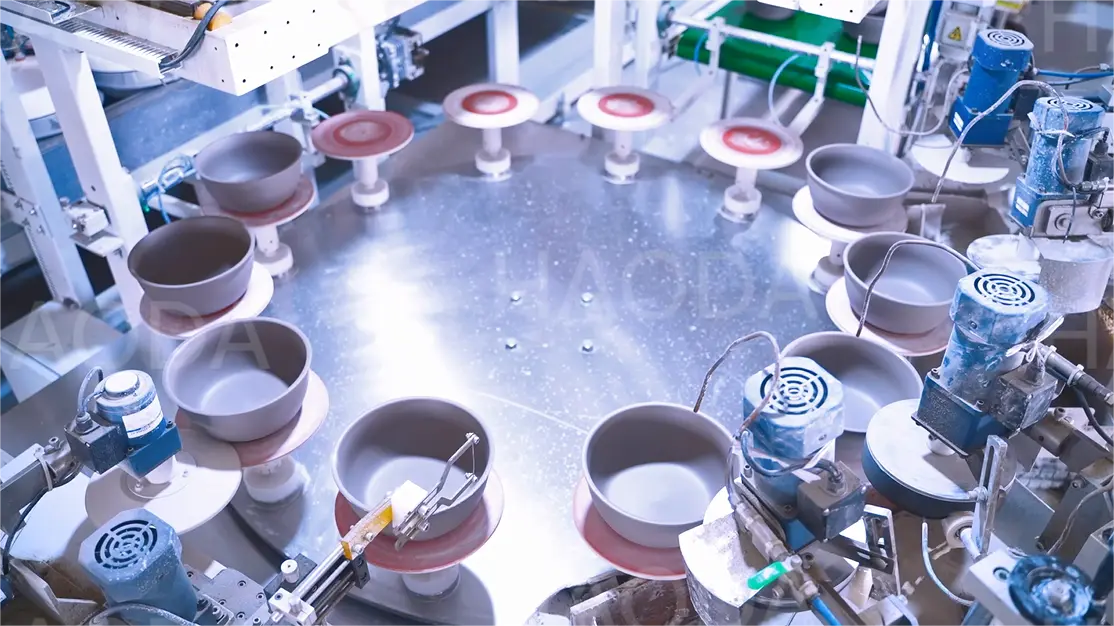
Step 7: Glazing—Choosing the Right Method
Glazing isn't one-size-fits-all. The method you choose depends on your glaze type, product shape, and volume requirements.
Dip glazing lines work best for transparent glaze, white glaze, and high-volume standardization. If your factory makes daily household tableware in large batches—think hotel supply or mass-market retail—an automatic dip glazing line is your most cost-effective choice.
Typical products include ceramic plates, bowls, cups, and mugs—especially for standardized, large-volume production where consistent glaze thickness matters most.
Spray glazing machines handle color glazes, reactive glazes, matte glazes, and gradient glazes that won't work with dipping. They're also better for complex shapes and irregular tableware where coverage matters. A four-station spray glazing machine gives you flexibility for multi-layer glazing or specialty finishes that buyers in the premium tableware brands segment expect.
Typical applications include multi-color tableware, decorative pieces, vases and planters, and high-end export ceramic products where visual distinction is key.
Not sure which glazing method fits your products? Send us your product drawings and glaze specifications—we'll recommend the right system.
Step 8: Decoration—Logo Printing and Design Work
After glazing comes decoration. This is where your products get their identity. Two main systems handle most commercial decoration:
Pad printing machines handle logo printing, multi-color designs, and brand-specific decoration. They're fast, repeatable, and perfect for export ceramic manufacturers who need consistent branding across millions of pieces. Learn more about our pad printing solutions →
Typical applications include printed ceramic plates, decorative bowls, brand logo printing on tableware, and full-surface color decoration on cups and saucers.
Band decorating machines add precision decorative lines, border patterns, and bands. These are especially important for hotel tableware and formal dinnerware sets where decorative detail distinguishes the product line.
In these scenarios, consistency is critical—automation ensures uniform results across large batches, whether you're running 10,000 or 100,000 pieces.
Both systems integrate directly with your forming and glazing flow—no separate decoration department needed, no extra handling.
Matching Your Factory Type to the Right Production Plan
Not every factory needs the same setup. Here's how we typically match solutions to different client profiles:
For High-Volume Daily Tableware Factories
If you're producing plates, bowls, and basic dinnerware for volume retail or export, your priorities are speed, consistency, and low per-unit cost. The recommended setup:
- Automatic jiggering line (single or double head)
- Dip glazing line
- White Dryer for quality consistency
- Basic trimming and decoration as needed
This combination delivers the throughput you need while keeping defect rates manageable. We've helped daily household tableware producers across Asia and the Middle East scale with this configuration.
Need help selecting the right jiggering machine? Tell us your product sizes and target daily output—we'll recommend the best setup.
For Hotel and Restaurant Tableware Producers
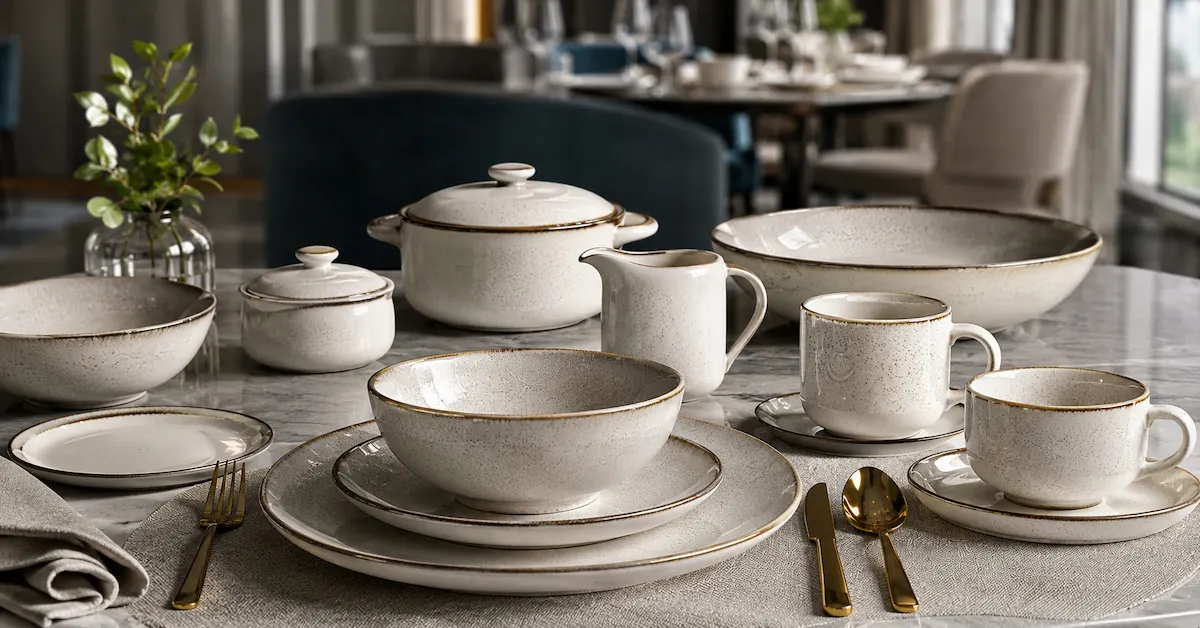
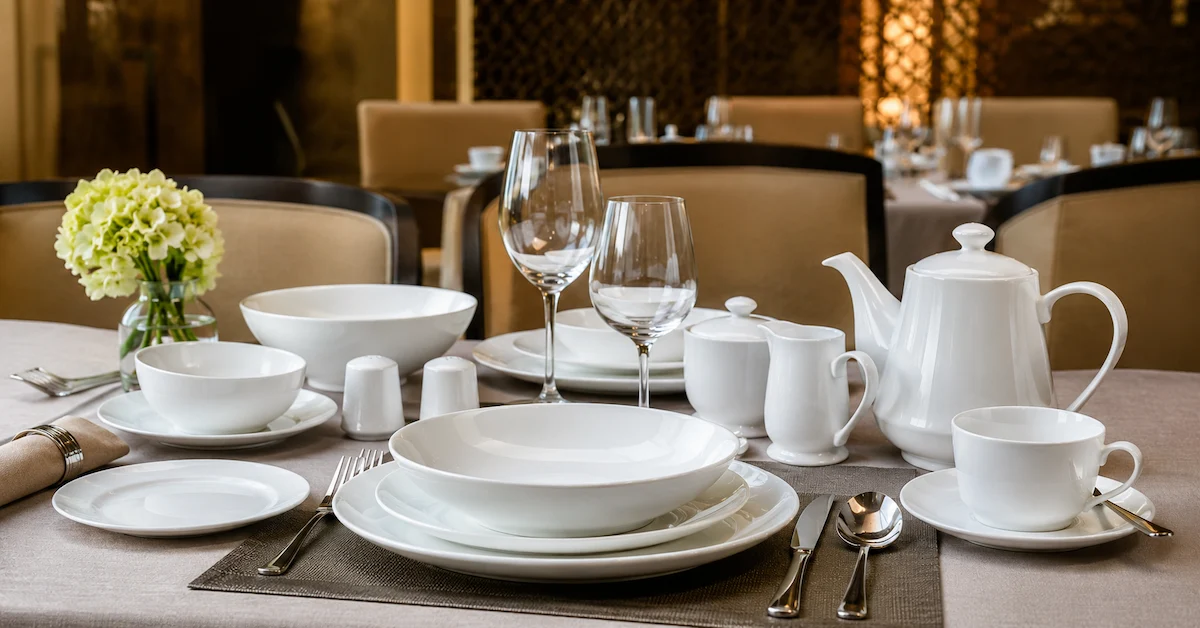
Hotel tableware means repeated use, consistent quality, and often specialized shapes. Your products go through commercial dishwashing daily. The recommended setup:
- High-pressure slip casting or jiggering (depending on shape)
- Spray glazing for specialty finishes
- Pad printing for hotel logos and branding
- White Dryer to minimize deformation
Many of our clients in this category serve international hotel chains. They need products that match brand specifications exactly, batch after batch.
Get a capacity calculation for your hotel tableware production—send us your product list and we'll estimate the equipment configuration.
For Premium Tableware Brands and Custom Orders
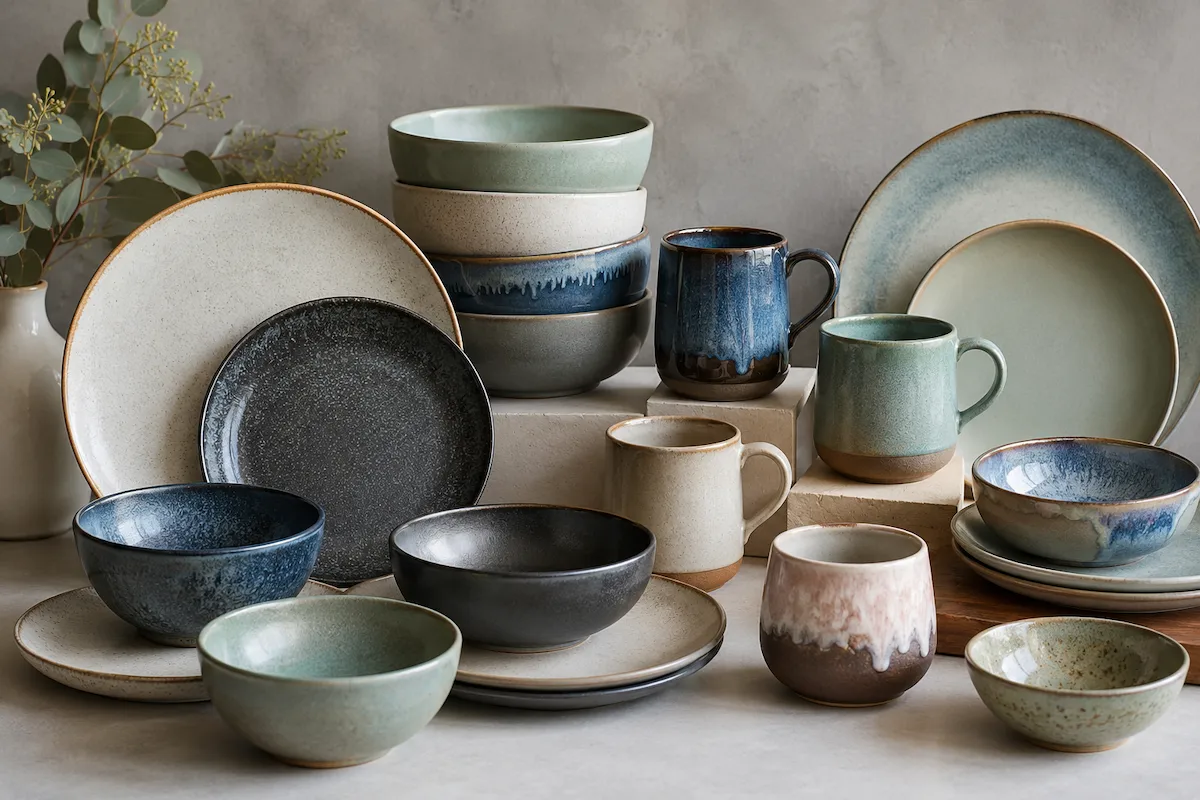
When your customers pay premium prices, they expect perfect execution. Your products feature unique glazes, custom logos, and tighter tolerances. The recommended setup:
- Flexible forming line with quick mold changes
- Multi-station spray glazing for color and reactive glazes
- Pad printing with precise color registration
- Band decorating for custom patterns
This configuration prioritizes flexibility over pure throughput. You can switch between products without losing your mind.
For New Factory Projects
Starting from scratch? This is where our Turnkey factory solution delivers the most value. You don't just get equipment—you get:
- Complete production line design
- Equipment layout and factory floor planning
- Installation and commissioning
- Operator training
- Ongoing technical support
We've delivered Turnkey solutions in India, Bangladesh, Southeast Asia, the Middle East, and South America. Every region has different constraints—space, climate, local materials, labor availability. We factor all of that into the design.
Request a production line layout — send us your facility dimensions and product specifications, and we'll create a layout designed for your exact situation.
The HAODA Advantage: Why Planning Matters More Than the Machine
Here's our honest take: you can buy good equipment from several suppliers. What you can't easily buy is a system that works as one unit.
Our production planning approach gives you three things you won't get from a simple equipment purchase:
1. Equipment designed to work together. Our forming lines, dryers, trimming systems, and glazing equipment share a common design philosophy. Speeds, capacities, and interfaces are matched from the start.
2. Mold expertise built in. We manufacture our own molds. That means when something isn't working perfectly, we can adjust the mold, the machine settings, or both—without pointing fingers at a third-party supplier.
3. Global experience with local knowledge. We've set up factories in different climate zones, with different clay sources, and different workforce skill levels. We know what works and what doesn't in specific regions
Ready to Plan Your Production Line?
Whether you're scaling an existing factory or starting from scratch, getting the production plan right matters more than the equipment specs on paper.
Here's how to start:
Tell us what you're making. Plate diameters, bowl depths, target output per day, glaze types. The more specific, the better.
Share your facility details. Floor space, ceiling height, climate conditions, power specifications. These all affect the layout.
Let us do the math. We'll recommend a production line configuration that fits your products and volume—not a one-size-fits-all standard setup.
Not sure which forming method is right for your products? That's exactly what we help with. Most of our clients come to us with general ideas about what they want to make, and we work backward from there.
Need a quick capacity assessment? We can calculate output estimates and floor space requirements based on your target production numbers.
Want to see how the layout would look? Send us your facility drawings, and we'll propose a production line arrangement optimized for your space.
Whatever stage you're at, we're ready to help you move from "I need ceramic equipment" to "I have a production plan that actually works."
Frequently Asked Questions
What's the minimum production volume for an automatic jiggering line?
Automatic jiggering lines make the most sense when you're producing 5,000+ pieces per day on a single product type. Below that threshold, semi-automatic or manual forming may offer better flexibility. That said, every product profile is different—let's discuss your specific situation.
How long does it take to set up a complete ceramic production line?
A typical new factory project with our Turnkey solution takes 4-8 months from initial planning to first production. The timeline depends on factory construction, equipment delivery, and local conditions. We provide a detailed project schedule during the planning phase.
Can you help with existing equipment from other suppliers?
We focus on HAODA equipment systems, but we understand that most factories have mixed equipment. During production planning, we can identify integration points and potential bottlenecks. In many cases, we can design around existing equipment while upgrading key stages.
What after-sales support do you provide?
Every project includes installation supervision, commissioning, operator training, and documentation. For ongoing support, we offer remote technical assistance and spare parts supply. Many of our clients have worked with us for 10+ years—it's a relationship, not just a transaction.
How do you handle different clay types and local materials?
Clay behavior varies by region. During factory commissioning, we work with your specific clay to optimize machine settings, moisture levels, and drying parameters. We can also advise on clay preparation requirements if you're sourcing from new suppliers.
Final Thoughts
Smart ceramic production planning isn't about having the most advanced machines. It's about having the right system for your products, your volume, and your market.
The factories that thrive long-term are the ones that planned their production flow deliberately—where each stage supports the next, where defects are minimized, and where operators understand the system as a whole.
That's what we do at HAODA Machinery. We're not just selling equipment. We're helping you build a production system that makes sense for your business.
Start the conversation today. Tell us what you're making and where you want to be, and we'll show you how to get there.