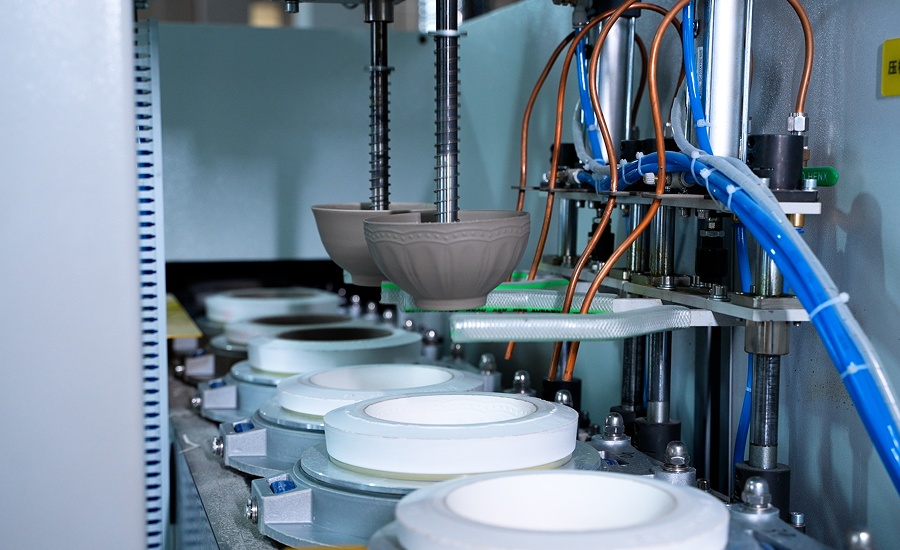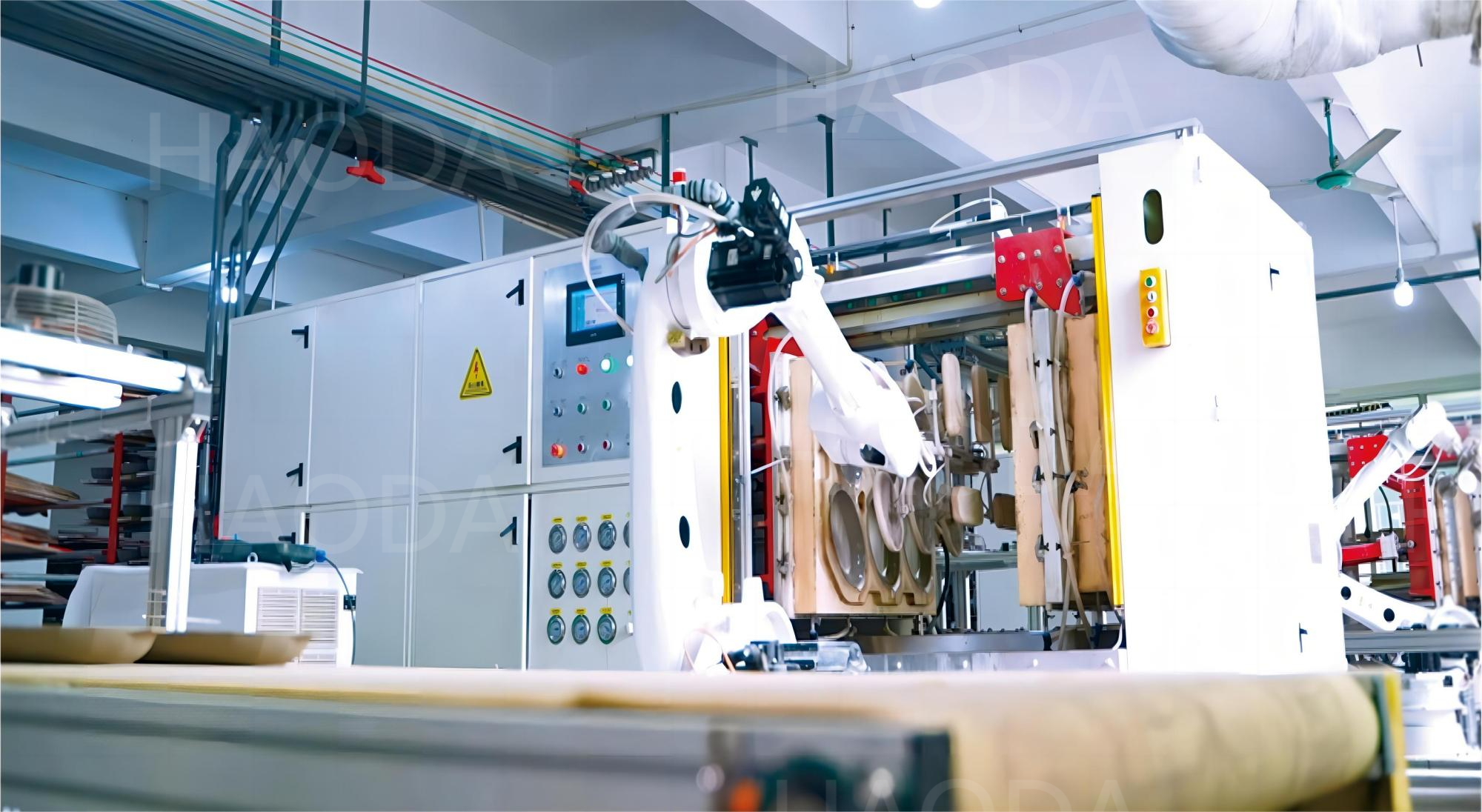

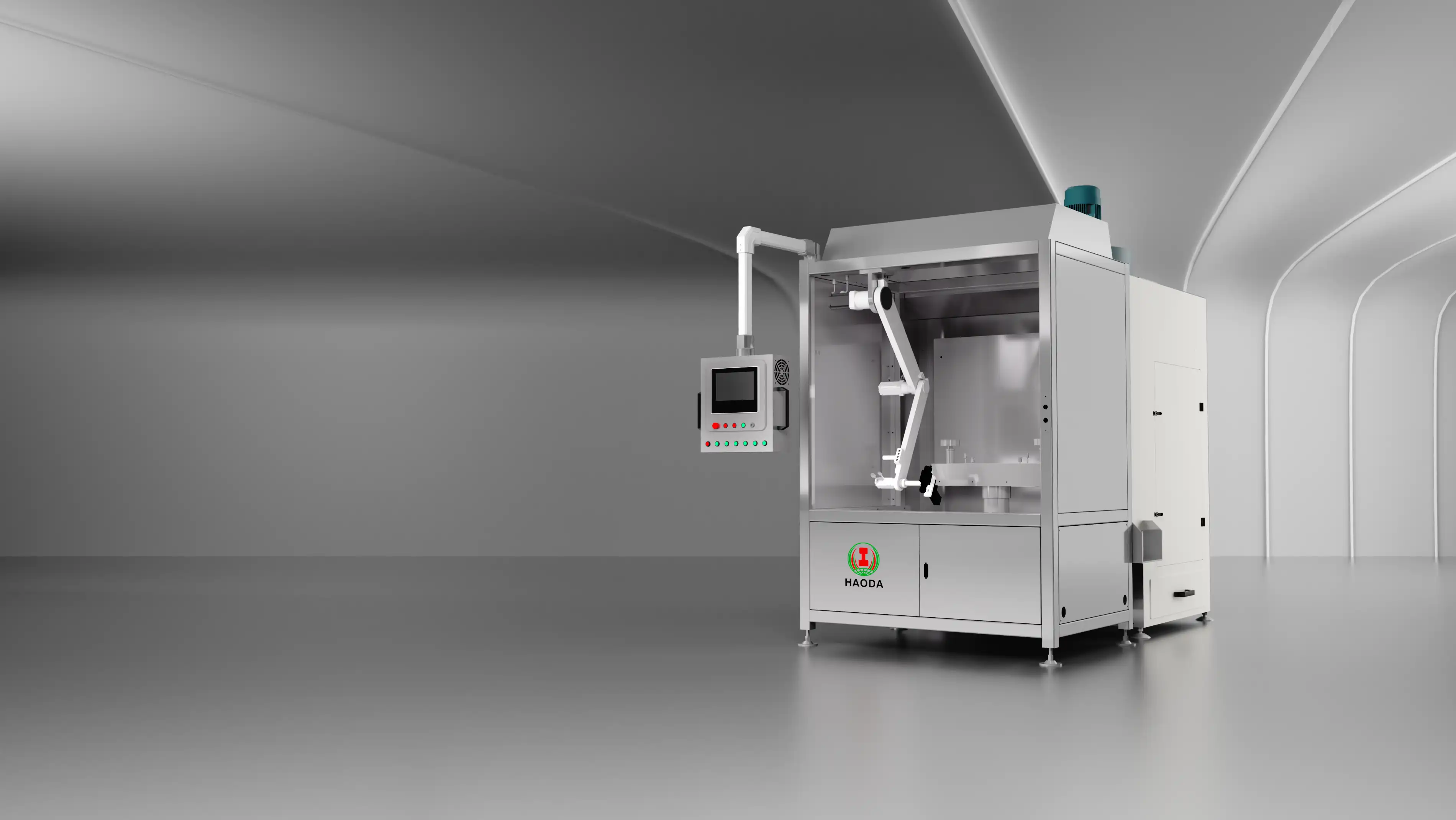
Why Hotel Ceramic Ware Manufacturing Demands Higher Precision
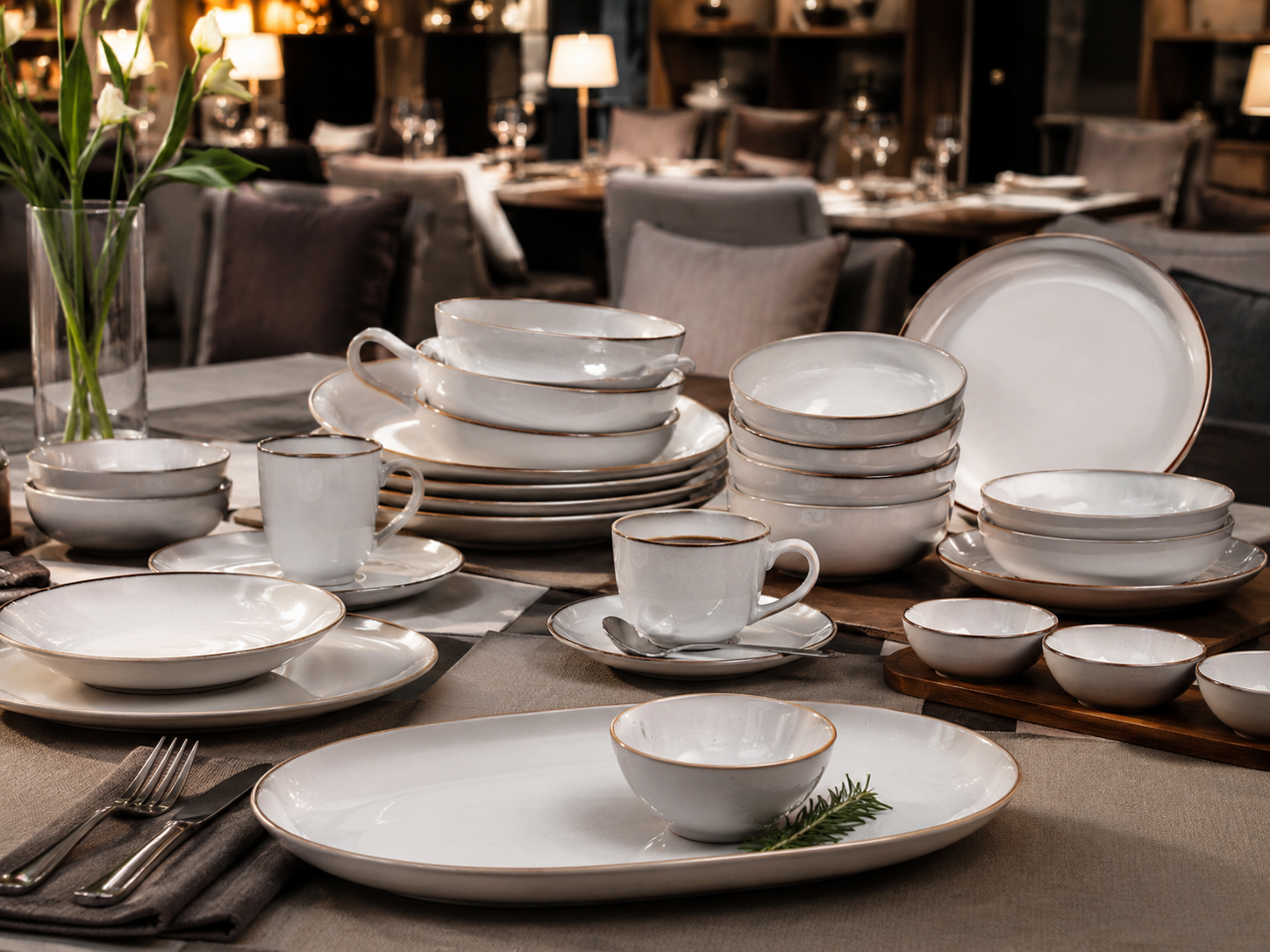
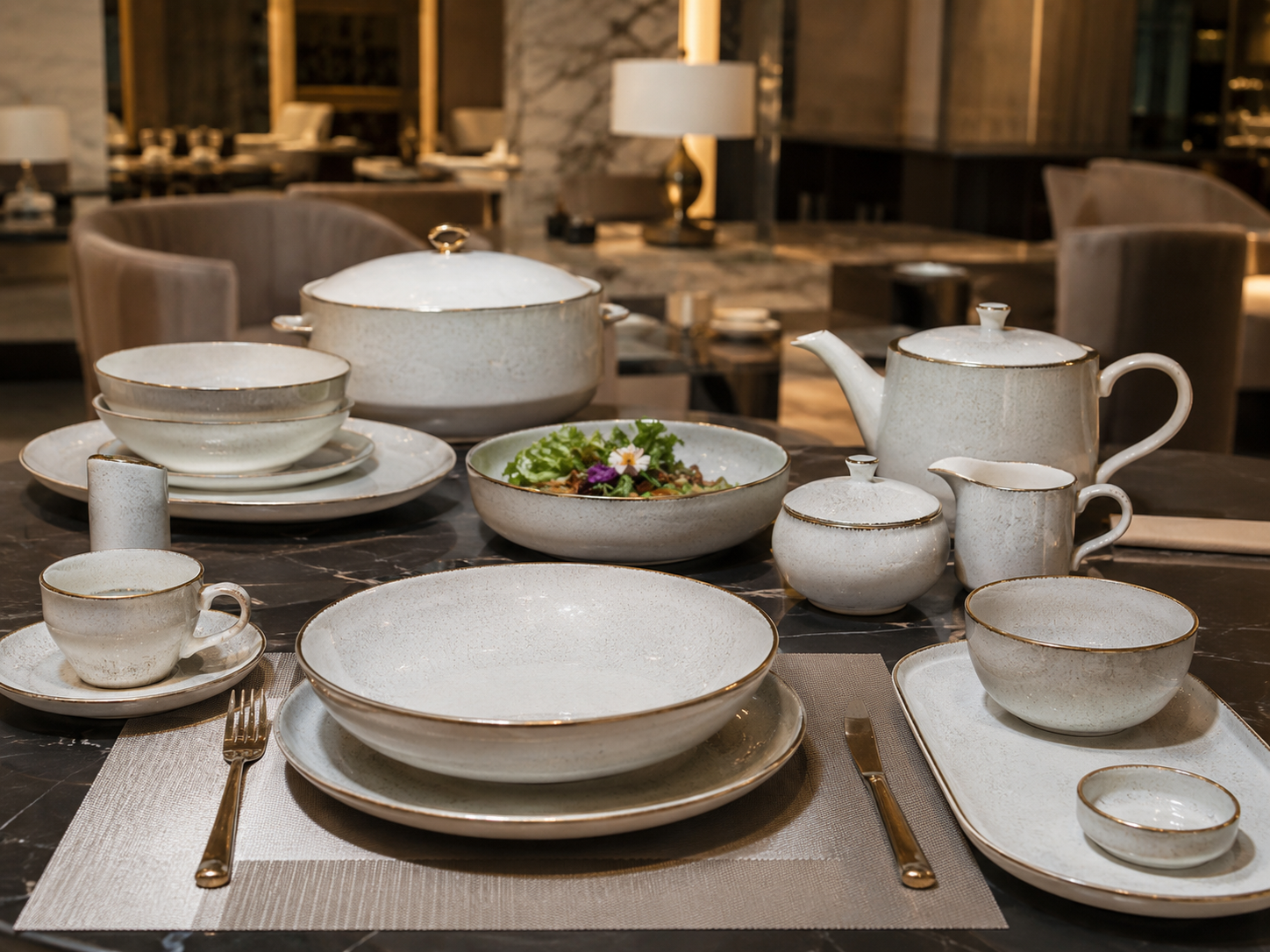
Hotel tableware is not simply functional—it represents brand identity.
Luxury hotels require:
-
Exact color consistency across batches
-
Uniform plate curvature and bowl depth
-
High impact resistance for daily service
-
Resistance to 1,000+ dishwasher cycles
A standard production line may achieve volume, but hotel ceramic ware manufacturing requires precise control across forming, glazing, and firing to ensure long-term aesthetic stability and durability.
Engineering Structure for Premium Ceramic Output
| Production Stage | Critical Focus | Applied Technology | Quality Outcome |
|---|---|---|---|
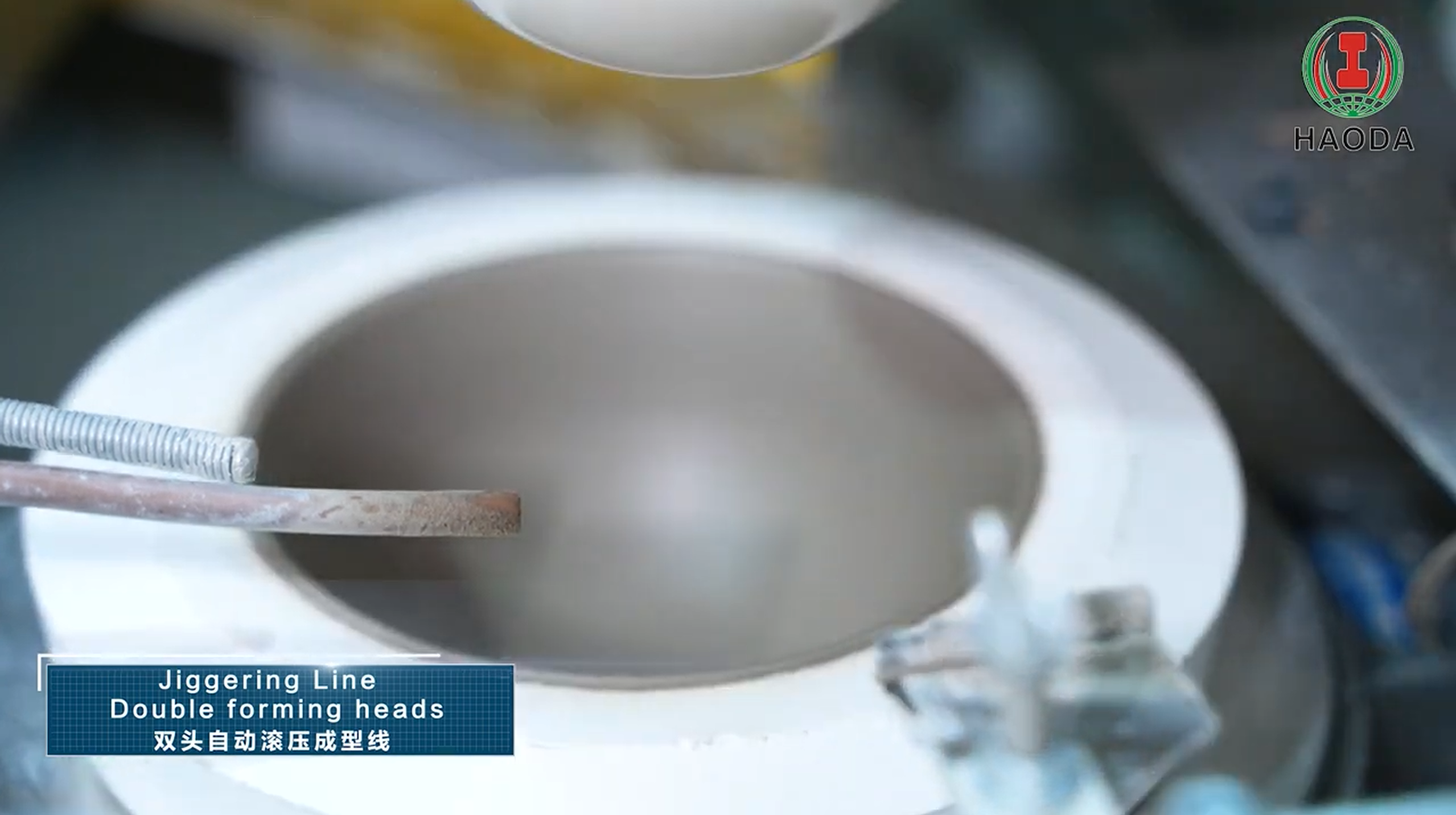
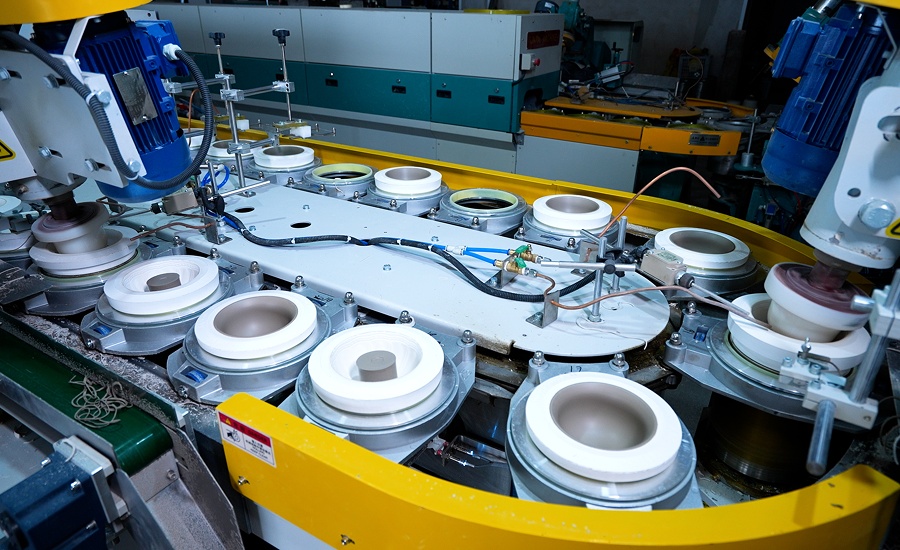
| Forming | Dimensional accuracy | Servo-controlled jiggering | ±0.2 mm tolerance |
| Glazing | Color tone consistency | Robotic spray + viscosity monitoring | ΔE < 1.0 color variance |
| Drying | Stress-free moisture removal | Controlled airflow tunnel | Reduced micro-cracks |
| Firing | Stable densification | Multi-zone roller kiln ±3°C fluctuation | Even surface hardness |
| Inspection | Surface and geometry control | AI vision system | 98–99% detection accuracy |
This integrated system ensures stable hotel ceramic ware manufacturing even under high-volume export conditions.
Color Consistency and Glaze Stability
Premium hotel markets are highly sensitive to color variation.
A deviation of even ΔE 1.5 can be visually noticeable when stacked in service environments.
To ensure color uniformity, Haoda Machine applies:
-
Inline glaze density monitoring (±1% tolerance)
-
Servo-controlled atomization pressure
-
Real-time humidity and temperature regulation in spray booths
-
Batch-based MES recipe storage
| Parameter | Conventional Line | Optimized Line |
|---|---|---|
| Color Variation (ΔE) | 2.0–2.5 | <1.0 |
| Glaze Thickness | ±8% | ±2% |
| Surface Rejection | 6% | 2% |
According to Ceramic Industry Magazine, strict glaze viscosity control can reduce surface rejection by up to 40% in commercial ceramic production.
Structural Strength for Daily Hospitality Use
Hotel ceramics endure heavy stacking, transport, and washing.
Proper densification during firing ensures mechanical stability.
Key Mechanical Indicators
| Property | Hospitality Standard | Optimized Production |
|---|---|---|
| Water Absorption | <0.5% | 0.2–0.3% |
| Flexural Strength | >40 MPa | 45–50 MPa |
| Thermal Shock | 180°C tolerance | Stable at 200°C |
| Dishwasher Resistance | 1,000 cycles | No glaze degradation |
Maintaining these properties consistently across batches is essential for reliable hotel ceramic ware manufacturing.
Production Flexibility for Custom Hotel Designs
Luxury hotels often request customized logos, unique shapes, and seasonal designs.
An advanced production line must allow quick mold switching and glaze adjustment without disrupting throughput.
Key system features include:
-
Pneumatic mold exchange system
-
Digital recipe switching in MES
-
Adjustable forming pressure curves
-
Automated pad printing integration
This flexibility enables manufacturers to balance customization and scalability within the same hotel ceramic ware manufacturing system.
Cost and Efficiency Comparison
| KPI | Semi-Automatic Line | Automated Premium Line |
|---|---|---|
| Daily Output | 40,000 pcs | 90,000–120,000 pcs |
| Scrap Rate | 6% | 2% |
| Labor Requirement | 50 operators | 28 operators |
| Energy Cost | 100% baseline | -25% |
| ROI Cycle | 30–36 months | 18–20 months |
Automation improves not only production volume but also premium consistency — a decisive advantage in export hospitality markets.
Global Hospitality Market Applications
Hotel ceramic ware manufacturing is especially critical in regions with strong tourism sectors such as Southeast Asia, Europe, and the Middle East.
Factories serving these markets must comply with:
-
ISO quality standards
-
EU food-contact regulations
-
FDA safety compliance
-
Environmental sustainability requirements
Integrated automation ensures documentation, traceability, and batch consistency aligned with international expectations.
Haoda Machine: Precision Systems for Hospitality Manufacturers
Haoda Machine delivers integrated solutions designed specifically for premium tableware producers serving the hotel and hospitality sector.
Core capabilities include:
-
High-precision forming systems
-
Intelligent glaze control and color stabilization
-
Energy-efficient kiln design
-
MES-based production traceability
-
Global installation and technical support
Through optimized hotel ceramic ware manufacturing systems, Haoda Machine helps manufacturers achieve stable premium quality while maintaining scalable production efficiency.
To explore automation solutions for hospitality-grade ceramics, visit Haoda Machine’s homepage.
For custom project consultation and production planning, contact our engineering team — we will design a system tailored to your market positioning and output requirements.