
Why Global Buyers Turn to Asia Ceramic Machinery Factory Suppliers
Over the past two decades, the majority of new ceramic plant investments in emerging markets have sourced equipment from Asia. An established Asia ceramic machinery factory offers three decisive advantages:
-
Integrated component manufacturing
-
Competitive cost structure
-
Fast delivery cycle
However, experienced buyers evaluate deeper factors such as machining accuracy, automation integration, and after-sales engineering service — not simply equipment pricing.
A reliable Asia ceramic machinery factory must demonstrate manufacturing depth rather than basic equipment assembly capability.
Manufacturing Capacity and Production Infrastructure
The strength of a ceramic machinery supplier depends on its own production infrastructure.
| Facility Capability | Basic Workshop | Advanced Asia Factory |
|---|---|---|
| CNC Machining Centers | Limited | Multi-axis precision machining |
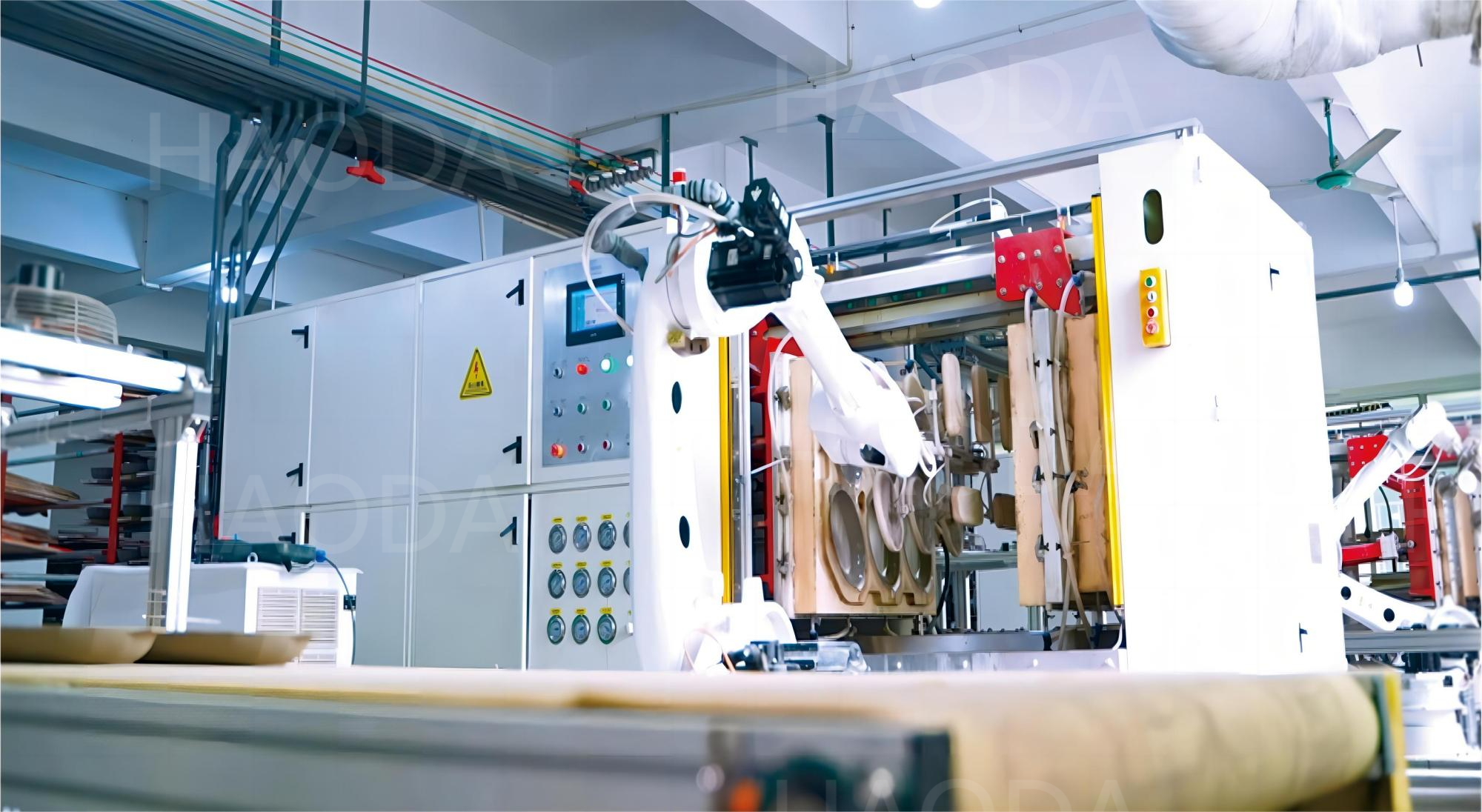
| Structural Welding Line | Manual | Automated welding systems |
| Assembly Testing | Partial | Full-line simulation testing |
| Annual Equipment Output | 5–10 lines | 20–40 integrated lines |
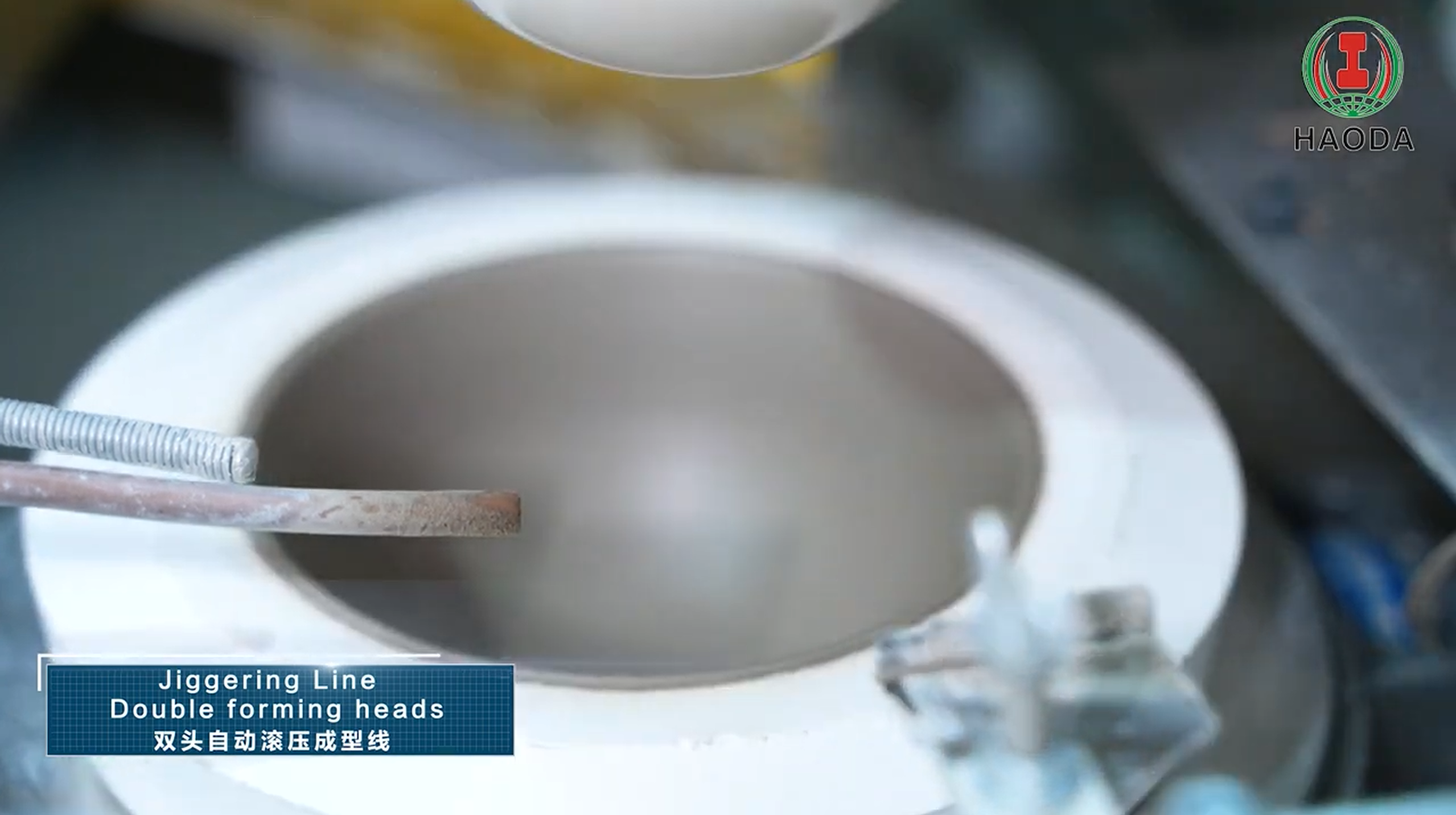
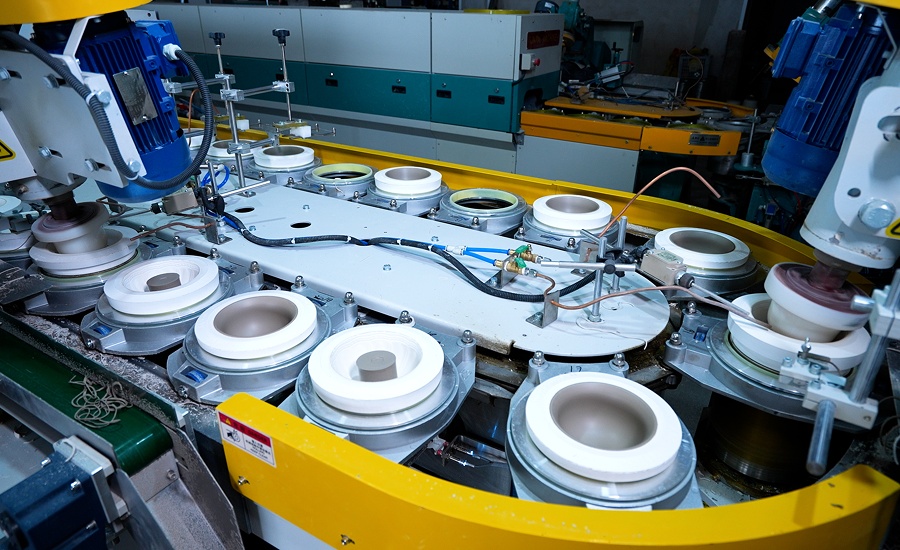
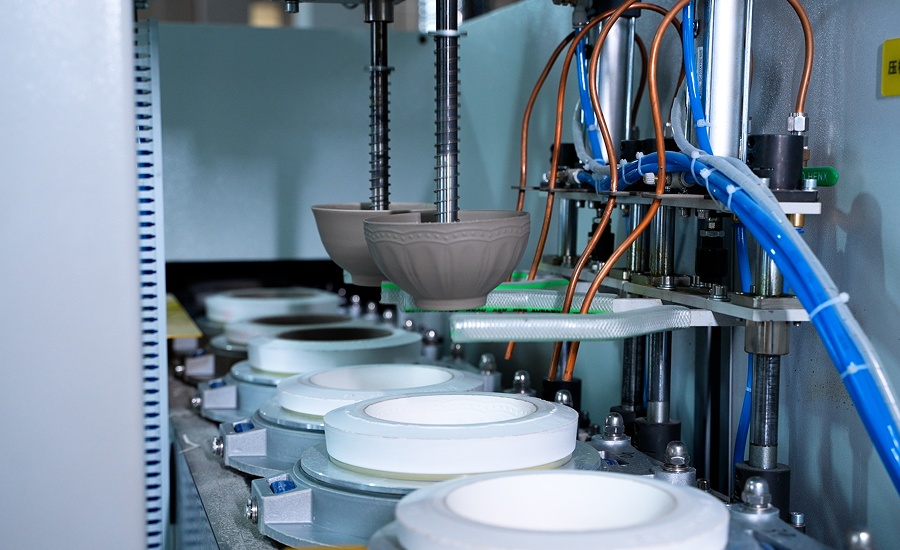
A mature Asia ceramic machinery factory typically controls key modules in-house, including forming systems, glaze units, kiln structures, and automation cabinets.
Vertical integration improves delivery reliability and spare parts consistency.
Lead Time and Project Delivery Comparison
| Region | Average Delivery Cycle | Engineering Support |
|---|---|---|
| Europe | 8–12 months | High but expensive |
| South Asia | 6–8 months | Limited automation |
| East Asia (Integrated Factory) | 4–6 months | Full lifecycle support |
An advanced Asia ceramic machinery factory reduces project startup time by offering pre-tested modules and standardized commissioning procedures.
Shorter delivery cycles lower financial exposure and accelerate ROI for investors.
According to the International Trade Administration (https://www.trade.gov), Asian industrial equipment exports continue to expand due to competitive production ecosystems and supply chain efficiency.
Automation Depth and Digital Control
Modern ceramic plants demand traceable, data-driven production control.
Key capabilities include:
-
PLC + Servo forming control
-
MES integration for batch management
-
Real-time glaze viscosity monitoring
-
Kiln multi-zone PID temperature regulation
| Performance Indicator | Conventional Line | Digital Asia Line |
|---|---|---|
| Scrap Rate | 6% | 2–3% |
| Energy Consumption | Baseline | -20% |
| Labor Requirement | 60 operators | 30–35 operators |
| Batch Traceability | Limited | Full digital tracking |
A competitive Asia ceramic machinery factory must integrate automation architecture into equipment design, not treat it as an optional upgrade.
Cost Structure and Long-Term Investment Logic
Initial equipment cost is only part of the total project budget.
| Investment Factor | Impact on ROI |
|---|---|
| Capital Expenditure (CAPEX) | 20–35% lower vs Europe |
| Installation Time | Faster startup = faster revenue |
| Energy Efficiency | 20–25% operational savings |
| Spare Parts Availability | Reduced downtime risk |
Well-designed systems from a stable Asia ceramic machinery factory typically achieve ROI cycles of 18–24 months for mid-scale tableware operations.
Global Application and Market Adaptation
Asia-based ceramic machinery suppliers serve markets including:
-
Southeast Asia tourism-driven tableware factories
-
Middle East hospitality expansion projects
-
European OEM ceramic brands
-
Latin American industrial tableware investments
An experienced Asia ceramic machinery factory adapts plant layout and automation level based on local labor cost, energy pricing, and regulatory standards.
Customization capability differentiates true engineering manufacturers from trading intermediaries.
Haoda Machine: Engineering Strength from Asia
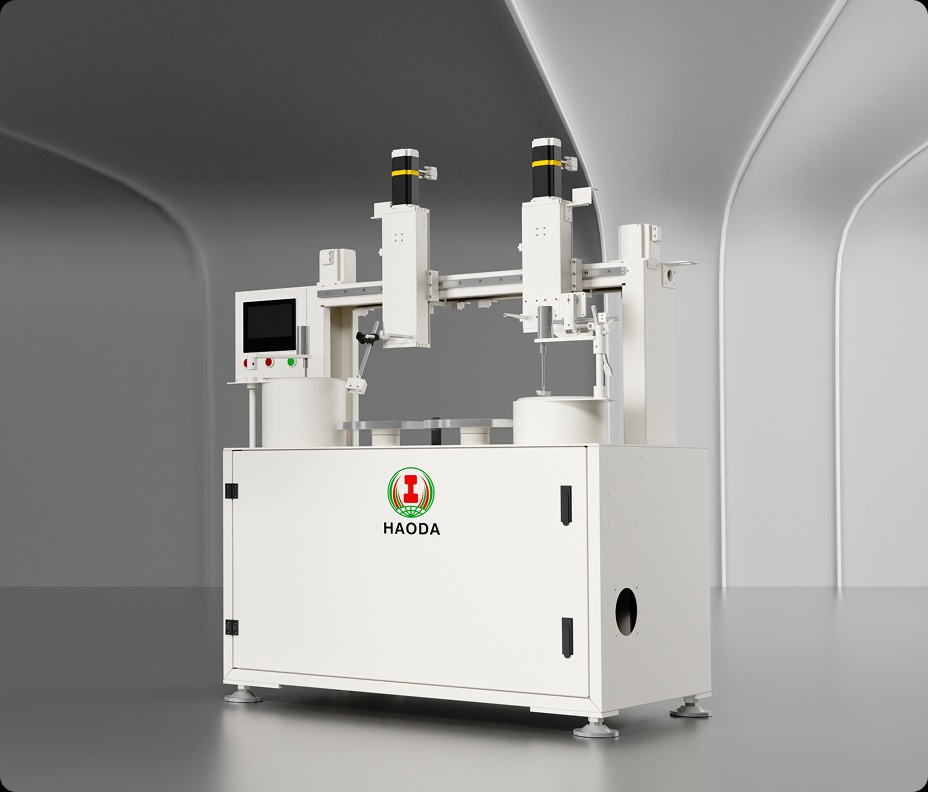
Haoda Machine operates as a fully integrated Asia-based ceramic machinery manufacturer with complete in-house production capacity.
Core advantages include:
-
High-precision forming system engineering
-
Automated glaze and decoration integration
-
Energy-efficient roller kiln design
-
Digital production monitoring systems
-
Global commissioning and technical training
As a trusted Asia ceramic machinery factory, Haoda Machine delivers scalable automation systems tailored to international ceramic manufacturers seeking efficiency, reliability, and long-term production stability.
To explore integrated ceramic plant solutions, visit
https://www.haoda-machine.com/
For project consultation and capacity planning, contact
https://www.haoda-machine.com/contact-us