
Every ceramic factory has its own product mix. Before investing in a spray glazing machine, the most important question is: "Will this work for what I produce?"
Let's break it down by product type, size, and glaze requirements – so you can see if your products are a match.
Product Types: What Fits the Machine Best?
Flat and Shallow Products – Excellent Match
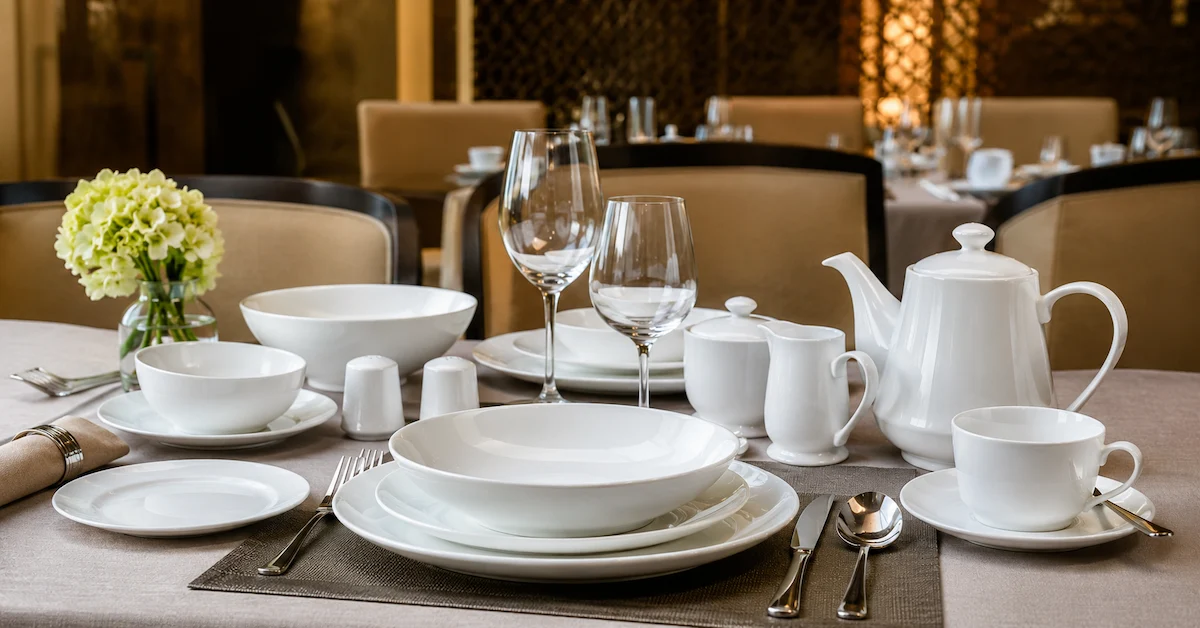
If your factory produces dinner plates, salad plates, soup plates, flat dishes, or saucers, the 4-station spray glazing machine is an excellent fit. These flat and shallow shapes allow the spray gun to cover the entire surface evenly without tricky angles or deep recesses.
Dinner plates are the most common application – you get even coverage and consistent finish across large batches. Salad plates work perfectly for color glaze with quick size changeover between runs. Soup plates handle curved edges well and are good for pattern glaze applications. Flat dishes achieve uniform glaze layers, making them ideal for white glaze production.
Bowls and Cups – Good Match
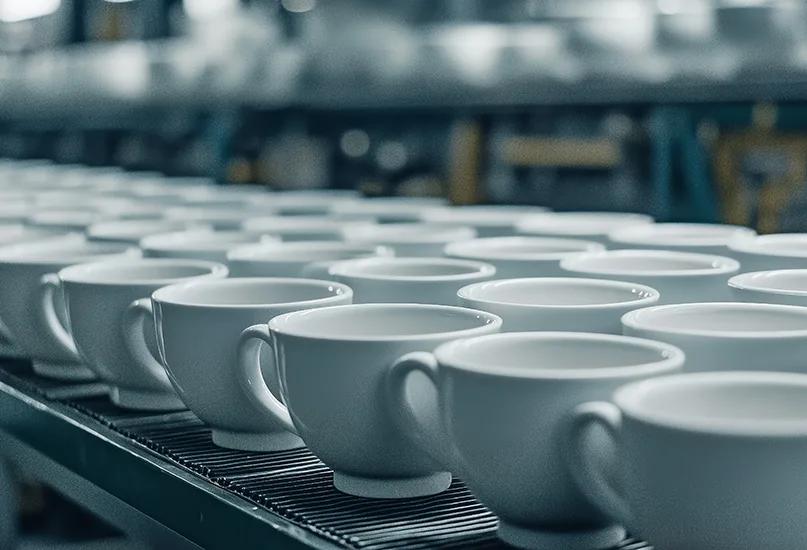
Rice bowls, soup bowls, tea cups, and mugs also perform well with the 4-station spray glazing machine, though they require some adjustments during setup.
For rice bowls, the machine provides good coverage when you set proper rotation for inner surface glazing. Soup bowls achieve even glaze application, but you should check that the depth is within the machine's compatible range. Tea cups handle well with the standard settings, though angle adjustment may fine-tune results. Mugs work great for the body area – the handle section just needs a bit more attention during parameter setup.
A helpful tip: for deeper bowls, the machine's adjustable spray angle ensures the inner surface gets proper glaze coverage.
Products That Need Specification Check
Some products may work depending on your specific requirements. Deep bowls, irregular shapes, large platters, and products with handles fall into this category.
For deep bowls, the key question is whether the depth is within the machine's range. Send us your product dimensions and we'll confirm compatibility. Irregular shapes can work if the spray angles can cover all surfaces properly – sharing product photos helps us verify this quickly. Large platters need to fit within the station size, so confirm the maximum diameter before ordering. Products with handles may need special attention for the handle areas, which is best discussed with our technical team.
Products That May Not Be Ideal
Large vases, big planters, very small items, and extremely irregular shapes may not be the best fit for the 4-station spray glazing machine.
Large vases are often too tall for the station – you might need to look for larger spray systems designed for this purpose. Big planters usually exceed the size capacity, requiring custom equipment solutions. Very small items can be processed, but the efficiency may not justify the investment – batch processing or other methods could be more suitable. Extremely irregular shapes present coverage difficulties, and manual touch-up may still be needed after machine glazing.
Glaze Types: What Can You Apply?
The 4-station spray glazing machine handles various glaze types, giving you flexibility for different market segments.
White Glaze and Transparent Glaze
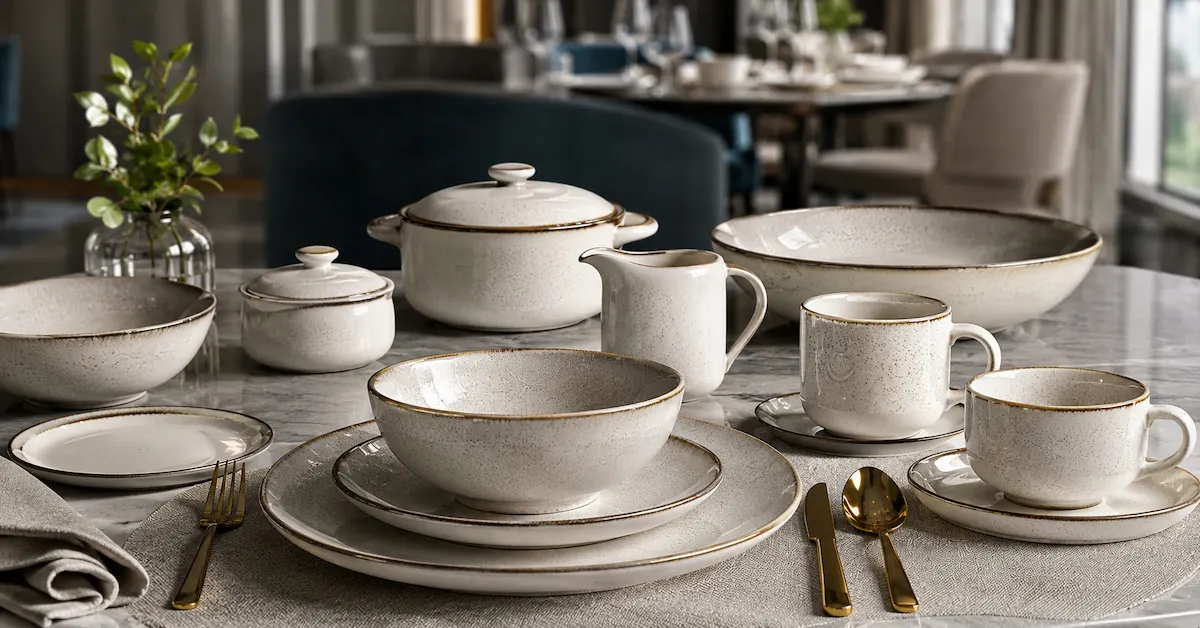
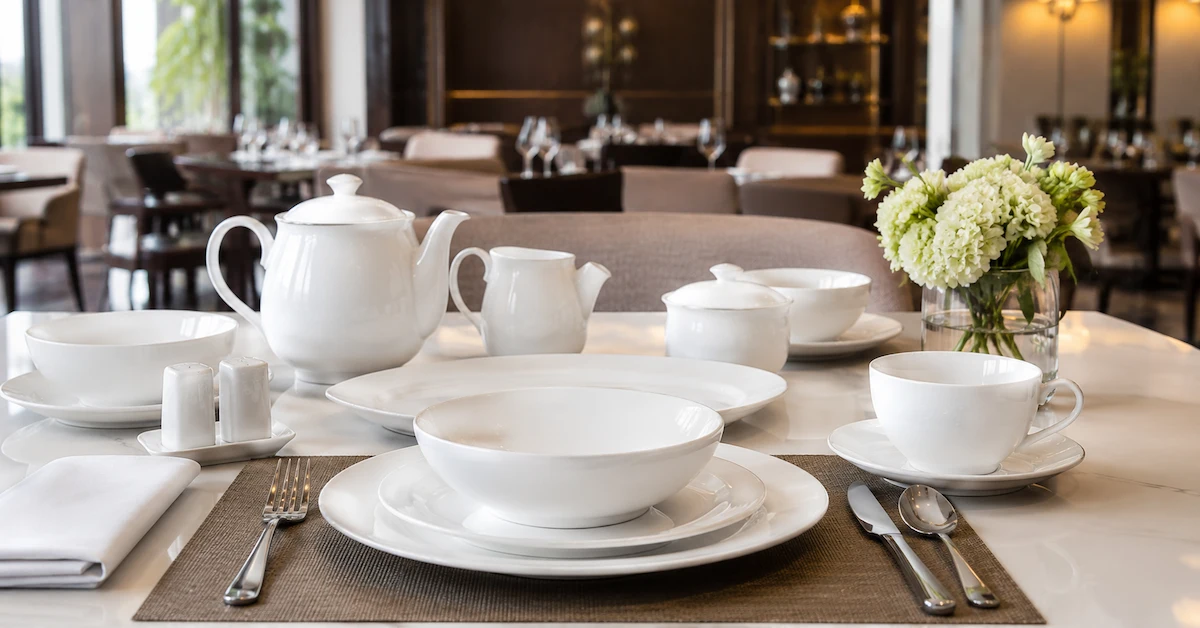
This is the most common application for daily tableware factories. You get high efficiency for large production runs with consistent thickness across all batches. Export ceramic manufacturers particularly benefit from this reliability.
Color Glaze
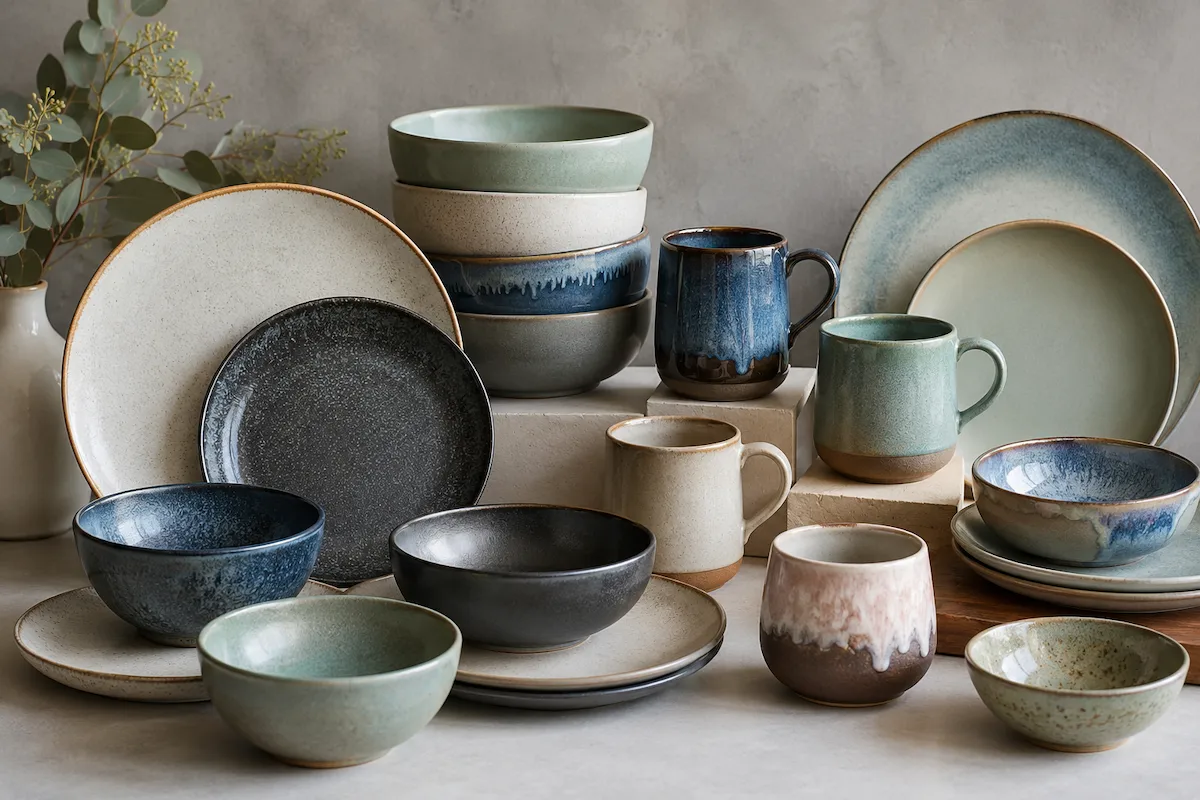
The machine supports multiple color options with easy switching between colors. This works well for brand custom tableware and decorative ceramic products where color consistency matters. You can handle different customer requirements without lengthy changeover times.
Matte Glaze and Reactive Glaze
For special effect finishes, the machine delivers quality results for premium tableware applications. Hotel and restaurant tableware often require these finishes, and high-end market segments demand the consistent quality that automated spraying provides.
Gradient Glaze and Special Effects
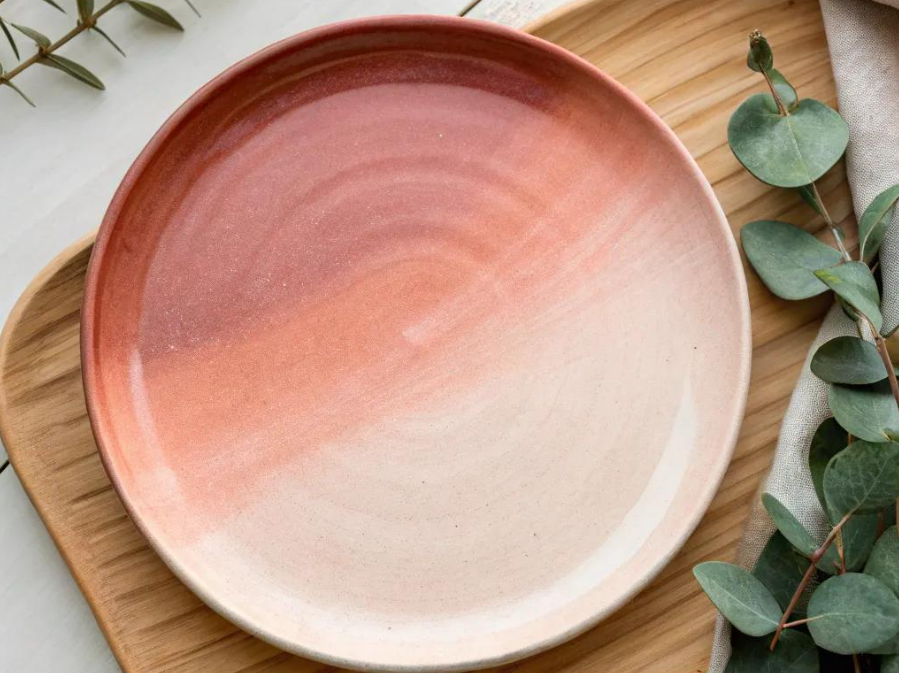
Decorative tableware and artistic ceramic pieces can achieve gradient and special effect finishes. Custom design requirements for brand differentiation are also possible, helping your products stand out in competitive markets.
Capacity Planning: Does It Match Your Production?
Beyond product fit, you need to consider whether the machine's capacity matches your daily production targets.
Daily Production Capacity
For dinner plates in the 25-30cm size range, the machine can process approximately 8,000 to 12,000 pieces per day, depending on operator speed and efficiency. Bowls in the 12-15cm size range can achieve 10,000 to 15,000 pieces daily with continuous operation. Cups and mugs, which include inner surface glazing, typically run at 8,000 to 12,000 pieces per day.
Who Is This Machine Ideal For?
Medium to large ceramic factories with daily output in the 8,000 to 15,000 pieces range will find this machine well-suited to their needs. Export-oriented manufacturers benefit from the consistent quality, and factories upgrading from manual glazing see immediate improvements in efficiency and labor reduction.
When Might You Need Something Different?
Ultra-high volume production exceeding 50,000 pieces per day may require multiple machines or larger spray systems. Very small workshops might find manual glazing more cost-effective for their scale of operations.
Real Factory Scenarios: Who Is Using This Machine?
Daily Tableware Factory
A factory producing dinner plates, rice bowls, and soup bowls in white and transparent glaze runs about 10,000 pieces daily. They chose this machine to replace four manual glazing workers and achieved consistent quality for both domestic and export markets.
Export Ceramic Manufacturer
This manufacturer produces standard dinner sets for European customers using color glaze and reactive glaze finishes. Their daily output is around 12,000 pieces. They needed the machine because brand customers demanded color consistency, and the automated system reduced their rejection rate from 8% to under 2%.
Hotel Tableware Producer
Specializing in custom hotel dinnerware and restaurant tableware with matte glaze and custom colors, this producer runs about 8,000 pieces daily. They chose the 4-station spray glazing machine for its flexible color switching capabilities across different customer projects, with quick setup time between runs.
How to Confirm Your Products Are Compatible
Before making a decision, follow this simple process to get a clear answer.
Step 1 – Prepare your product information
Gather details about your product types and sizes, take photos showing shape and design features, and note your daily production targets.
Step 2 – Share your glaze requirements
List the glaze types you use, the number of color variations you need, and the quality standards you must meet – including thickness and appearance specifications.
Step 3 – Get a personalized recommendation
We will confirm if your products fit the machine, provide capacity calculation based on your specific product mix, and suggest the optimal configuration for your production needs.
Ready to Check Your Product Compatibility?
Send us your product specifications including photos, dimensions, daily production requirements, and current glazing process.
In return, you'll receive compatibility confirmation, capacity calculation for your product mix, and layout suggestions for equipment placement in your factory.
Contact options:
- Send your product drawing for technical review
- Request capacity calculation based on your production targets
- Get layout design for equipment placement
Quick Product Match Checklist
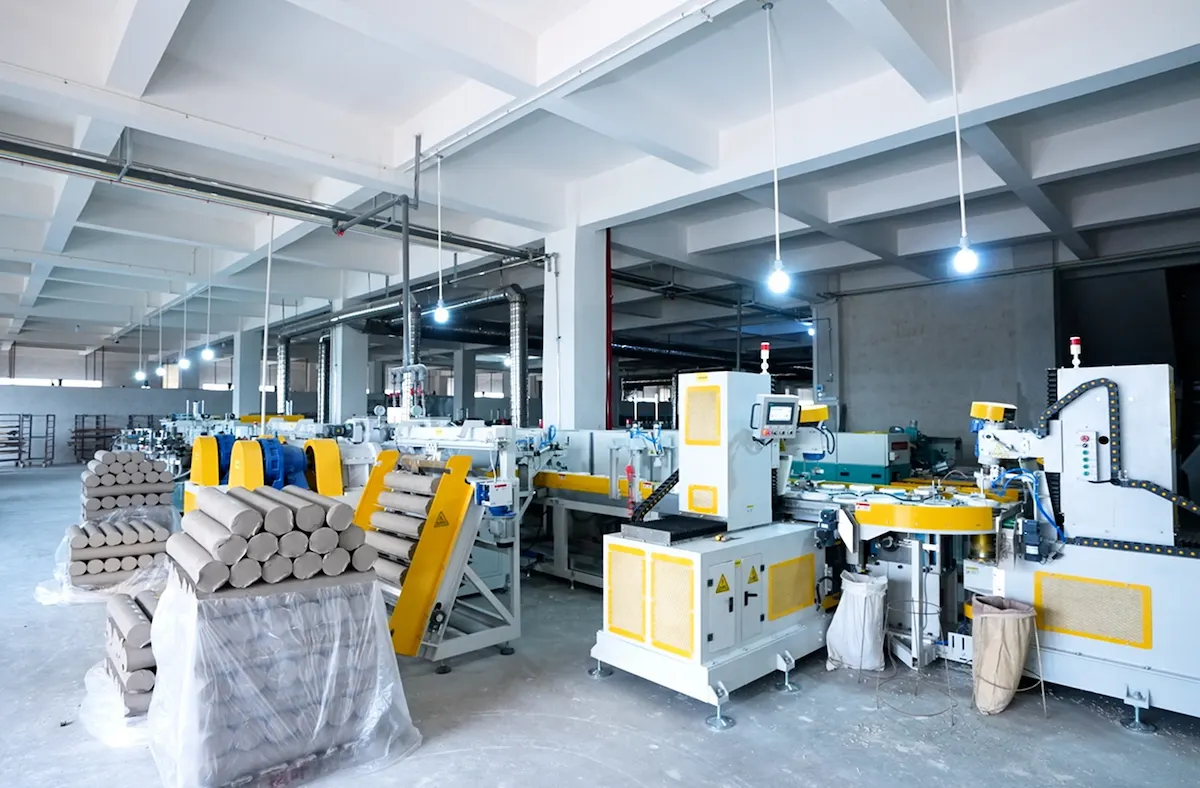
Your products fit the 4-station spray glazing machine if your product diameter is within the machine's station range, your product types are plates, bowls, cups, or saucers, your glaze types include white, color, matte, reactive, or gradient, your daily output falls in the 8,000 to 15,000 pieces range, and your production goal is consistent quality with reduced labor.
Still not sure?
Send us your product size range, daily capacity needs, and glaze types used. We'll give you a clear answer within 24 hours.
HAODA Machinery provides complete ceramic production solutions – from forming to glazing to handling. Explore all our equipment or contact us for a customized production line design.