
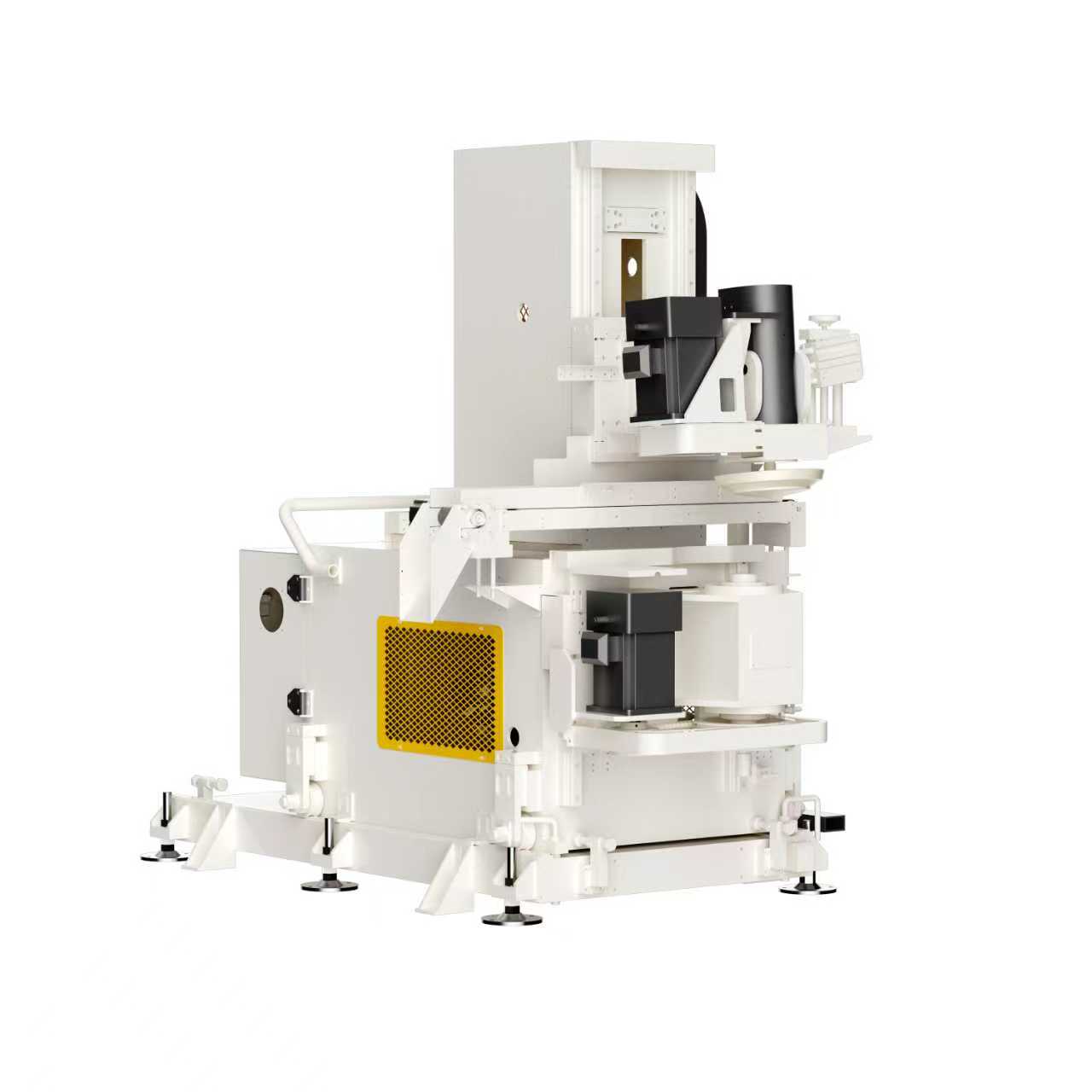
Why Ceramic Production Upgrade Has Become Inevitable
Global demand for high-quality tableware continues to rise, while labor and energy costs also climb.
Many factories still rely on semi-manual forming and glazing, leading to inconsistent quality and high defect rates.
A ceramic production upgrade integrates automation, digital monitoring, and modular machinery to reduce variability and ensure predictable production outcomes.
According to the World Ceramic Industry Council, manufacturers who implemented digital upgrades reported:
-
25–40% improvement in forming precision
-
30% shorter drying and glazing cycles
-
Up to 50% reduction in rework waste
Core Challenges in Legacy Ceramic Production
| Issue | Description | Impact |
|---|---|---|
| Manual Operation | Dependence on skilled labor | Inconsistent product quality |
| Inefficient Layout | Poor synchronization of forming → glazing → firing | Longer cycle times |
| High Energy Use | Outdated kilns and air systems | Elevated operational cost |
| Limited Data Insight | Lack of digital tracking | Difficult to optimize yield |
| Complex Maintenance | Unstandardized equipment | Frequent unplanned downtime |
A ceramic production upgrade directly addresses these problems by replacing fragmented processes with integrated digital control.
Key Elements of a Successful Ceramic Production Upgrade
1. Automated Forming and Glazing Integration
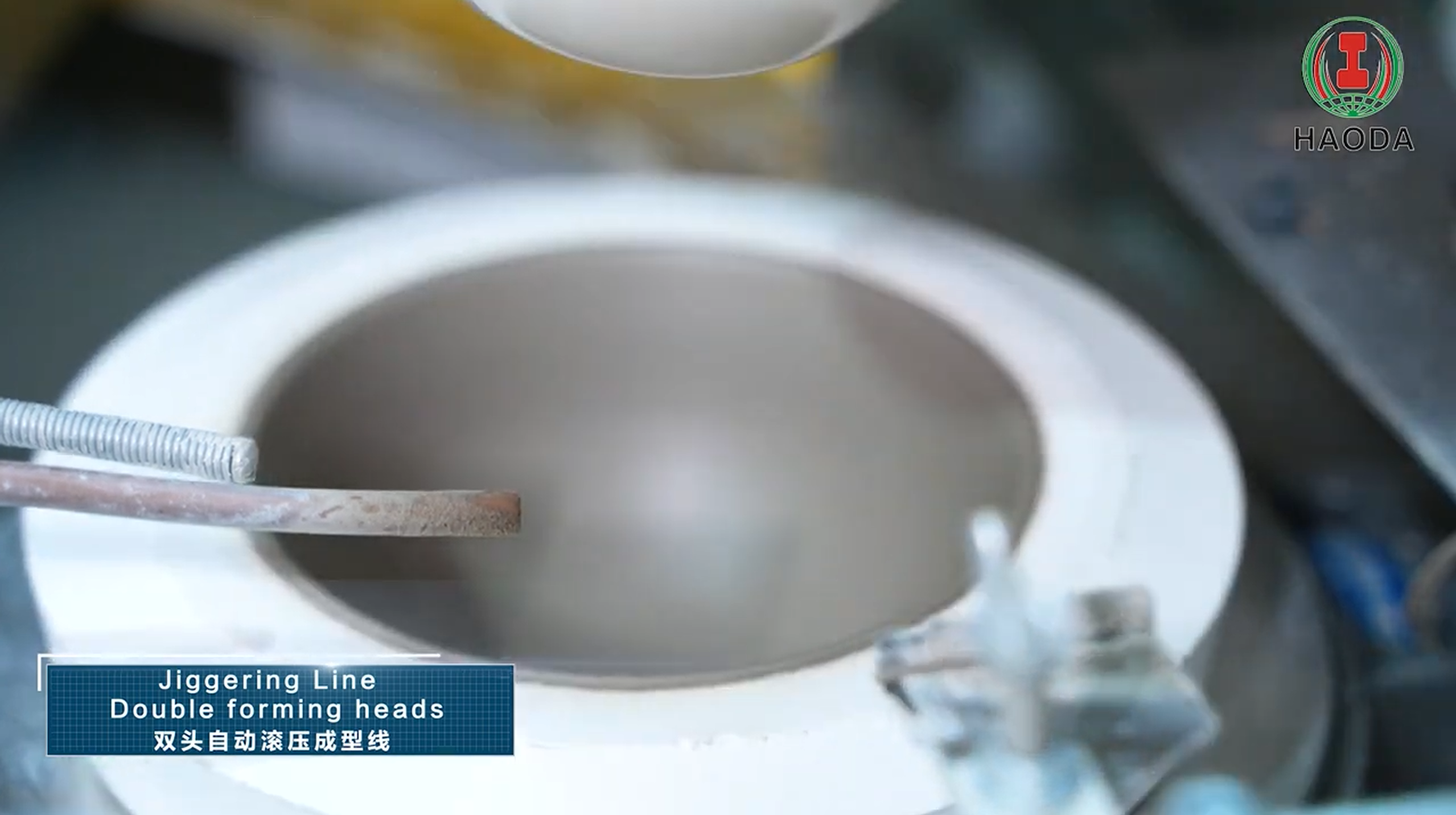
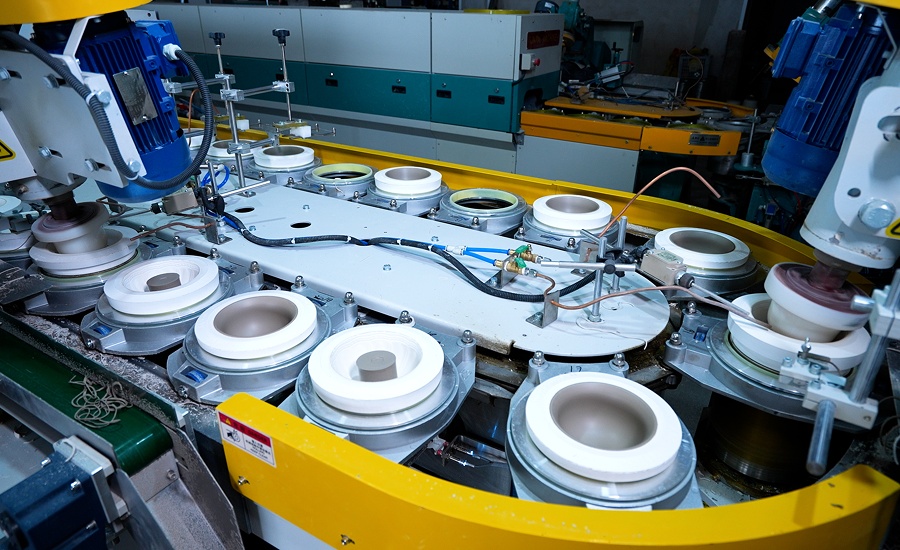
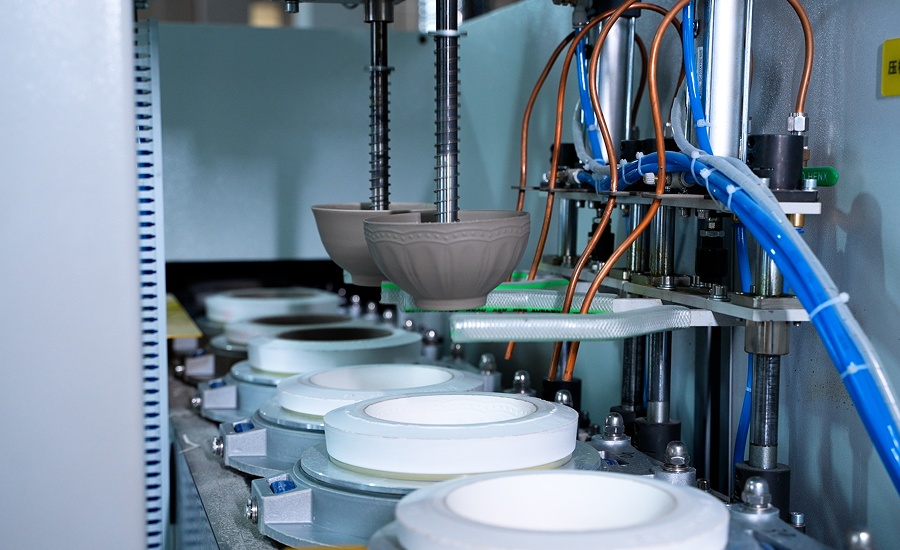
Modern forming systems—such as high-pressure casting, roller forming, and servo-controlled spray glazing—enable uniform ware geometry and coating.
Upgrading to synchronized automation improves throughput by 30–50% and drastically reduces human error.
2. Digital Process Control (PLC + MES)
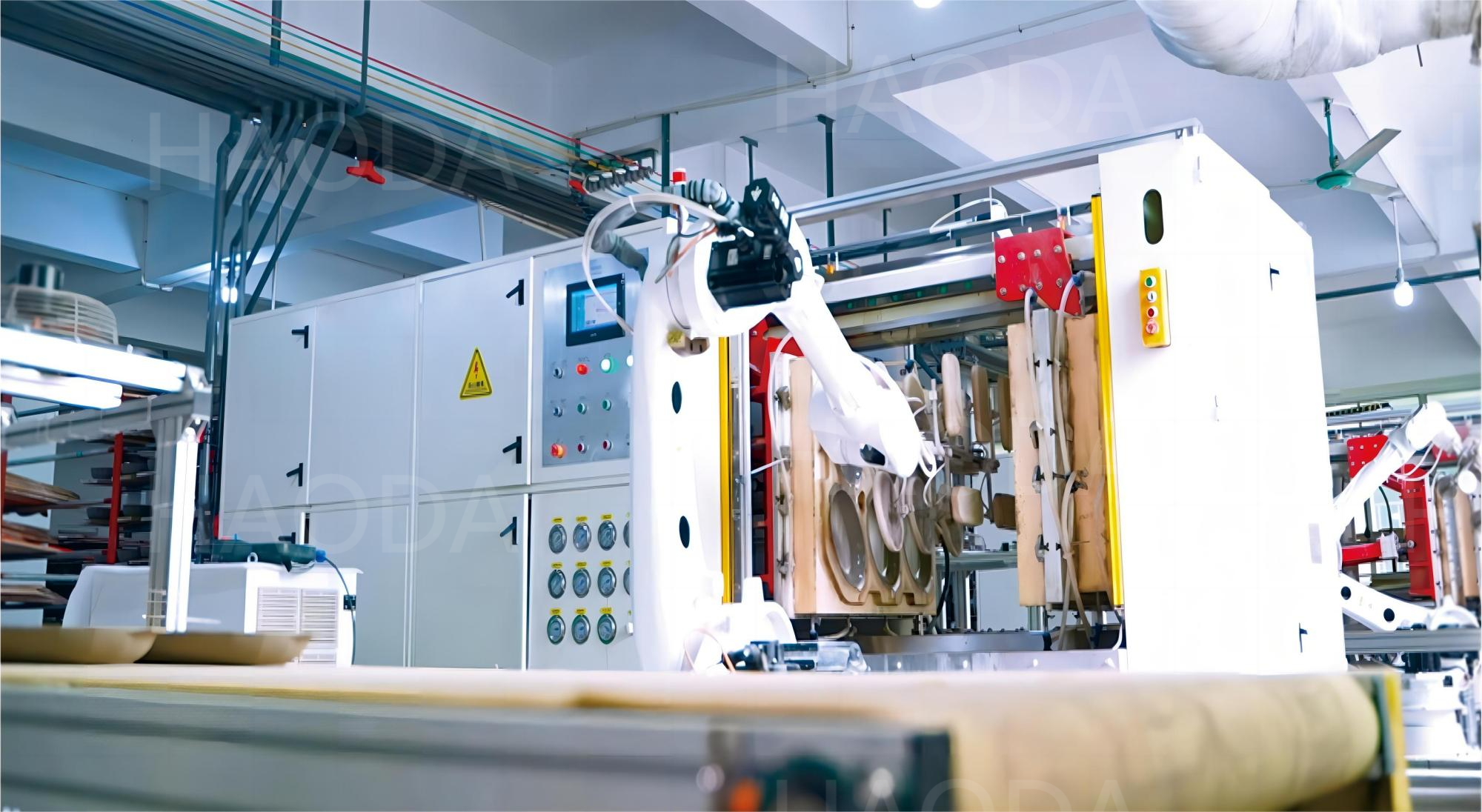
A centralized PLC controls forming, drying, and glazing units, while MES platforms log real-time production data.
This digital layer provides instant visibility into machine status, material usage, and output rates.
| Control Layer | Function | Advantage |
|---|---|---|
| PLC System | Real-time mechanical control | Precision and consistency |
| MES Platform | Production data and scheduling | Traceability and optimization |
| HMI Interface | Operator access to parameters | User-friendly interaction |
3. Energy Optimization and Sustainability
Advanced systems use heat recovery tunnels, inverter drives, and moisture balancing to lower energy intensity.
Recycling hot air in drying zones can cut thermal load by up to 22%, while variable-frequency servo drives reduce electricity consumption by 15%.
These features make a ceramic production upgrade both economically and environmentally viable.
ROI Analysis: The Business Logic Behind Upgrading
| Metric | Before Upgrade | After Upgrade | Improvement |
|---|---|---|---|
| Unit Output | 1× baseline | 1.8× | +80% |
| Scrap Rate | 6–8% | 2–3% | -60% |
| Labor Dependence | High | Low | -50% |
| Energy Cost | 100% baseline | 75% | -25% |
| ROI Period | 3 years | 1.5 years | Faster payback |
By modernizing key production steps, factories achieve faster ROI while enhancing product reputation through consistency and finish quality.
Case Studies: Modernization in Practice
Haoda Machine has implemented ceramic production upgrade solutions in multiple international facilities:
-
Vietnam: Full-forming automation line integrating roller forming + automated glazing, increasing yield by 42%.
-
Turkey: High-pressure casting upgrade for bone china, reducing mold wear frequency by 30%.
-
Saudi Arabia: Digital MES-based plant revamp improving traceability and order responsiveness.
-
Poland: Compact studio upgrade using modular forming cells for design flexibility and short-run production.
These examples illustrate how modernization adapts to different scales—from large OEM factories to smaller creative workshops.
How Haoda Machine Supports Your Upgrade
Haoda Machine provides comprehensive modernization solutions covering mechanical, electrical, and digital layers:
-
Equipment Retrofit: Replace or integrate new forming and glazing systems.
-
Line Synchronization: Connect drying, printing, and firing stages into a seamless flow.
-
Data Intelligence: Deploy PLC + MES architecture for full production visibility.
-
Energy Audit & Optimization: Identify savings potential through heat recovery and servo control.
-
Operator Training & After-Sales Support: On-site and remote assistance to ensure performance continuity.
With deep experience across more than 30 ceramic production projects, Haoda’s engineering team ensures that each ceramic production upgrade is technically sound, cost-efficient, and scalable.
Ready to Begin Your Ceramic Production Upgrade?
A successful upgrade is not only about faster machines—it’s about smarter factories built for the future.
With modular automation, real-time data monitoring, and sustainable energy systems, Haoda Machine helps ceramic manufacturers achieve measurable progress in both efficiency and quality.
If you’d like to explore more about our intelligent production solutions and project cases, visit Haoda Machine’s official homepage to see how we’re transforming the global ceramic industry.
For detailed technical consultation or to discuss your specific upgrade plan, feel free to contact our engineering team directly—we’ll provide a tailored modernization proposal based on your current production conditions and goals.