
Plaster Mould Wear in Roller Forming Process: FAQs
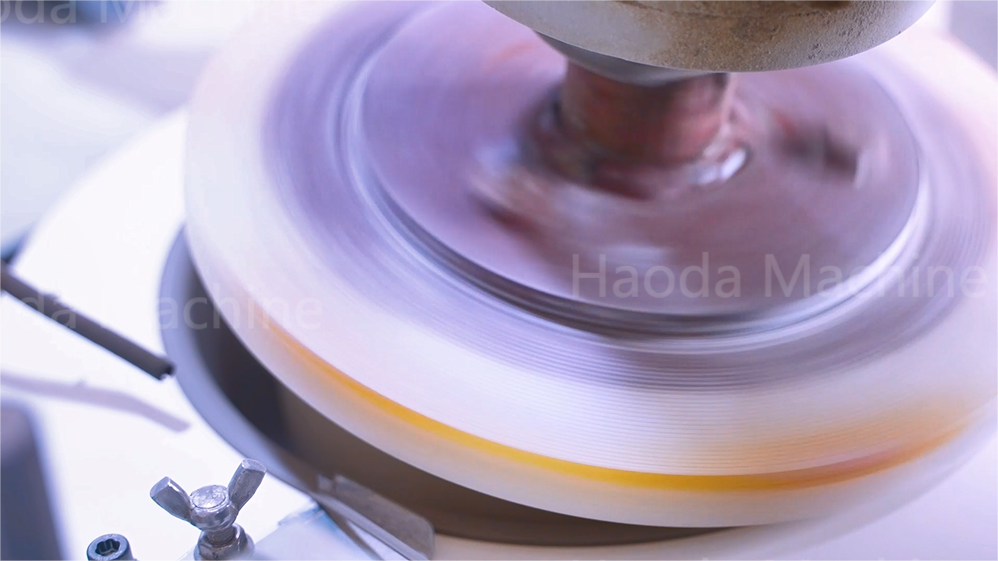
FAQ1 | Why do plaster moulds wear out so quickly in roller-head forming?
Plaster moulds wear quickly in roller-head forming mainly due to uneven roller-head contact, excessive forming pressure, or poor plaster quality. These factors increase surface friction and accelerate plaster erosion beyond normal wear rates.
FAQ2|Is plaster mould wear normal in roller-head forming?
Yes, some mould wear is inevitable. However, premature or uneven wear is not normal and usually indicates problems with roller-head design, machine parameter settings, or plaster preparation rather than natural consumption.
FAQ3|How does roller-head design affect plaster mould lifespan?
Roller-head geometry, surface finish, and alignment directly influence mould wear. Incorrect geometry or rough surfaces create localized pressure and abrasion, causing plaster moulds to deteriorate much faster during continuous forming cycles.
FAQ4|Does forming pressure reduce plaster mould life?
Yes. Excessive forming pressure significantly shortens plaster mould lifespan by increasing friction, reducing mould porosity, and accelerating surface breakdown. Proper pressure optimization can extend mould life by 20–40%.
FAQ5|Why does over-tightening the roller head damage plaster moulds?
Over-tightening concentrates force on specific contact areas instead of distributing pressure evenly. This leads to localized plaster collapse, micro-cracking, and rapid surface wear, especially on mould edges and profiles.
FAQ6|How important is plaster quality in roller-head forming?
Plaster quality is critical. Low-density plaster, incorrect mixing ratios, or uneven curing produce soft moulds that cannot withstand rolling pressure, resulting in fast deterioration even under correct machine settings.
FAQ7|Can improving plaster preparation really double mould life?
In many cases, yes. Optimizing plaster purity, water-to-plaster ratio, slurry aging, and curing conditions can significantly increase mould hardness and stability, often doubling usable mould cycles in production.
FAQ8|What parameters should be checked first when mould wear is excessive?
The first parameters to check are forming pressure, roller-head alignment, roller-head surface condition, and forming speed or dwell time. These factors most commonly cause abnormal mould wear when incorrectly set.
FAQ9|Is plaster mould wear caused by the machine or the plaster?
Plaster mould wear is usually a system-level issue, not a single component fault. It results from the combined interaction of machine design, operating parameters, and plaster quality.
FAQ10|How can manufacturers reduce plaster mould wear in practice?
Manufacturers can reduce mould wear by using properly designed roller heads, optimizing forming pressure and speed, maintaining consistent plaster mixing and curing standards, and avoiding excessive pressure to compensate for material issues.
FAQ11|Can machine optimization reduce overall production costs?
Yes. Reducing mould wear lowers tooling replacement frequency, downtime, and scrap rates, directly reducing total production cost while improving forming consistency.
FAQ12|When should a technical evaluation be considered?
A technical evaluation is recommended when moulds wear prematurely or unevenly, product profiles become unstable, or operators must continuously increase forming pressure to maintain shape.