
High Pressure Casting Machine for Ceramic Production: Efficiency for Modern Ceramic Plants
The Hidden Cost of Manual Ceramic Casting
Manual slip casting remains common in traditional ceramic workshops, yet it carries substantial inefficiencies. Each product cycle can take 3–5 hours, and wall thickness deviations of ±1.2 mm often lead to rejection or rework.
By contrast, pressure-assisted systems maintain consistent casting under controlled air pressure, shortening the production cycle to 8–15 minutes per mold.
According to the American Ceramic Society, over 65% of new tableware factories established since 2020 have adopted pressure casting systems to combat labor shortages and energy costs. The move is especially evident in Asia and Latin America, where industrial energy tariffs continue to rise.
How High Pressure Casting Improves Speed and Quality
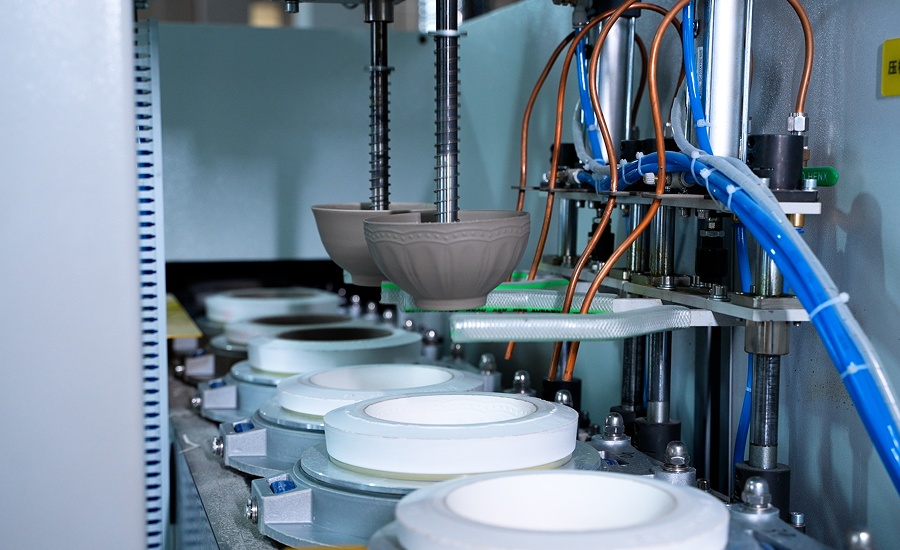
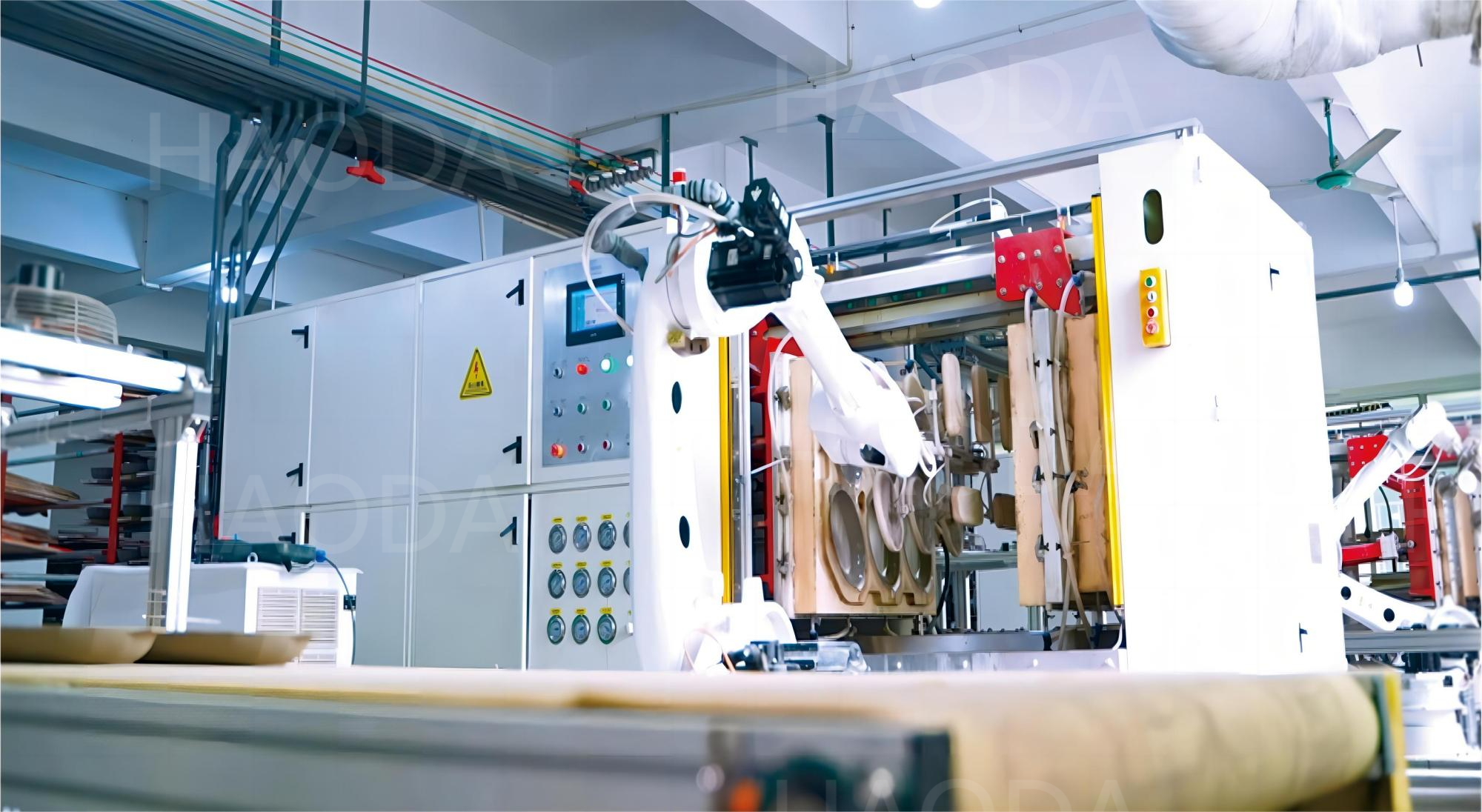
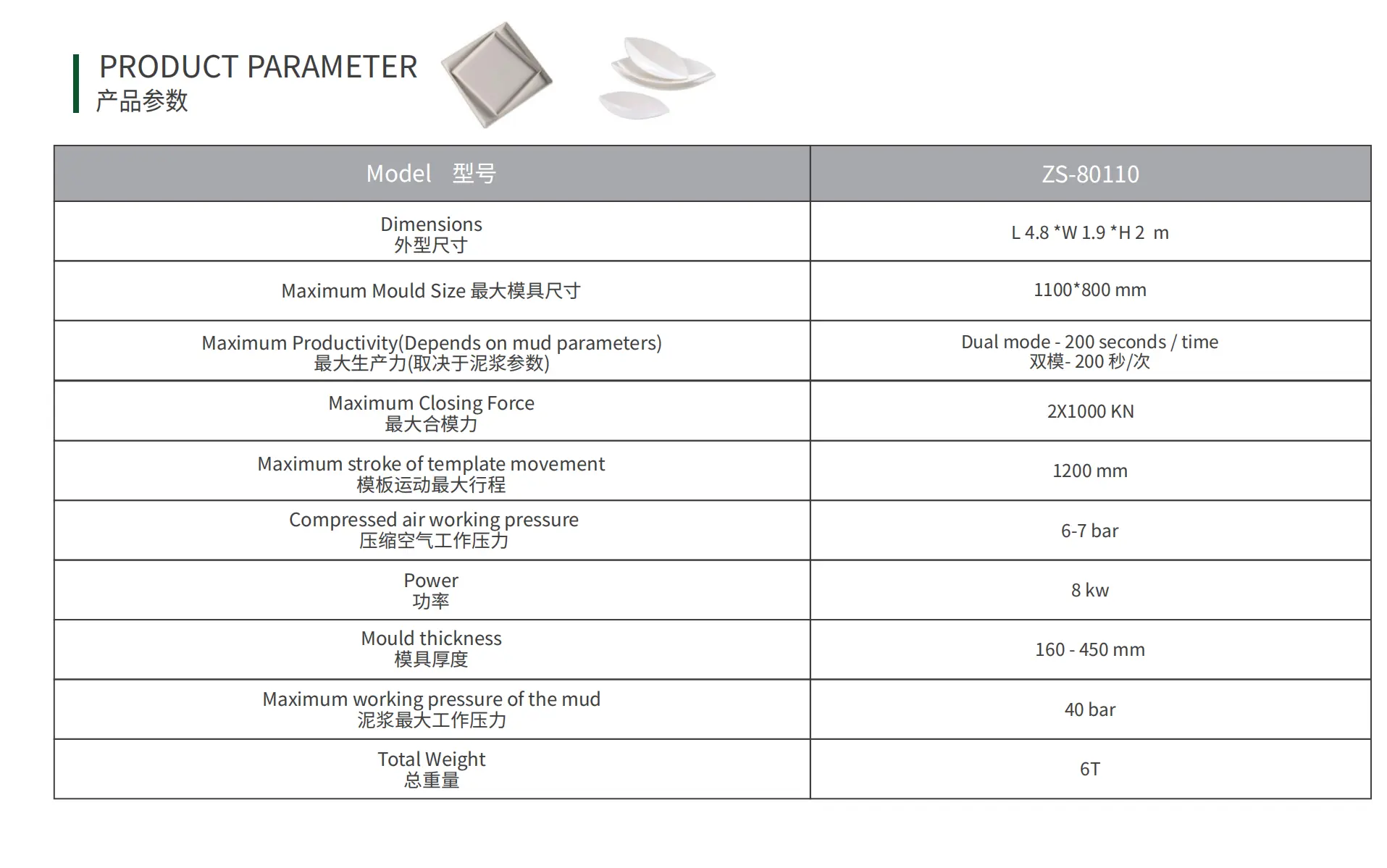
Haoda’s high pressure casting machine uses compressed air (0.6–1.2 MPa) to inject ceramic slip evenly into porous molds. The process ensures rapid water absorption and uniform wall formation. Key mechanisms include:
| Function | Traditional Slip Casting | High Pressure Casting | Efficiency Gain |
|---|---|---|---|
| Casting Time | 180–300 min | 8–15 min | 95% faster |
| Wall Thickness Variation | ±1.2 mm | ±0.2 mm | 83% improvement |
| Operator Requirement | 4–6 workers | 1 operator | 70% labor reduction |
| Defect Rate | 8–12% | 3–5% | 50% fewer rejects |
| Water Usage | 100% baseline | 60–70% baseline | 30–40% savings |
Data based on Haoda Machine production benchmarking with mid-size tableware factories, 2024.
Technical Features Behind Stable Production
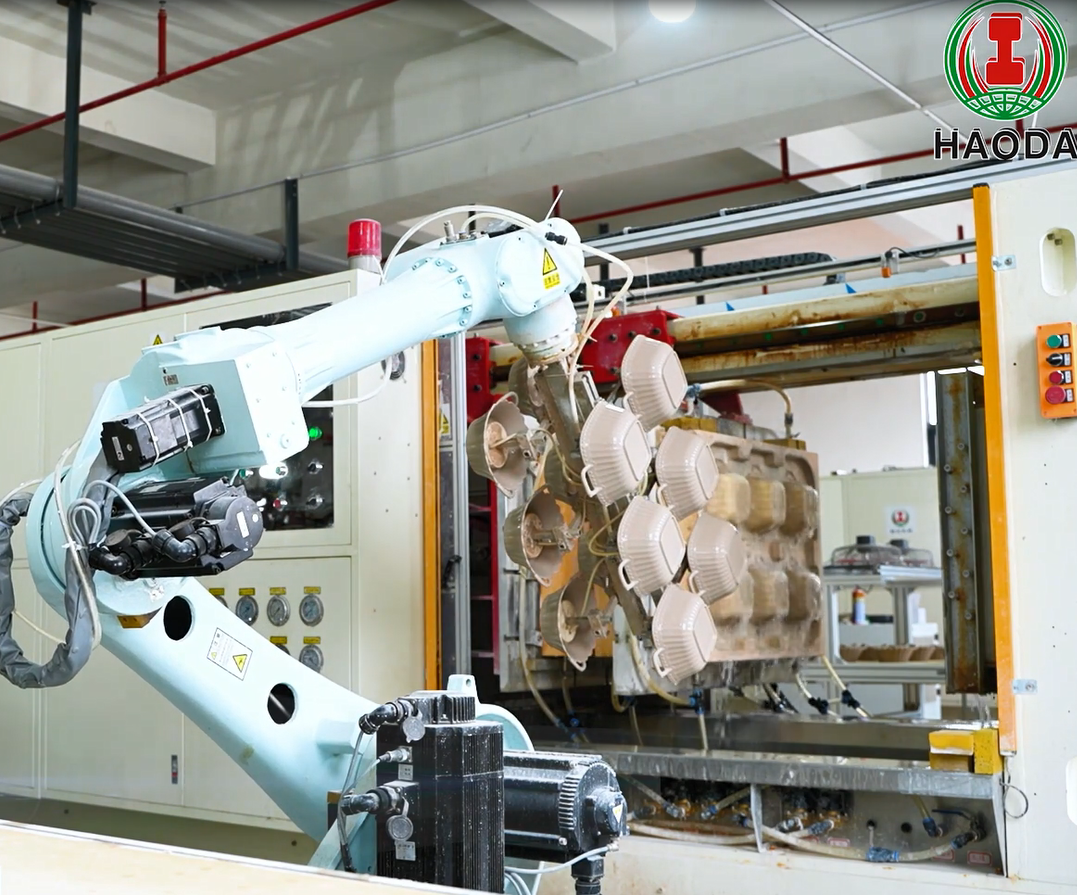
Haoda’s high pressure casting systems are built for industrial-grade consistency:
-
Pressure Regulation System: Maintains exact mold pressure with 0.01 MPa accuracy.
-
Quick Mold Locking Mechanism: Enables mold change within 3–5 minutes.
-
Automatic Demolding System: Reduces operator contact and cycle downtime.
-
PLC Synchronization: Controls filling, solidification, and release sequences precisely.
-
Modular Configuration: Available in single- or double-head versions for scalability.
Each machine is tested for >98% uptime under 24-hour continuous production, making it ideal for both tableware and sanitary ceramics.
ROI and Real-World Case Studies
Recent field data published by Industrial Automation World demonstrate the measurable gains of pressure casting adoption.
For a 10-line tableware factory (daily output ~12,000 pcs):
| Parameter | Before Upgrade (Manual) | After Haoda Upgrade | Improvement |
|---|---|---|---|
| Daily Output | 12,000 pcs | 18,000 pcs | +50% |
| Defect Rate | 10.8% | 4.3% | -60% |
| Labor Required | 48 workers | 26 workers | -46% |
| Annual Labor Cost | USD 210,000 | USD 115,000 | -45% |
| ROI Period | — | 15–18 months | — |
Conclusion: The payback period is typically under 1.5 years, driven by labor savings and yield improvement.
Customers in Southeast Asia and Europe reported production stability increases of 30–40% after adopting Haoda’s system.
Integration with Complete Ceramic Lines
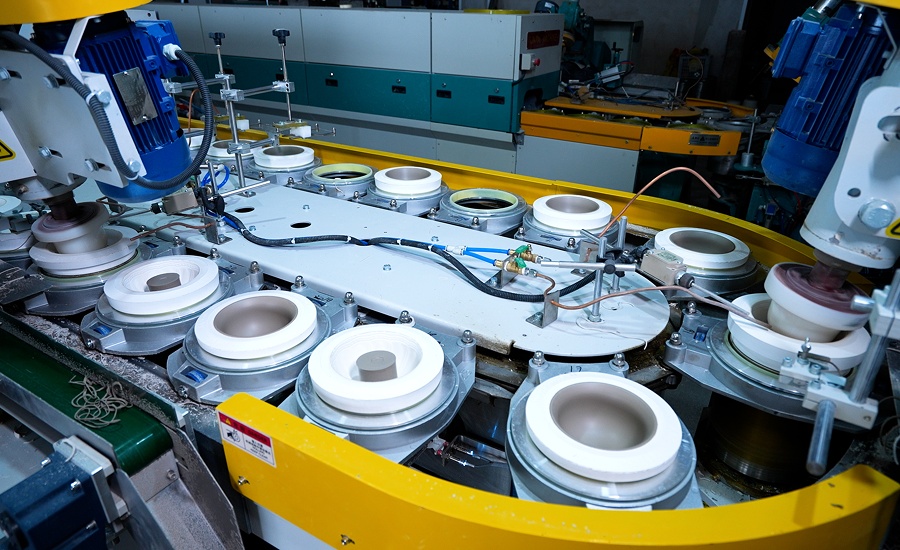
Haoda’s casting equipment can serve as a standalone unit or integrate seamlessly into an automated forming–glazing–drying line. The modular structure supports:
-
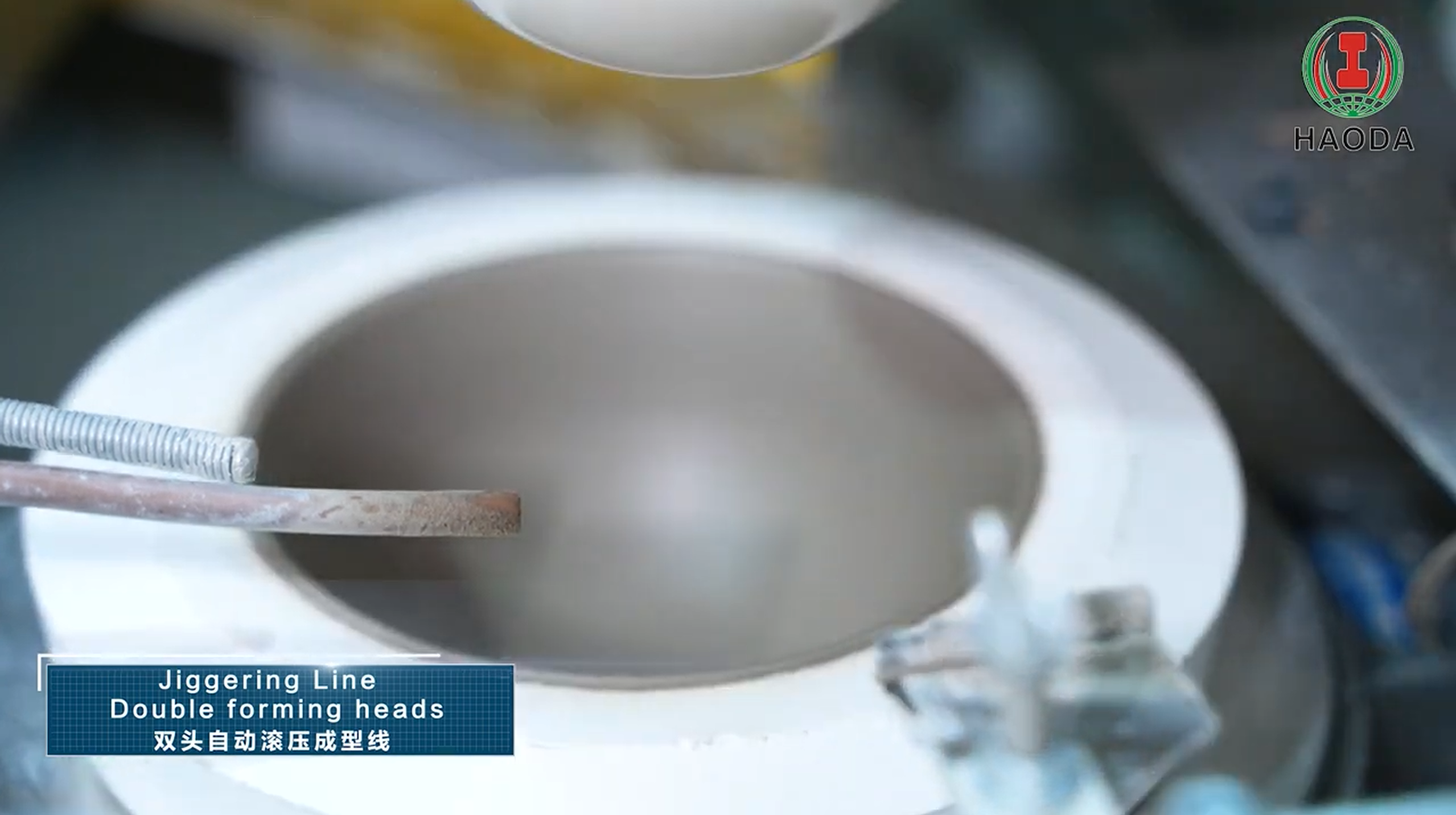
Connection to roller forming or jiggering systems for pre-shaping.
-
Integration with automatic glazing lines for full process continuity.
-
Synchronization with drying tunnels and inspection conveyors for final quality control.
This integration allows factories to convert traditional batch-based workflows into continuous flow production, increasing throughput without expanding factory space.
Environmental and Energy Advantages
Energy efficiency is increasingly critical in ceramic manufacturing. Haoda’s system reduces both thermal and electrical consumption by minimizing drying time and optimizing mold reusability.
Testing conducted in 2024 under ISO 10545 standards confirmed:
-
Water reduction: up to 40% per casting cycle
-
Energy savings: 18–22% vs. manual slip casting
-
Wastewater discharge: reduced by 25% through controlled slip recycling
These results align with the sustainability goals of the Energy Efficiency Council, supporting greener ceramic production worldwide.
Installation, Training, and Long-Term Support
Each Haoda pressure casting unit includes:
-
Pre-installation site layout consulting
-
On-site commissioning & calibration
-
Operator training with detailed pressure curve tuning
-
Remote diagnostics & spare parts supply
Haoda’s engineering team assists clients from equipment design to after-sales optimization, ensuring stable performance over years of operation.
Learn more about the complete range of forming and glazing systems on the Haoda Machine website, or contact our experts for a tailored project proposal.