
Rising Demand for Multi-Color Printing in Tableware Manufacturing
Modern tableware design is no longer limited to simple monochrome logos or text.
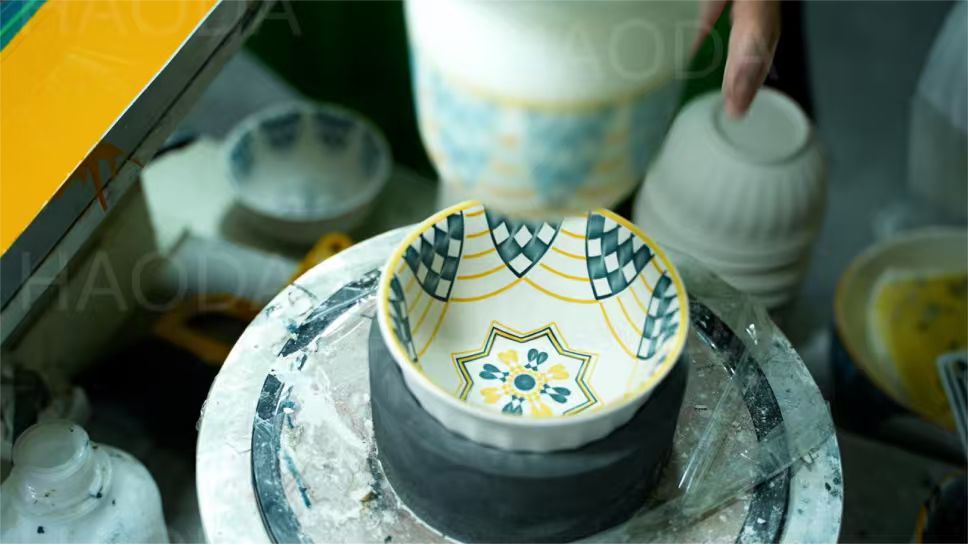
Retail and hospitality brands increasingly demand vibrant, multi-tone decorative patterns that can withstand firing temperatures and daily use.
Traditional single or dual-color systems cannot meet these creative requirements without multiple manual steps.
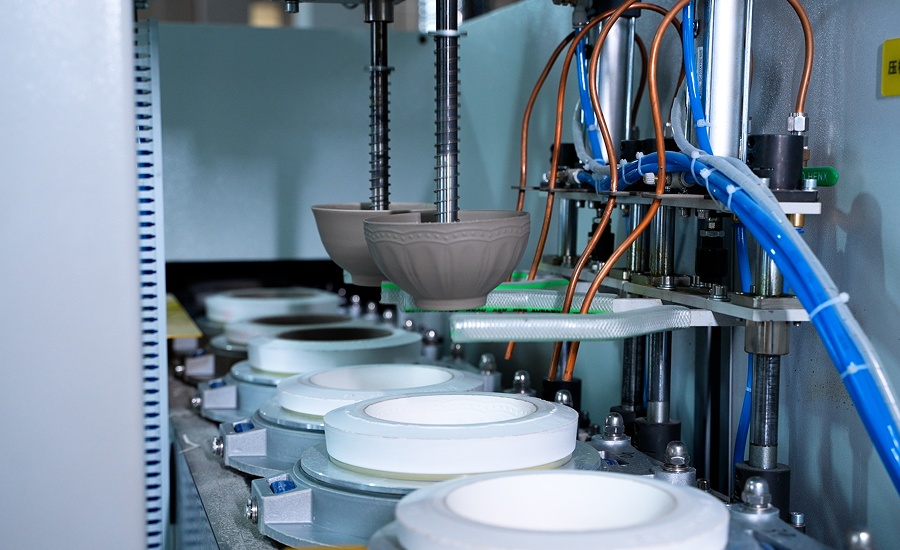
The four color pad printing system solves this by combining four synchronized ink cups and precision servo-controlled pads, capable of producing multi-color overlays in one automated cycle.
According to the Ceramic Industry Association, multi-color pad printing has driven a 60% increase in production flexibility among mid-size manufacturers between 2022–2024, allowing them to expand product portfolios without extending production time.
How the Four-Color Pad Printing System Works
The system automates multi-color decoration with a focus on perfect registration and fast changeover.
Process Workflow
-
Ink Preparation: Four sealed ink cups are loaded with pre-mixed colors.
-
Engraved Printing Plates: Each color’s design is etched into separate cliches.
-
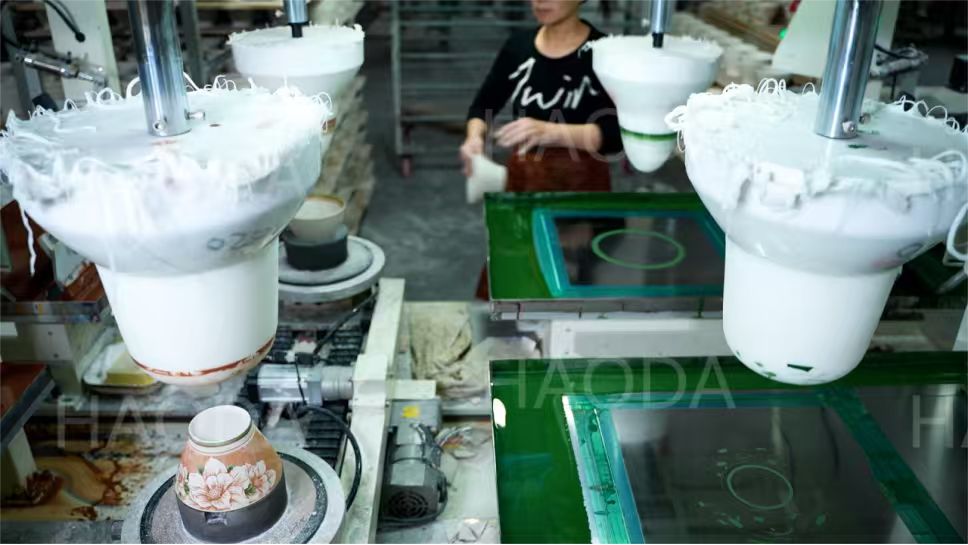
Pad Pickup and Transfer: Silicone pads collect ink sequentially and apply it to the ceramic surface.
-
Optical Registration Sensors: Monitor each overlay to ensure sub-0.05 mm precision.
-
Curing and Drying: Rapid-drying modules stabilize inks between cycles to prevent bleeding.
The cycle time averages 12–15 seconds per item, achieving 1,200–1,600 pieces per hour, depending on pattern complexity and color density.

Quantified System Performance
| Metric | Conventional Single-Color Printer | Four-Color Automatic System | Improvement |
|---|---|---|---|
| Output (pcs/hour) | 700–900 | 1,400–1,600 | +90% |
| Alignment Accuracy | ±0.20 mm | ±0.05 mm | +75% |
| Color Overlap Defects | 7% | 2% | -71% |
| Setup Time | 40 min/change | 15 min/change | -63% |
| Operator Requirement | 3 | 1 | -67% |
| ROI Period | — | 12–14 months | — |
Performance verified in production tests from Asian and European ceramic plants (2024).
Core Engineering Features
-
Four Sealed Ink Cups: Prevent solvent loss and maintain ink stability during long runs.
-
Servo-Guided Pad Carriage: Ensures synchronized pad motion across all color channels.
-
Optical Alignment and Vision Feedback: Automatically corrects micro-offsets during printing.
-
Multi-Position Worktable: Allows simultaneous printing of multiple items.
-
PLC Touchscreen Control: Stores up to 150 product profiles with one-touch changeover.
-
Eco-Ink Recirculation System: Reduces ink waste by up to 30% and simplifies cleaning.
Each component is optimized for high-speed precision printing, supporting both under-glaze and over-glaze ceramic decoration.
Solving Key Industry Pain Points
1. Alignment Precision for Multi-Color Layers
Maintaining precise color registration across curved plates and bowls is one of the biggest challenges in ceramic decoration.
The four color system uses optical sensors and servo feedback to maintain perfect overlay accuracy, even during high-speed runs.
2. Reduced Downtime and Faster Changeovers
Quick plate-exchange and ink-loading mechanisms minimize idle time, allowing manufacturers to switch between designs in under 15 minutes.
3. Color Consistency and Ink Efficiency
Closed ink cups ensure consistent viscosity throughout production. The built-in filtration system eliminates impurities that cause color shifts.
4. Sustainable Operation
Using solvent recovery modules, factories reduce VOC emissions by up to 25%, meeting EU REACH and ISO 14001 environmental standards.
ROI and Cost Impact
| Factor | Traditional Printing | Four-Color System | Improvement |
|---|---|---|---|
| Labor Cost | USD 130,000/year | USD 75,000/year | -42% |
| Ink Waste | 10–12% | 4–5% | -60% |
| Energy Consumption | 100% baseline | 85% baseline | -15% |
| Scrap/Defect Rate | 9% | 3% | -67% |
| ROI Payback | — | 13 months | — |
Data compiled from multi-color automation pilot projects, 2024.
With precise overlay control and reduced material loss, the four color system provides both aesthetic and financial advantages for factories focused on high-value decorative ware.
Integration with Complete Ceramic Production Lines
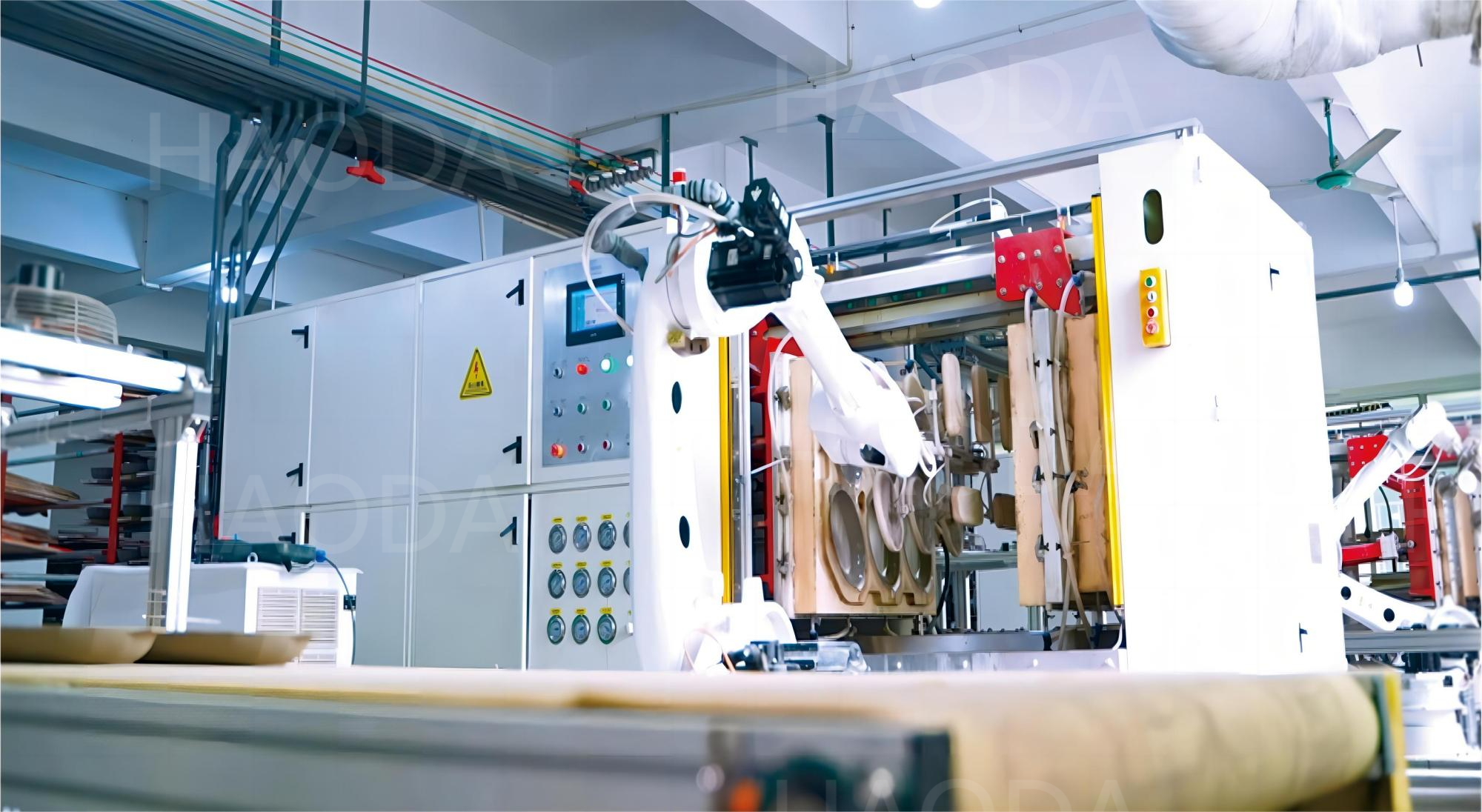
The four color pad printing module can be integrated into fully automated decoration cells, including:
-
Automatic Loading & Positioning Arms – for seamless product transfer.
-
Pre-Glazing and Firing Stages – for both pre-fired and post-fired decoration.
-
Optical Inspection Cameras – verifying color accuracy and design registration.
This integration enables a continuous decoration workflow, improving output by up to 2.5× compared to isolated setups.
Environmental and Compliance Advantages
According to the Energy Efficiency Council, integrated ink recovery and servo-driven pad systems can lower overall power usage by 20–25%, while improving air quality in production halls.
The machine’s enclosed design also reduces glaze particle dispersion and maintains a cleaner, safer workspace—critical for export-certified manufacturing facilities.
Implementation and Support
Typical installation requires 5 weeks, including calibration, operator training, and production testing.
The company provides complete after-sales services, including spare parts, remote diagnostics, and on-site technical optimization.
To request a demonstration or discuss custom design integration, visit Haoda Machine or contact our technical team.