
The Role of Jiggering Lines in Ceramic Tableware Production
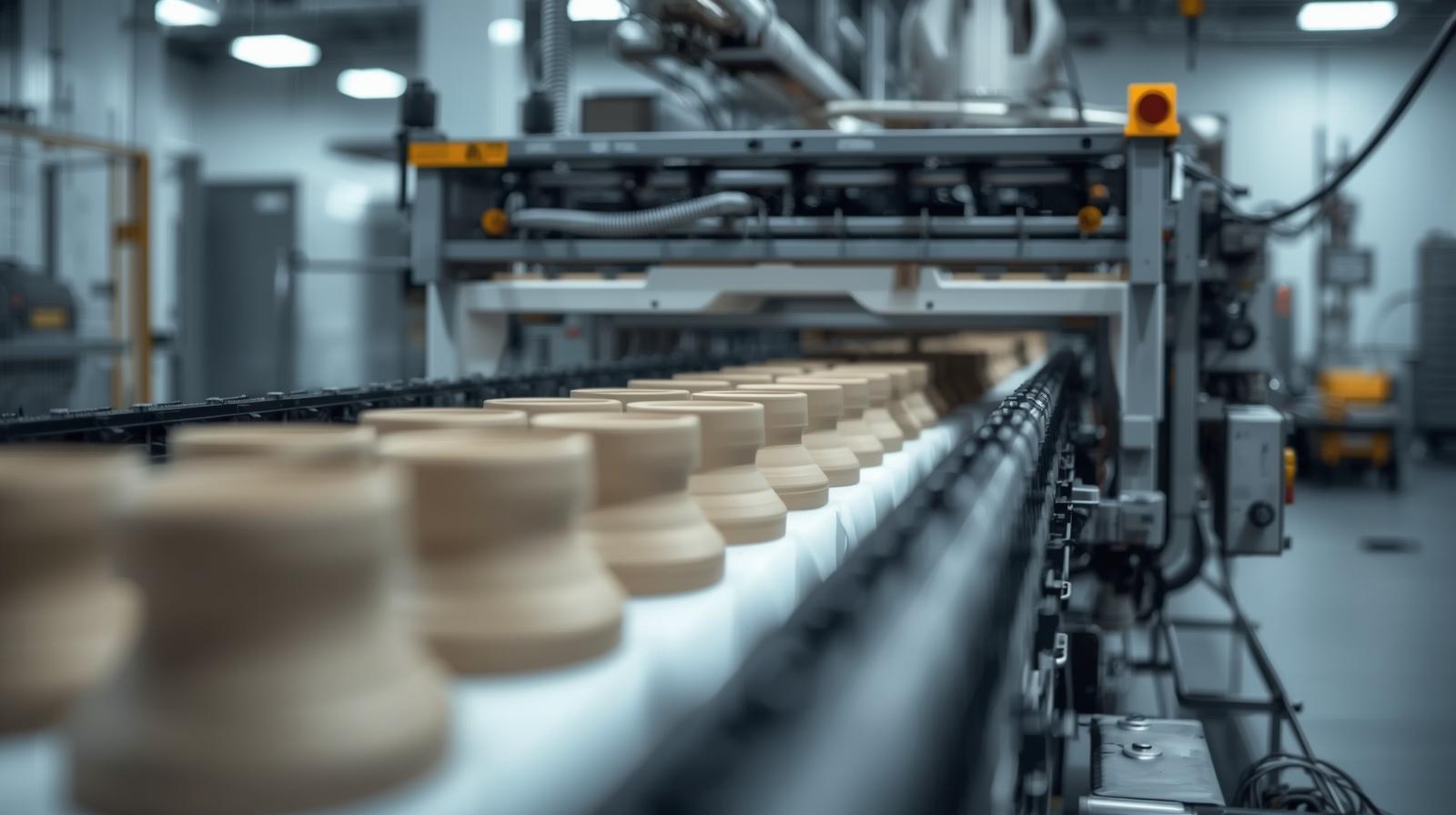
Jiggering remains one of the most widely used forming methods in the tableware industry, known for its high precision and smooth surface finish.
However, conventional single-head jiggering machines often limit throughput and require frequent manual adjustments.
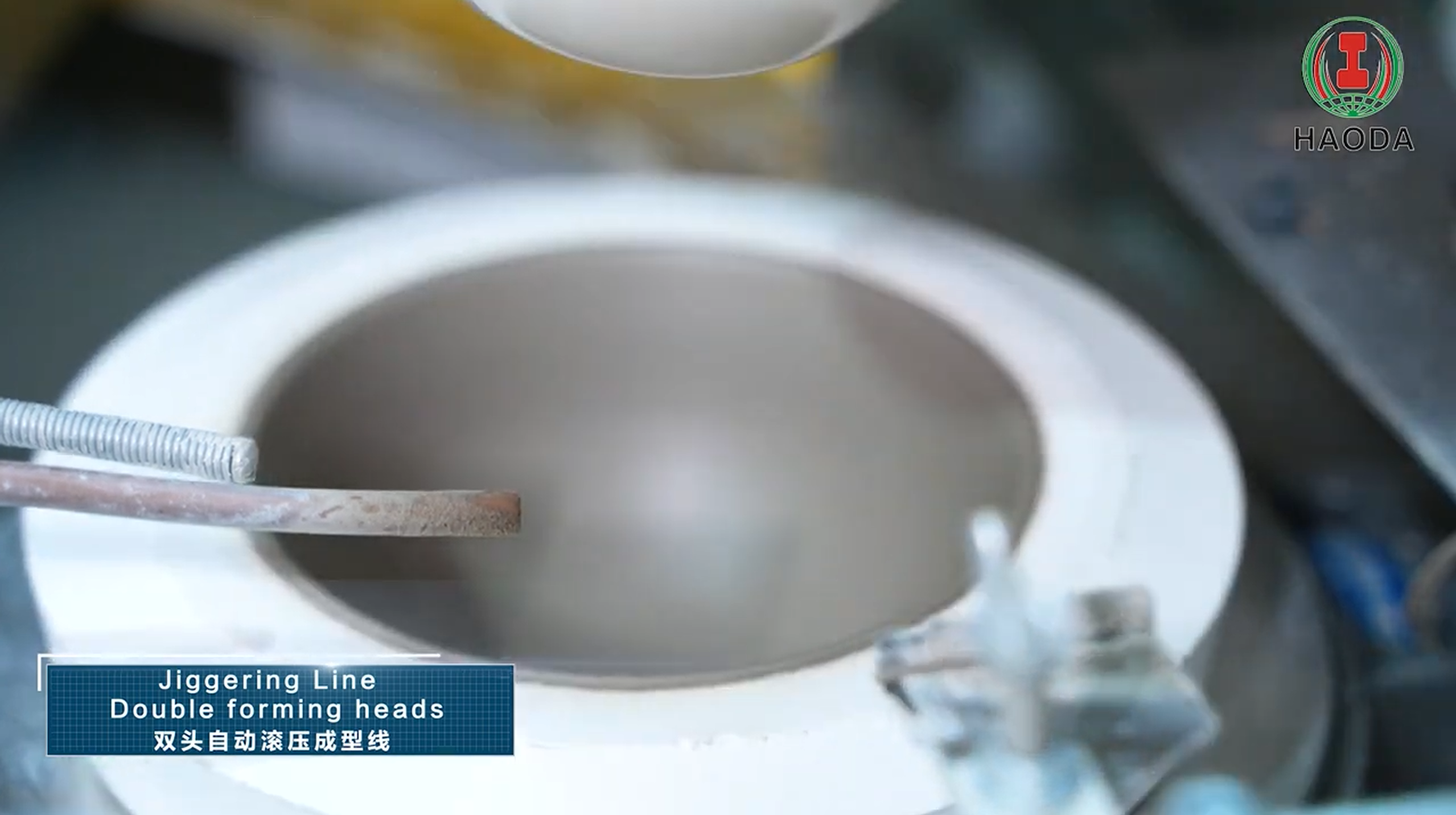
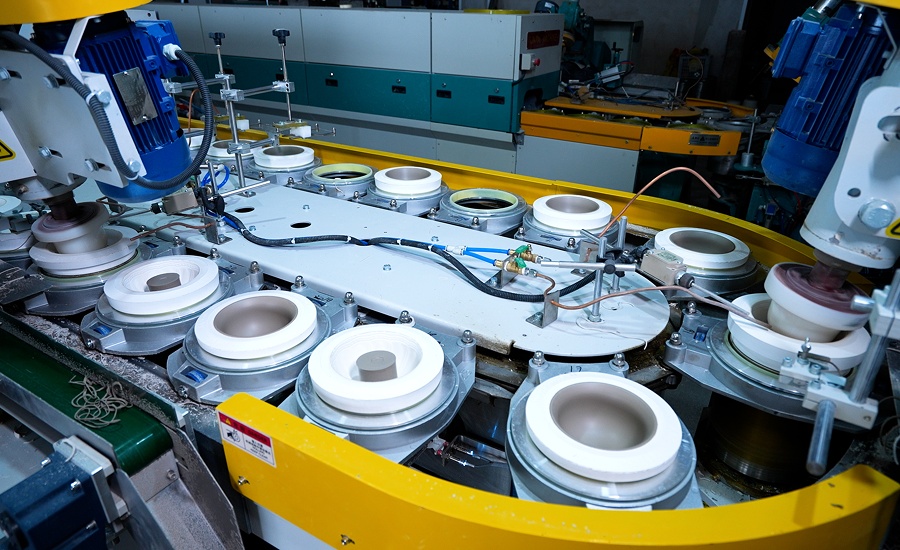
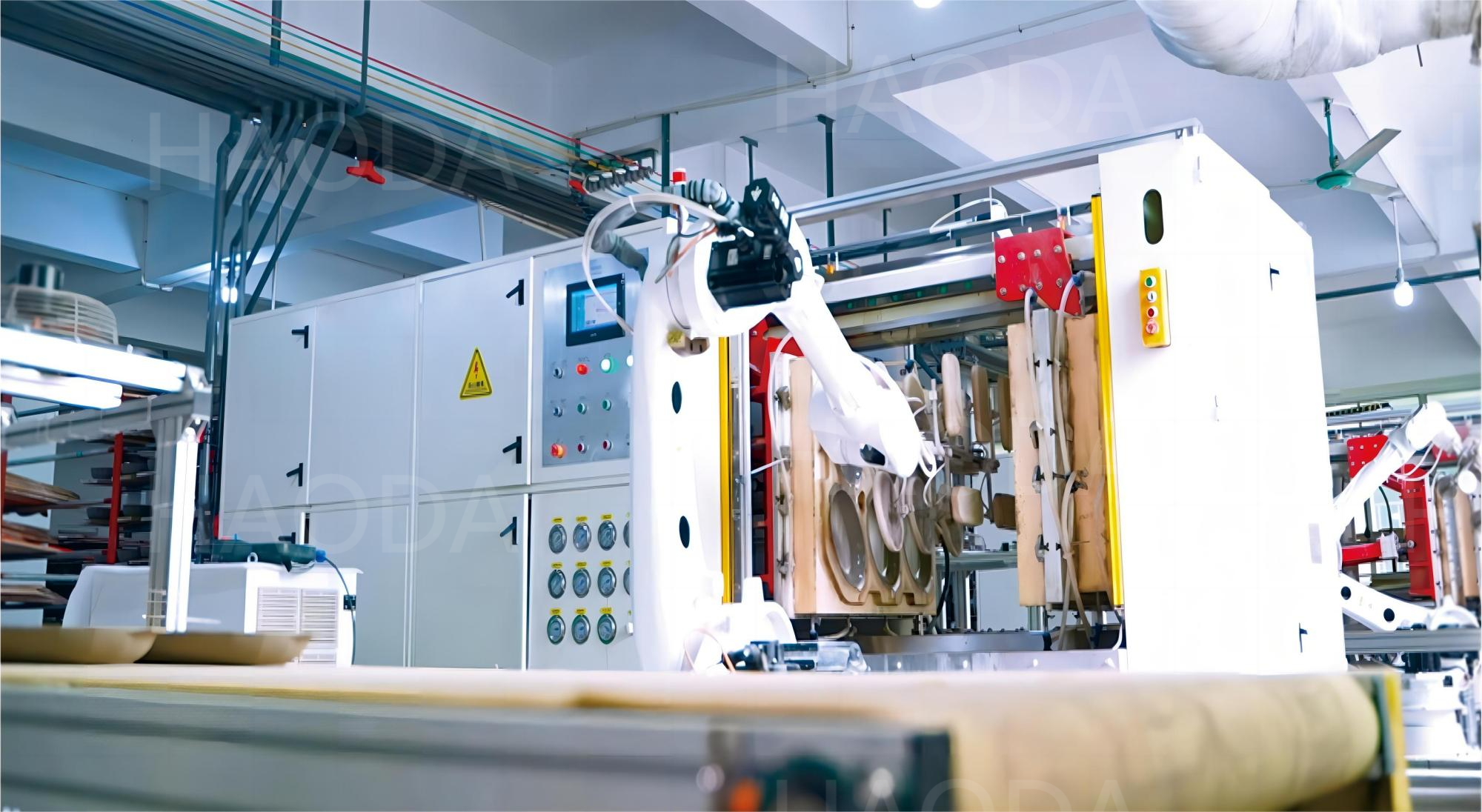
The Automatic Ceramic Jiggering Line with Double Forming Heads addresses these constraints by introducing dual synchronized forming units that operate in parallel — allowing continuous production without increasing floor space or operator load.
According to data from the Ceramic Industry Association, factories adopting double-head jiggering systems have achieved an average production efficiency increase of 85% compared with traditional single-head setups.
System Configuration and Process Overview
Integrated Line Components
-
Automatic Clay Feeding & Cutting System: Delivers uniform clay pugs at precise intervals.
-
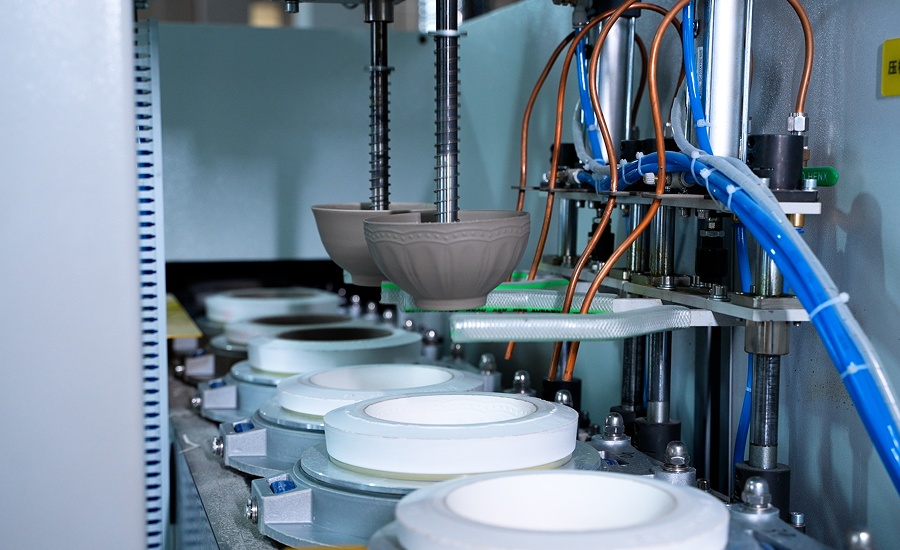
Dual Forming Heads: Operate simultaneously, each equipped with servo-driven molds for synchronized shaping.
-
Rotary Conveying Table: Transfers formed ware smoothly to drying conveyors or trimming stations.
-
Touchscreen PLC Control: Manages timing, pressure, and forming speed for both heads independently.
-
Dust-Free Enclosure: Ensures clean forming conditions and minimizes surface defects.
Working Cycle
-
Clay feed is automatically portioned.
-
Each head forms one item under controlled speed and pressure.
-
The line ejects finished pieces onto a conveyor.
-
Sensors detect surface quality before automatic transfer to drying.
This dual-head mechanism allows two items to be produced per cycle, achieving both higher volume and superior shape uniformity.
Quantitative Performance Comparison
| Metric | Traditional Single-Head Line | Double-Head Jiggering Line | Improvement |
|---|---|---|---|
| Output (pcs/hour) | 500–700 | 1,000–1,300 | +90% |
| Labor Requirement | 3 operators | 1 operator | -65% |
| Mold Replacement Time | 15–20 min | 8–10 min | -50% |
| Dimensional Tolerance | ±0.3 mm | ±0.15 mm | +50% |
| Energy Consumption | 100% baseline | 78% baseline | -22% |
These measurable differences make the double-head system ideal for large-scale factories pursuing both productivity and precision.
Key Advantages of the Double Forming System
1. Parallel Production Efficiency
Each forming head operates independently yet synchronously, ensuring high-speed, stable output with consistent material density.
2. Superior Uniformity and Stability
Servo-controlled pressure systems maintain constant forming force, minimizing warping or dimensional variance.
3. Smart Molding and Pressure Adjustment
PLC algorithms automatically adjust molding pressure based on clay moisture and forming resistance, preventing surface cracking.
4. Reduced Downtime and Maintenance
Quick-change mold fixtures and real-time lubrication systems keep continuous operation up to 20 hours per day.
5. Integration Ready for Full Automation
Compatible with upstream clay preparation and downstream glazing or drying modules, forming a fully automated ceramic line.
Economic and ROI Evaluation
| Category | Conventional Jiggering | Automatic Double-Head Line | Change |
|---|---|---|---|
| Initial Investment | Baseline | +25% | — |
| Output Capacity | 1x | 1.9x | +90% |
| Labor Cost per Unit | 1.0 | 0.45 | -55% |
| Product Defect Rate | 6–8% | 2–3% | -60% |
| ROI Period | — | 14–16 months | — |
Source: Manufacturing Automation Journal
The additional investment in automation is typically recovered within 16 months due to reduced waste, labor cost, and higher consistency in mass production.
Environmental and Energy Efficiency
According to the Energy Efficiency Council, servo-controlled forming lines consume 20–25% less energy than pneumatic-driven systems, thanks to intelligent motion control and reduced idle load.
Additionally, the enclosed system minimizes clay dust emissions, ensuring safer, cleaner production environments that comply with ISO and CE standards.
Integration into Ceramic Production Lines
The Automatic Ceramic Jiggering Line with Double Forming Heads can seamlessly connect with:
-
Automatic Glaze Spraying Systems for inline coating.
-
Continuous Drying Tunnels for moisture reduction.
-
Conveyor Transfer Robots for autonomous ware handling.
This modular architecture allows incremental expansion — from semi-automatic forming cells to fully automated production lines.
Technical Service and Global Support
Each line includes full-cycle commissioning, operator training, and remote diagnostic support.
Our engineering teams provide:
-
Production layout and optimization planning
-
Spare parts and mold customization
-
Process simulation for different clay bodies
For installation guidance or a custom quotation, please visit Haoda Machine or contact our technical department.