
Why Plate and Bowl Forming Requires Automation
Plates and bowls represent the highest production volume categories in tableware manufacturing.
Their shallow and deep geometries require different forming pressures, mold angles, and rotational speeds.
Manual or semi-automatic systems often lead to:
-
Thickness inconsistency
-
Rim deformation
-
Warping during drying
-
High rework rates
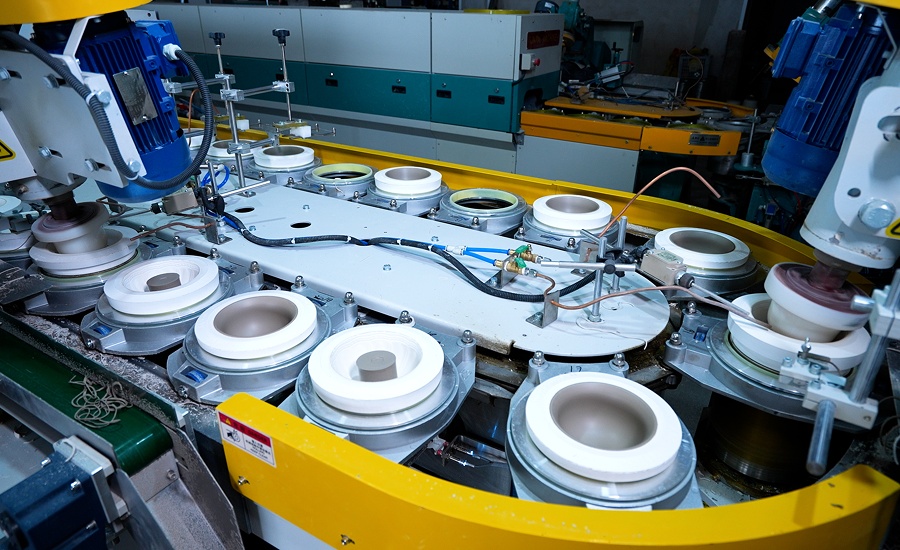
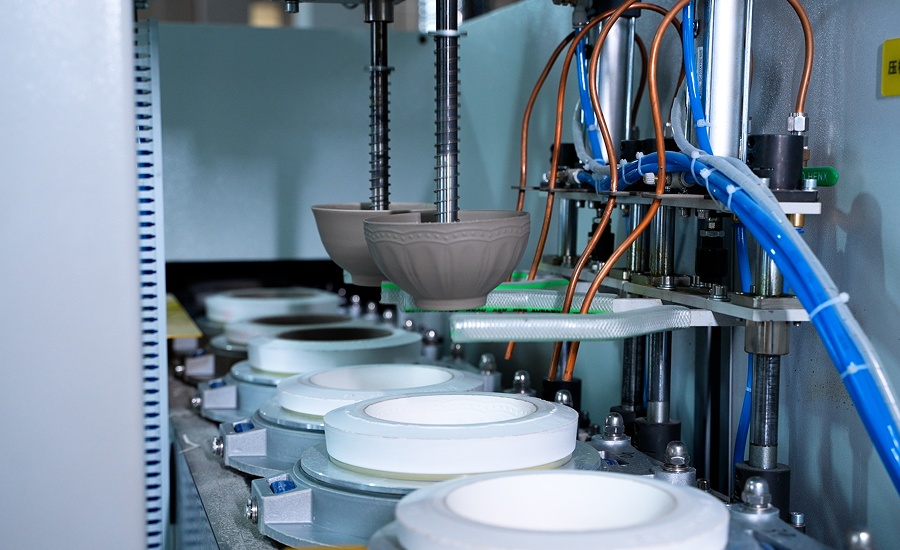
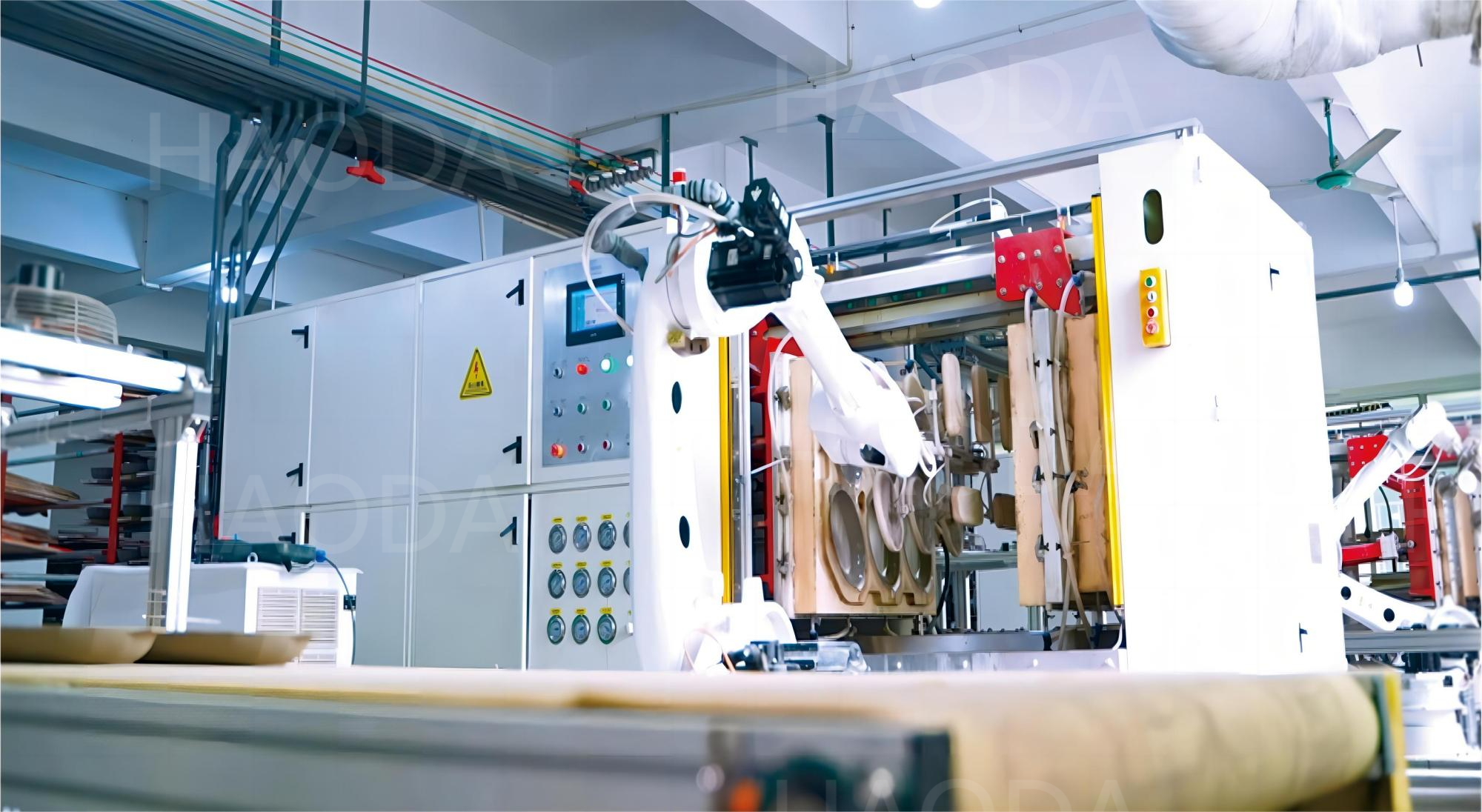
Automated plate and bowl forming eliminates these risks through servo-driven shaping and real-time control logic.
In large factories, automation can increase forming capacity by 35–50% while reducing scrap by more than 60%.
Engineering Architecture of Automated Plate and Bowl Forming
| System Component | Function | Technical Approach | Result |
|---|---|---|---|
| Servo Forming Unit | Precise shaping | Programmable pressure curves | ±0.2 mm tolerance |
| Rotational Control System | Smooth edge formation | Variable speed motor control | Reduced rim cracking |
| Automatic Mold Exchange | Quick size changeover | Pneumatic locking & positioning | 30% faster switching |
| Vacuum Clay Feeding | Uniform density | Stabilized moisture content | Improved structural strength |
| Inline Transfer Conveyor | Continuous flow | Synchronized movement | Zero manual handling |
Together, these modules define a complete automated plate and bowl forming solution optimized for both flatware and deepware production.
Pressure and Speed Synchronization Logic
The geometry of a bowl differs significantly from a plate.
Bowl forming requires deeper shaping force and gradual compression, while plates require stable lateral pressure for flat uniformity.
Dynamic Control Strategy
-
Initial contact: Low torque to prevent surface tearing.
-
Mid-stage compression: Gradual pressure ramp-up for thickness uniformity.
-
Final stabilization: Balanced rotational speed to avoid rim distortion.
| Parameter | Manual System | Automated System | Improvement |
|---|---|---|---|
| Thickness Variation | ±0.6 mm | ±0.2 mm | 67% improvement |
| Crack Rate | 5% | 1.5% | -70% |
| Forming Speed | 100% baseline | +40% | Higher throughput |
| Mold Wear Cycle | Irregular | Scheduled | +30% lifespan |
Such precision control is central to stable automated plate and bowl forming performance.
Mold Design and Lifecycle Management
Mold quality directly influences forming accuracy.
Advanced systems incorporate:
-
CNC-machined gypsum molds
-
Uniform porosity control
-
Automated mold usage tracking
-
Predictive replacement alerts
According to Ceramic Industry Magazine, structured mold lifecycle monitoring can reduce geometry-related defects by up to 30% in high-volume production environments.
By integrating mold data into the MES platform, forming accuracy remains consistent across long production cycles.
Continuous Flow Integration with Drying and Glazing
One of the biggest advantages of automated plate and bowl forming is seamless integration with downstream processes.
-
Automatic transfer arms move formed ware directly to drying tunnels.
-
Buffer systems maintain flow balance between forming and glazing sections.
-
MES synchronizes cycle time to avoid bottlenecks.
This eliminates manual stacking damage and micro-cracking caused by improper handling.
| Integration Factor | Traditional Setup | Automated Integration |
|---|---|---|
| Manual Handling | High | None |
| Transfer Damage | 4% | <1% |
| Line Downtime | Frequent | Rare |
| Overall Yield | 92% | 98% |
The transition to automation transforms forming from an isolated operation into a synchronized production ecosystem.
ROI and Production Scalability
Factories implementing automated plate and bowl forming report measurable operational gains.
| KPI | Semi-Automatic Line | Automated Line | Benefit |
|---|---|---|---|
| Daily Output | 40,000 pcs | 80,000–120,000 pcs | 2–3× increase |
| Labor Requirement | 50 workers | 25 workers | -50% |
| Scrap Rate | 6% | 2% | Higher yield |
| Payback Period | 30 months | 18 months | Faster ROI |
Automation not only increases volume but also stabilizes product geometry, ensuring consistent export-grade quality.
Haoda Machine: Integrated Forming Expertise
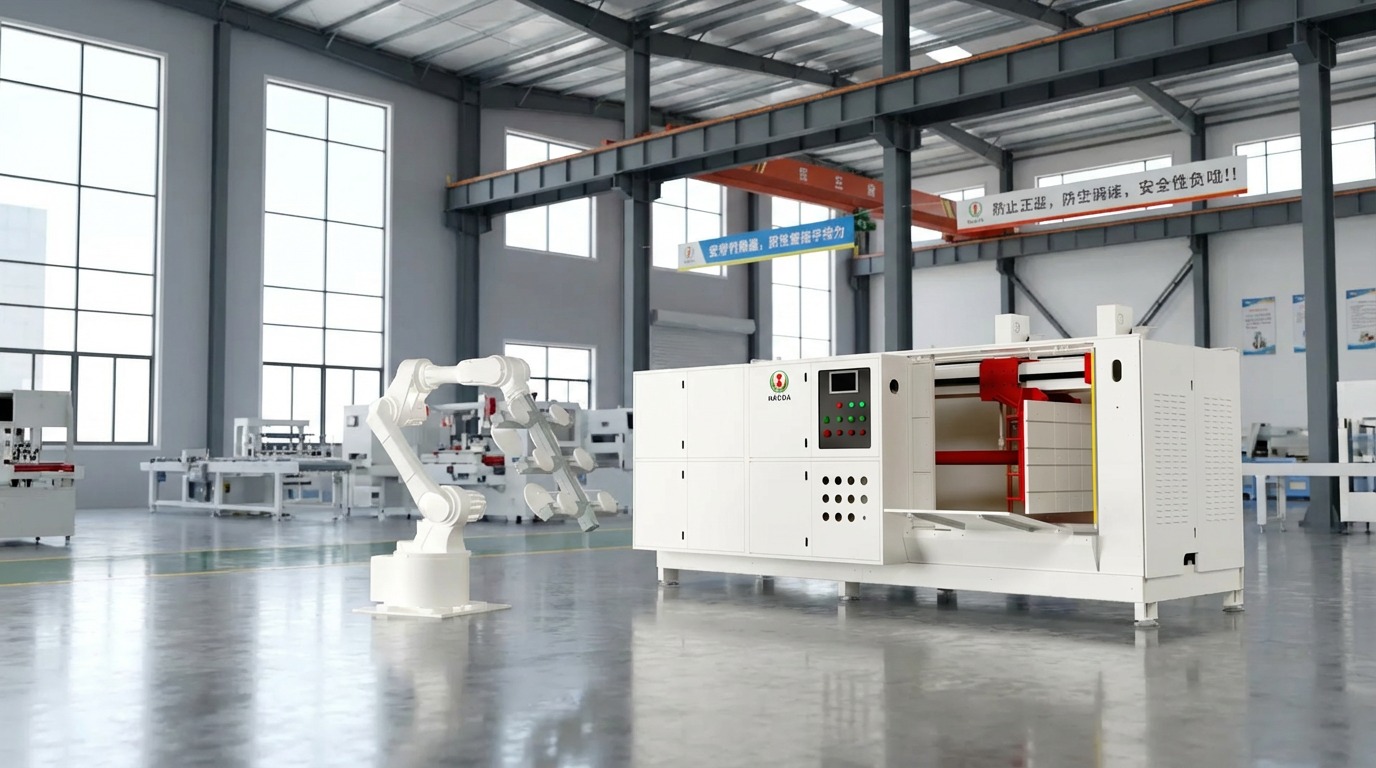
Haoda Machine designs and manufactures complete forming solutions tailored to industrial tableware factories.
Core strengths include:
-
Servo-driven forming systems for plates and bowls
-
Integrated mold precision engineering
-
MES-based synchronization with glazing and kiln sections
-
Inline inspection and quality feedback loop
-
Global installation and long-term technical support
Through advanced automated plate and bowl forming technology, Haoda Machine enables factories to achieve scalable, stable, and cost-effective ceramic production.
To explore forming line configurations and automation solutions, visit Haoda Machine’s homepage.
If you are planning a production upgrade or new plant investment, contact our engineering team — we will provide a customized forming system proposal aligned with your output targets and product specifications.