
For ceramic tableware factories, plates and bowls are usually the highest-volume products. They look simple, but stable forming is not always easy. If the rim is uneven, the wall thickness changes, or the green body is damaged during handling, the problem will continue into drying, glazing, firing, and final inspection.
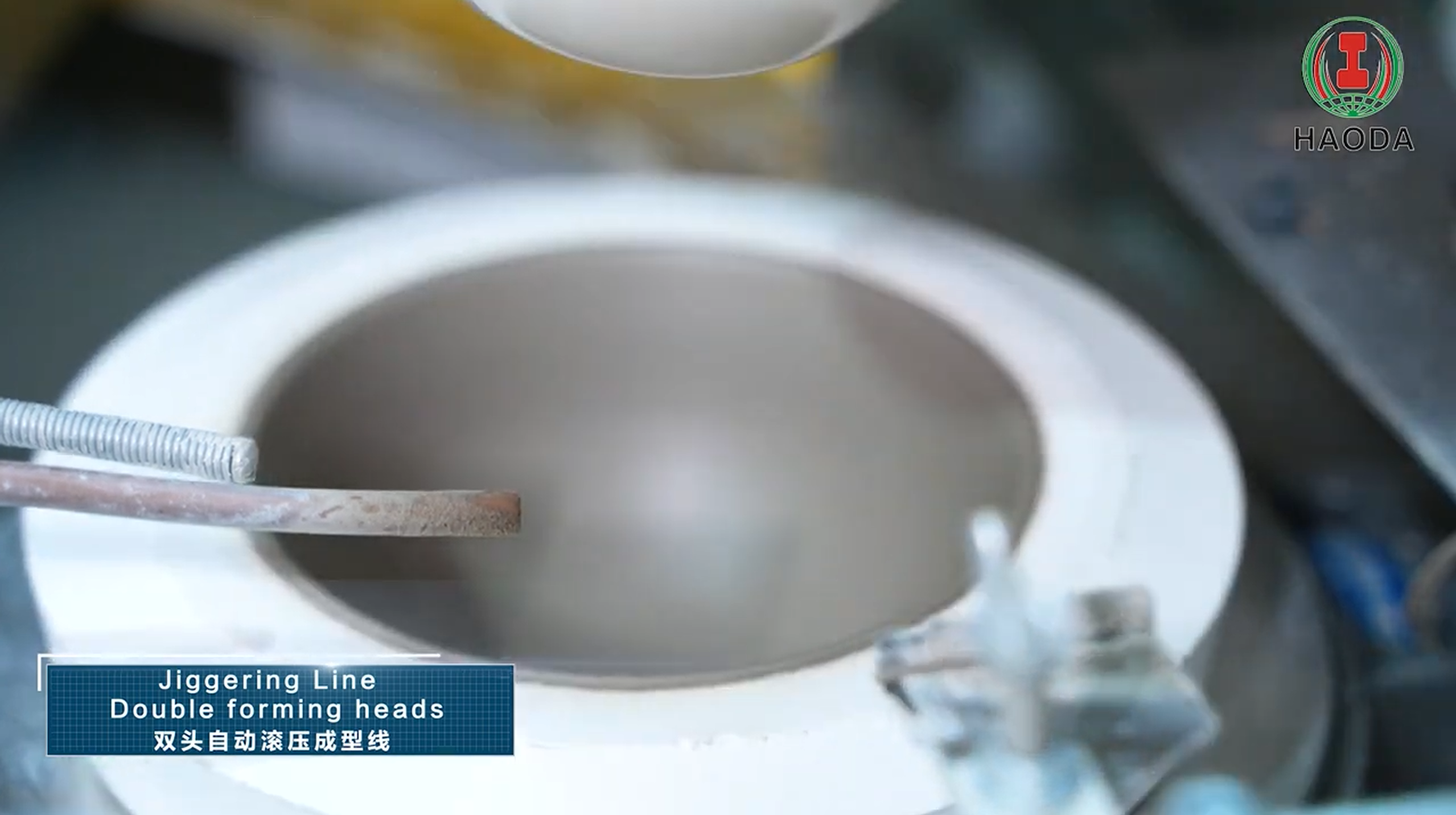
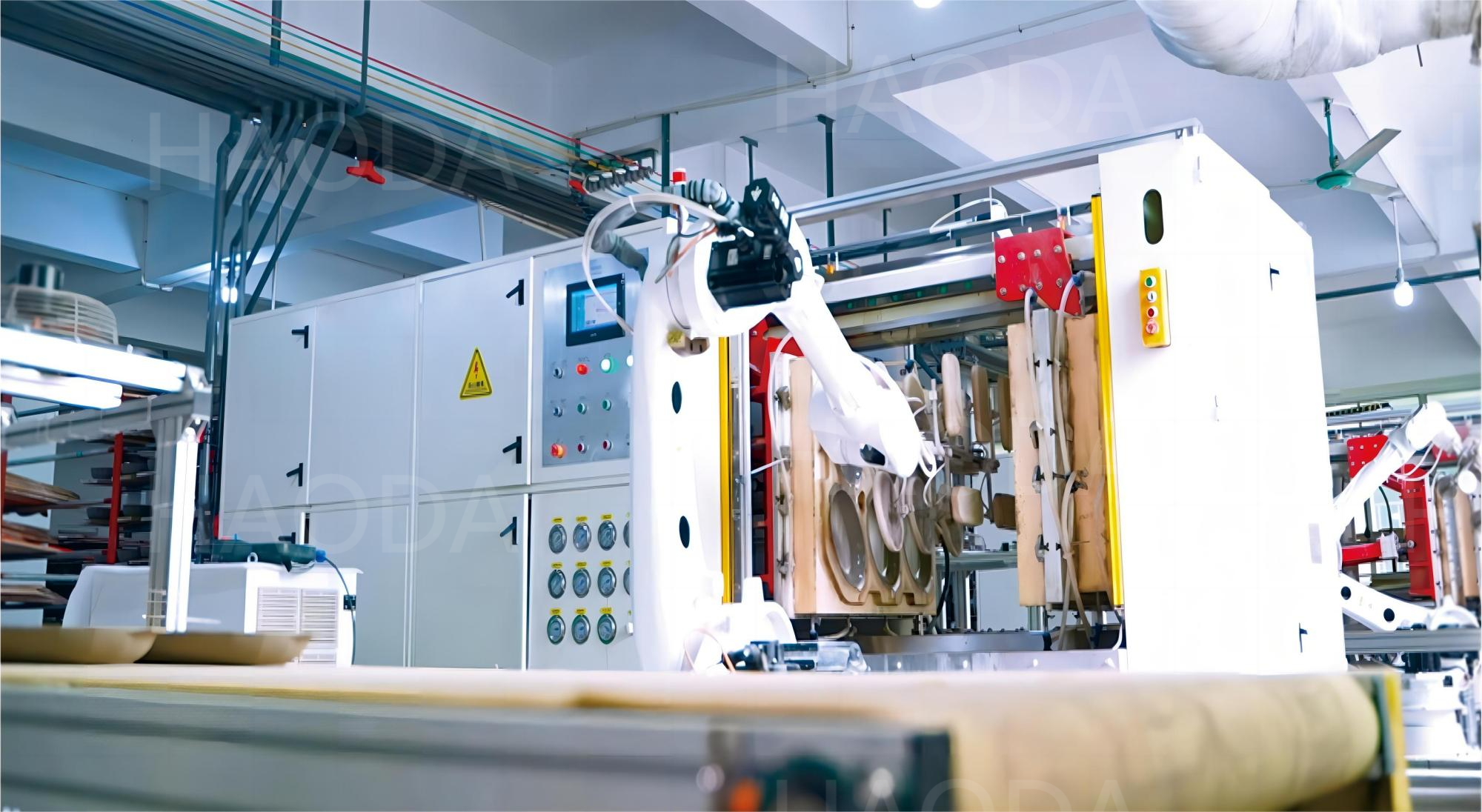
This is why automated plate and bowl forming is important for factories that want more stable batch production. Compared with manual or semi-automatic forming, an automated forming line can control clay feeding, forming pressure, mold movement, trimming, demolding, and conveying in a more consistent rhythm.
At HAODA Machinery, automated forming is designed for real ceramic factory needs: daily tableware production, export ceramic plates, hotel tableware, porcelain dinnerware, stoneware products, and large-volume standardized production.
For factories planning a broader production upgrade, HAODA’s ceramic production equipment includes forming, glazing, decoration, and production-line solutions that can be matched according to product type, capacity, and factory layout.
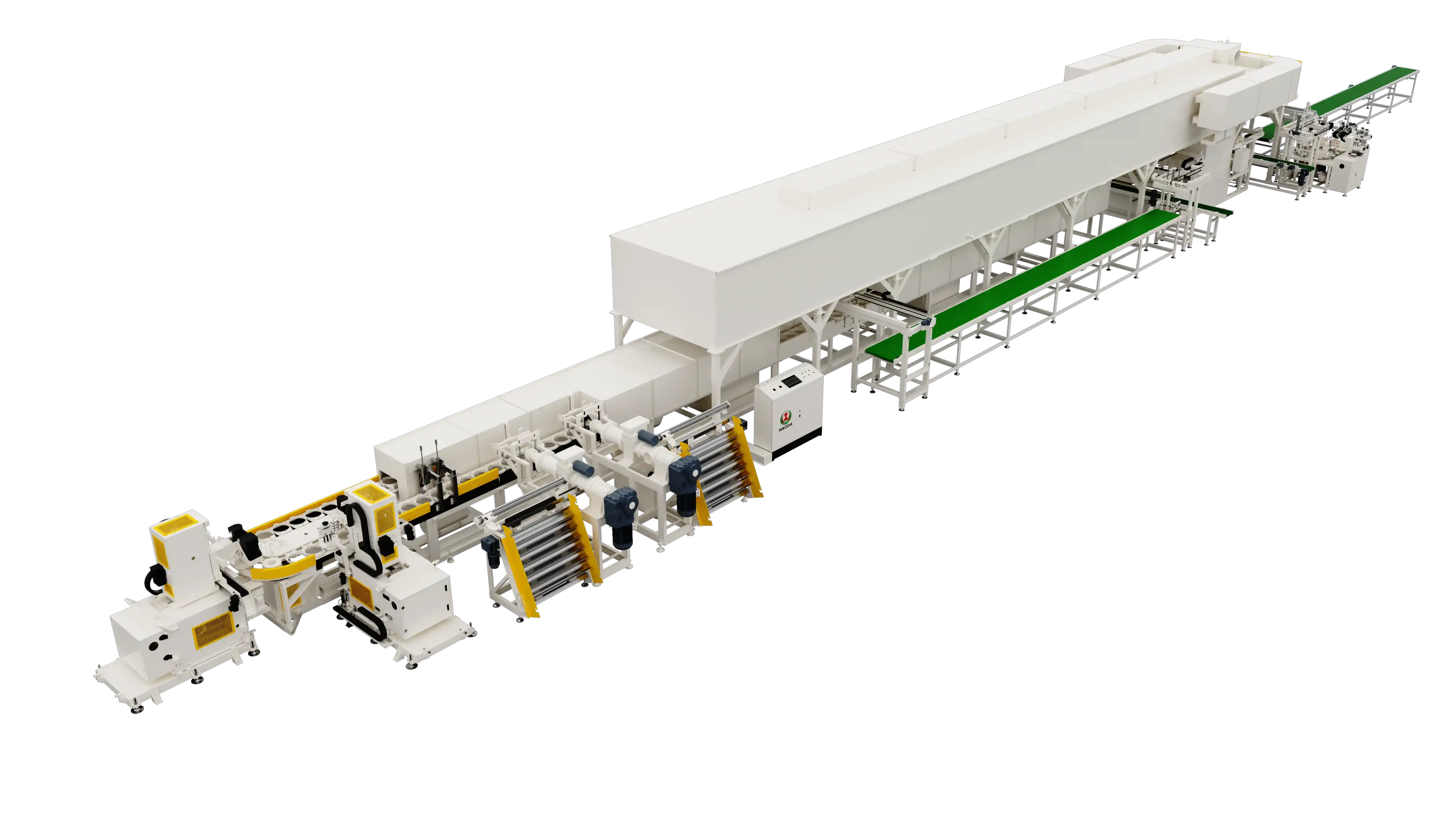
Why Automated Plate and Bowl Forming Matters
Many ceramic factories face similar problems when plate and bowl production depends too much on manual work.
A worker may form one batch well, but another shift may produce different results. Clay weight may vary. Mold temperature may change. Product transfer may cause deformation before drying. These small differences can create visible quality issues when thousands of plates or bowls are produced every day.
Automated plate and bowl forming helps solve this by making the forming process more repeatable. The line does not rely only on worker experience. Instead, it uses mechanical control, stable movement, and coordinated production steps to keep shape and rhythm consistent.
This is especially useful for:
- Dinner plates
- Salad plates
- Soup plates
- Shallow bowls
- Saucers
- Flat dishes
- Daily-use ceramic tableware
- Hotel and restaurant tableware
- Export ceramic plates and bowls
For factories that produce large quantities of standard ceramic tableware, automated forming is often one of the most practical upgrades.
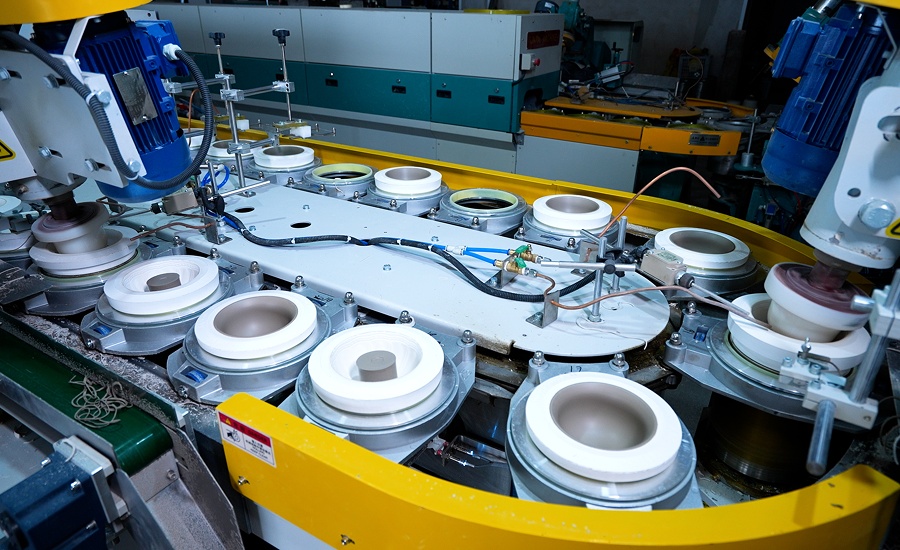
Which Products Are Suitable for Automated Forming Lines?
Not every ceramic product needs the same forming method. The best use of an automated forming line is usually standardized products with repeatable shapes and stable order volume.
Plates
Plates are highly suitable for automated forming because they require consistent diameter, flatness, rim shape, and surface balance. Even a small deformation can become obvious after firing.
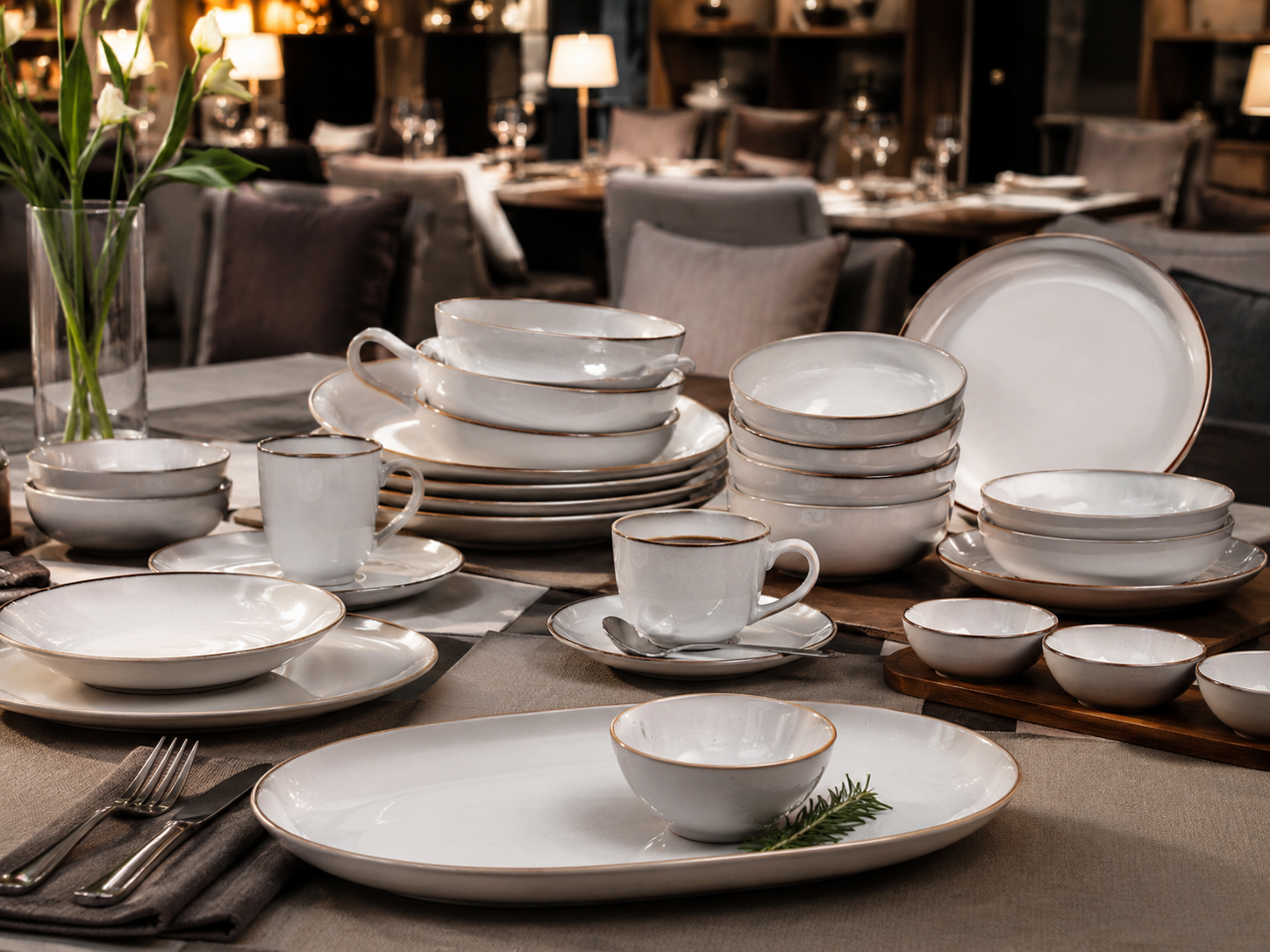
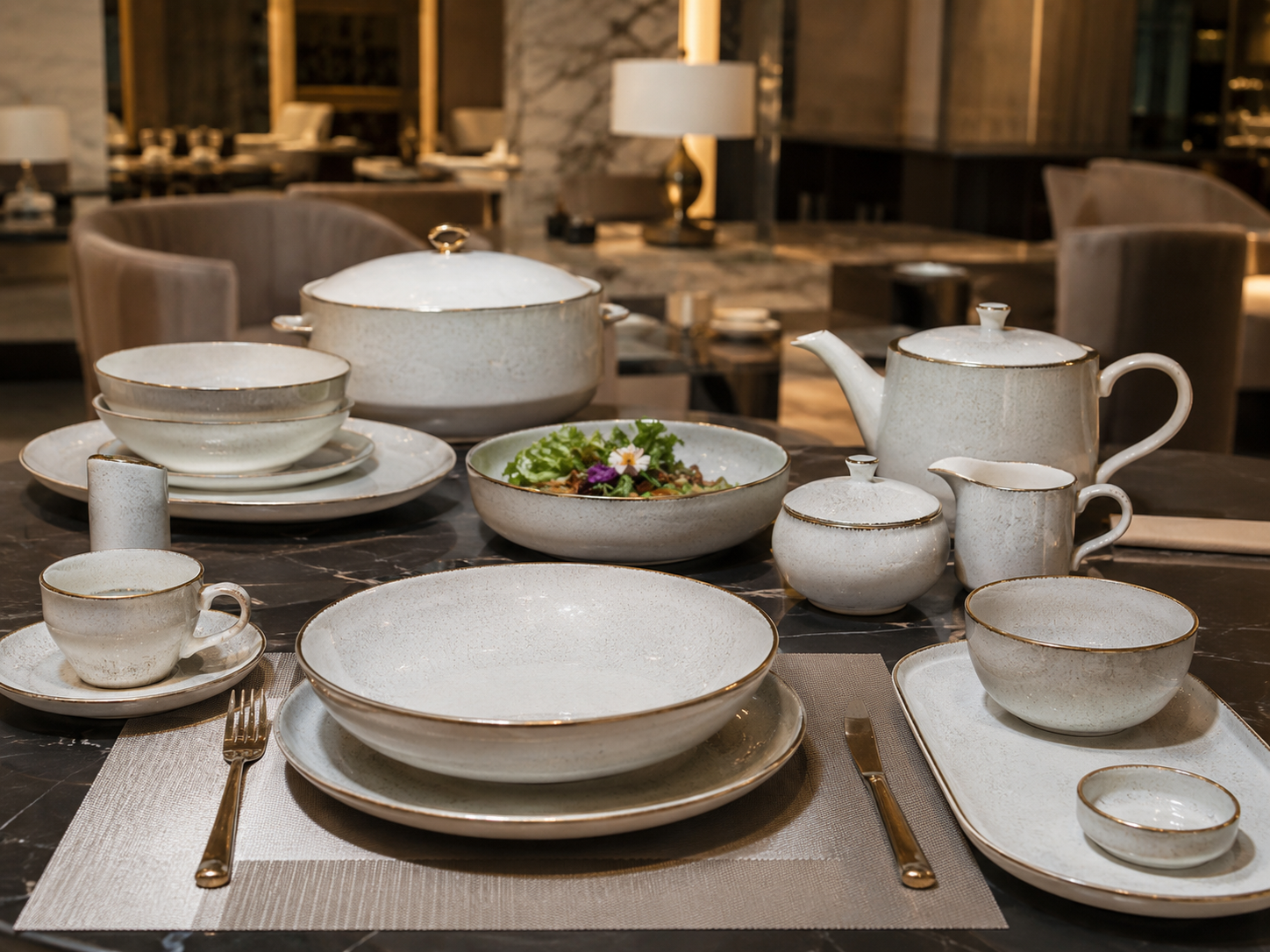
Automated forming helps keep plate shape more standardized from batch to batch, making it suitable for dinner plates, salad plates, soup plates, hotel plates, and export dinnerware sets.
Shallow Bowls
Shallow bowls are also suitable because they share many forming requirements with plates but need better control around the curve and rim. Automated forming helps reduce wall thickness variation and improves consistency across repeated production.
Saucers and Flat Dishes
Saucers and flat dishes often require stable size and smooth rim details. Automated forming supports repeatable shaping and reduces unnecessary manual handling before drying.
Mug Bodies
Some mug body products can also be matched with suitable forming equipment, depending on the product size, shape, and production process. Before selecting a machine, the factory should confirm product drawings, diameter, height, clay type, and target capacity.
Which Factories Benefit Most?
Daily tableware factories benefit because they usually produce plates, bowls, cups, and dinnerware sets in large quantities. Automated forming helps improve consistency and reduce dependence on skilled labor.
Export ceramic manufacturers benefit because international buyers often compare bulk production with approved samples. Stable shape, size, and rim quality can reduce shipment risk.
Hotel tableware producers benefit because hotel and restaurant orders require uniform appearance across large sets. A plate or bowl series must look consistent when placed together on a dining table.
Large-scale ceramic factories benefit because manual production becomes harder to manage when order volume increases. Automated forming gives the production manager better control over rhythm, output, and product standardization.
For factories that are not sure whether automated forming is suitable, the key question is simple:
Are your plate and bowl orders stable enough to justify a more standardized forming process?
If the answer is yes, automated forming may be worth evaluating.
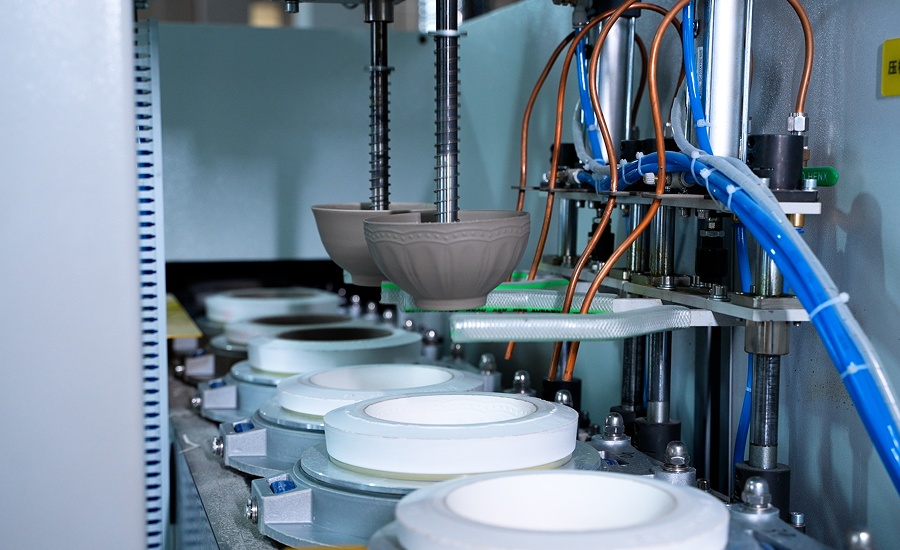
How Automated Forming Improves Production Flow
The value of automated plate and bowl forming is not only the forming machine itself. It also comes from connecting several steps into a smoother production flow.
A well-planned forming line can support:
- Clay feeding
- Cutting and positioning
- Roller forming
- Mold movement
- Drying coordination
- Trimming
- Demolding
- Conveying
When these steps are better connected, the factory reduces waiting time, repeated handling, and process interruption. This helps protect the green body before drying and keeps production more stable.
For factories planning more than one production upgrade, HAODA’s blog/FAQ section also provides additional references about ceramic production lines, forming applications, and equipment selection: HAODA Blog.
How to Know If This Machine Fits Your Product
Before choosing an automated forming line, factories should not only ask for price. They should first check whether the equipment matches the real product.
Useful information to prepare includes:
- Product type: plate, shallow bowl, saucer, flat dish, or mug body
- Product diameter and height
- Clay material: porcelain, stoneware, or bone china
- Target daily capacity
- Current labor arrangement
- Factory layout
- Existing drying and glazing process
- Future expansion plan
For example, a factory producing standard dinner plates may need a different layout from a factory producing shallow bowls with multiple sizes. A hotelware producer may care more about batch consistency, while an export factory may care more about stable repeat orders and lower rework.
If you are planning a new line, it is better to send product drawings, sample photos, capacity goals, and factory layout before confirming the equipment configuration.
Common Questions About Automated Plate and Bowl Forming
Is automated plate and bowl forming only for large factories?
No. It is most suitable for factories with stable plate or bowl orders, but the configuration can be adjusted according to production scale. Medium-sized factories can also use automation to reduce labor pressure and improve consistency.
Can one forming line handle different product sizes?
It depends on the machine configuration, mold design, product size range, and production plan. If your factory often changes product sizes, this should be confirmed before choosing equipment.
Does automated forming replace all manual work?
Not completely. Automation reduces repetitive manual work and improves process stability, but operators are still needed for monitoring, mold management, quality checking, and production adjustment.
What products should not be forced into a standard forming line?
Very deep bowls, highly irregular shapes, thin-wall premium products, or special ceramic items may need another forming solution. The right method should be selected based on product shape and quality requirements.
Plan Your Automated Forming Upgrade with HAODA
Automated plate and bowl forming is a practical upgrade for ceramic factories that need more stable shape quality, less manual handling, and better batch consistency. It is especially suitable for dinner plates, salad plates, soup plates, shallow bowls, saucers, flat dishes, and daily-use ceramic tableware.
For daily tableware factories, export ceramic manufacturers, hotel tableware producers, and large-scale production plants, the right forming line can make production easier to manage and more consistent over time.
HAODA Machinery provides ceramic forming equipment and production-line solutions for factories that need practical automation, product matching, and layout support. Explore HAODA’s product range, learn more about the company on the About Us page, or send your product size, capacity target, and factory layout through the HAODA Blog/FAQ page or contact channel for a suitable forming solution recommendation.